Big Ben
History, Significance, and Guide for Visitors
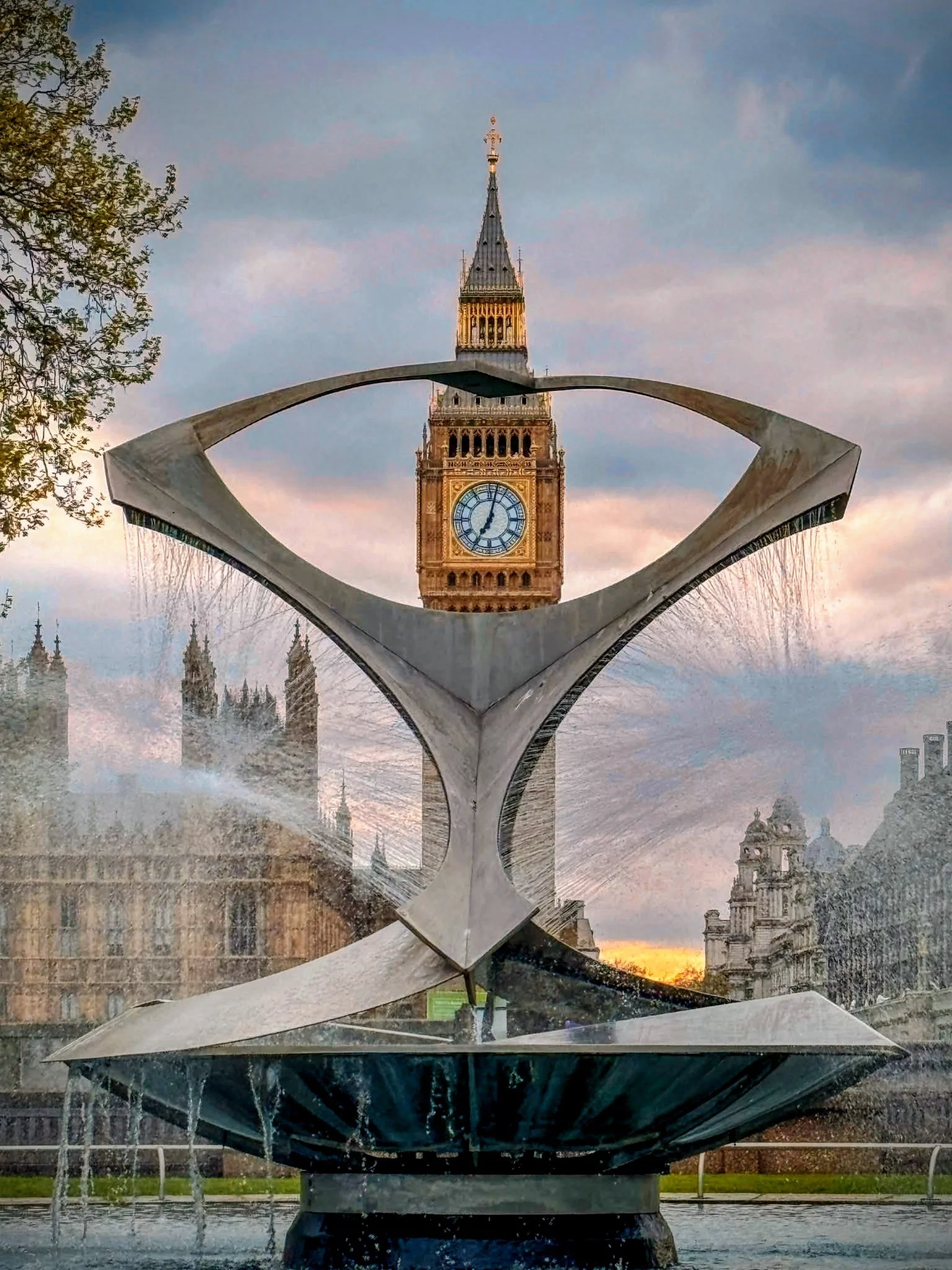
There is no silhouette more synonymous with the British spirit than the Great Clock of Westminster. Rising 315 feet above the muddy banks of the River Thames, it has stood as a silent witness to the rise and fall of empires, the blitzes of World War II, and the ever-changing face of modern London. For the readers of Explorers Insight, Big Ben isn't just a photo opportunity; it is a masterclass in Victorian engineering, a political icon, and a rhythmic anchor for the city.
In this comprehensive guide, we go beyond the postcard to explore the history, the architecture, and the "insider" secrets of the Elizabeth Tower.
The Name Game: A Common Misconception
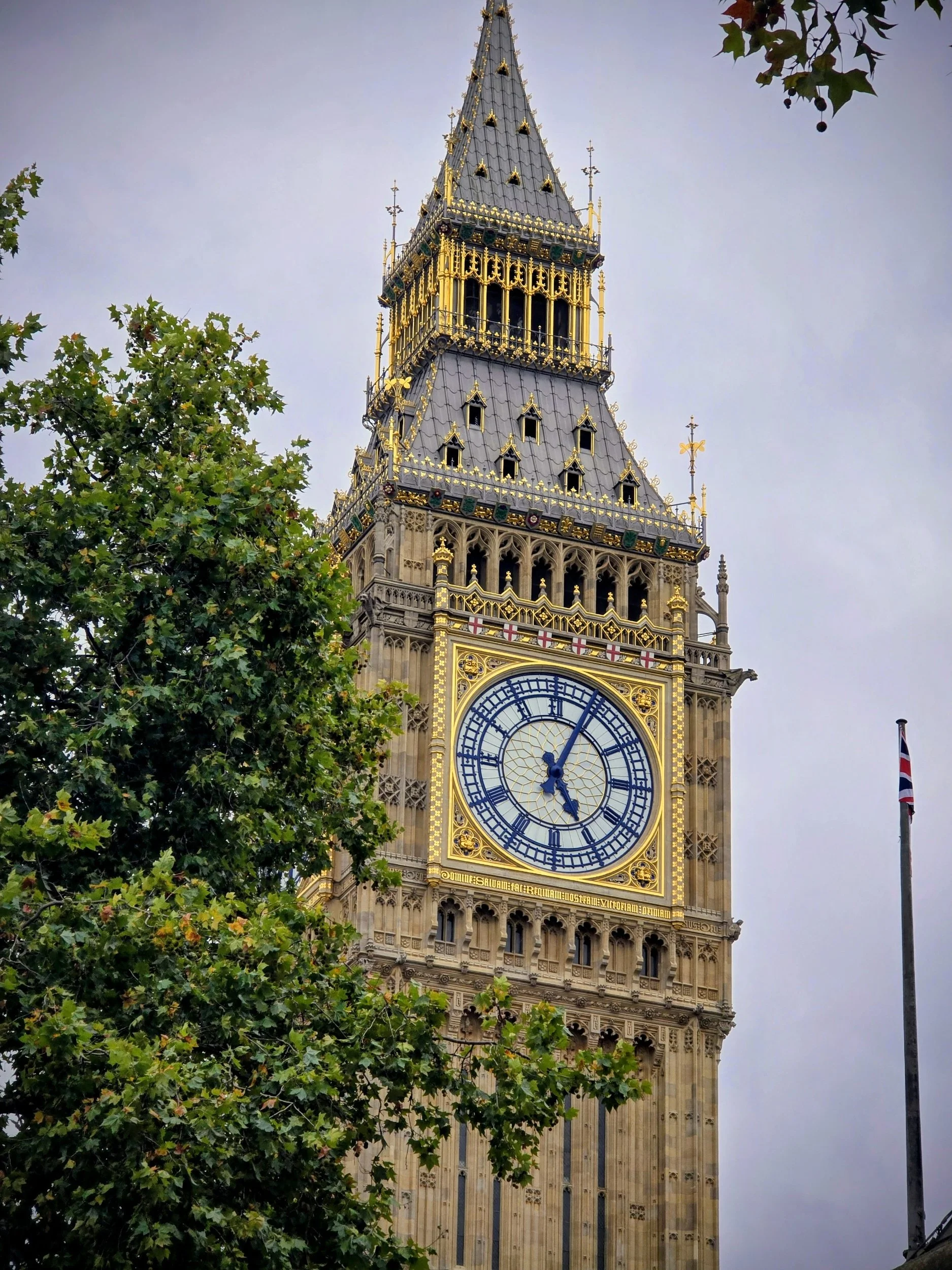
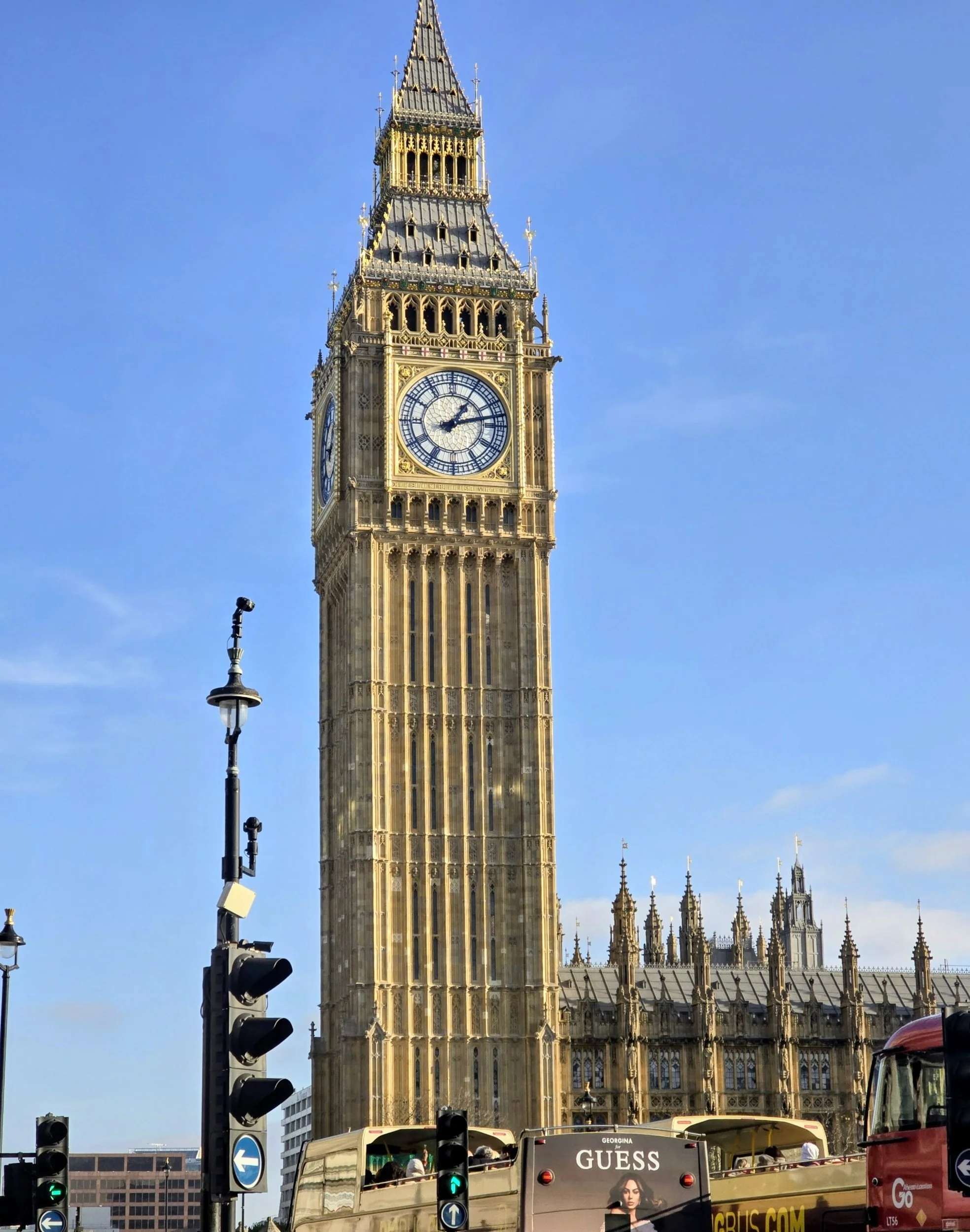
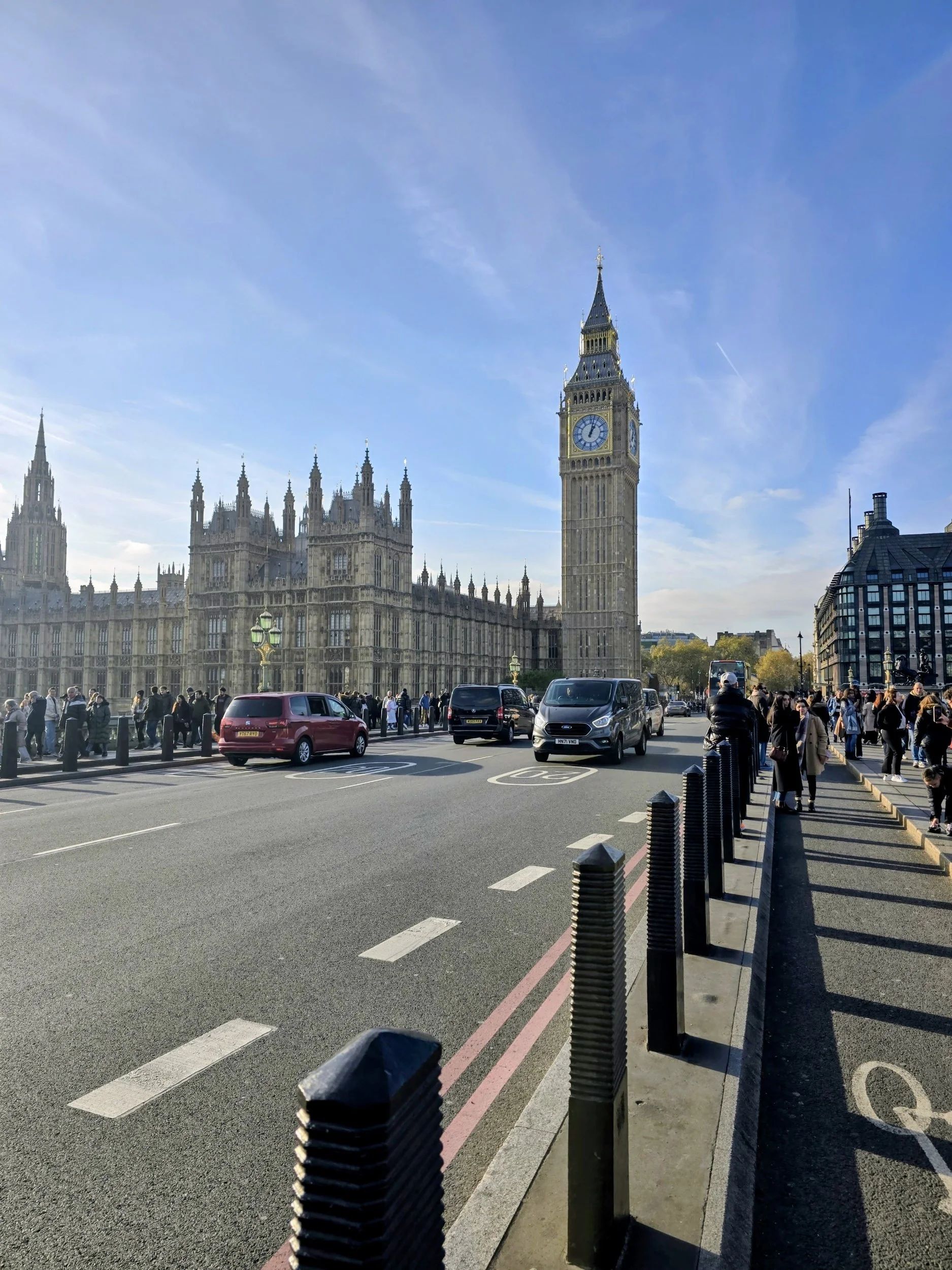
Before we dive into the limestone and iron, let’s clear up the most famous trivia in London. Most visitors point to the tower and exclaim, "There’s Big Ben!" Technically, they are looking at the Elizabeth Tower.
The Elizabeth Tower: The physical stone structure. It was known simply as the "Clock Tower" until 2012, when it was renamed to honor the Diamond Jubilee of Queen Elizabeth II.
The Great Clock: The mechanical masterpiece inside that keeps the city on time.
Big Ben: This is specifically the Great Bell—the 13.7-tonne behemoth that strikes the hour.
The origin of the nickname "Big Ben" remains a subject of friendly debate. The most likely candidate is Sir Benjamin Hall, the First Commissioner of Works, a man of large stature whose name is inscribed on the bell. Others credit Benjamin Caunt, a champion heavyweight boxer of the era. Regardless of its namesake, the name "Big Ben" has transcended the bell to become the global identity of the entire landmark.
A Masterpiece of Gothic Revival
To understand the tower, one must understand the era of its birth. In 1834, a catastrophic fire destroyed much of the old Palace of Westminster. In the aftermath, a competition was held to design a new seat of government. The winner, Charles Barry, envisioned a grand neo-Gothic palace, but he sought the expertise of Augustus Pugin for the clock tower’s intricate details.
Pugin was a pioneer of the Gothic Revival movement, and the Elizabeth Tower was his final—and perhaps greatest—work. He designed everything from the ornate golden finials at the peak to the smallest decorative shields. Sadly, Pugin descended into madness and died shortly after completing the designs, never seeing his masterpiece finished.
The Architecture in Numbers:
Height: 96 meters (315 feet), roughly 11 stories.
Materials: Built with Brickwork encased in sandy-colored Anston limestone from Yorkshire and Caen stone from France.
The Roof: Made of 3,000 cast-iron plates, which were recently restored to their original Prussian Blue and gold color scheme.
The Great Clock: Precision in Motion
The clock inside the tower is a marvel of Victorian "low-tech" genius. Designed by Edmund Beckett Denison and Edward Dent, the mechanism was revolutionary for its time.
The Gravity Escapement
Before this clock, large outdoor timepieces were notoriously inaccurate due to wind and weather pushing against the heavy hands. Denison invented the "Double Three-Legged Gravity Escapement," a mechanism that isolated the pendulum from the external forces of the wind, ensuring the clock remained accurate to within one second per week.
The "Penny" Adjustment
How do you fine-tune a 160-year-old clock? With pocket change. To this day, the clock’s speed is adjusted by adding or removing old British penny coins from the top of the pendulum. Adding a penny shifts the center of gravity and speeds up the clock by two-fifths of a second over 24 hours.
The Bells: The Soundtrack of the Capital
Inside the belfry sit five bells. The four "quarter bells" chime the famous Westminster Quarters every fifteen minutes—a melody said to be based on a phrase from Handel’s Messiah.
Then, there is the hour bell: Big Ben. When the bell was first cast, it cracked during testing. A second bell was cast, but it too developed a crack. Instead of replacing it again, engineers simply rotated the bell 90 degrees so the hammer hit a different spot, and a small square was cut into the crack to prevent it from spreading. This "imperfection" is exactly what gives Big Ben its unique, slightly out-of-tune, and hauntingly beautiful tone.
The Light in the Dark: The Ayrton Light
If you are wandering London at night, look at the very top of the tower, above the clock faces. You might see a green-tinged lantern glowing. This is the Ayrton Light, installed in 1885 at the request of Queen Victoria. She wanted to be able to see from Buckingham Palace whether the Members of Parliament were working late. If the light is on, the House of Commons or the House of Lords is in session.
The 2017–2022 Restoration: A New Lease on Life
For five long years, Big Ben was shrouded in scaffolding. It was the most extensive conservation project in the tower's history. Craftsmen cleaned thousands of stone carvings, replaced the iron roof, and, most strikingly, restored the clock hands and dials to their original Victorian Prussian Blue. For decades, Londoners thought the clock was black and gold, but that was merely a result of 20th-century smog and soot. Today, the tower shines as it did in 1859.
The Explorer’s Itinerary: How to Visit
Viewing from the Outside
For the best perspective, don't just stand directly underneath it.
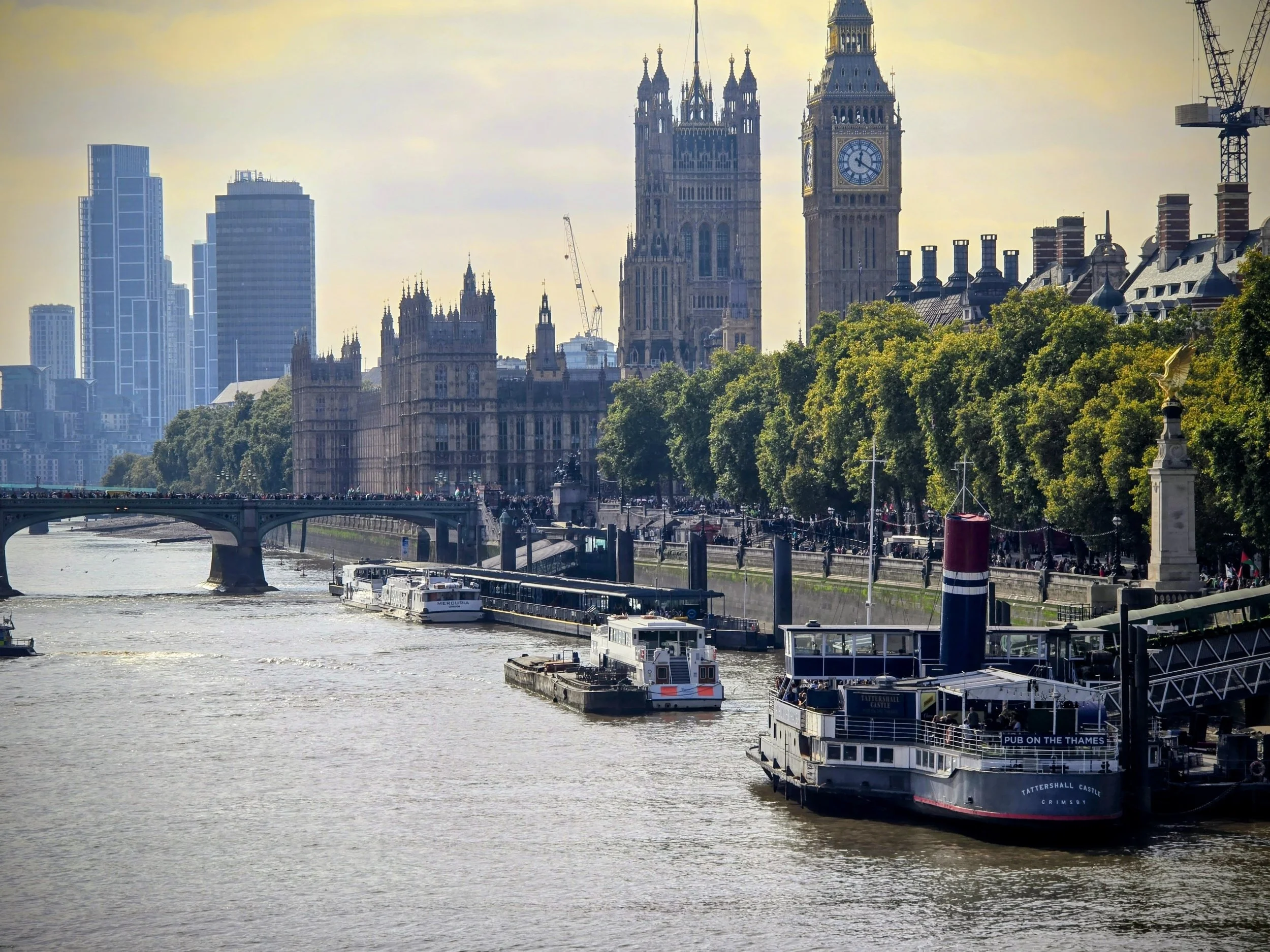
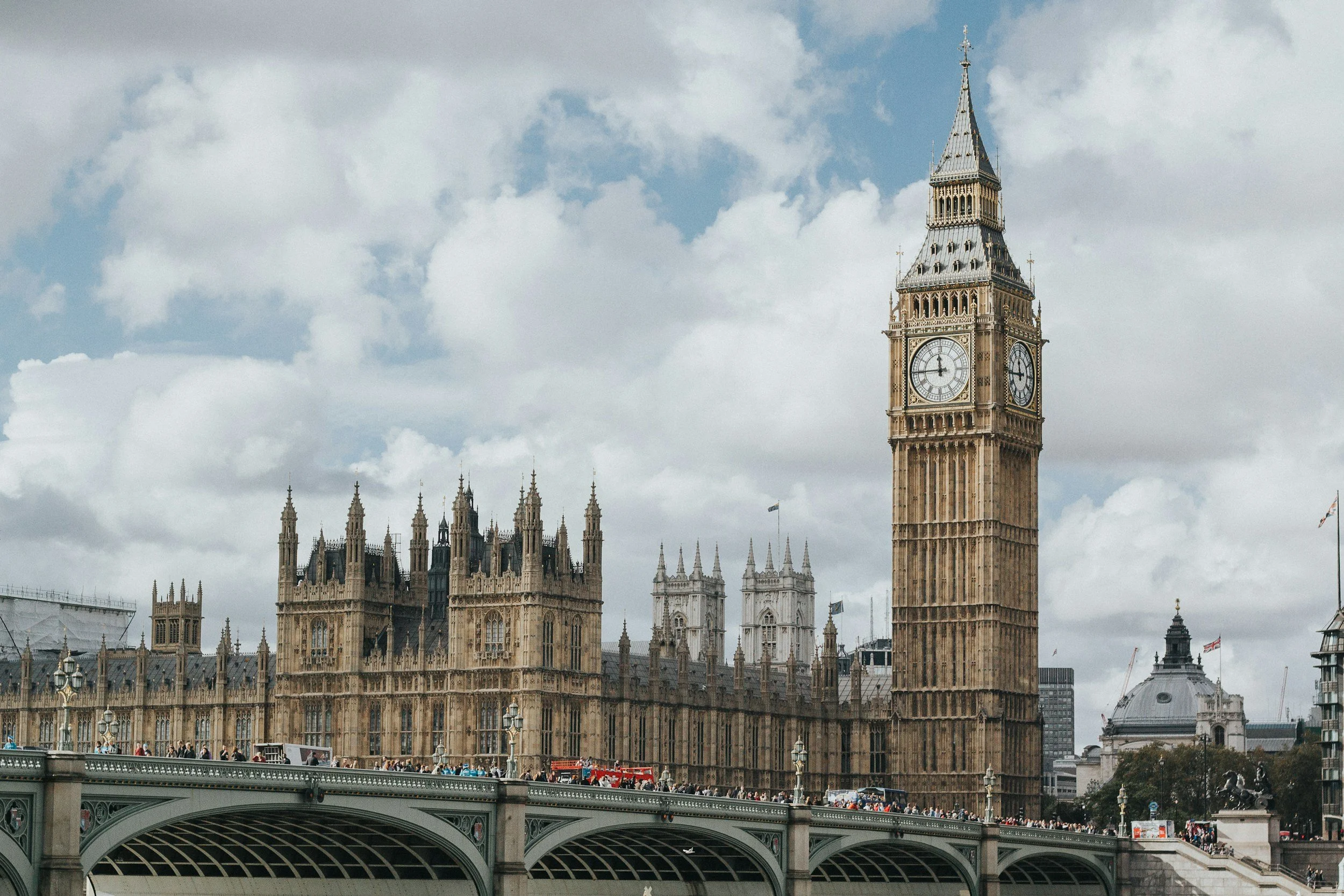
The "Insta-Classic": Walk to the south side of Westminster Bridge. From here, you get the river, the tower, and the bridge in one frame.
The Quiet View: Head to the Victoria Tower Gardens just south of Parliament. It’s a peaceful spot where you can see the full length of the Palace of Westminster without the crowds of Parliament Square.
Going Inside (The Holy Grail of Tours)
Can you go up? Yes, but it requires planning.
UK Residents: You can contact your local MP to join a free tour. These are highly sought after and often book up six months in advance.
International Visitors: Tickets are now sold to the general public via the UK Parliament website. They are released in monthly "drops" and sell out in minutes.
The Climb: There is no lift. You must be able to climb 334 stone steps in a narrow spiral. It is physically demanding but seeing the mechanism and the bells from inches away is a life-changing experience for any history buff.
Essential Information for Your Visit
Address: Westminster, London SW1A 0AA.
Nearest Tube: Westminster Station (District, Circle, and Jubilee Lines).
Proximity: Combine your visit with the London Eye (just across the bridge) or Westminster Abbey (a 2-minute walk away).
Best Time to Visit: Arrive at 11:55 AM. Secure a spot on the bridge and wait for the "Big 12" strikes at noon. It is a sensory experience that resonates in your chest.
Final Insight
Big Ben is more than a clock; it is the heartbeat of London. It has survived the Blitz, the Great Smog, and the modernization of the world around it. When you stand in its shadow and hear that first deep chime, you aren't just looking at a monument—you are hearing the voice of a city that refuses to stand still.
At Explorers Insight, we believe every landmark has a secret. What’s your favorite London memory? Tag us in your photos of the Elizabeth Tower and use #ExplorersInsightLondon!
-
How much are tickets in 2026?
Official tickets are £35 for adults and £20 for children (ages 11–17).
Insight: Booking online in advance is essential. If you are a UK resident, you may still request a free tour through your local MP, though these are extremely limited and often booked 6 months out.
When is the best time to book?
Tickets are released on the second Wednesday of every month at 10:00 AM GMT. For a 2026 visit, you should be at your computer the moment they drop, as they typically sell out for the entire month within 15 minutes.
What is the minimum age?
Children must be at least 11 years old. There are no exceptions to this rule due to the physical nature of the climb and the proximity to heavy, moving clock machinery.
-
How physically demanding is the tour?
You will climb 334 spiral stone steps. There is no lift for the standard tour. It is roughly equivalent to climbing an 11-story building.
Insight: The stairwell is narrow and can feel claustrophobic. If you have heart conditions or a significant fear of heights/confined spaces, this tour may not be for you.
Will my ears be protected?
Yes. Standing next to Big Ben (the Great Bell) when it strikes is an incredibly loud experience. Parliament provides complimentary ear defenders (industrial-grade) which are mandatory to wear during the strikes.
How long does it take?
The total experience lasts approximately 90 minutes. This includes the climb, stops in the exhibition rooms, a visit to the clock mechanism, and standing in the belfry for the striking of the hour.
-
Can I take photos inside the tower?
No. Photography and filming are strictly prohibited inside the Elizabeth Tower for security and copyright reasons.
Insight: You can take as many photos as you like in Westminster Hall (the medieval hall at the base) before or after your tour, but your phone must remain in a locker during the ascent.
What should I wear?
The Footwear Rule: This is the #1 reason people are turned away. You must wear flat-soled, fully enclosed shoes. No sandals, flip-flops, high heels, or backless shoes (like Crocs) are allowed.
Insight: The tower can be drafty. Even in summer, bring a light layer or windbreaker as the belfry is open to the elements.
-
Where do I go?
Enter via the Cromwell Green Entrance (opposite Westminster Abbey). Look for the airport-style security pavilion.
What happens to my bags?
You must go through a full security screening. Large luggage is not permitted. You will be provided with a free secure locker to store your bags, cameras, and phones before the tour starts.
Are there toilets?
There are no toilets inside the tower. Use the facilities in Westminster Hall or the Jubilee Café before your tour group is called.
-
Is there a step-free option?
Yes, but it is a separate "Accessible Tour." These are adaptive and must be requested via an online form on the Parliament website. While they don't use the main lift for the public, they offer alternative routes to ensure those with mobility needs can still experience the history and the bells.