
London in Bloom: The Top 5 Springtime Spectacles
The Green Awakening: A Landscape of Blossom and Royal Parks
As winter's grey grip loosens, London undergoes a remarkable transformation. The city's vast green spaces—its "Royal Parks"—burst into life, creating a landscape of vibrant spring blossom, rare wildflowers, and celebratory sunlight. In 2026, London remains the essential spring destination, offering a unique blend of historical grandeur and unparalleled natural beauty that is free for everyone to enjoy.
For the Explorers Insight reader, London in spring is a tactical landscape of timing. It isn't just about visiting the major sites; it is about finding the precise moment when the daffodils yield to the cherry blossoms, and the city’s private gardens reveal their annual secrets. This is your guide to the five definitive locations to experience the urban spring awakening at its peak.
🧭 The Deep History: A Legacy of "Green Lungs"
The abundance of greenery in London is no accident. The history of the city's landscapes is deeply intertwined with Royal legacy.
The Royal Hunting Grounds: Most of London's central parks—including Hyde Park, St. James’s Park, and Regent’s Park—began life as private hunting grounds for the Royal family, notably Henry VIII in the 16th century. These "Green Lungs" were protected for centuries from the industrial urban sprawl that consumed other British cities.
The "Blossom Watch" Phenomenon: While Japan’s "Hanami" is legendary, London has developed its own tactical "Blossom Watch." This is the highly localized science of tracking the specific streets, parks, and squares (from Notting Hill to Greenwich) where the different varieties of cherry and almond blossoms peak throughout April.
The Victorian Horticultural Legacy: In the 19th century, London became the epicenter of the Arts and Crafts and Victorian gardening movements. This legacy ensures that even the smallest city squares feature the intricate and diverse spring planting that defines the London aesthetic.
🧭 Top 5 Spring Spectacles: A Masterclass in Urban Nature
To master a spring visit, focus on these five locations. Each offers a different perspective on the intersection of London’s history and its horticultural calendar.
1. Greenwich Park: The Valley of Cherry Blossom
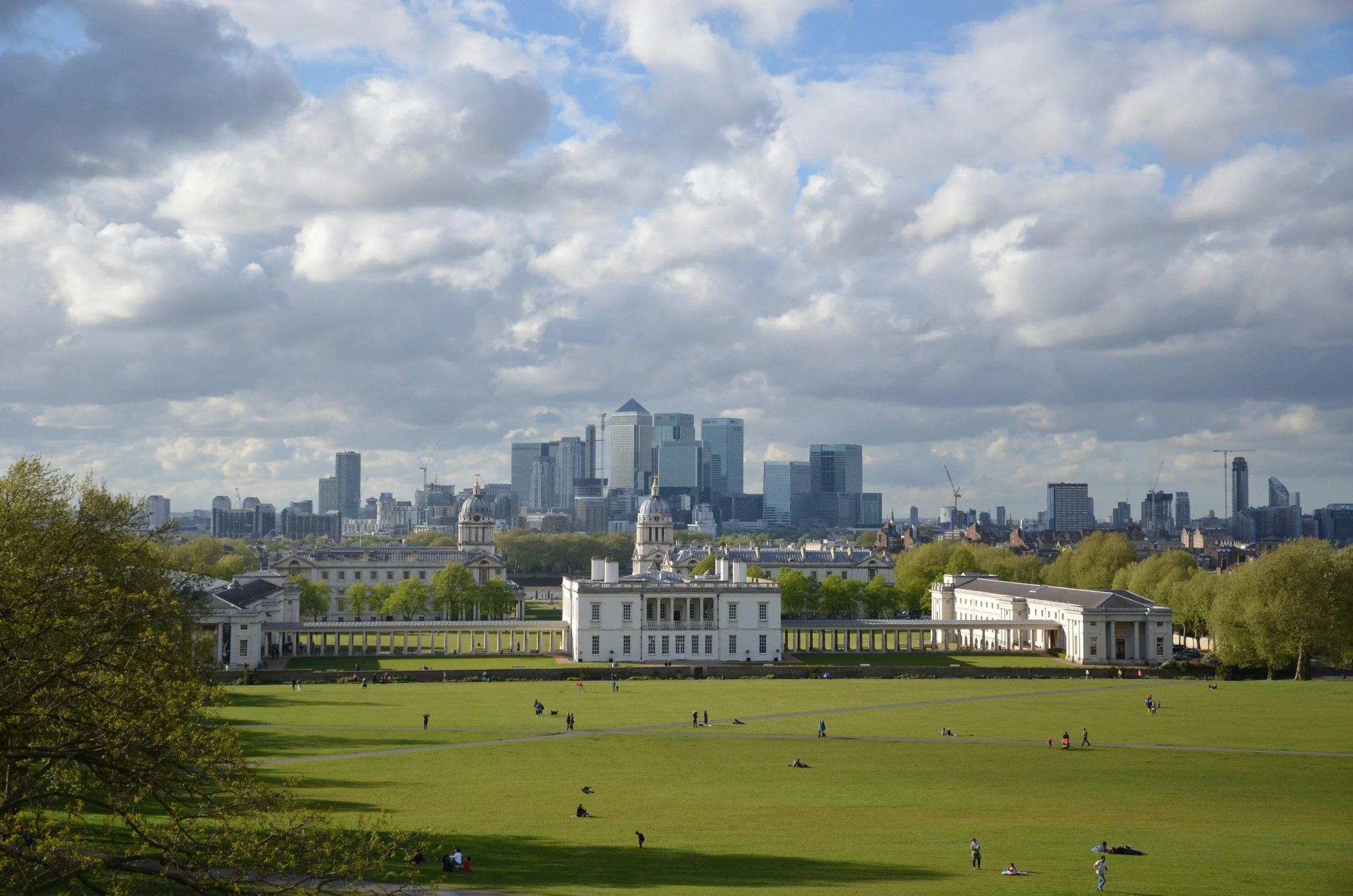
Greenwich offers a landscape that is both historical and horticultural.
The Historical Context: Greenwich is home to the Royal Observatory (the location of the Prime Meridian) and the Old Royal Naval College. It is the birthplace of Tudor Kings and Queens, and its landscape reflects that grandeur.
The Spring Spectacle: The true draw in late March and April is the "Cherry Blossom Avenue." A path near the Ranger's House is lined on both sides with Prunus 'Kanzan' trees, creating a spectacular, near-perfect tunnel of dense, pink blossom that arches over the walkway.
Image of the pink cherry blossom tunnel in Greenwich Park
Strategic Insight: For the best uncrowded photography, arrive at the avenue before 9:00 AM on a weekday. The light from the rising sun illuminates the blossom perfectly against the background of the Maritime Greenwich skyline.
2. Regent’s Park: The Architecture of Bloom
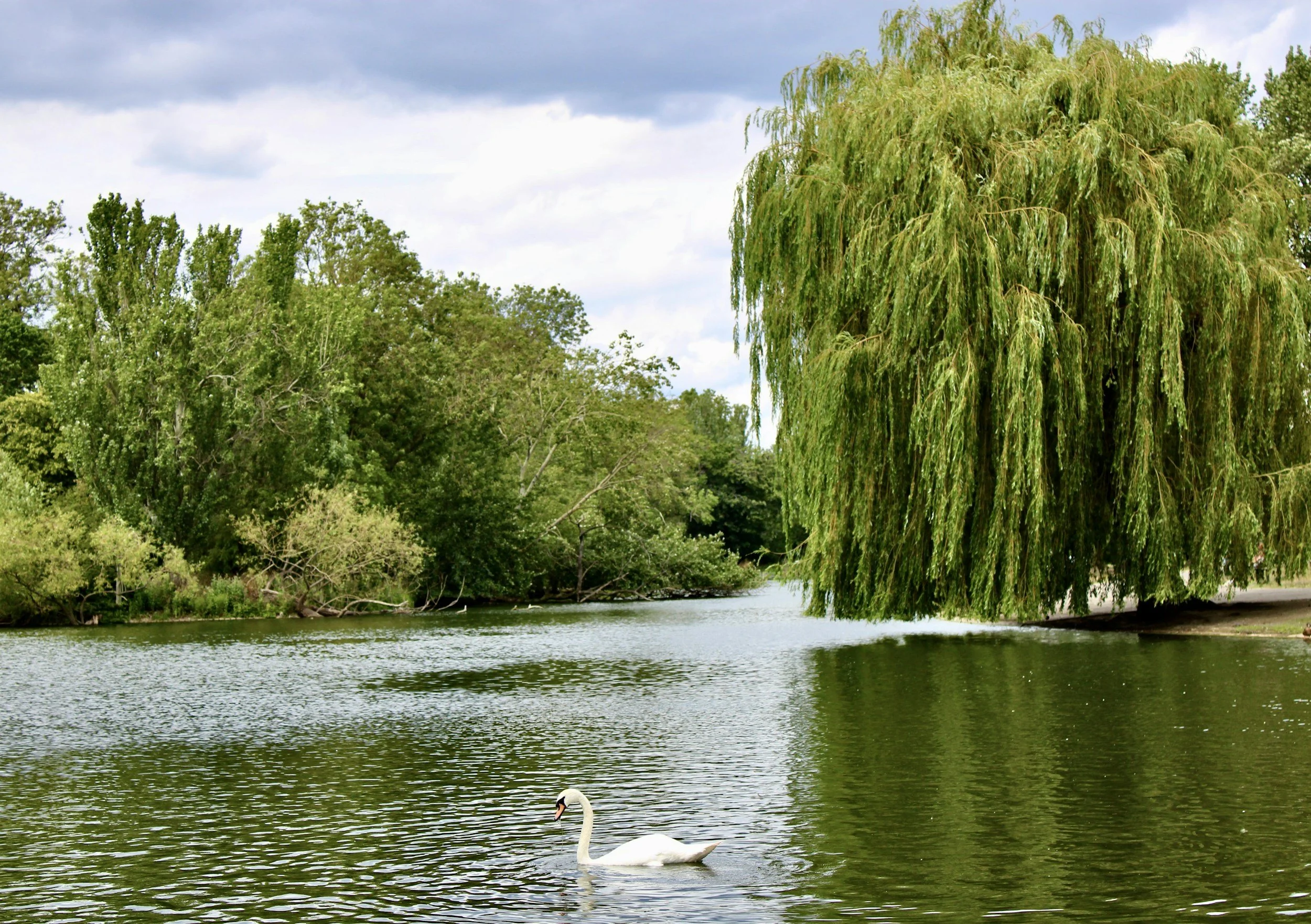
Designed by John Nash in the early 19th century, Regent’s Park is a masterclass in combining elegant Georgian architecture with formal landscape design.
The Feature: In spring, the park’s formal avenues become a tactical target for blossom spotters. The area around Queen Mary’s Gardens is a highlight. Look for the white and pale pink cherry blossoms that frame the Trigon Road entrance, contrasting vividly with the yellow of the early-season daffodils.
The Canal View: The park borders the Regent's Canal. A spring walk along the towpath toward Little Venice offers a different perspective, with Wisteria climbing the backs of the elegant canal-side mansions.
3. St. James’s Park and the "Sea of Daffodils"

This is the most "Royal" of London’s green spaces, nestled between Buckingham Palace, The Mall, and Whitehall.
The Spectacle: For the definitive "London Spring" image, visit St. James’s Park in March. The landscape transforms into a breathtaking "sea of daffodils," with hundreds of thousands of yellow blooms covering the grassy banks.
The Frame: The daffodils frame iconic views of Buckingham Palace to the west and the fairy-tale turrets of Horse Guards Parade and the London Eye to the east. The St. James’s Park Blue Bridge is the ideal vantage point for this visual convergence of Royal history and urban nature.
4. The Private Squares of Notting Hill and Chelsea
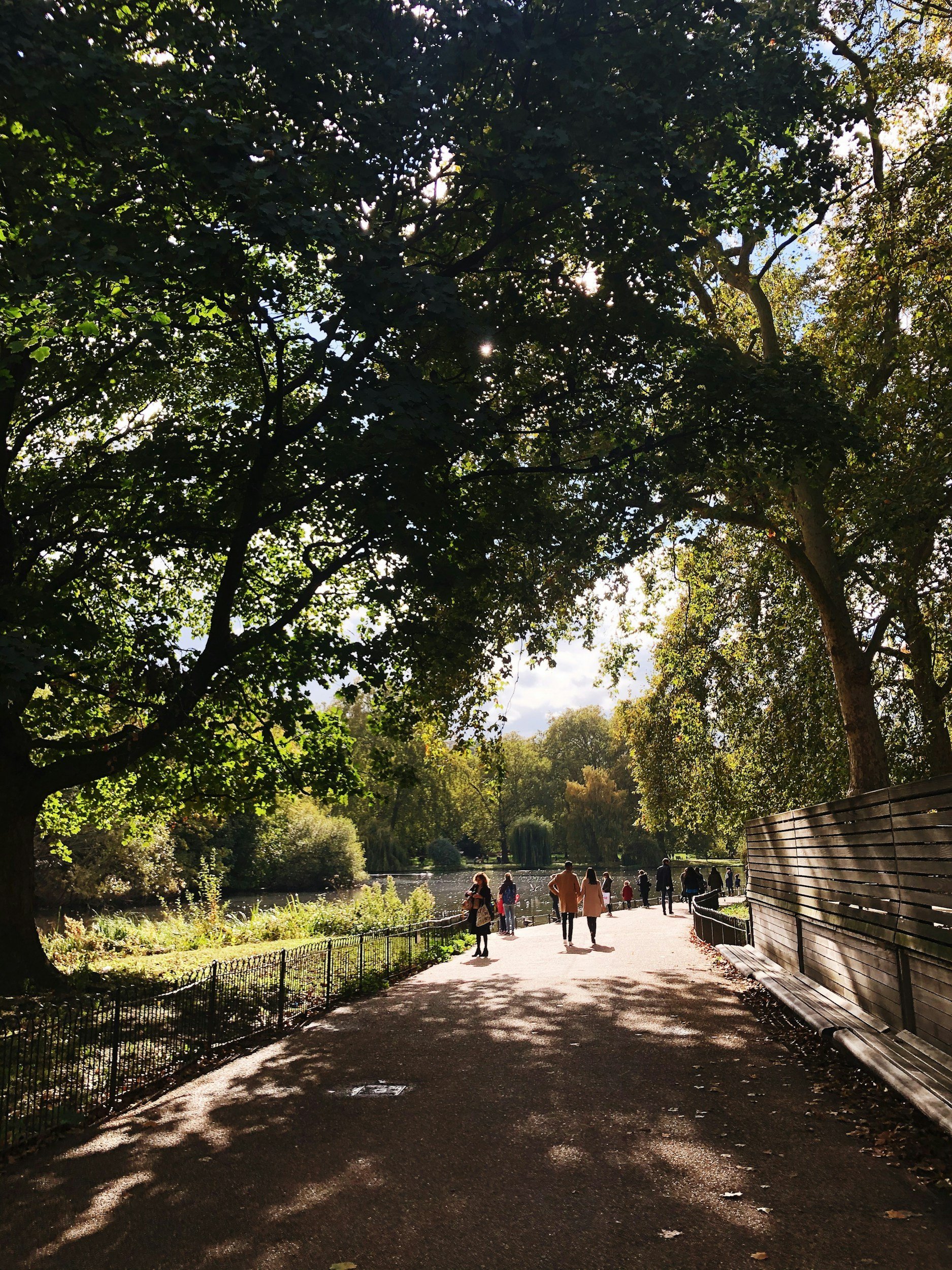
Some of London's most beautiful spring landscapes are technically private, but they offer unparalleled views from the public street.
The Magnolia and Cherry Watch: In late March and early April, Notting Hill becomes a pilgrimage site. The pastel-colored houses of Portobello Road and Westbourne Grove are adorned with a landscape of ancient White Magnolias and flowering Cherry trees.
The Secret Garden View: In Chelsea, squares like Ladbroke Square Gardens (one of the largest private gardens in London) reveal their internal spring beauty. The view from the public boundary shows ancient trees in full bloom, offering a glimpse into the secluded landscape of residential London.
5. Chelsea Physic Garden: The Living Archive
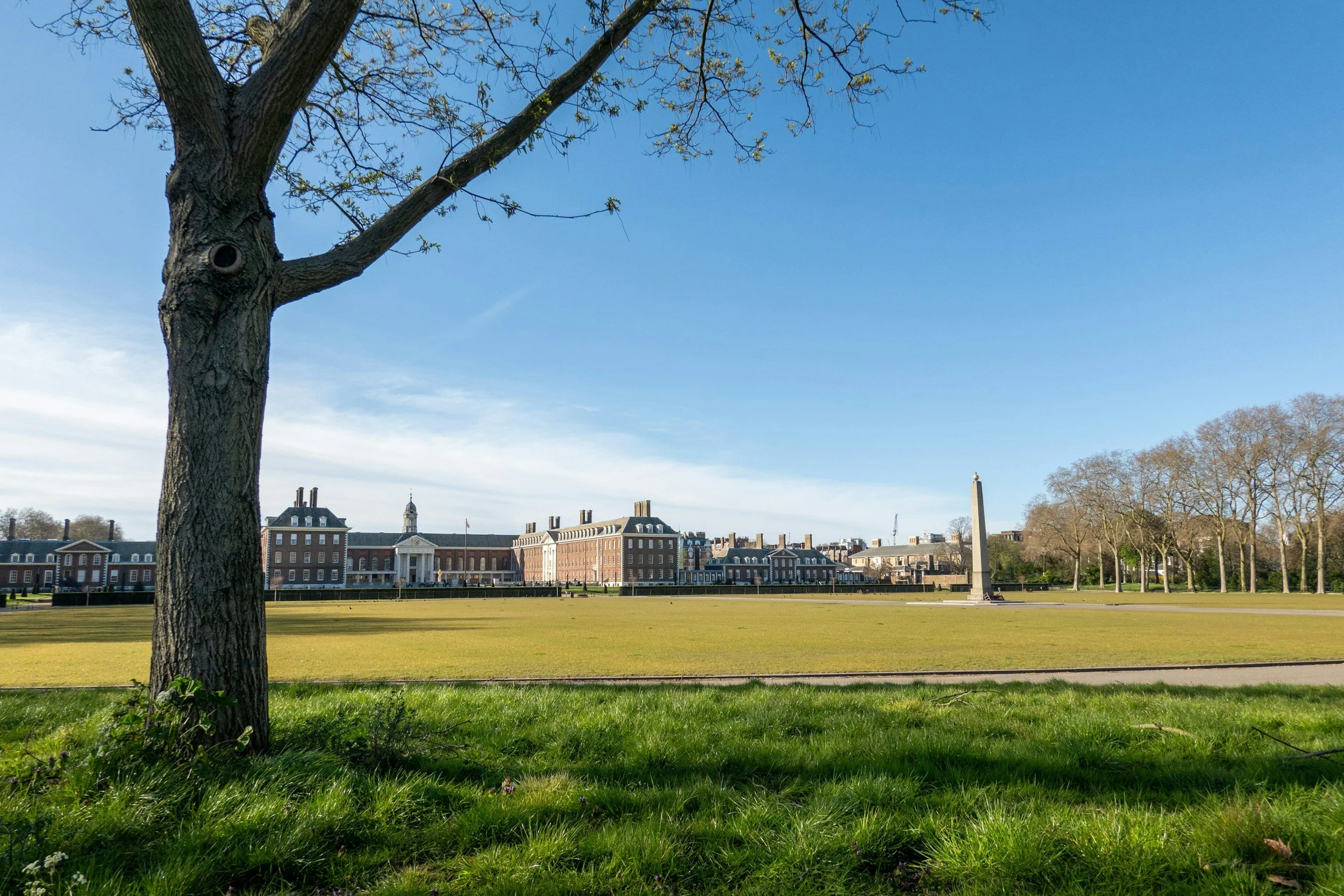
Founded in 1673 by the Worshipful Society of Apothecaries, this is London's oldest botanical garden.
The Experience: Situated near the River Thames, this is a tactical location for anyone interested in the science of spring. It houses one of the most diverse collections of medicinal, edible, and useful plants in the world.
The Spring Speciality: In spring, the garden’s historical greenhouses and borders come alive. It is the best place in London to see rare species of Hellebores, Camellias, and historical tulips (including many that reflect the "Tulip Mania" era of the 17th century).
🧭 Specialized Tips for the 2026 Explorer
The "Micro-Timing" Strategy: Blossom in London is highly localized. A single cold week can delay a peak by 10 days. Check the official #BlossomWatch and local "London Gardeners" Instagram accounts for real-time updates on which specific streets and parks are peaking during your visit.
The "Picnic and Wisteria" Combination: If you visit in late April or May, the magnolias are gone, but the Wisteria arrives. For the definitive Wisteria view, visit Kynance Mews in South Kensington. Combine this with a picnic lunch from Whole Foods or Planet Organic and a walk through the nearby Hyde Park.
Free and Hidden Alternatives: If the main Royal Parks are too busy, explore the Hampstead Heath Percolator (for spectacular climbing roses and city views) or the Kyoto Garden in Holland Park (for a tactical Japanese aesthetic without the crowds).
-
Yes. All eight Royal Parks in London (Greenwich, Regent’s, St. James’s, Hyde, Green, Richmond, Bushy, and Brompton Cemetery) are free for the public to enter year-round.
-
This is the most critical question. Generally:
March: Magnolias, Hellebores, and early-season white blossoms (Prunus cerasifera).
April: The main "Sakura" peak. Pink Kanzan cherries, almond blossom, and mid-season tulips.
May: Late-season cherry, Wisteria, and the Chelsea Flower Show (the official start of summer).
-
Yes. Unlike the Royal Parks, the Chelsea Physic Garden is an independent charity. It requires a paid ticket, which is an investment in the conservation of this historic collection.
