
London Travelcard Zones: Mastering the Geography of Capital Transit
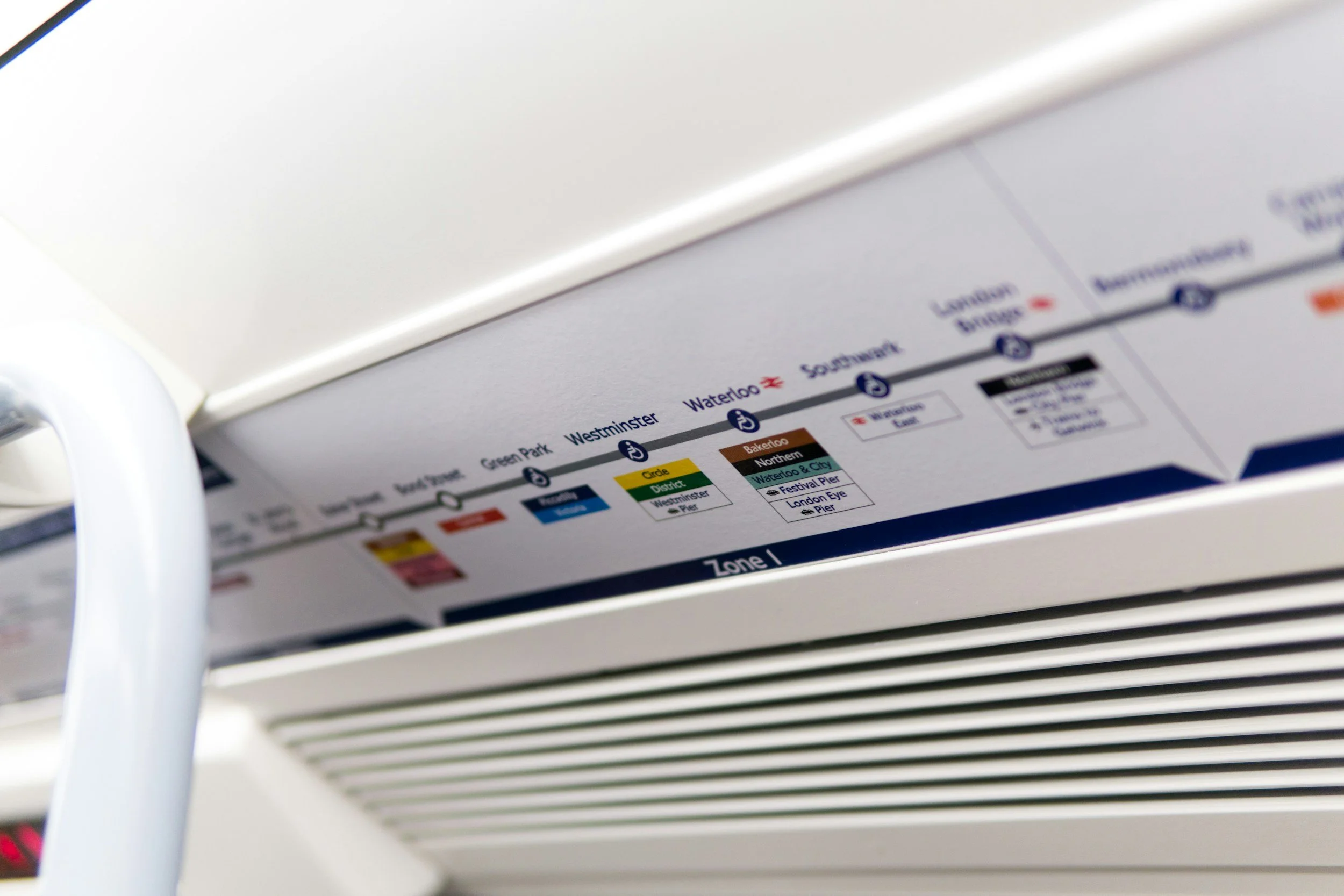
The Concentric Map: Understanding the Six-Zone System
To navigate London effectively, one must first understand the city’s concentric "onion" of transport zones. Most of London’s iconic landmarks are concentrated in the center, but the city's transport network expands far into the suburbs and even into the surrounding home counties.
For the Explorers Insight reader, understanding the zones is not just about geography—it is about cost-efficiency. In 2026, the price of your journey is determined by how many zones you cross, making a grasp of the map essential for any budget-conscious traveler.
Defining the Zones: From the Center to the Suburbs
London is divided into nine zones, though most visitors will primarily interact with Zones 1 through 6.
Zone 1: The ultra-central core. This includes the West End, the City of London, and most major museums and historical sites.
Zone 2: The inner-city ring, encompassing vibrant neighborhoods like Camden Town, Brixton, and Canary Wharf.
Zones 3–6: These zones move progressively outward into the residential suburbs and eventually reach locations like Heathrow Airport (Zone 6).
Zones 7–9: These cover specific areas outside Greater London, such as parts of Hertfordshire and Buckinghamshire.
Strategic Choice: Matching Your Travelcard to Your Journey
When purchasing a London Travelcard, you must select the specific zones you intend to visit.
Zones 1–2: Ideal for tourists staying in the center who plan to visit major attractions like the Tower of London or the Southbank.
Zones 1–4: Perfect for those exploring further afield to sites like Highgate Cemetery or the Wimbledon Lawn Tennis Museum.
Zones 1–6: Necessary for those traveling to or from Heathrow Airport or visiting the historic Hampton Court Palace.
🧭 Strategic Insights: The "Out-of-Zone" Bus Rule
The true value of the London Travelcard lies in a little-known rule regarding bus travel. While your Travelcard restricts you to specific zones on the Tube and rail networks, all Travelcards include unlimited travel on London Buses throughout all zones. This means even if you have a Zone 1–2 Travelcard, you can hop on a bus and travel all the way to Zone 6 without any additional charge. For the explorer, this provides a "backdoor" to see the leafier parts of the city at no extra cost. To maximize your budget, always check if your destination is on the "border" of a zone; walking five minutes from a Zone 3 station to a Zone 2 station can often save you significant money on your daily cap or ticket price.
-
Yes, as long as your Travelcard covers the zones you are traveling through. For a trip from Central London to Heathrow, you would need a Travelcard covering Zones 1–6.
-
There is no "admission fee" to enter a zone, but the price of your Travelcard increases as you add more zones. A Zone 1–6 Travelcard is significantly more expensive than a Zone 1–2 ticket.
-
Inside Zone 1, you will find the National Gallery and Big Ben. Moving into Zone 2, you can visit the Cutty Sark in Greenwich or the street art of Shoreditch.
-
Yes. The Docklands Light Railway (DLR) operates within the same zone system, providing easy access to the London Excel center and the Greenwich Peninsula.
