
The 5 Essential Truths of London for 2026
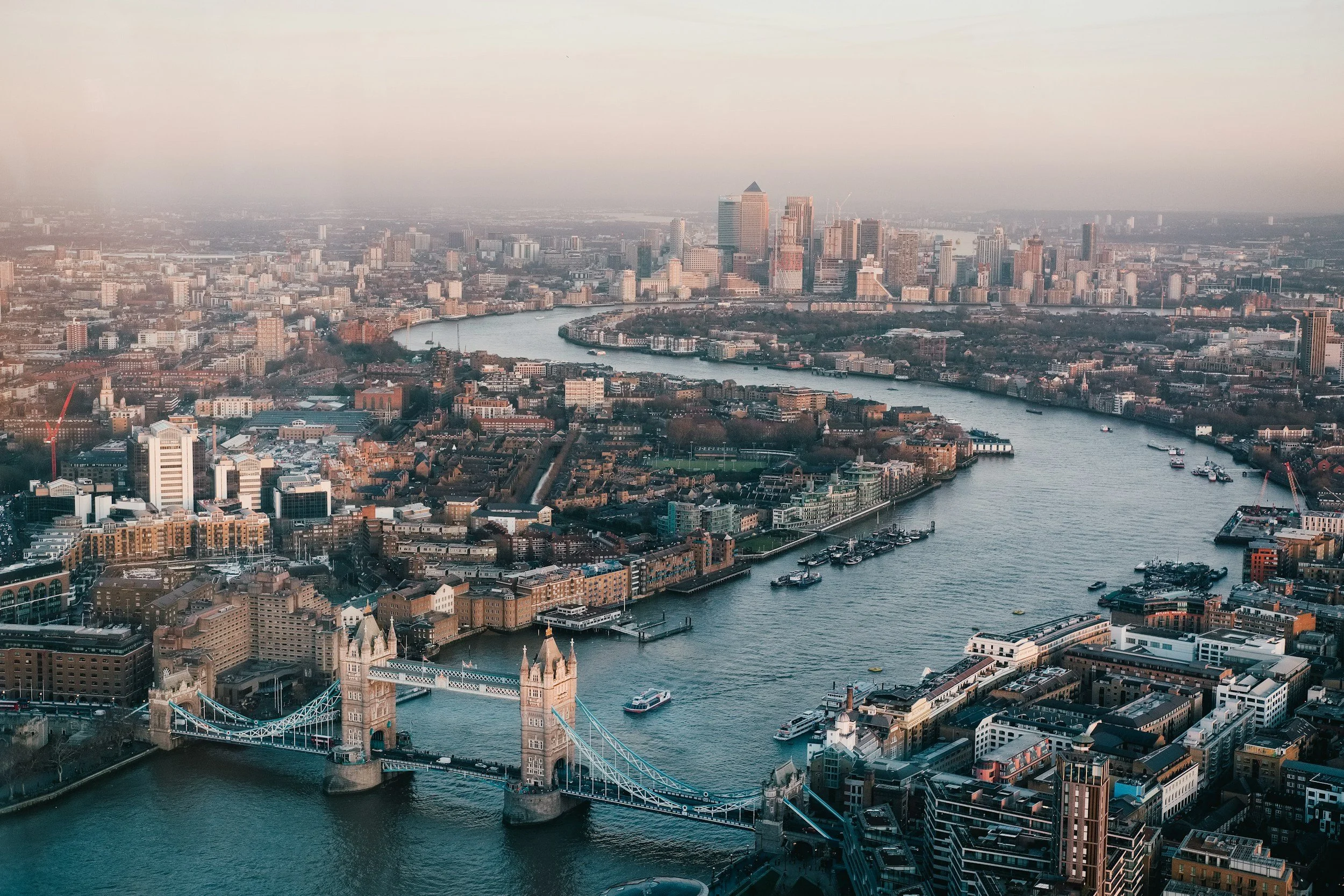
Welcome to London. Whether you have just stepped off the Heathrow Express, arrived at St. Pancras International, or are planning your dream trip from afar, you are about to navigate one of the most complex, historic, and rewarding cities on Earth.
London is not a city that reveals itself easily to the casual observer. It is a sprawling metropolis of 32 distinct boroughs, thousands of years of layered history, and a culture that is simultaneously reserved and explosive. In 2026, the city is faster, more technological, and more focused on sustainable heritage than ever before.
At Explorers Insight, we specialize in the "deep dive"—peeling back the layers of the landmarks to find the true soul of the place. Before you start your bespoke journey, there are five fundamental truths about London you must understand. These are not merely travel tips; they are the keys to decoding the city and exploring like a seasoned expert.
1. Mastery of the Maze: The Geography of Navigation
The first mistake many explorers make is trusting their eyes over their maps. London is not a grid city like New York or Chicago. It is a collection of medieval villages that grew together over centuries, connected by winding, ancient Roman pathways.
The Truth: Walk Whenever Possible.
Yes, the London Underground (The Tube) is legendary. In 2026, with the full integration of the Elizabeth Line and the new "Thames Link-Up," it is incredibly efficient. However, if you rely solely on the Tube, you miss the entire story.
The geography of central London is deceptively walkable. Often, stations that appear far apart on the distorted Tube map (like Covent Garden and Leicester Square) are a mere three-minute stroll. More importantly, walking is where the real "insight" lies. It’s how you find the 14th-century pub tucked behind a modern glass spire, or the blue plaque marking the home of a famous author.
Explorers Insight: When you do need transport, use the Thames as your compass. The river always flows east, toward the sea. Almost all major historic landmarks sit on or near the north bank. If you are lost, find the water, check its flow, and you will know exactly where you are.
2. The Unspoken Code: Decoding London Etiquette
Londoners (locals who work and live in the capital) are some of the most efficient commuters on the planet. They are not rude, but they are focused. To navigate the city without causing friction, you must understand their unspoken rules.
The Truth: Efficiency is Politeness.
The most famous rule is non-negotiable: Stand on the right. This applies to every escalator in the Tube and many railway stations. The left side is for those walking up the moving staircase. Blocking the left side is the single easiest way to signal you are a tourist and invite a stern, "Excuse me, please."
Furthermore, London runs on contactless payment. Since 2023, the old physical "Oyster Card" has been almost entirely replaced by tapping your own bank card or mobile phone (Apple Pay/Google Pay). Have your payment ready before you reach the yellow card reader at the barrier. Fumbling for your wallet while a queue of thirty people builds behind you is considered peak inefficiency.
Finally, respect "The Queue." British people have a semi-sacred relationship with lining up. Never, ever cut the line—whether it’s for a bus, a museum, or a market stall. Wait your turn patiently; it is the cornerstone of British civility.
3. Beyond the Postcard: Timing and Transparency with Landmarks
London has some of the world’s most iconic sights: Buckingham Palace, the Tower of London, and St. Paul's Cathedral. They are popular for a reason—they are spectacular. However, in 2026, seeing them requires a strategic approach.
The Truth: Book Everything in Advance (And Timing is Everything).
Post-pandemic travel cemented a new reality: "spontaneous entry" is dead. Nearly every major museum, historic site, and ticketed viewpoint requires a pre-booked time slot. If you turn up at the Tower of London at 11:00 AM without a ticket, you will either face a three-hour line or be turned away.
However, the "insight" is knowing when to go. We always recommend scheduling your "Must Sees" for the absolute first slot of the day (usually 9:00 AM or 10:00 AM). By 1:00 PM, the atmosphere changes, the crowds peak, and the experience becomes diluted.
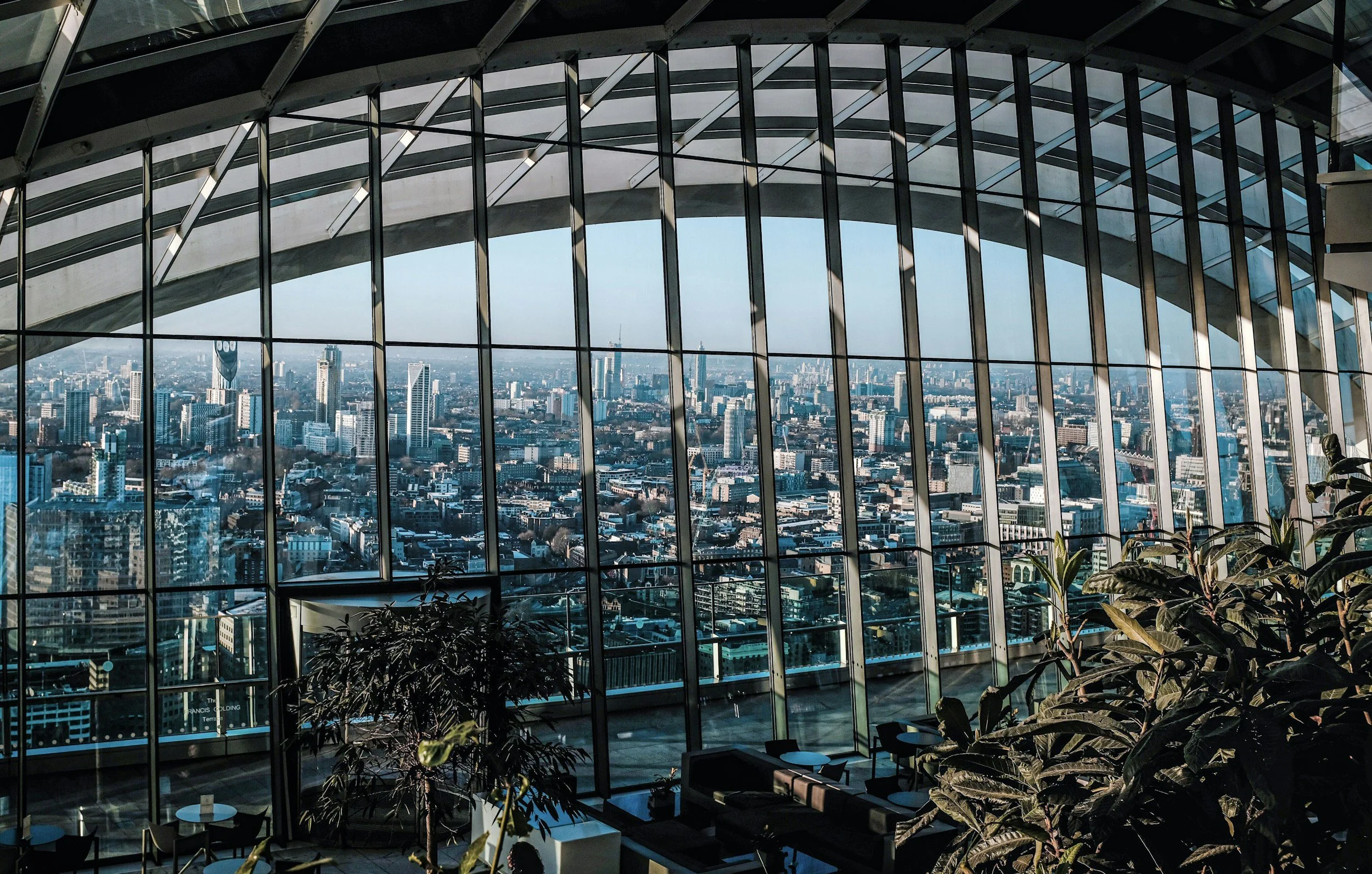
A Tale of Two Views (2026 Context): If you are deciding on a viewpoint, consider the "brand." We have previously discussed the magnificent, jagged pinnacle of The Shard. In 2026, it remains the ultimate "luxury view" (book for Golden Hour, the hour before sunset). However, if your budget is tight, book a free slot at the Sky Garden across the river. It offers a spectacular, botanical-filled viewpoint of the city without the entry fee—but you must book it exactly three weeks in advance.
4. Mastery of the Elements: Layering is Not a Cliché
London’s weather is notoriously fickle. It is not necessarily as rainy as the stereotypes suggest, but it is erratic. It can move from blistering, humid sunshine (especially in the concrete heat of central London) to a sharp, wet chill in an afternoon.
The Truth: The "British Layer" is a Practical Requirement.
Do not rely on a single heavy coat, even in winter. The standard uniform for a seasoned explorer is layering. You need a base layer, a warm mid-layer (like a light wool sweater or fleece), and crucially, a high-quality, packable, waterproof outer shell. A small, strong umbrella is helpful, but the wet "London Mizzle" is often best managed by a good hood.
Furthermore, invest in footwear. We are a heritage walking tour brand; we cannot stress this enough. London is a city built on uneven pavement and 18th-century cobblestones. You will easily walk 15,000 to 20,000 steps a day. Fashionable boots may look great in your Shard photos, but if you want to complete the 2.5-mile West London Heritage Trail, you need practical, broken-in walking shoes.
5. Gastronomy Decoded: Markets Over Restaurants
The final, dated stereotype about London is that the food is terrible. Today, London is arguably the culinary capital of the world, boasting a diversity of authentic cuisine that rivals any other global city. However, the true food "must know" of 2026 isn't about Michelin stars; it’s about the markets.
The Truth: London’s Best Food is on the Street.
The 2026 explosion of "Gastronomy Markets" has redefined how we eat in the capital. While Borough Market (near The Shard) remains the grand, historic standard, it is often overwhelming. Explorers in the know look elsewhere.
Head to markets like Seven Dials Market in Covent Garden, Mercato Mayfair (housed in a spectacular deconsecrated church), or Borough Market Kitchen (the newly expanded street-food arm of the main market). These "food halls" allow a group of travelers to try multiple world-class dishes in a single setting—from Venezuelan arepas and Taiwanese bao buns to the ultimate classic British Sunday Roast, often for half the price of a seated restaurant.
For a true "insight" experience, skip the generic high-street chains (like Pret A Manger) and find an independent café or market stall for lunch. You support local business and get a genuine taste of London's modern culinary soul.
