
The Metroland Legacy: Decoding the Architectural Fringe of the London Outskirts
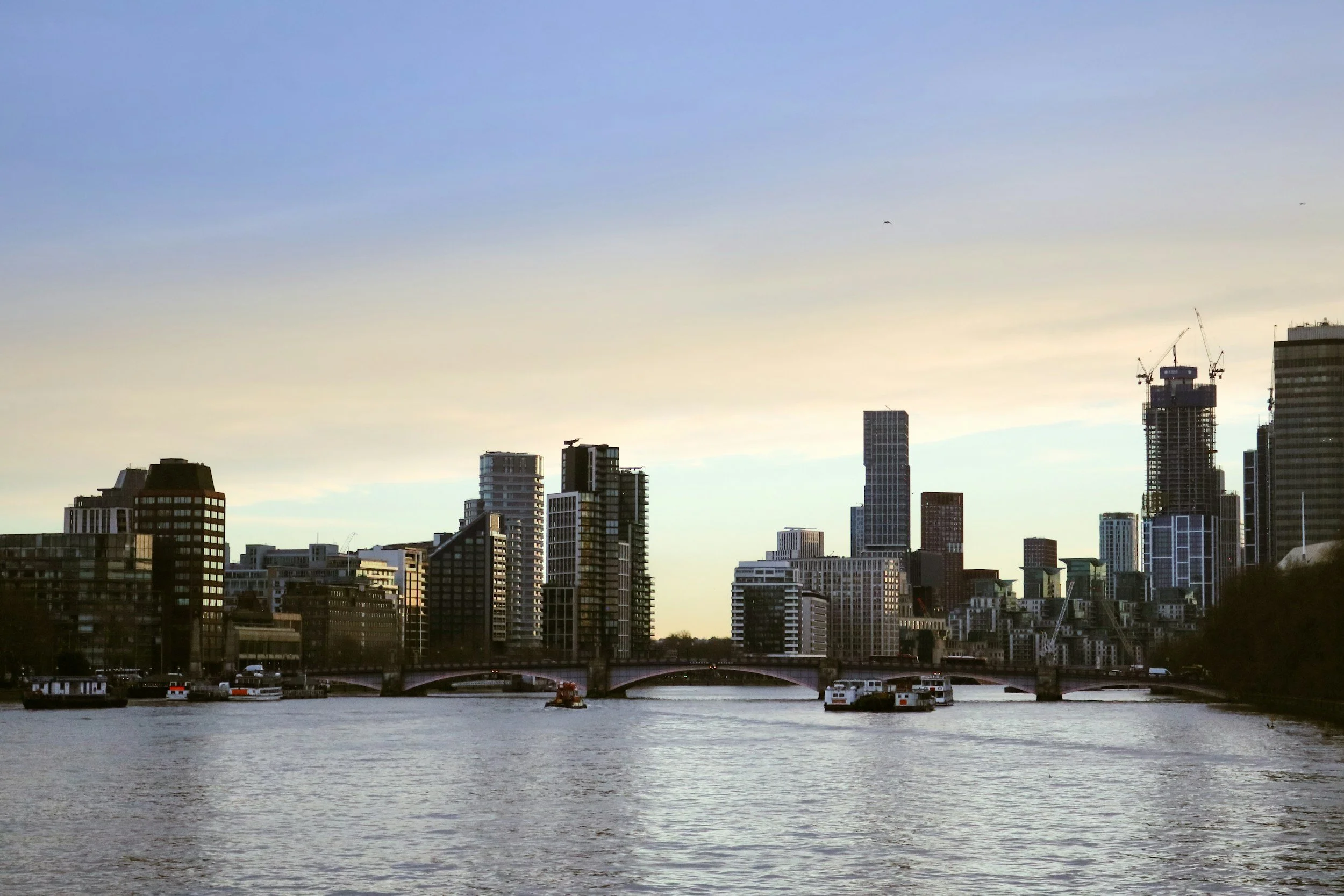
To the casual traveler, the outskirts of London represent a blur of commuter rail stations and suburban sprawl. However, for the Explorers Insight reader, these peripheral zones are where the city’s identity is most fiercely contested. The outskirts are defined by a 2,000-year-old tension between the relentless expansion of the metropolis and the stubborn preservation of the "Green Belt"—an invisible wall that serves as the city’s ecological lung.
In 2026, navigating the fringe of the capital requires a shift in perspective. You are not just visiting a suburb; you are exploring a "liminal space" where Victorian engineering meets the ancient woodland of the Home Counties.
1. The Richmond View: Landscapes Protected by Law
Richmond is often cited as the crown jewel of the outskirts of London, but its true historical value lies in its legal status. The view from Richmond Hill is the only landscape in the United Kingdom specifically protected by an Act of Parliament (The Richmond, Ham and Petersham Open Spaces Act of 1902).
The Insight: When you look out over the Thames from the terrace, you are seeing a vista that has remained fundamentally unchanged for over a century. This isn't an accident of nature; it is a victory of early conservationist lobbying against the Victorian building boom.
Architectural Contrast: Study the transition from the grand Palladian villas like Ham House to the red-brick Victorian terraces. This area was the original "commuter" retreat for the 18th-century elite who wanted to escape the smog of the City without losing their proximity to the court.
2. Epping Forest: The "People’s Forest" of the East
On the northeastern fringe lies Epping Forest, 6,000 acres of ancient woodland that served as a royal hunting ground from the 12th century.
The Insight: The forest exists today because of a landmark legal battle in 1882. Queen Victoria declared it "The People's Forest" after the City of London Corporation fought to prevent local landowners from enclosing the land for development.
Unique Feature: Look for the pollarded trees. For centuries, commoners had the right to "lop" wood for fuel, leading to trees with unnaturally thick trunks and high, bushy canopies—a living record of medieval labor laws written into the timber itself.
3. The Tudor Fringe: Hampton Court and the Baroque Divide
Located on the southwestern outskirts, Hampton Court Palace provides a physical masterclass in "architectural schizophrenia."
The Insight: The palace is split almost perfectly down the middle. One half is the dark, intricate red-brick Tudor world of Henry VIII; the other is the gleaming, symmetrical Baroque palace designed by Christopher Wren for William III.
The 2026 Perspective: In the outskirts, space allowed for these massive horizontal expansions that were impossible in the cramped quarters of Central London. Hampton Court is a testament to the "Outskirts as a Playground"—where monarchs could build without the constraints of city walls.
4. The Metroland Experiment: The Birth of the Modern Suburb
Perhaps the most significant historical layer of the outskirts of London is "Metroland." This was a 1920s marketing dream created by the Metropolitan Railway to encourage Londoners to move to the lush hills of Middlesex and Buckinghamshire.
The Insight: The suburbs of Wembley, Harrow, and Amersham weren't built by the government; they were built by a railway company. This era created the "mock-Tudor" aesthetic that defines the British suburban identity.
Hidden Detail: Seek out the "Metro-Land" houses—identifiable by their steep gables and leaded windows. They were sold as "a little bit of the country within reach of the city," a sentiment that still dictates the property market in 2026.
"The outskirts of London are not the end of the city, but the beginning of its conscience—a place where the urban appetite for growth meets the English obsession with the countryside."
🧭 Strategic Explorer's Tips
The "Green Belt" Hike: In 2026, the London Loop (a 150-mile walking route around the city's edge) has seen a resurgence. Focus on Section 12 (Uxbridge to Harefield) to see the transition from industrial canals to rural valleys.
The Golden Hour on the Hill: Visit the Star and Garter home at the top of Richmond Hill at sunset. The way the light hits the bend in the Thames explains why J.M.W. Turner and Sir Joshua Reynolds spent decades trying to capture this specific coordinate of the outskirts.
