
Titanic Exhibition in London: A Deep Dive into Maritime History and Human Stories
The Resurrection of an Unsinkable Legend in the Heart of the Capital
The story of the RMS Titanic continues to captivate the global imagination, transcending generations with its blend of Edwardian opulence and profound tragedy. For those visiting the capital, a Titanic exhibition in London offers more than just a history lesson; it provides a visceral connection to the 2,224 souls who set sail in April 1912.
In the London of 2026, these exhibitions have evolved, moving beyond mere glass-case displays to create fully immersive environments that use cutting-edge technology to bridge the gap between the past and the present.
What to Visit Inside: From the Grand Staircase to the Boiler Room
Most major Titanic exhibitions in London are designed to take you on a linear journey, mirroring the timeline of the ship’s ill-fated maiden voyage.
The Boarding Pass Experience: Upon entry, visitors are often handed a replica boarding pass containing the name and biography of a real passenger. This personal connection remains the emotional anchor of the visit.
Full-Scale Reconstructions: Walk through meticulously recreated interiors, including the Grand Staircase, the cramped third-class berths, and the lavish first-class suites. The contrast in craftsmanship highlights the rigid social hierarchies of the era.
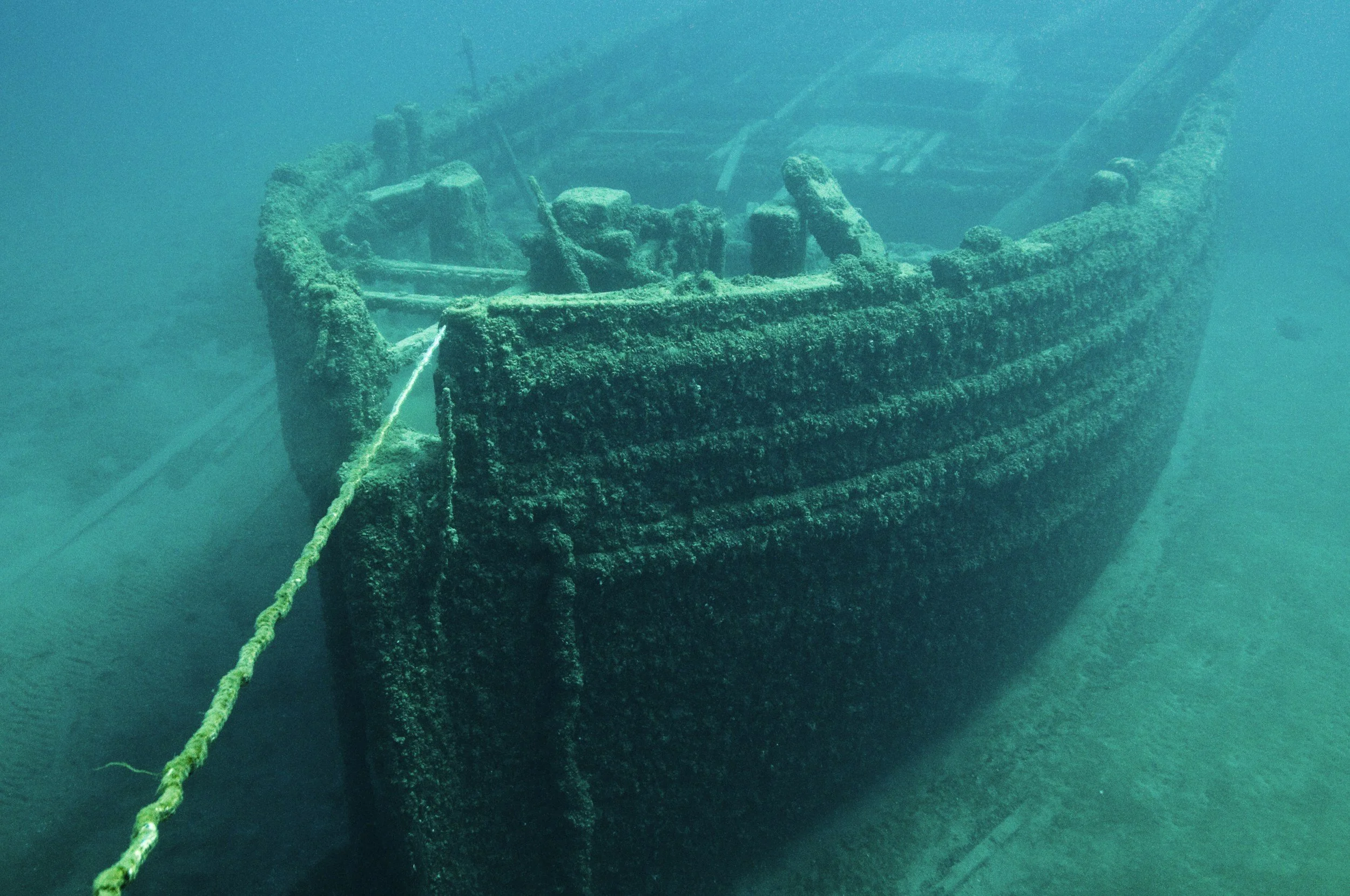
Recovered Artifacts: View haunting everyday items recovered from the debris field 12,500 feet below the North Atlantic. From perfume bottles that still retain their scent to leather boots and delicate china, these objects offer a silent testimony to the lives lost.
The "Big Iceberg": Many exhibitions include a chilled "ice wall" that visitors can touch, maintained at the exact temperature of the water on the night of April 14, 1912, to simulate the freezing conditions faced by the passengers.
🧭 Strategic Insights: Timing and Discovery
The true value of a Titanic exhibition in London is found in the quiet details. To avoid the largest crowds, we recommend booking a mid-week morning slot. This allows for a more contemplative experience, particularly in the "Memorial Gallery," where the names of the lost and saved are displayed.
For the Explorers Insight reader, the key is to look for the "London connection." Many of the ship’s crew and passengers hailed from the city's East End and surrounding boroughs. To maximize your historical day out, consider pairing the exhibition with a visit to the National Maritime Museum in Greenwich, which houses further technical records of the White Star Line. Always check if the exhibition offers a "late-night" opening; seeing the artifacts under low, atmospheric lighting adds a layer of solemnity that is often lost during busy daytime hours.
-
Locations can vary as many are touring productions. Common venues include the Docklands area or major exhibition centers like Dock X in Southwark. Always verify the current venue on your ticket before traveling.
-
Yes, these are typically ticketed events. Prices generally range from £20 to £30 for adults, with discounts available for students, seniors, and families. Pre-booking is highly recommended as weekend slots often sell out weeks in advance.
-
On average, visitors spend between 90 minutes and 2 hours exploring the galleries. Most exhibitions include an audio guide, which is included in the ticket price or available for a small additional fee.
-
While the subject matter is tragic, the exhibitions are generally designed to be educational and family-friendly. However, the "Sinking Gallery" can be quite immersive and may be intense for very young children.
