
Why London Buses Are Red?
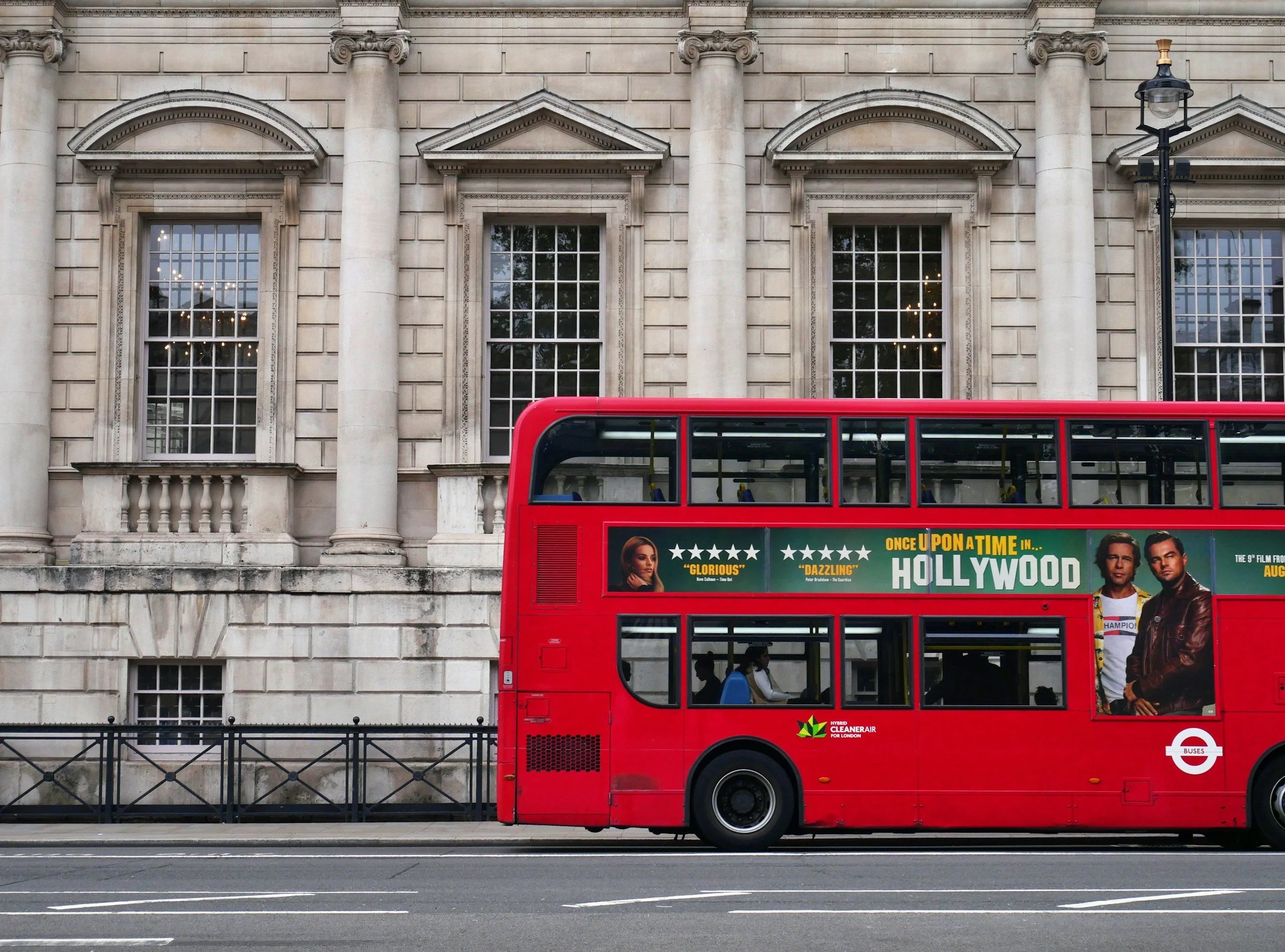
The London General Omnibus Company: A Stroke of Strategic Branding
In a city defined by its historic landmarks, few symbols are as universally recognized as the vibrant red double-decker bus. However, the decision to paint London's fleet in this specific shade—officially known as Pantone 485 C—was not born out of aesthetic preference, but out of a fierce corporate rivalry in the early 20th century.
For the Explorers Insight reader, the story of the red bus is a fascinating case study in early urban branding. Before 1907, London’s transit scene was a chaotic patchwork of independent operators, each painting their buses in different colors to denote specific routes. Navigating the city required a mental map of colors that would baffle even the most seasoned modern commuter.
🧭 Strategic Insights: The Birth of a Transit Icon
The transition from a multi-colored fleet to the singular "General Red" was a masterclass in market dominance. To appreciate the history, we recommend focusing on these three key evolutionary stages:
1. The 1907 Standardization
The London General Omnibus Company (LGOC) was the largest operator in the city. To stand out from its competitors and signal its reliability and dominance, the LGOC decided to paint its entire fleet red. This move was designed to make their buses instantly recognizable from a distance, effectively "claiming" the London streets as their own.
2. The Arrival of the "Routermaster"
While the color was established in 1907, it was the 1950s introduction of the AEC Routemaster that cemented the red double-decker as a global design icon. The deep red finish against the silver hop-on-hop-off platform became the definitive image of London’s post-war resilience and modernity.
3. The Monopoly of 1933
When London Transport was formed in 1933, they inherited the LGOC's red branding. Because red had become so synonymous with the "General" buses, the new authority decided to adopt it as the standard for all central London buses. Interestingly, buses in the surrounding "Country Area" were painted green to distinguish them from the urban fleet—a tradition that lasted for decades.
🧭 Technical Detail: The Red Today
The specific shade used on London buses is a very precise matter. It is a bright, slightly orange-toned red that is chosen specifically for its high visibility in London’s often grey and foggy weather.
Consistency: Every bus in the Transport for London (TfL) fleet must adhere to this exact color specification to ensure brand unity across thousands of vehicles.
The "New Routemaster": Even with the introduction of the sleek, Heatherwick-designed "Boris Bus" in the 2010s, the color remained untouched, proving that while the shape of the bus may change, the red is non-negotiable.
-
Yes. Before 1907, they were painted in various colors (green, yellow, chocolate, and white) to indicate which route they served. The move to red was a deliberate effort to simplify the system for passengers.
-
While 99% of central buses are red, you may occasionally see "wrapped" buses covered in full-body advertisements. Additionally, some heritage routes or special commemorative buses may feature historic liveries, but the standard remains "General Red."
-
While modern buses are the standard, you can still ride the Heritage Route 15, which uses the original 1950s Routemasters between Tower Hill and Trafalgar Square. It is the most authentic way to experience the history of the red bus.
