
The Norwegian Church Arts Centre: A Beacon of Scandinavian Spirit in Cardiff Bay
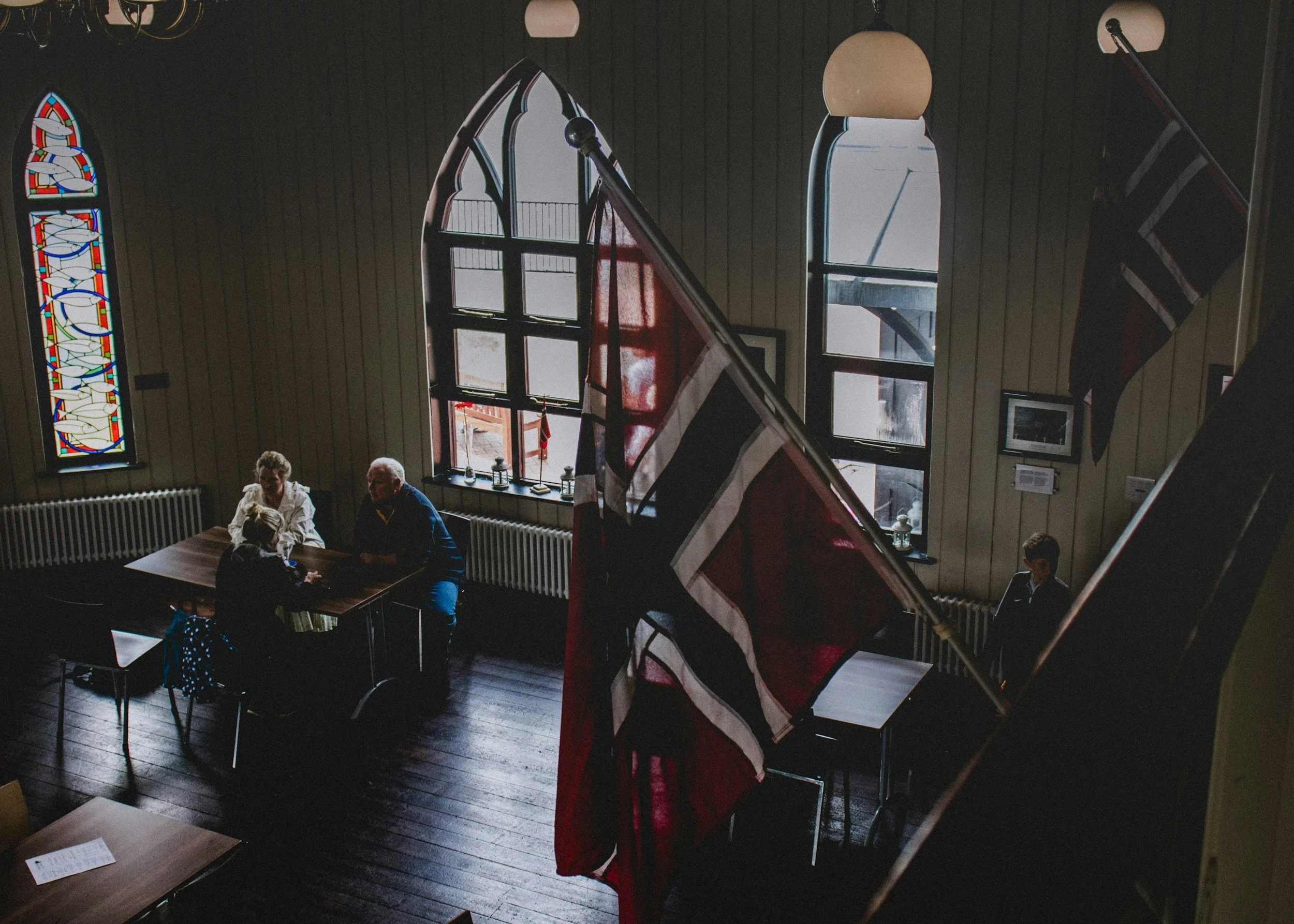
The White Timber Landmark: A Landscape of Faith, Fiction, and Fusion
Gleaming white against the blue waters of the Cardiff waterfront, the Norwegian Church Arts Centre is one of the most evocative structures in the Welsh capital. This iconic timber-clad building serves as a poignant reminder of Cardiff’s maritime past, when the city’s docks were the global epicenter of the coal trade. In 2026, it remains a vibrant cultural sanctuary, having transitioned from a place of worship for Nordic sailors to a premier venue for the arts, live music, and the celebration of Cardiff’s most famous literary son, Roald Dahl.
For the Explorers Insight reader, the Norwegian Church is a tactical study in architectural migration. It is a building that has been moved, deconstructed, and reborn, reflecting the resilient spirit of the "Tiger Bay" community it has served for over 150 years.
🧭 The Deep History: From Norwegian Sailors to Roald Dahl
The story of the Norwegian Church is a timeline of global connection and local preservation.
1. The Mission to Seamen (1868)
During the 19th century, the Norwegian merchant fleet was the third-largest in the world. As Cardiff became the premier port for exporting coal, thousands of Norwegian sailors arrived each year. The church was established in 1868 by the Norwegian Seamen’s Mission to provide a "home away from home," offering spiritual guidance and a landscape of familiarity in a foreign port.
2. The Roald Dahl Connection
The church’s most famous association is with the world-renowned children’s author Roald Dahl.
The Insight: Dahl’s father, Harald, was a co-founder of the church. Roald was baptized here in 1916, and the building remained the center of the family’s social and religious landscape during his childhood.
The Preservation: When the church fell into disrepair in the 1980s, Dahl served as the first President of the Norwegian Church Trust, leading the tactical campaign to save and relocate the building to its current site.
3. The Great Relocation
Originally situated further inland at the West Bute Dock, the church was systematically dismantled and moved to its present harbor-side location in 1992. This move was part of the wider Cardiff Bay regeneration, ensuring that this piece of Scandinavian heritage remained a focal point of the modern waterfront landscape.
🧭 Landmark Features: The Architecture of the North
The Norwegian Church is a masterclass in traditional Scandinavian timber construction.
1. The White Timber Cladding
The building is a rare example of a "flat-pack" structure from the Victorian era. The white-painted wood and distinctive spire are characteristic of the coastal churches found along the fjords of Norway, designed to be easily recognizable from the sea.
2. The Dahl Gallery
Located on the upper floor, the gallery is a dedicated exhibition space that frequently features works by local Welsh and Norwegian artists.
The Experience: It serves as a visual bridge between the two nations, celebrating the shared maritime history and the creative legacy of Roald Dahl.
3. The Norsk Café
The ground-floor café offers a culinary landscape that blends Welsh ingredients with Norwegian traditions.
The Highlight: In 2026, it remains the only place in the Bay where you can enjoy traditional Norwegian waffles or Smørrebrød (open sandwiches) while looking out over the Bristol Channel.
🧭 Specialized Tips for the 2026 Explorer
The "Dahl Day" Strategy: If you are a fan of Matilda or Charlie and the Chocolate Factory, visit on September 13th (Roald Dahl Day). The church hosts specialized events, readings, and a landscape of "whizz-popping" activities that bring the author's world to life.
The Sunset Terrace: The outdoor seating area is a prime tactical location for sunset watching. Because the church sits on a small peninsula, it offers an unobstructed 270-degree view of the Bay, the Barrage, and the Pierhead Building.
Live Acoustic Sessions: Check the monthly schedule for "Fjord Sounds." These intimate acoustic concerts take advantage of the church’s unique timber acoustics, providing a soundscape that is warm, clear, and perfectly suited to folk and classical music.
-
No. While it was consecrated as a Lutheran church for over a century, it was de-consecrated in 1974. It is now managed as an independent arts and community center, though it remains a popular venue for secular weddings and christenings.
-
It is located at Harbour Drive, Cardiff Bay (CF10 4PA), right on the waterfront, halfway between the Senedd and the Cardiff Bay Barrage.
-
Yes. Entry to the main building and the Norsk Café is free. However, specific exhibitions in the Dahl Gallery or evening concerts may require a pre-booked ticket.
