
Bourton-on-the-Water: The "Venice of the Cotswolds" and Its Riverbank Secrets
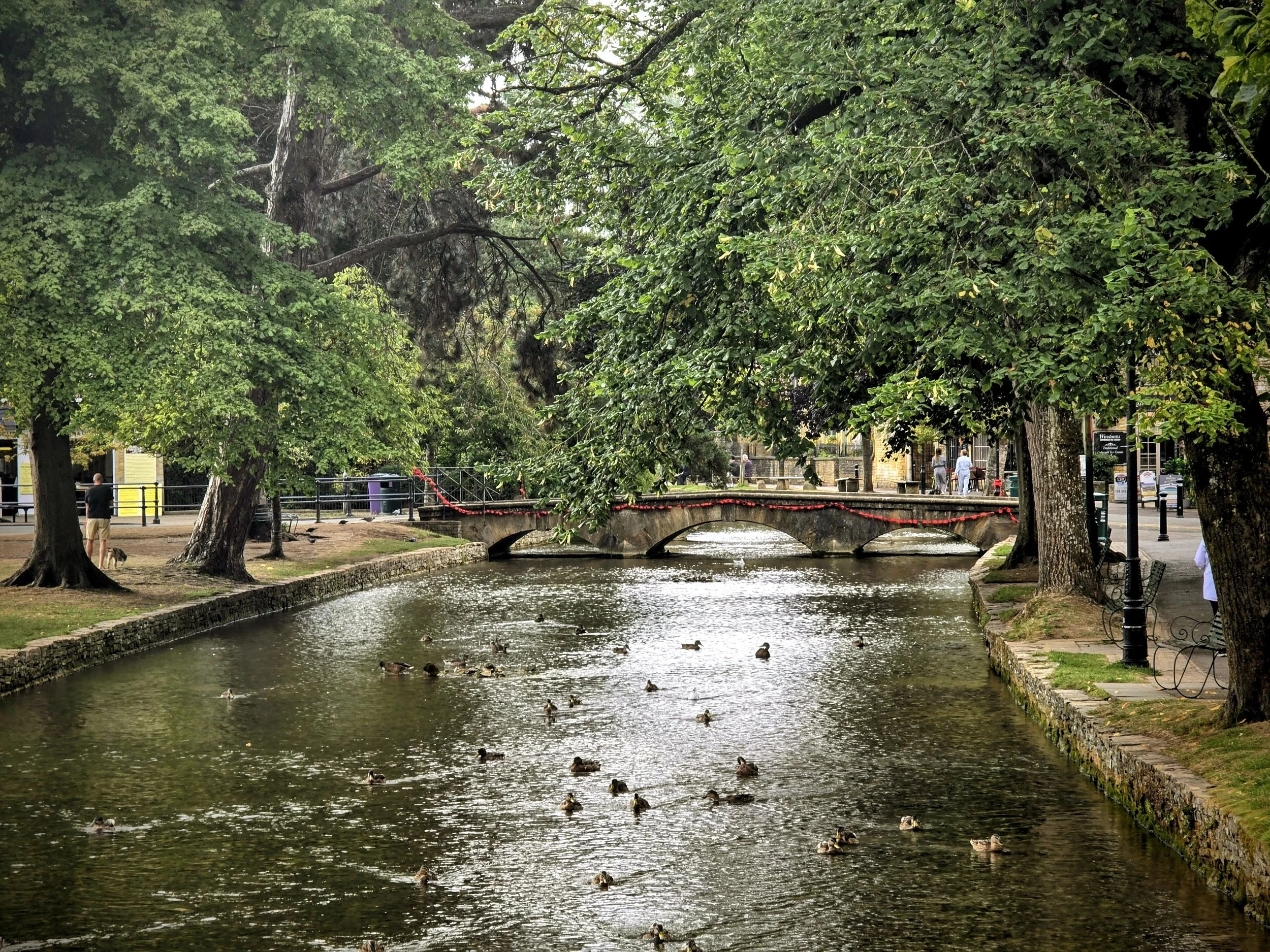
The "Venice of the Cotswolds": A Landscape Shaped by Water
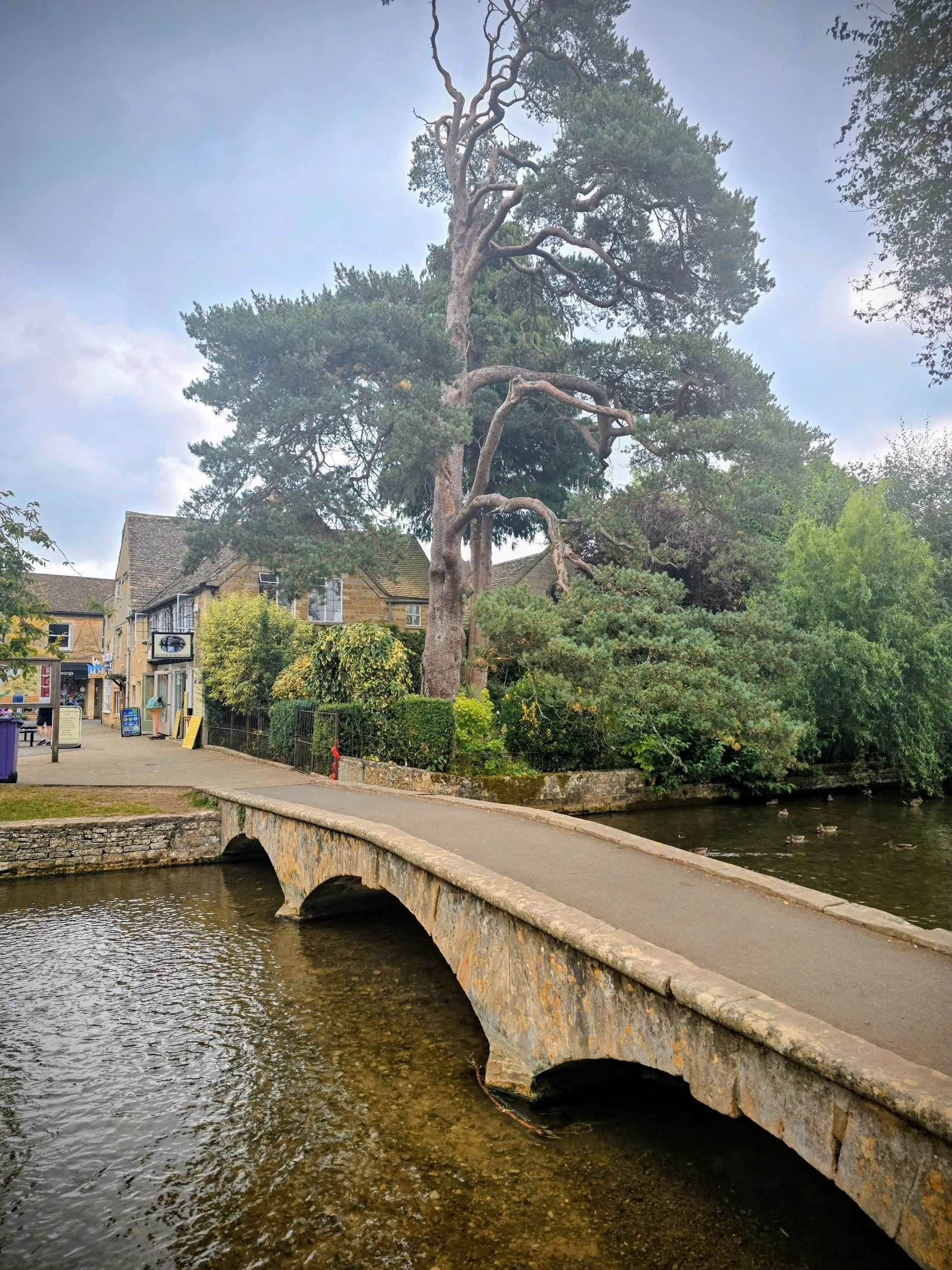
To understand Bourton-on-the-Water, one must look at the river that defines it. The River Windrush, shallow and crystal-clear, flows through the heart of the village, spanned by five iconic low-arched stone bridges built between 1654 and 1953. This unique landscape of wide, grassy "greens" and limestone banks has earned it the title of the "Venice of the Cotswolds."
For the Explorers Insight reader, this village is more than a postcard; it is a masterclass in how a natural watercourse can dictate the social and architectural layout of a settlement over a thousand years.
🧭 The Deep History of the Windrush Valley
The history of Bourton-on-the-Water stretches far back before the arrival of the "wool wealth" that built much of the region.
The Iron Age Stronghold: Long before the stone cottages, the area was home to Salmonsbury Camp, a massive Iron Age fortified settlement. It was a primary trading hub for the Dobunni tribe, proving that Bourton has been a center of commerce for over 2,000 years.
The Roman Influence: The village sits directly on the Fosse Way, one of the great Roman roads of Britain. Roman remains, including a villa and pottery kilns, suggest that the "Venetian" beauty of the river was appreciated by Roman settlers as much as it is by modern travelers.
The Wool Boom: Like its neighbors, Bourton flourished in the medieval period. The "golden" Cotswold stone used to build the village was quarried locally, funded by the booming international trade in English wool.
🧭 Bourton-on-the-Water Hidden Gems
While the main riverbank is the star attraction, the true character of the village is found in its quieter corners and eccentric collections.
1. The Model Village (A 1:9 Scale Landmark)
Opened on the Coronation Day of King George VI in 1937, this is the only Grade II listed model village in the country.
The Insight: It is built from authentic Cotswold stone. The hidden gem within this landmark is the attention to detail—the miniature gardens feature real bonsai-style trees that are pruned twice a year to maintain the 1:9 scale.
2. Greystones Farm & Salmonsbury Meadows
A short walk from the High Street takes you to this 150-acre nature reserve.
The Experience: This is a rare hidden gem where history meets ecology. You can stand on the ancient ramparts of the Iron Age fort while watching traditional Gloucester cattle graze in wildflower meadows that have never been touched by modern intensive farming.
3. The Cotswold Motoring Museum’s "Brum" Room
Housed in an 18th-century watermill, the museum is famous for its vintage cars.
The Secret: Beyond the cars, the museum preserves the original watermill machinery. It is a vital link to the village's industrial past, showing how the Windrush was once a source of power, not just a scenic backdrop.
🧭 Specialized Tips for the 2026 Explorer
To truly master your visit to Bourton-on-the-Water, consider these strategic insights:
The "Golden Hour" Strategy: Because the village is east-west oriented along the river, the light at 4:30 PM in the spring and autumn hits the stone bridges at a perfect 45-degree angle. This is the only time to capture the "glow" without the harsh midday shadows.
Avoid the "Main Bridge" Bottleneck: Most visitors cluster at the first two bridges near the shops. Walk further downstream toward the St. Lawrence Church area. The river is just as beautiful, but the crowds thin out significantly, offering a much more peaceful perspective.
The Sunday Morning Silence: If you are staying nearby, visit the riverbank at 8:00 AM on a Sunday. The village is completely silent, the water is perfectly still, and you can see the trout swimming clearly in the shallow riverbeds before the day’s activities begin.
-
The River Windrush was intentionally widened through the village center in the 18th century to create a "ford" and to slow the flow, which resulted in the shallow, picturesque waterbed seen today.
-
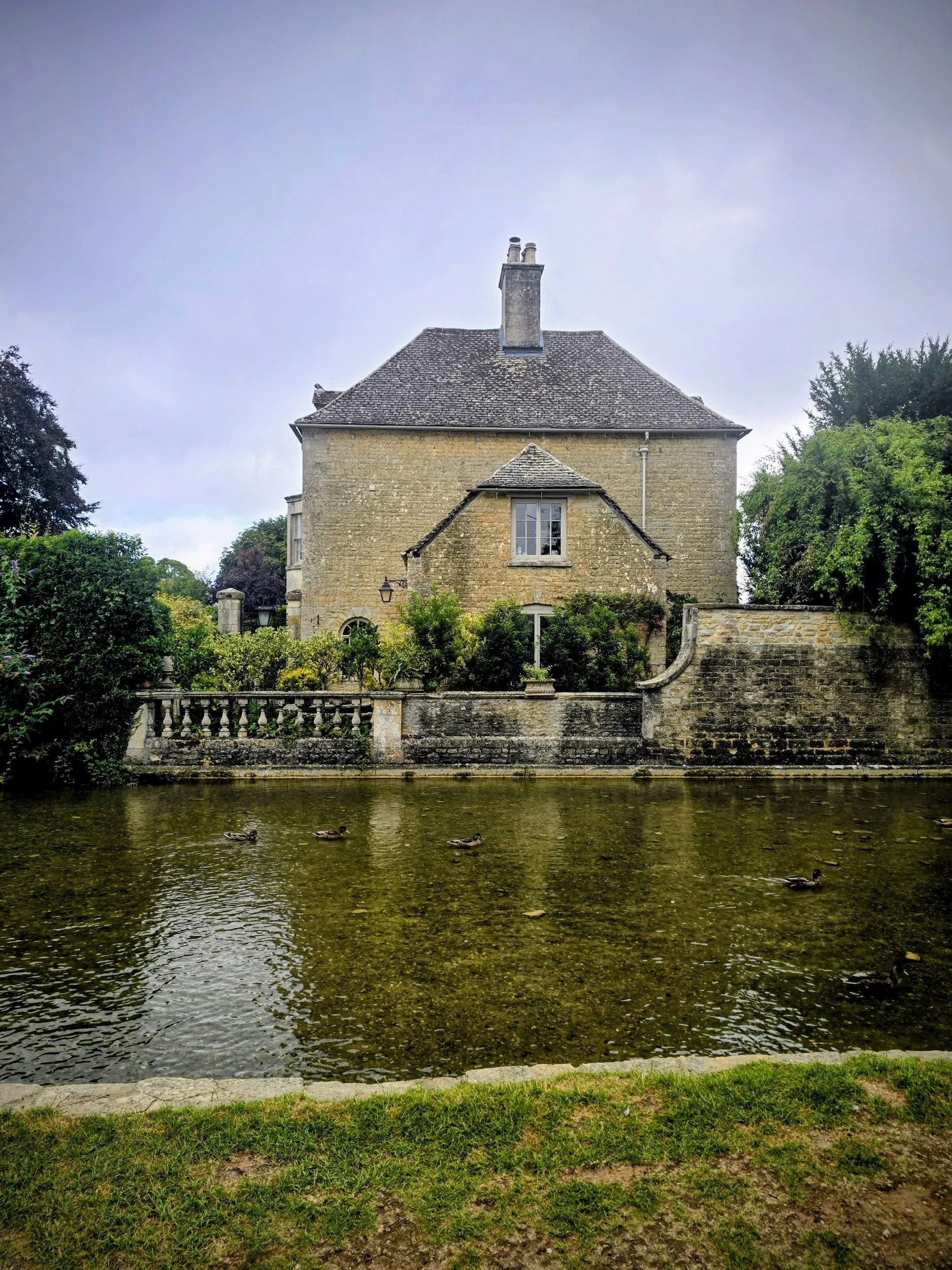
Yes. Look for the "mullioned" windows and "hood molds" (the stone ledges above windows). These were designed to deflect rainwater away from the glass, a classic feature of 17th-century Cotswold masonry.
-
Every August, the local football club plays a match literally in the river. It is a 100-year-old tradition that celebrates the village's unique relationship with the Windrush.
