
Broadway: The Jewel of the Cotswolds and the Gateway to the Vale
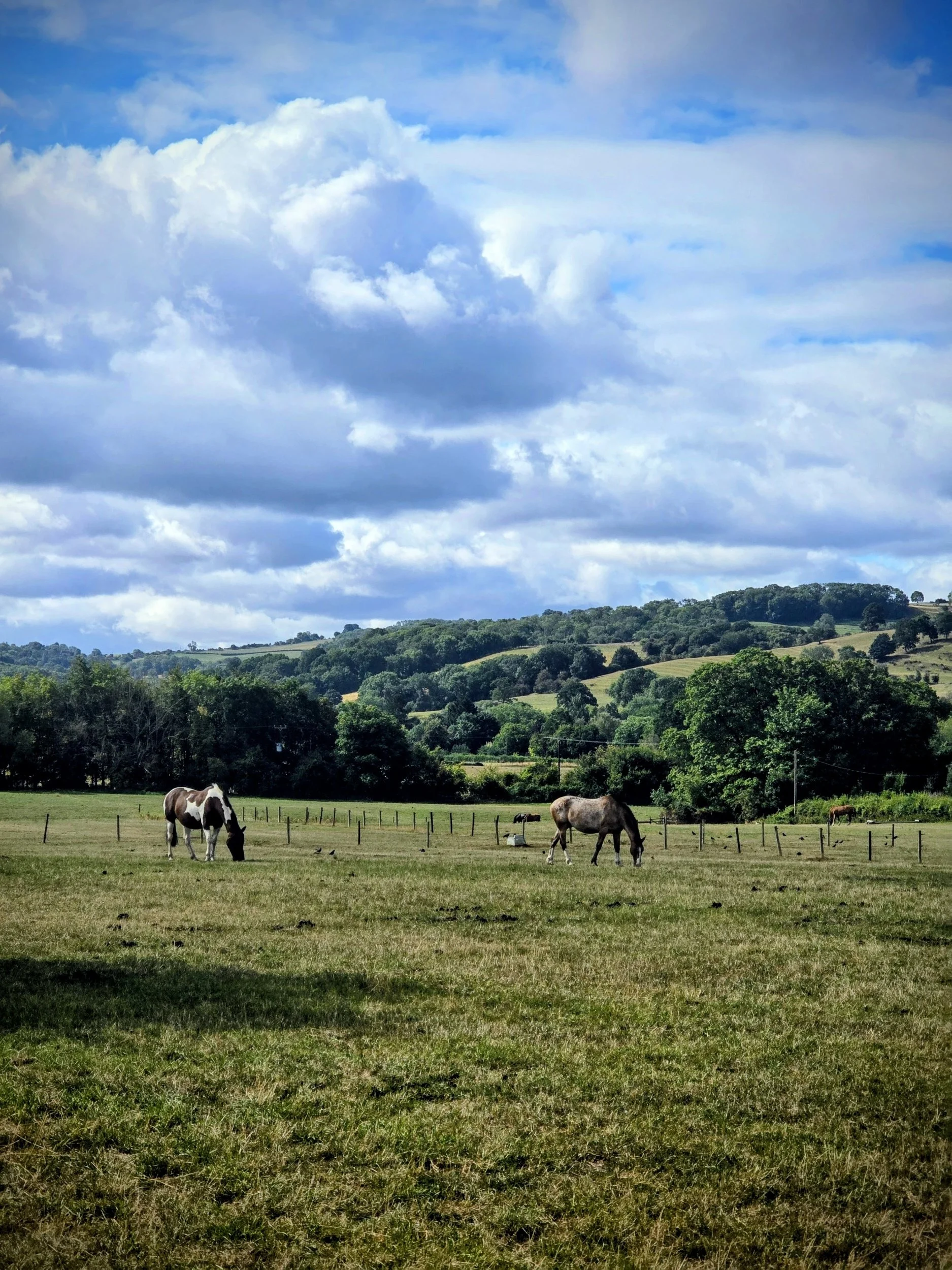
The Show Village of England: A Landscape of Grandeur
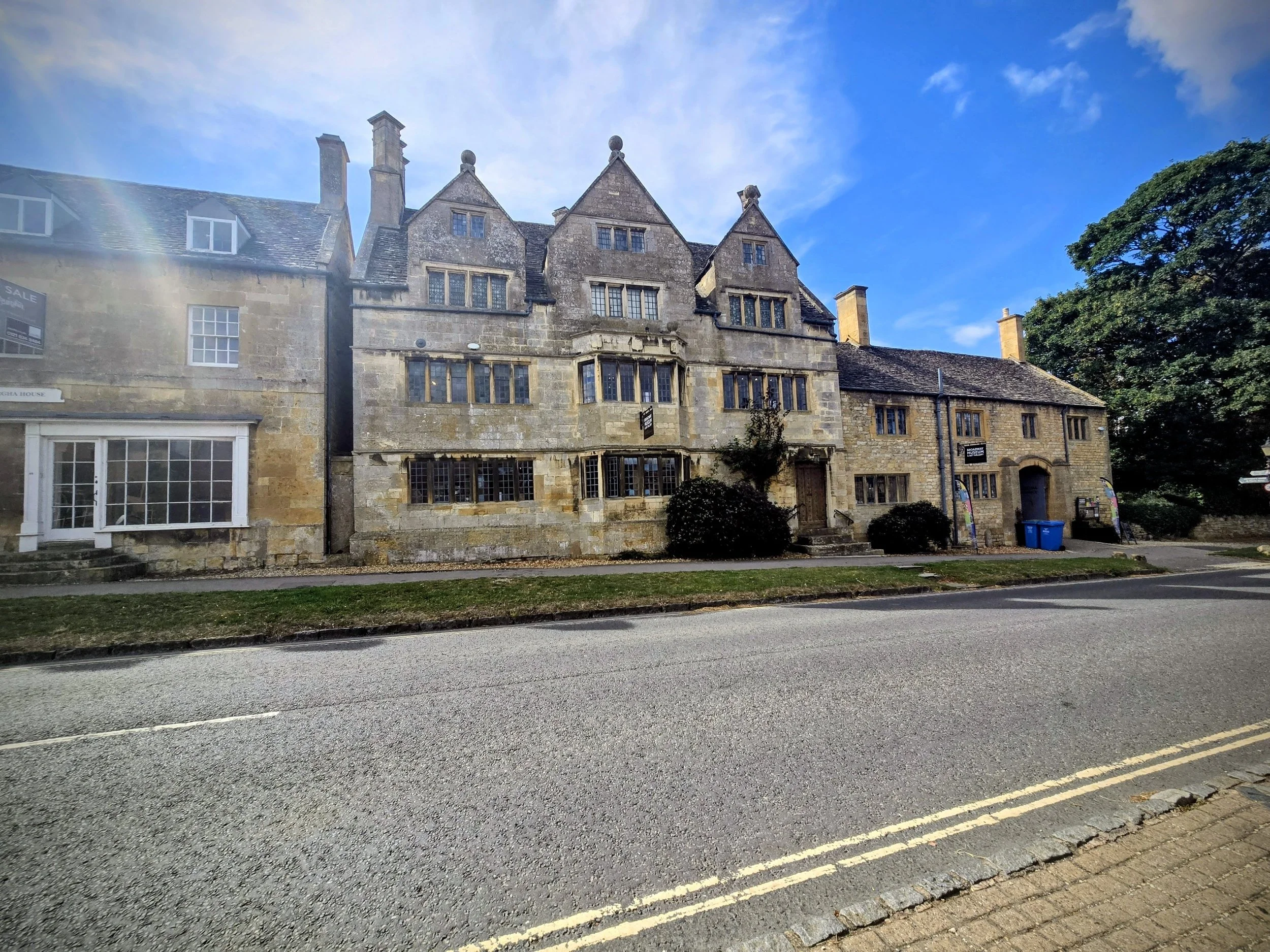
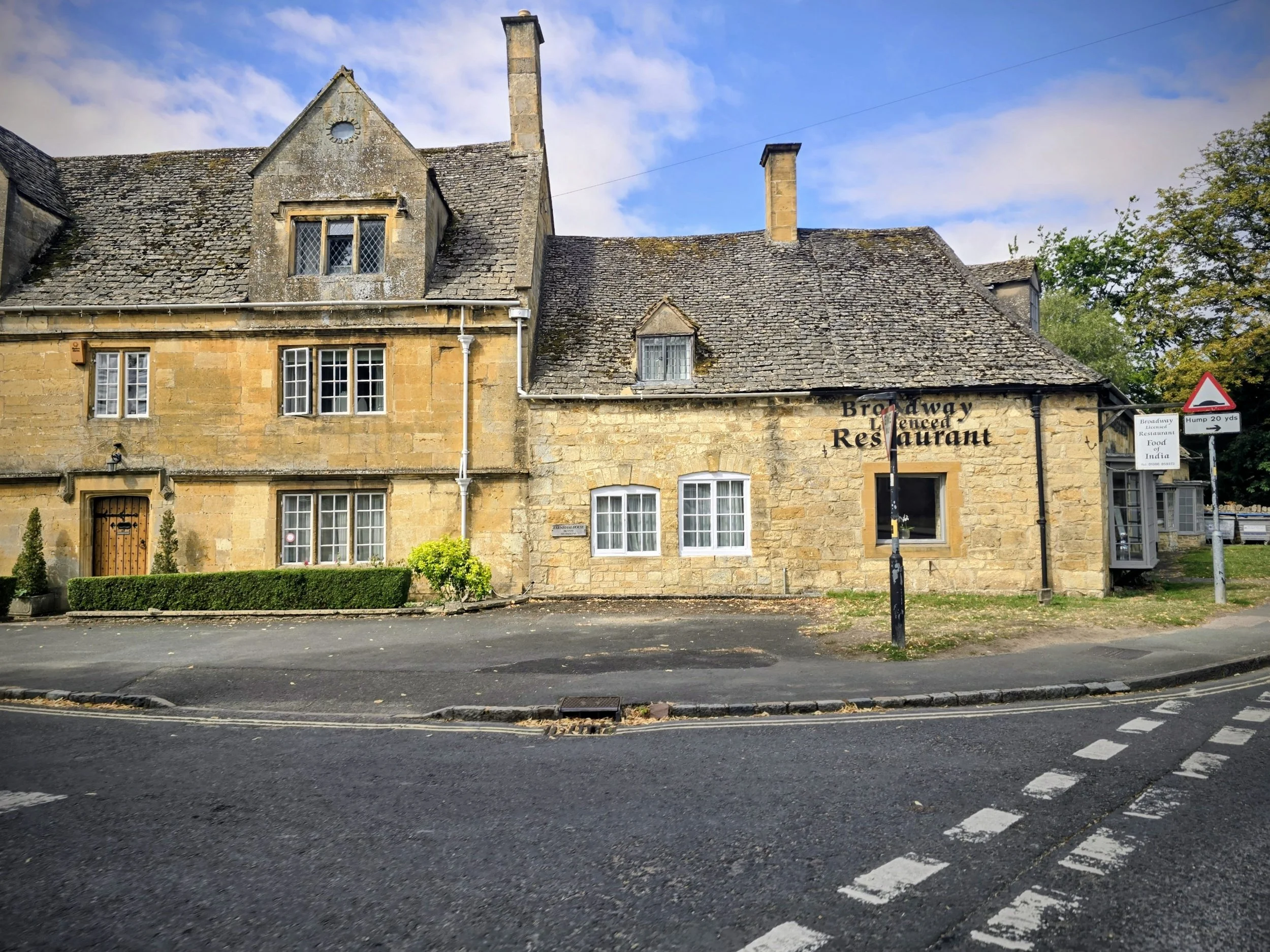
Often referred to as the "Jewel of the Cotswolds," Broadway sits at the base of Fish Hill, where the rolling limestone hills meet the flat, fertile Vale of Evesham. Unlike the intimate, tucked-away feel of Snowshill, Broadway is defined by its wide, majestic High Street—one of the longest and most beautiful in England. Fringed with horse chestnut trees and lined with honey-colored Tudor, Stuart, and Georgian architecture, the village landscape is a visual timeline of British prosperity.
For the Explorers Insight reader, Broadway is a masterclass in the "Arts and Crafts" movement. In the late 19th century, it became a sanctuary for artists and writers (including Henry James and John Singer Sargent) who were drawn to its light and preserved medieval aesthetic.
🧭 The Deep History of the Broad Way
The village takes its name from the "Broad Way" that led from the hills down into the valley, a route that has been a vital artery for centuries.
The Coaching Era: In the 18th century, Broadway was a major stagecoach stop on the route from Worcester to London. At its peak, the village housed over 30 inns to service travelers. This "hospitality DNA" is still palpable today in its world-class hotels and restaurants.
The Arts and Crafts Legacy: The village was "rediscovered" in the 1880s by the Broadway Colony of artists. They fought to preserve the local craftsmanship, ensuring that even as the village modernized, it never lost its hand-carved stone details and traditional thatched roofs.
🧭 Broadway Hidden Gems: Beyond the High Street
While the main thoroughfare is breathtaking, the true secrets of Broadway lie in its vertical climb and its artistic backwaters.
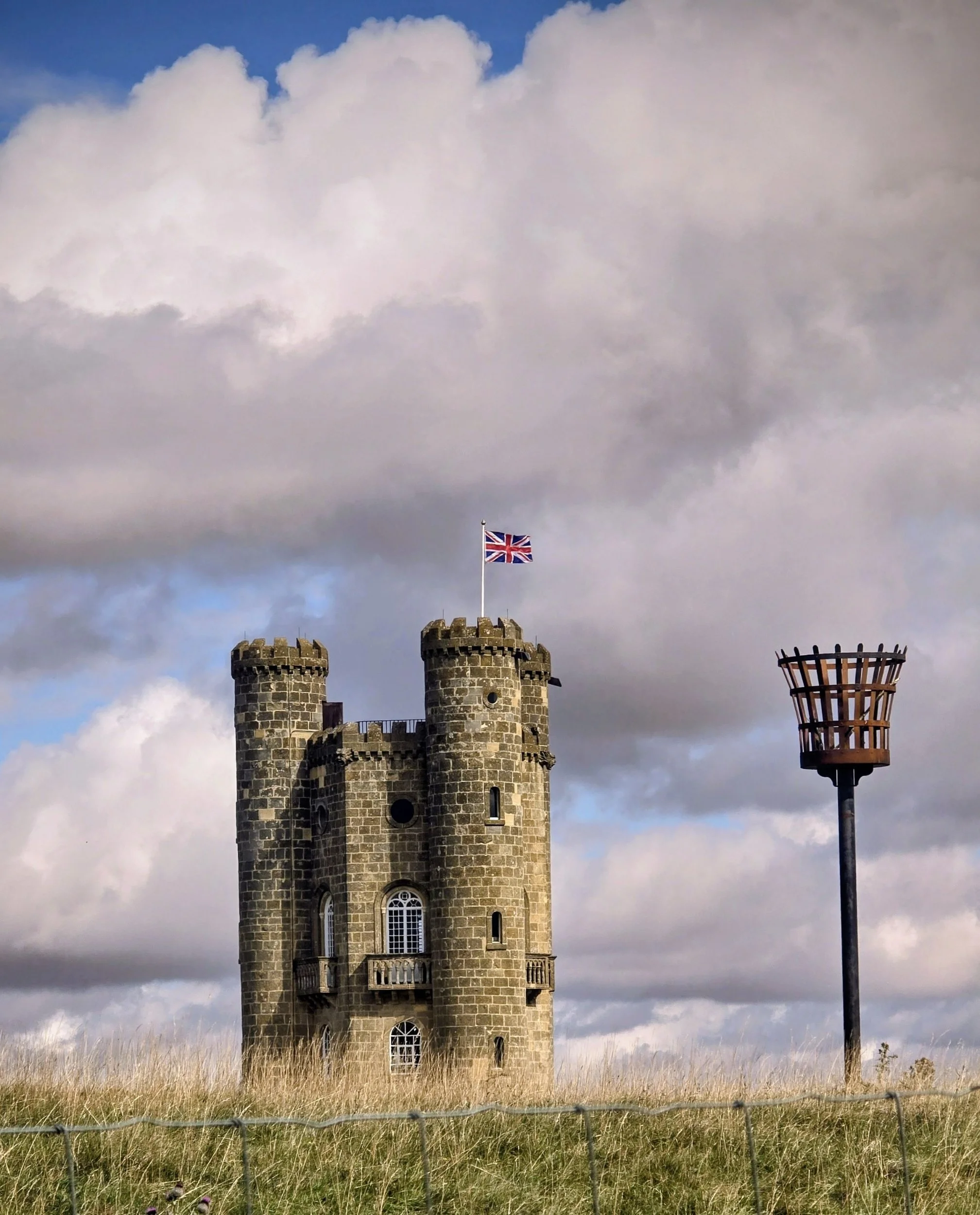
1. Broadway Tower: The "Highest Little Castle"
Perched at the top of Fish Hill, this 18th-century Gothic folly is a hidden gem of architectural wit.
The Experience: Designed by the legendary James Wyatt for the Earl of Coventry, it offers views across 16 different counties on a clear day.
The Secret: Deep beneath the tower lies a Cold War Nuclear Bunker. It is a startling contrast to the medieval aesthetic above, offering a rare glimpse into the UK's 20th-century "secret" history.
2. St Eadburgha’s Church (The Old Church)
Located about a mile from the current village center, this 12th-century church is the original heart of Broadway.
The Insight: It is a hauntingly beautiful, quiet site. While most tourists stay in the village, a walk to St Eadburgha’s reveals a rare, untouched interior that feels exactly as it did 500 years ago.
3. The Gordon Russell Design Museum
Tucked away in the original workshop of the famous 20th-century furniture designer.
The Highlight: This is a hidden gem for fans of modernism. It tells the story of how a Broadway local revolutionized British furniture design, moving from Arts and Crafts roots to the sleek "Utility" furniture of the war era.
🧭 Specialized Tips for the 2026 Explorer
The "Fish Hill" Hike: For the best panoramic view of the village, follow the Cotswold Way footpath from the High Street up to Broadway Tower. It is a steep 45-minute climb, but the sight of the village rooftops from above is the best photo opportunity in the region.
Lygon Arms Strategy: The Lygon Arms is one of the most famous coaching inns in the world (King Charles I and Oliver Cromwell both stayed here—though not at the same time!). Even if you aren't staying, duck into the lounges for afternoon tea; the stone fireplaces and wood paneling are the most authentic in the Cotswolds.
Parking Logistics: Broadway can get busy. Use the large "Long Stay" car park at the back of the village (near the park) rather than circling the High Street. It is only a 3-minute walk to the center and far less stressful.
-
You can walk the grounds and see the exterior for free via the Cotswold Way, but entry to the Tower museum and the Cold War Bunker requires a paid ticket.
-
It refers to the group of American and British artists, including Frank Millet and Edwin Abbey, who made the village a global hub for the Arts and Crafts movement in the late 1800s.
-
Yes. Unlike many UK high streets, Broadway has fought off major chains. It is famous for its independent art galleries, antique shops, and the iconic Broadway Deli, which is a "must-visit" for local Gloucestershire produce.
