
Bournemouth: The Golden Sands and Subtropical Secrets of the South Coast
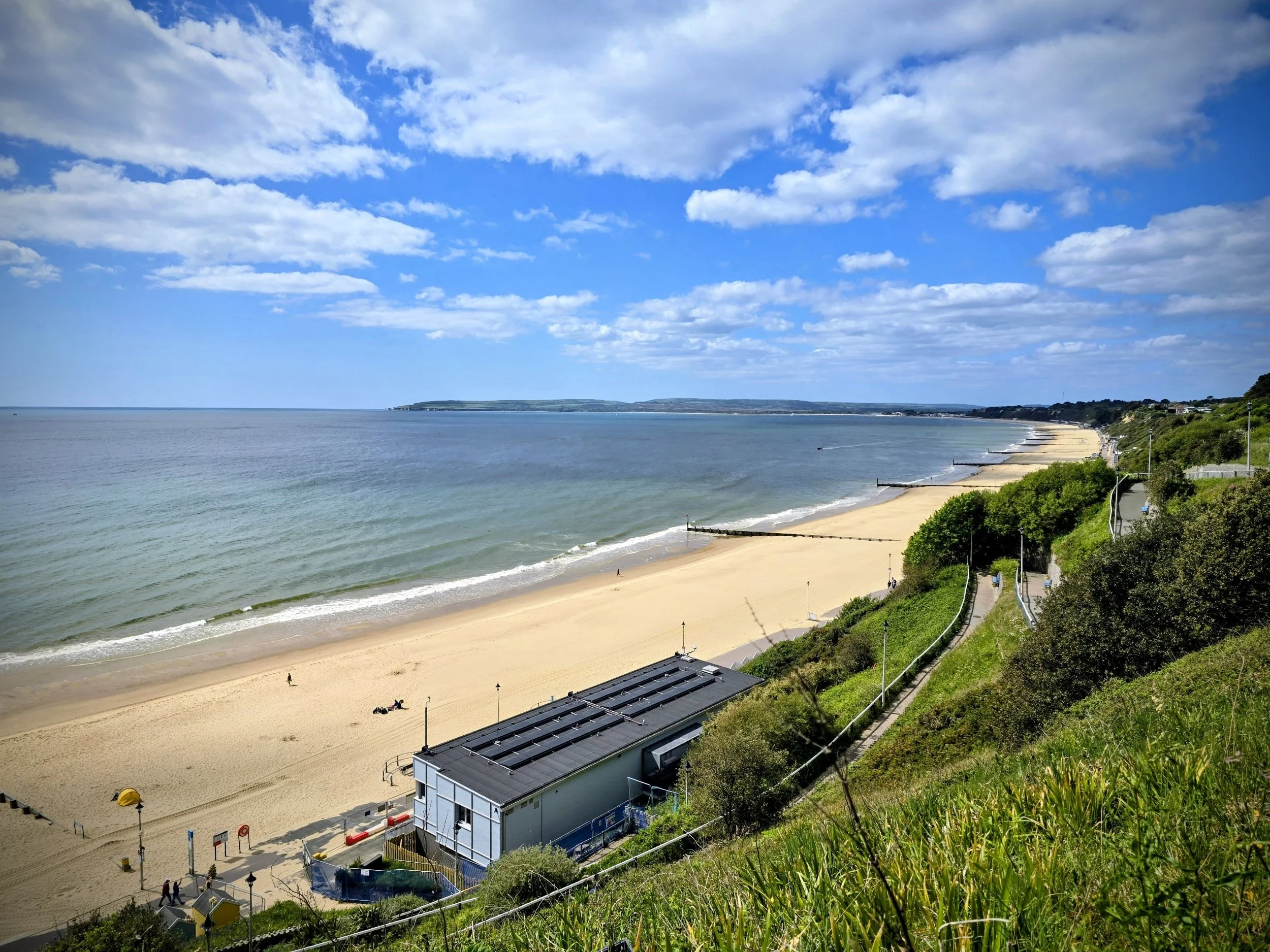
The Seven-Mile Horizon: A Landscape of Pine and Sea
Where the soft sandstone cliffs of Dorset meet the temperate currents of the English Channel, Bournemouth emerges as a coastal masterpiece. Unlike the rugged, rocky coves of the nearby Jurassic Coast, Bournemouth is defined by its expansive, seven-mile stretch of award-winning golden sand. In 2026, it remains the premier retreat for those seeking a "British Riviera" experience, characterized by its unique microclimate that allows Mediterranean palms and rare pines to flourish in its sheltered chines.
For the Explorers Insight reader, Bournemouth is more than a beach destination; it is a masterclass in Victorian urban planning and 21st-century coastal rejuvenation.
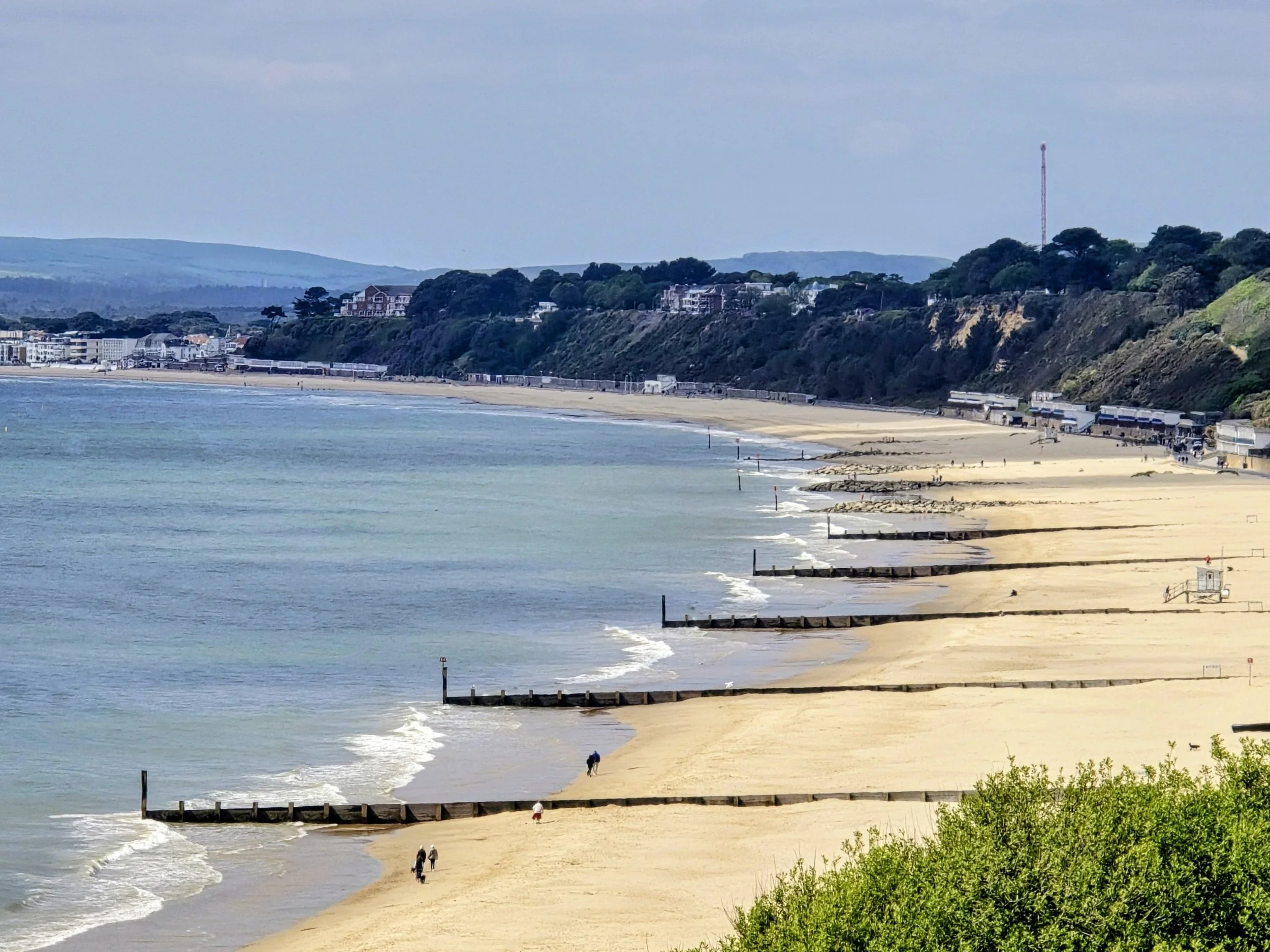
🧭 The Rise of the Marine Village
Bournemouth is a relatively young town, largely uninhabited until the early 19th century when it was "discovered" for its supposed medicinal air.
The Pine-Scented Cure: Victorian doctors famously prescribed the air of Bournemouth to patients. Thousands of Scots pines were planted to create "inhalatoria," leading to the wooded, garden-heavy landscape you see today.
Literary Echoes: The town became a sanctuary for the creative elite. Mary Shelley, the author of Frankenstein, is buried here, and J.R.R. Tolkien spent his final years in the quiet suburb of Poole/Bournemouth, drawing inspiration from the coastal light.
The Pier Legacy: The Bournemouth Pier and its neighbor, Boscombe Pier, serve as the architectural anchors of the bay, reflecting a 150-year evolution from simple landing stages to modern leisure hubs.
🧭 Bournemouth Hidden Gems: Beyond the Pier
While the Central Gardens and the main beach draw the crowds, the true character of the town is found in its vertical "chines" and artistic enclaves.
1. The Russell-Cotes Art Gallery & Museum
Perched on the East Cliff, this is one of the most extraordinary hidden gems in the UK.
The Experience: It was a birthday gift from Merton Russell-Cotes to his wife in 1901. This clifftop villa is a "frozen in time" treasure trove of Victorian globetrotting, filled with Japanese art, Pre-Raphaelite paintings, and ornate Moorish interiors.
2. Alum Chine and the Tropical Gardens
While the Lower Gardens are famous, Alum Chine offers a more secluded, subtropical escape.
The Secret: It features a distinctive suspension bridge and a lush tropical garden that thrives due to the cliff's shelter. It’s the best spot for a quiet walk away from the midday beach heat, leading down to a "Blue Flag" beach that is often half as crowded as the town center.
3. The St. Stephen’s Church "Vampire" Connection
Located just behind the main shopping district is a stunning example of Gothic Revival architecture.
The Insight: It is here, in the nearby St. Peter's churchyard, where you will find the Shelley Tomb. It contains the heart of Percy Bysshe Shelley and the remains of Mary Shelley—a hauntingly poetic pilgrimage for fans of Romantic literature.
🧭 Specialized Tips for the 2026 Explorer
The "Cliff Lift" Strategy: Bournemouth has historic funicular railways (Cliff Lifts) at West Cliff and Southbourne. Use them! Not only are they a charming piece of Victorian heritage, but they also save you the steep climb back to your hotel after a day on the sand.
Boscombe’s Artistic Revival: If you find the town center too busy, head east to Boscombe. In 2026, it has become the "cool" quarter of the bay, featuring vintage markets, independent sourdough bakeries, and the more relaxed, surf-oriented Boscombe Pier.
The Nighttime Glow: Walk the beach at twilight. The town has invested in specialized "Smart Lighting" along the promenade, allowing for safe, atmospheric evening walks that make the sea look iridescent against the dark cliffs.
-
No, the sand is natural, though the town undergoes "beach replenishment" every few years to protect the shoreline from erosion. This ensures the sand remains soft and deep year-round.
-
You are at the gateway. You can take the Breezer 50 bus, an open-top service that crosses the Sandbanks Ferry and takes you directly to Old Harry Rocks and Swanage—one of the most scenic bus routes in the world.
-
Yes. The Upper Gardens still contain many of the original Victorian pines. They provide a unique "forest-by-the-sea" scent that is particularly strong after a summer rain.
