Fitzwilliam Museum
The Neoclassical Powerhouse of Art and Antiquity in Cambridge
The Architectural Genesis of a "University Palace" for the Arts
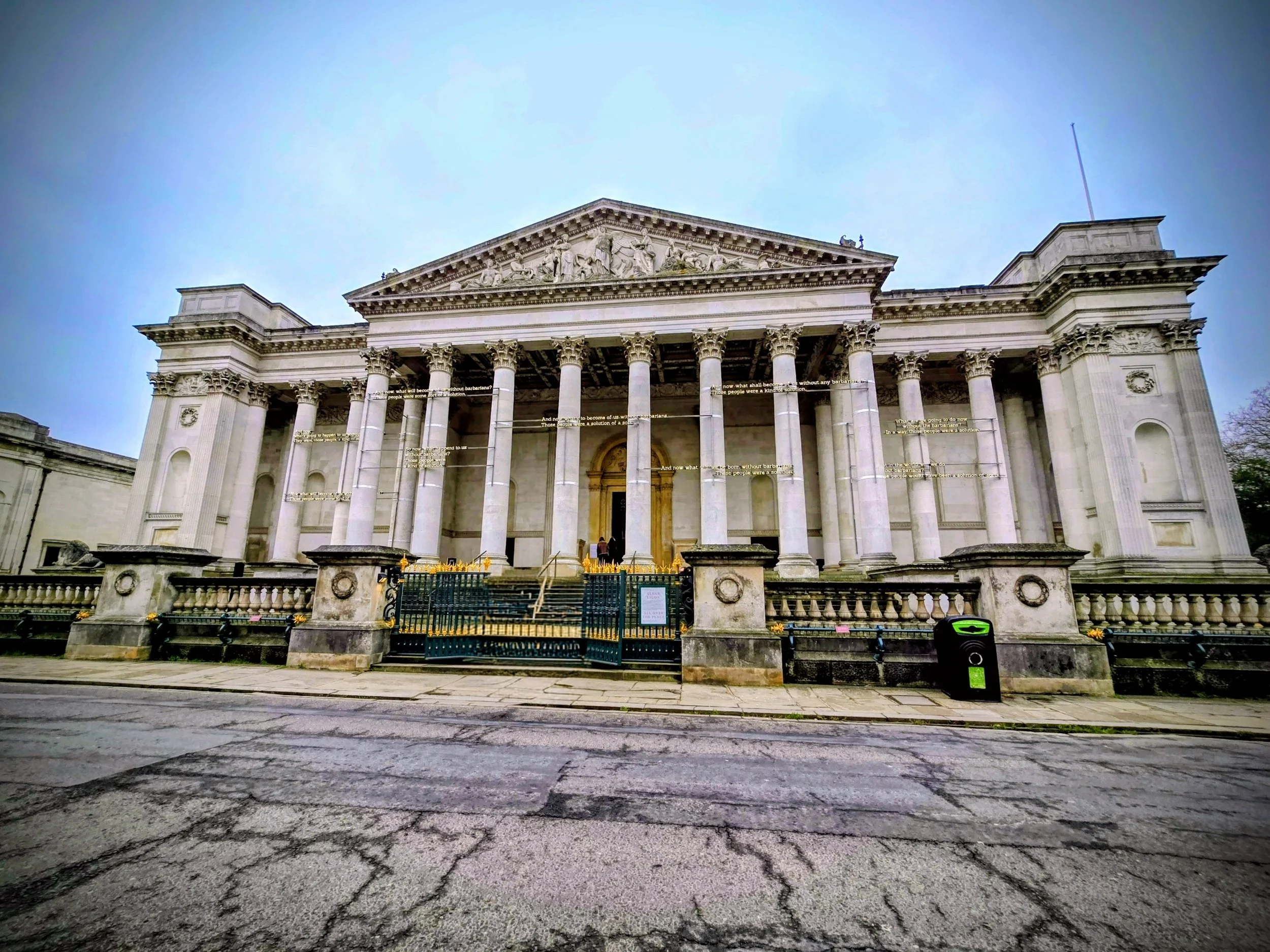
Standing as a formidable sentinel on Trumpington Street, the Fitzwilliam Museum is not merely a gallery; it is a declaration of intellectual and cultural ambition. Founded in 1816 through the bequest of Richard Fitzwilliam, 7th Viscount Fitzwilliam, the museum was envisioned as a "monument of design" that would rival the great collections of Europe. For the Explorers Insight reader, the Fitzwilliam represents a masterclass in Neoclassical architecture and the evolution of the "Universal Museum" concept.
In the Cambridge of 2026, the museum serves as the flagship of the University’s eight museum collections, housing over half a million artworks and historical artifacts that span from the dawn of Egyptian civilization to the cutting edge of 21st-century contemporary practice.
The Founder’s Vision: Richard Fitzwilliam and the 1816 Bequest
The history of the Fitzwilliam begins with a singular act of aristocratic generosity. Lord Fitzwilliam, a polymath and collector of immense wealth, left his extensive library, his collection of Old Master prints, and a significant sum of £100,000 to the University of Cambridge. His goal was to provide a resource that would elevate the "taste and morals" of the students.
The Bequest Insight: Unlike many museums that grew organically over centuries, the Fitzwilliam was born "complete." The core of the collection—including works by Titian, Veronese, and Rembrandt—was established on day one, setting a standard of excellence that has dictated every acquisition for the subsequent two centuries.
The Architectural Competition: The current building, designed by George Basevi and completed by Sydney Smirke, was the result of an intense architectural competition. The goal was to create a space that felt like a "Temple of the Muses."
Entering the Temple: The Grand Entrance Hall
To understand the Fitzwilliam, one must start with the Grand Entrance Hall. Completed in 1875 by Edward Middleton Barry, this space is an explosion of Victorian opulence. It utilizes a palette of polychromatic marbles, gilded plasterwork, and intricate mosaics to create a sense of awe that prepares the visitor for the treasures within.
The Mosaic Floor: Look closely at the floor patterns. They utilize classical Roman motifs, serving as a physical transition from the modern street outside to the ancient worlds housed in the lower galleries.
The Vertical Divide: Architecturally, the museum is split into two distinct experiences. The Lower Galleries house the antiquities of Egypt, Greece, Rome, and the Near East, while the Upper Galleries are dedicated to the "Fine Arts"—paintings, sculptures, and the applied arts of Europe and Asia.
The Antiquities: Decoding the Egyptian and Near Eastern Collections
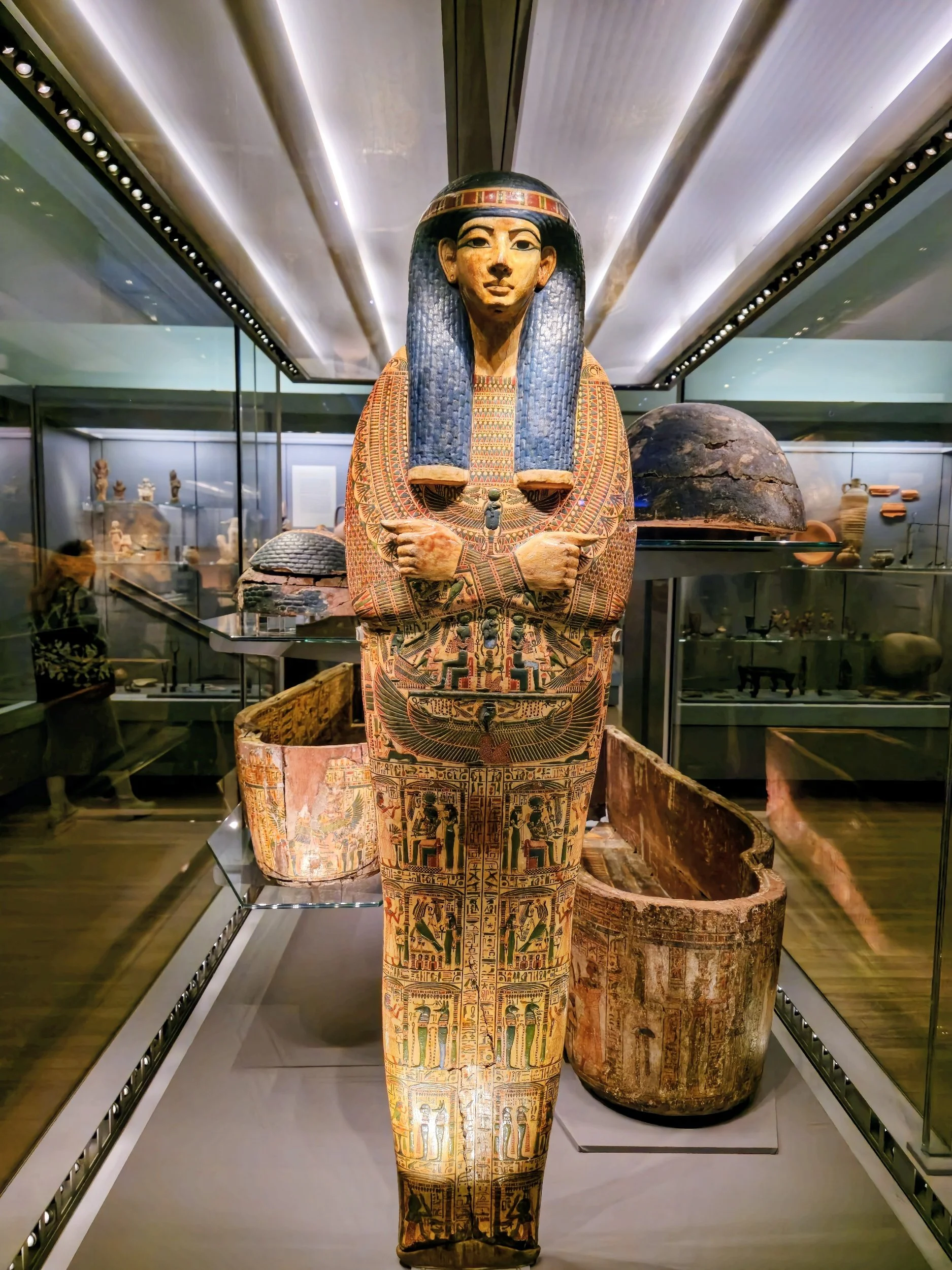
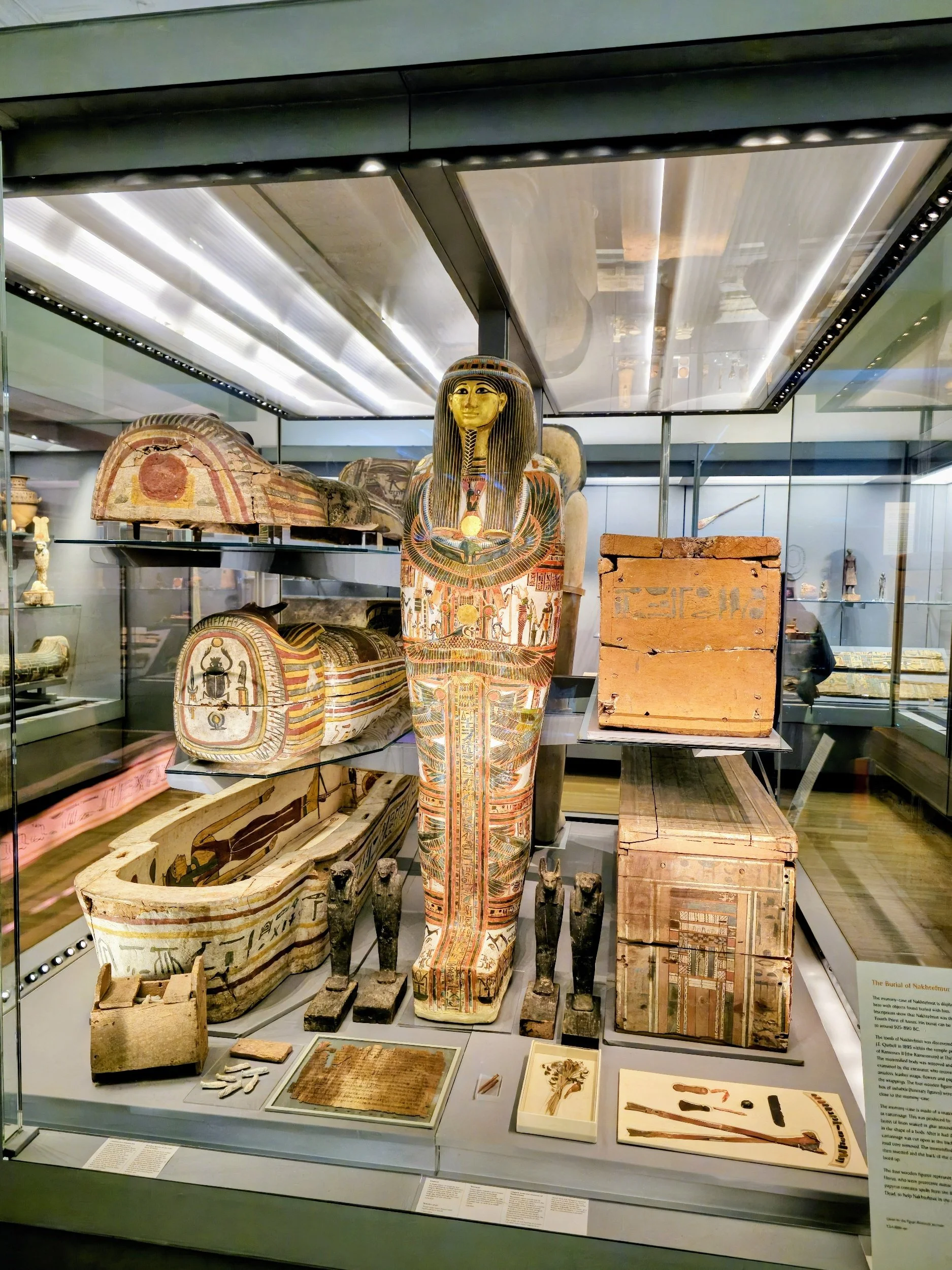
The Fitzwilliam’s Egyptian collection is widely regarded as one of the finest in the world, largely due to the University’s long-standing tradition of archaeological research.
1. The Sarcophagus of Ramesses III
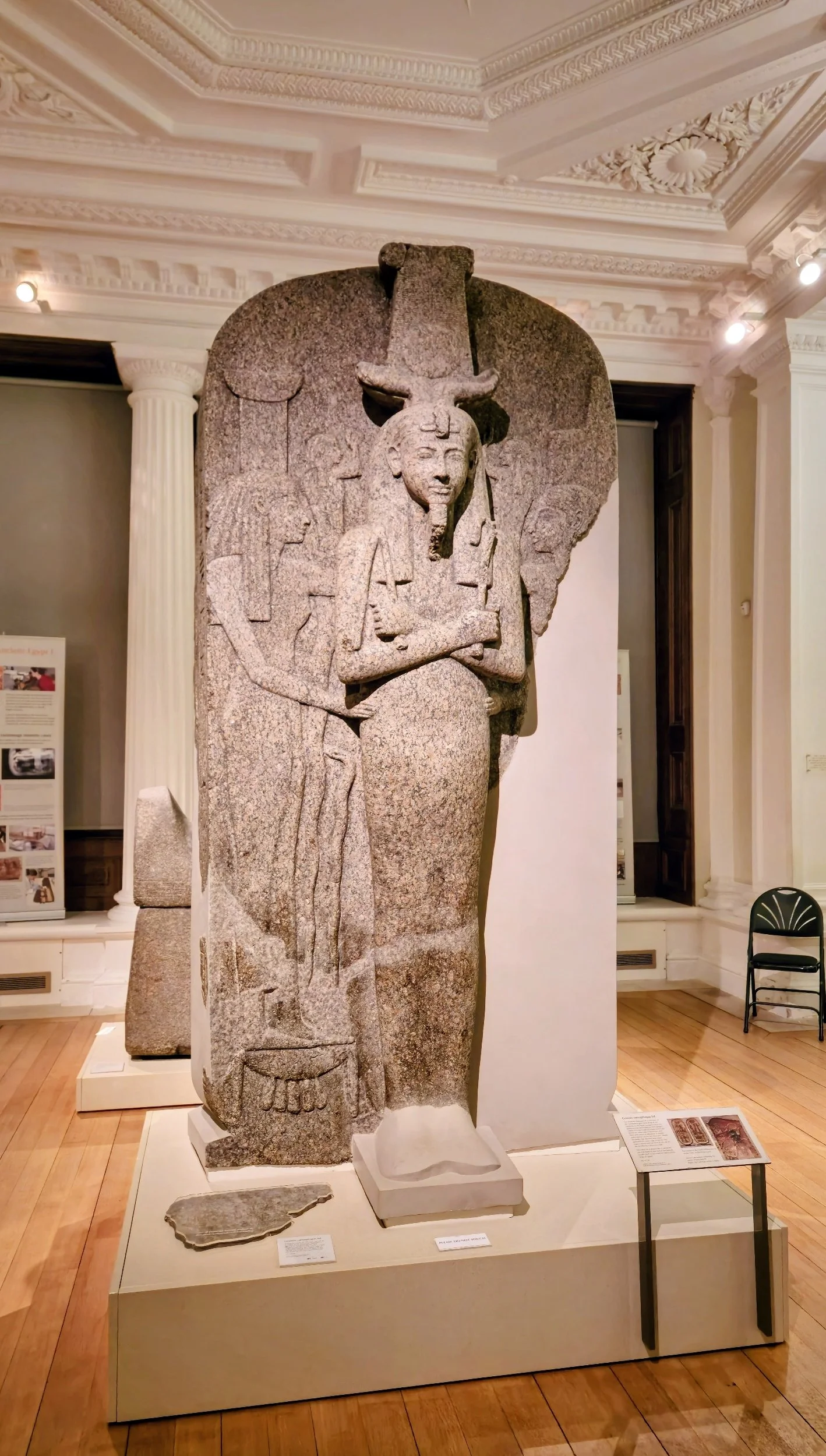
The centerpiece of the Egyptian Gallery is the massive red granite lid of the Sarcophagus of Ramesses III.
The Insight: This object provides a masterclass in Egyptian theological iconography. The carvings depict the passage of the sun god through the underworld—a journey that mirrored the King’s own transition into the afterlife.
The 2026 Context: Recent non-invasive laser scanning has revealed traces of original pigments that were invisible to the naked eye for centuries, allowing the museum to "re-light" the sarcophagus digitally to show its original, vibrant appearance.
2. The Assyrian Reliefs
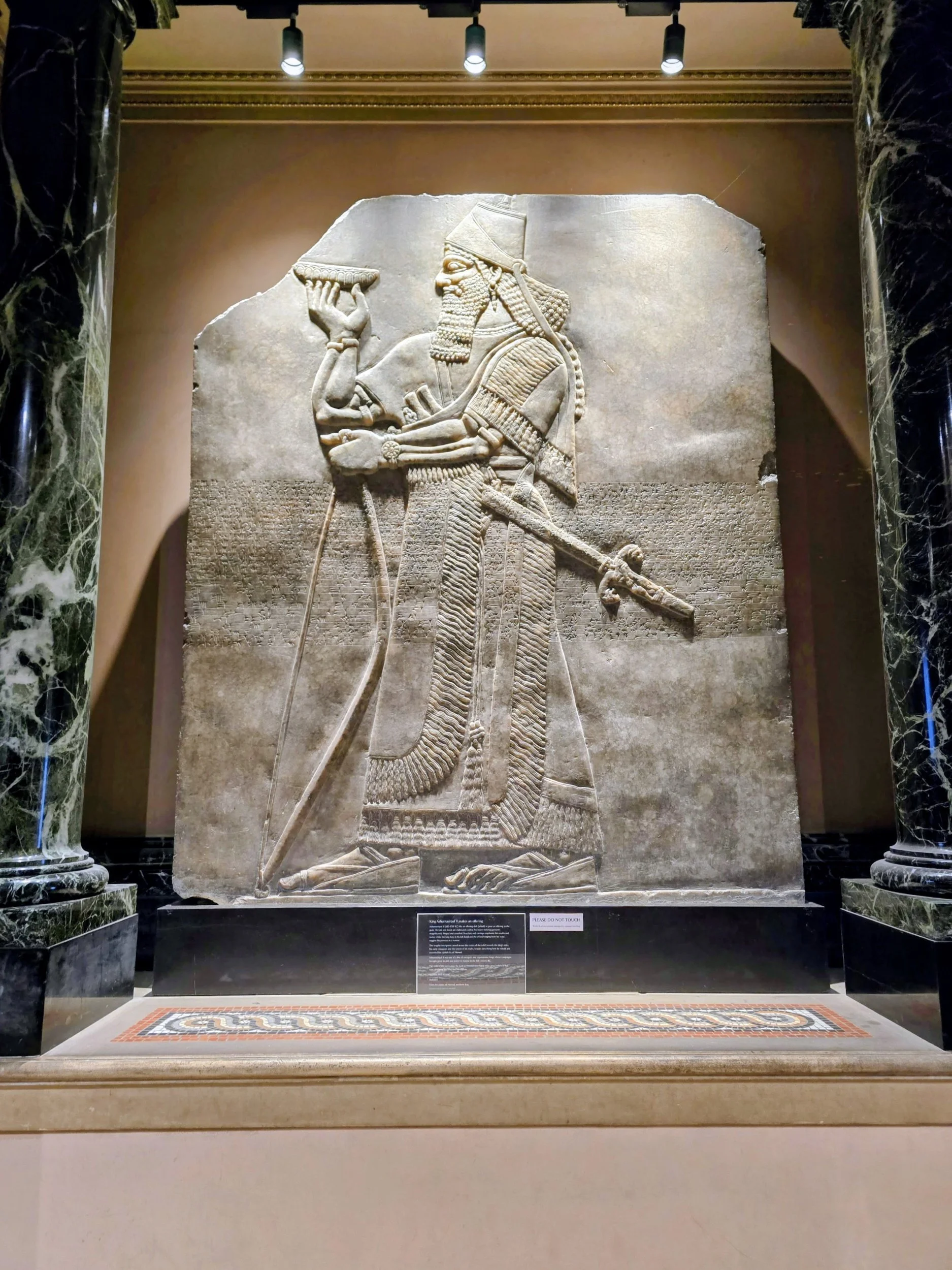
On the ground floor, the museum houses towering gypsum reliefs from the Northwest Palace of Ashurnasirpal II at Nimrud. These 9th-century BC carvings are the "books" of the ancient world, recording the military triumphs and religious rituals of the Neo-Assyrian Empire.
The Old Masters: A Survey of European Excellence
Ascending to the Upper Galleries, the explorer enters a world of European High Art. The Fitzwilliam is unique because it arranges its paintings alongside the furniture, clocks, and ceramics of the same period, providing a "total immersion" into the aesthetic of each era.
1. The Venetian School
Lord Fitzwilliam was a devotee of the Venetian Renaissance. The museum holds Titian’s "Tarquin and Lucretia," a work of profound psychological depth and masterly brushwork.
The Insight: Study the "impasto" (thickly applied paint) in the highlights. Titian, working in his late eighties, used his fingers as much as his brushes to create the visceral textures of the fabrics and skin.
2. The Dutch and Flemish Collection
The museum’s collection of Dutch Golden Age paintings—including works by Rembrandt, Hals, and Ruisdael—is a record of the birth of the middle-class art market.
The Insight: Look for the small-scale "cabinet paintings." These were designed for the private homes of wealthy merchants in 17th-century Amsterdam, representing a shift away from the massive, church-commissioned altarpieces of the South.
The Applied Arts: Pottery, Porcelain, and the "Clore Gallery"
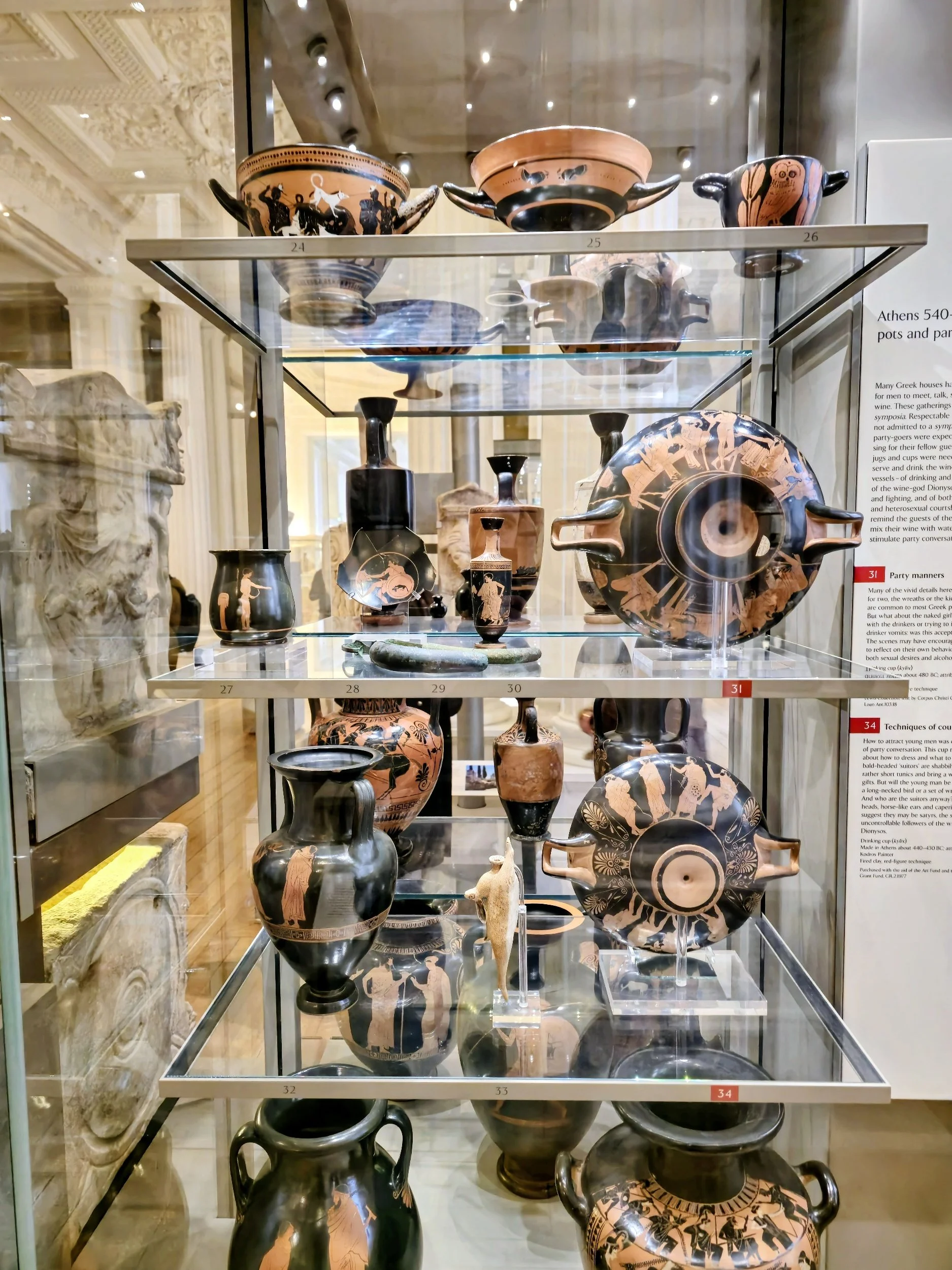
The Fitzwilliam is equally famous for its "Applied Arts"—the objects that bridged the gap between utility and beauty.
The Islamic Collection: The museum houses world-class examples of lustreware pottery from 13th-century Persia. The metallic sheen of these vessels was an early technological breakthrough in ceramic chemistry, designed to mimic the appearance of gold for a society where the use of gold vessels was often restricted.
The Glaisher Collection of Pottery: This is perhaps the most comprehensive collection of English delftware and slipware in existence. It provides a visual timeline of British domestic life from the Tudor period to the Industrial Revolution.
🧭 Strategic Insights: Navigating the Fitzwilliam Narrative
The true value of the Fitzwilliam Museum is found in its ability to show the "interconnectedness" of human creativity. For the explorer, the key insight is to look for the "Transitional Objects"—pieces that sit between cultures. A prime example is the collection of Chinese porcelain decorated with European motifs; these objects tell the story of the 18th-century "Chinoiserie" craze and the beginning of globalized trade. To avoid the weekend crowds, we recommend visiting on a Thursday afternoon; the light in the Impressionist Gallery is particularly soft at this time, highlighting the subtle color shifts in Monet’s "Springtime" and Degas’s "The Dancer." Furthermore, do not miss the Founder’s Library, which remains an active research space; the sight of 18th-century leather-bound volumes against the backdrop of 21st-century conservation technology is a powerful reminder of the museum’s dual role as an archive and a laboratory.
The 2026 Perspective: Decolonization and Digital Heritage
In the current year, the Fitzwilliam is at the forefront of the "re-reading" of museum collections.
The Provenance Project: The museum has launched an extensive digital archive that traces the "journey" of its artifacts. By being transparent about how objects were acquired during the colonial era, the museum is engaging in a vital dialogue about cultural ownership.
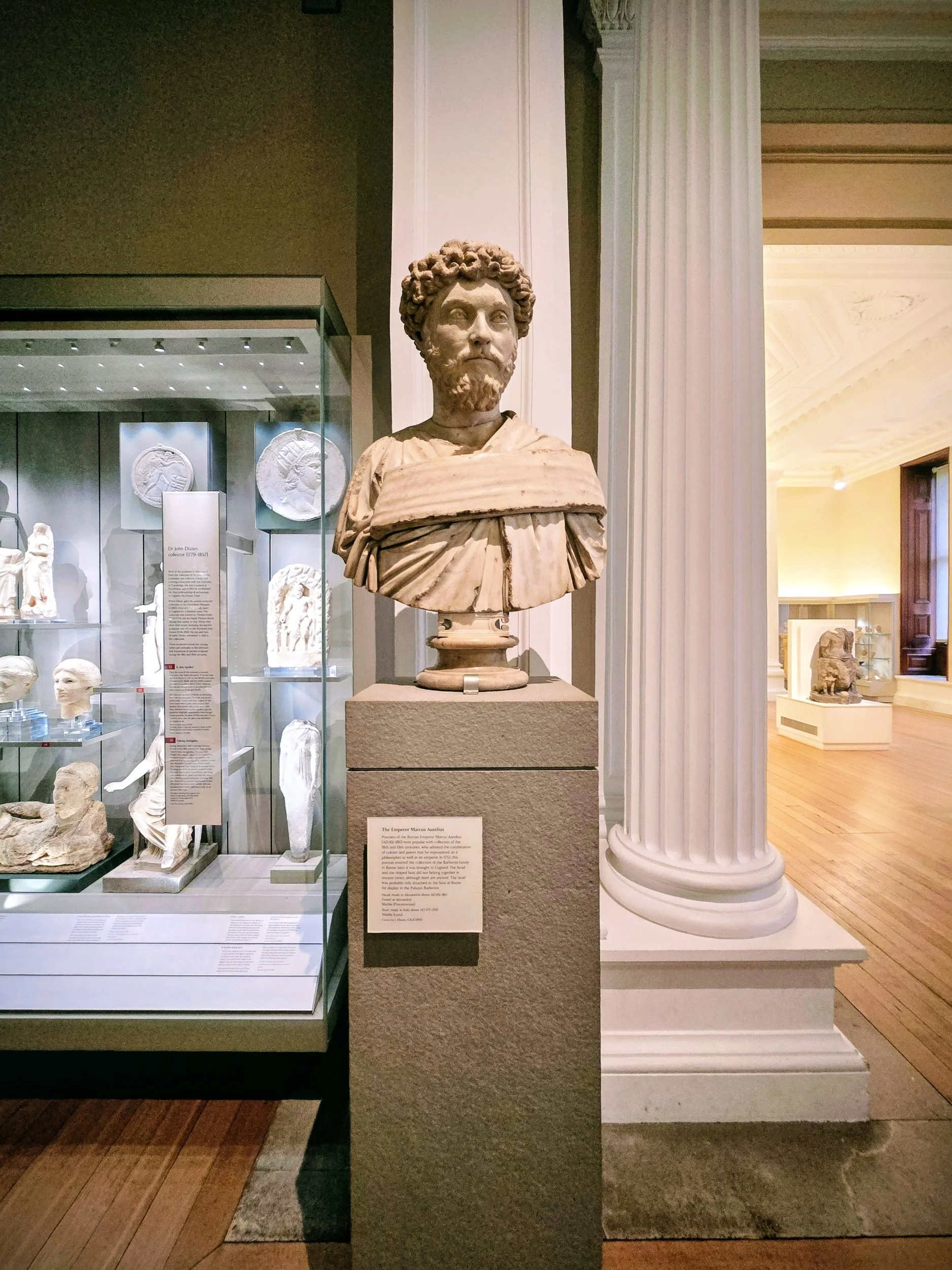
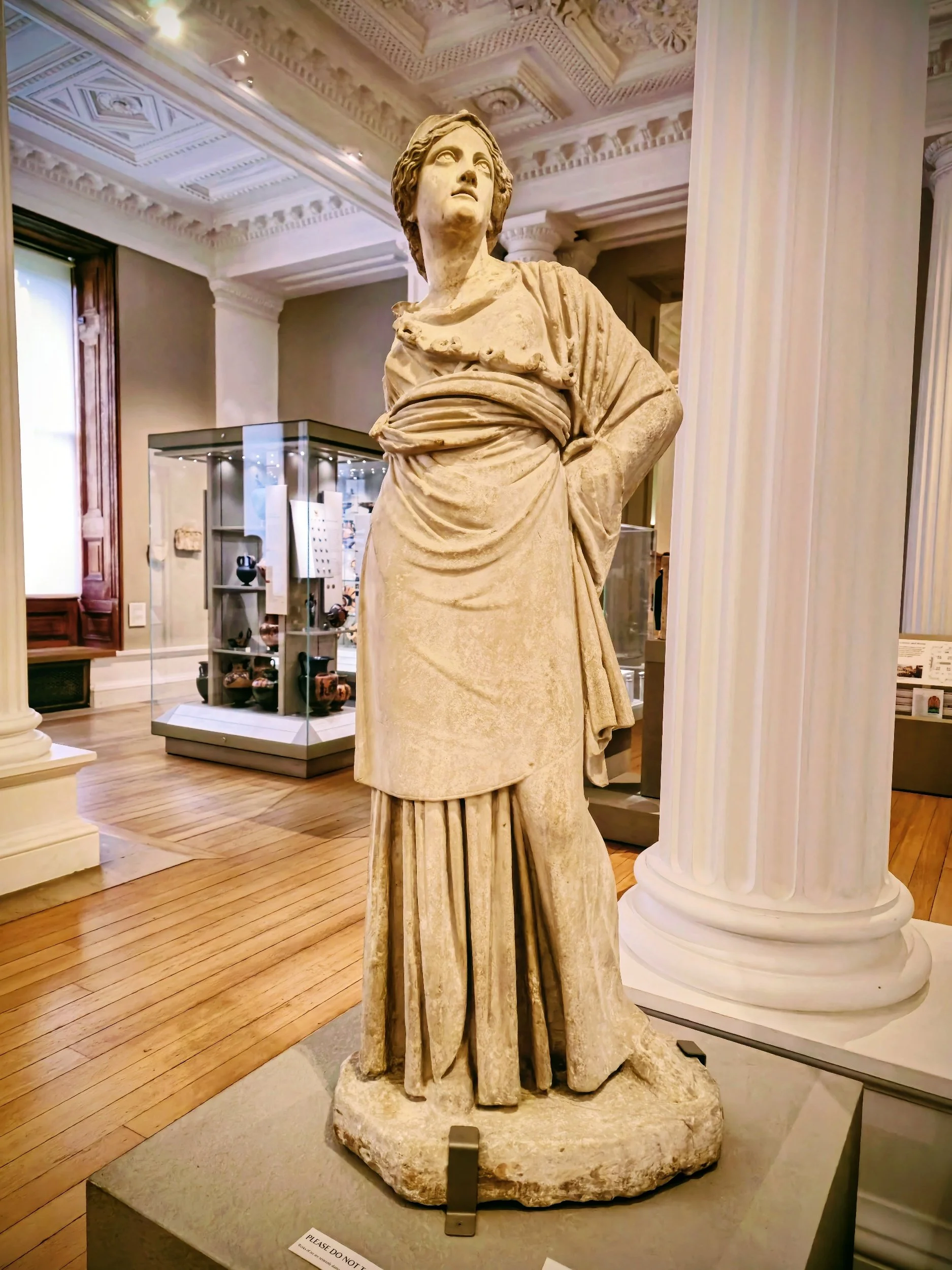
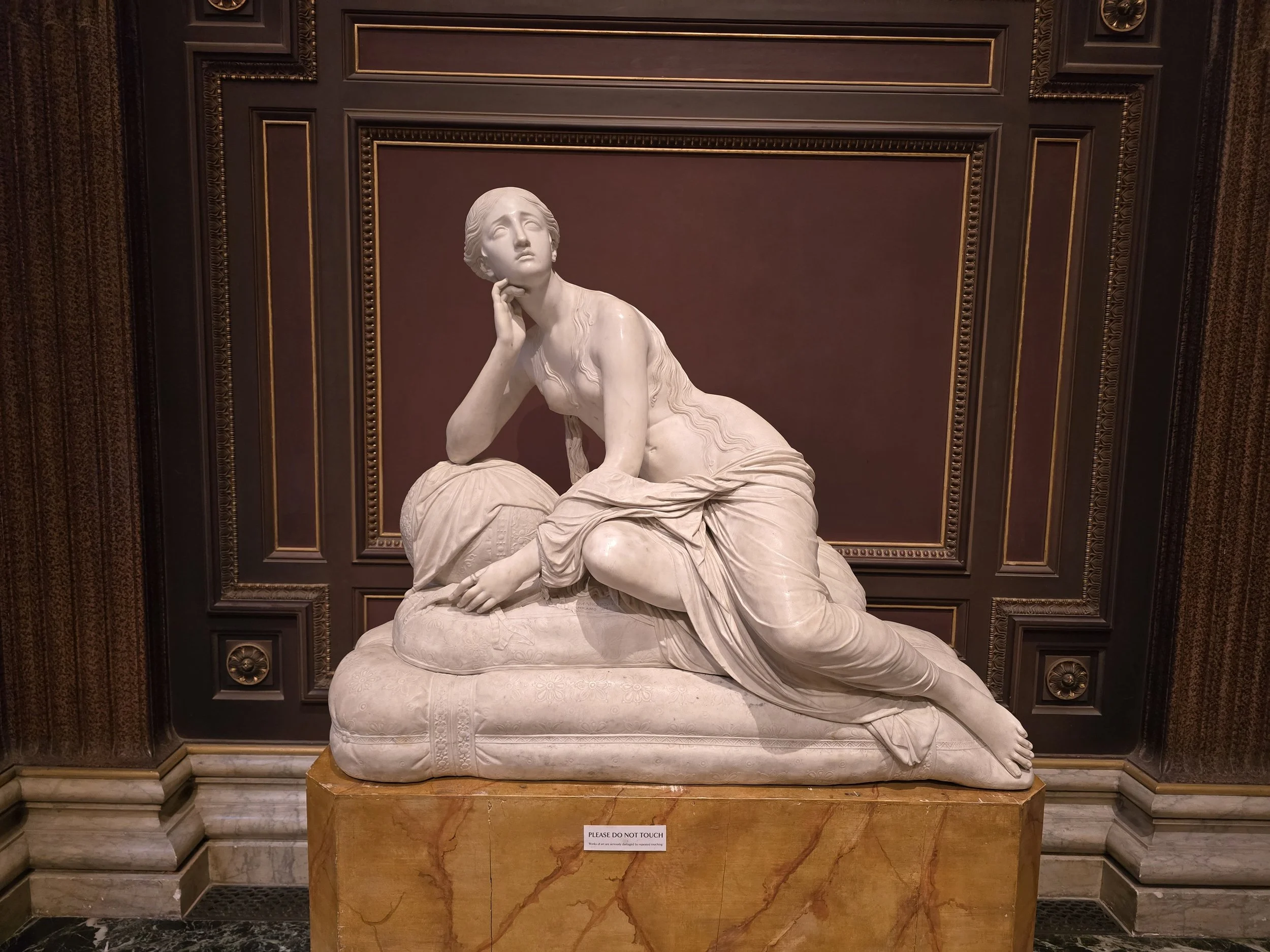
The "Sensory" Museum: 2026 has seen the introduction of haptic (touch-based) replicas for many of the Greek and Roman sculptures. This allows visually impaired visitors to "see" the contours of Praxiteles’s style through their fingertips, fulfilling Lord Fitzwilliam’s original goal of making the arts accessible to all.
-
The museum is located on Trumpington Street (CB2 1RB). From the Cambridge Train Station, it is a 15-minute walk. Follow Station Road to Hills Road, then turn left onto Lensfield Road and right onto Trumpington Street. Several local bus routes stop directly outside the museum.
-
In accordance with the founder’s bequest, entry to the museum is free for all visitors. However, for certain high-profile temporary exhibitions, a timed-entry ticket may be required, which can be booked through the museum’s website.
-
Yes, the museum features the Courtyard Café, an award-winning glass-roofed space that serves locally sourced lunches and afternoon teas. It is an architectural bridge between the original 1848 building and the 2004 expansion.
-
To truly engage with the insights on both the Upper and Lower floors, you should allow at least three hours. The museum is vast, and attempting to see it all in a single hour will result in "museum fatigue."