
Kew Bridge Steam Museum
The Industrial Heartbeat of London’s Water History
The Living Cathedral of Steam: A Victorian Engineering Marvel
Standing as a monumental sentinel on the banks of the Thames, the London Museum of Water & Steam—still affectionately known by its historic name, the Kew Bridge Steam Museum—is home to the world’s largest collection of working steam pumping engines. Housed within a Grade I listed Victorian waterworks, this site was the literal lifeblood of the capital, responsible for pumping millions of gallons of fresh water to a rapidly expanding London during the 19th century.
For the Explorers Insight reader, this museum is more than a collection of machinery; it is a portal into the Industrial Revolution. In 2026, it serves as a "living cathedral" where the rhythmic hiss and clank of massive Cornish engines provide a sensory experience that no modern digital exhibit can replicate.
🧭 Strategic Insights: Navigating the Giant Engines
The true value of the Kew Bridge Steam Museum is found in the scale of its ambition. To fully appreciate the site, we recommend focusing on these four core pillars of the experience:
The Grand Junction Engine House: Home of the Giants
This is the museum’s centerpiece, containing the most impressive steam engines in existence.
The Grand Junction 90-inch: Built in 1846, this is the largest working Cornish beam engine in the world. Watching it in motion is a humbling experience, as the massive 52-ton beam pivots with a surprisingly graceful, silent power.
The Bull Engine: An unusual "direct-acting" engine that sits in its original 19th-century setting, offering a glimpse into the mechanical diversity of the Victorian age.
The Standpipe Tower: A Skyline Icon
The 200-foot Victorian brick tower that dominates the Brentford skyline was not just for show; it was a vital piece of hydraulic engineering designed to provide a constant head of water to the local area.
Architecture: The tower’s Italianate design reflects the Victorian belief that even the most functional industrial buildings should be beautiful.
Photography Tip: For the best shot, stand across the road near the bridge at sunset; the red brick glows against the water, capturing the essence of London's industrial heritage.
The Steam Railway: A Family Legacy
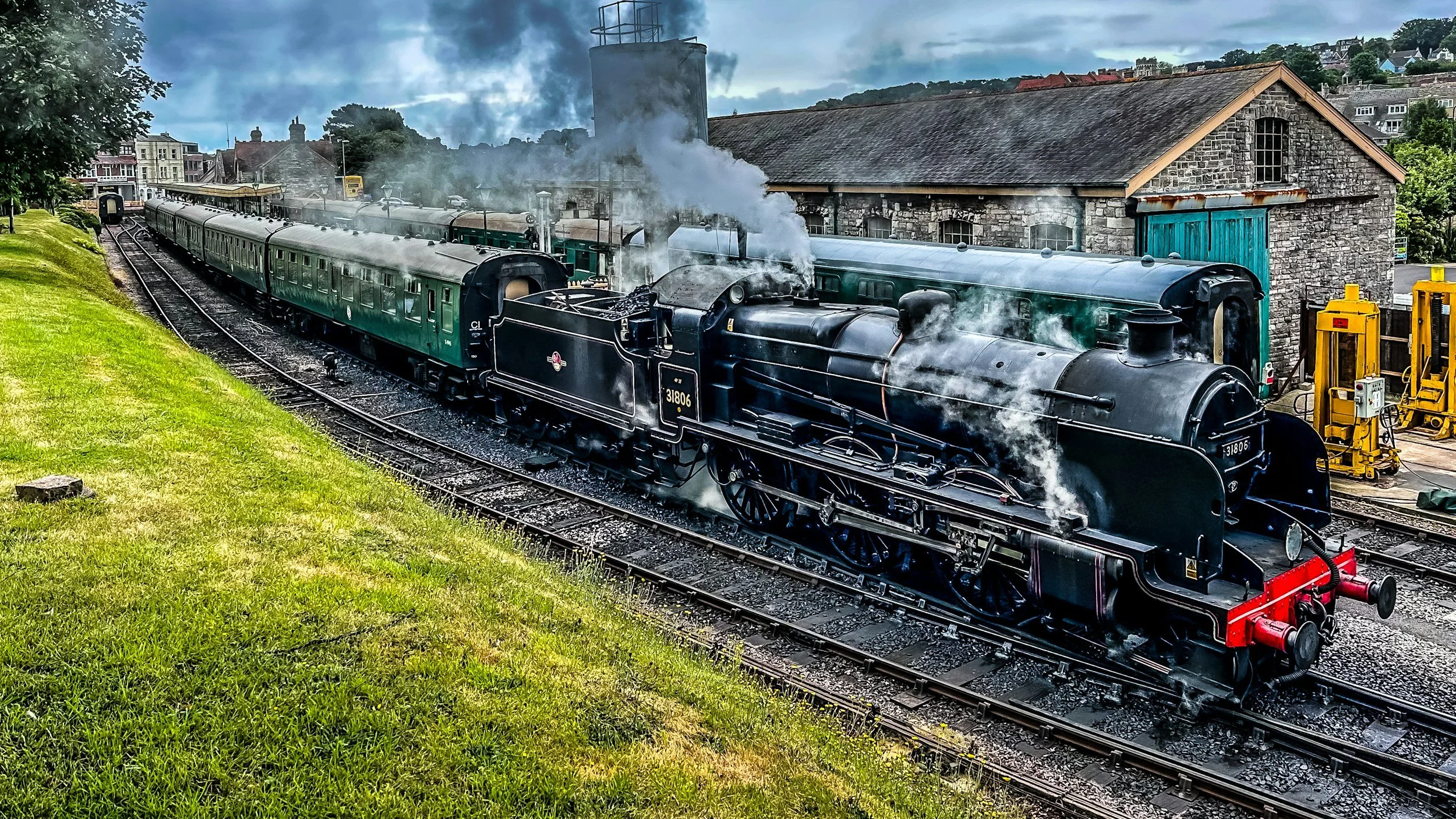
On weekends and bank holidays, the museum operates a small-scale passenger steam railway that circles the historic site. It is a favorite for families and offers a unique perspective on the external architecture of the waterworks.
The Waterworks Gallery: The Human Story
Beyond the engines, this gallery tells the story of London’s struggle for clean water—a battle against cholera, pollution, and the sheer logistical challenge of a city that was growing faster than any other in history. It provides the essential context for why these massive engines were built in the first place.
🍽️ The Steam Café and Local Exploration
After exploring the heat and noise of the engine houses, the museum offers several ways to decompress:
The Steam Café: Located in the former smithy, the café serves locally sourced cakes, artisanal coffee, and light lunches. It is a quiet, atmospheric spot surrounded by historic forge tools.
The Riverside Walk: Just outside the museum gates, the Thames Path offers a scenic stroll toward Kew Gardens or back toward the historic docks of Brentford.
-
The museum is at Green Dragon Lane, Brentford, TW8 0EN. It is directly opposite Kew Bridge Station (National Rail) and a short walk from Gunnersbury (District Line and Overground)
-
This is the most critical question for any visitor. The large steam engines are typically "in steam" on weekends and special event days. Always check the museum’s official "Steaming Calendar" before your visit to ensure you don't miss the giants in action.
-
Yes, the museum is an independent charity. Tickets generally cost between £15 and £20 for adults, but they often function as an "Annual Pass," allowing you to return for free for a full year.
-
The museum features interactive "Splash Zone" water play areas and simplified engineering exhibits designed to engage younger minds in the science of pressure and power.