Museum of Gloucester
Roman Walls and Medieval Masterpieces
The Roman Footprint: A Landscape of Ancient Foundations
Located in the heart of the city’s historic Eastgate street, the Museum of Gloucester sits directly atop the monumental remains of the Roman Glevum. Its landscape is one of vertical history; while the Victorian facade reflects the city’s 19th-century civic pride, the foundations descend deep into the 1st-century military stronghold of the Roman Empire. In 2026, it remains the premier destination for those seeking to understand how a legionary fortress evolved into a bustling medieval trade hub and finally a modern industrial city.
For the Explorers Insight reader, this is a tactical journey through the layers of Britain. The museum doesn't just display artifacts; it preserves the very walls that defined the Roman frontier, offering a visceral connection to the soldiers and citizens who walked these streets two millennia ago.
🧭 From Roman Glevum to the Gloucester Candlestick
The history of the Museum of Gloucester is a story of discovery, often unearthed during the city’s own urban redevelopments.
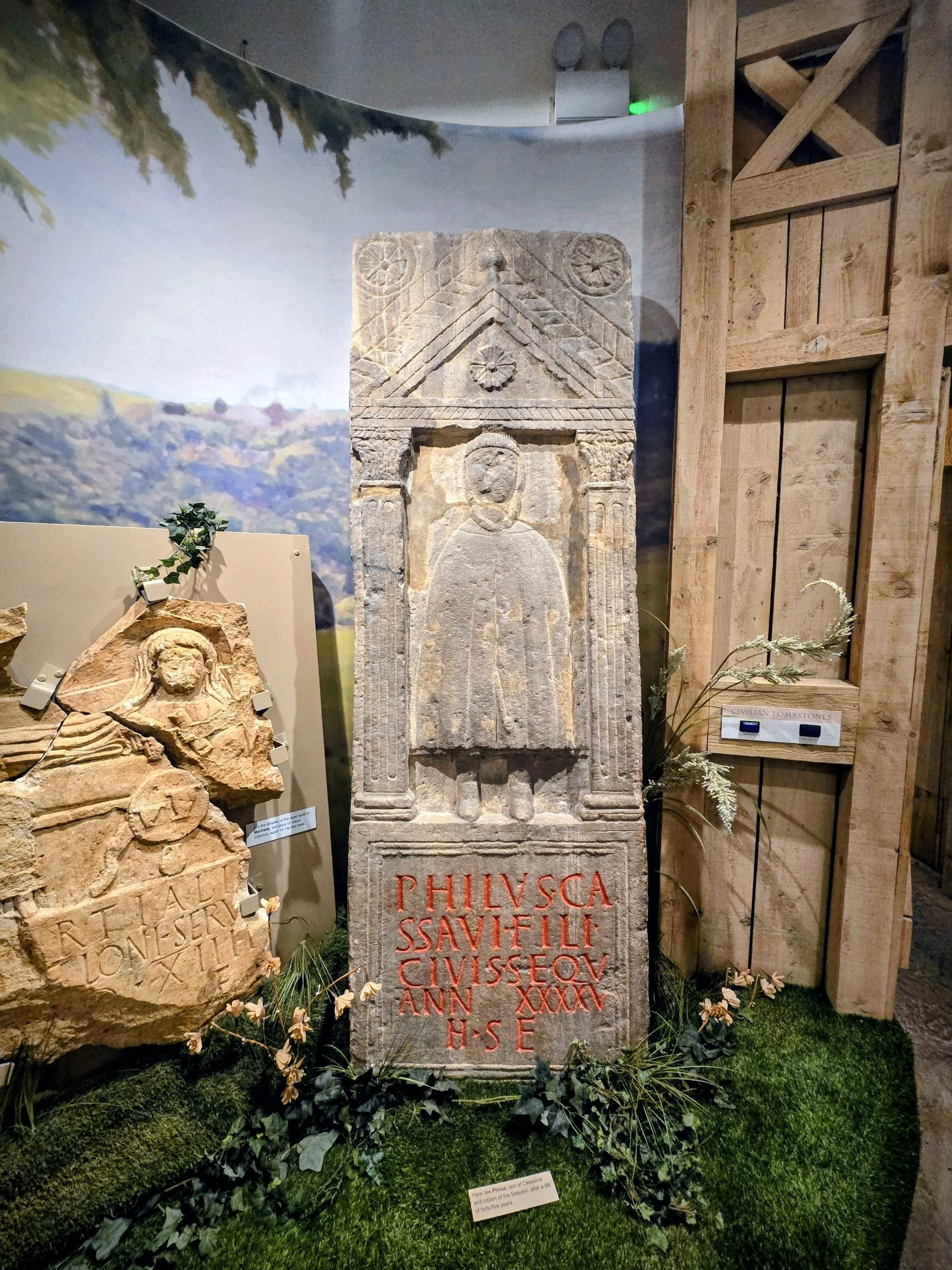
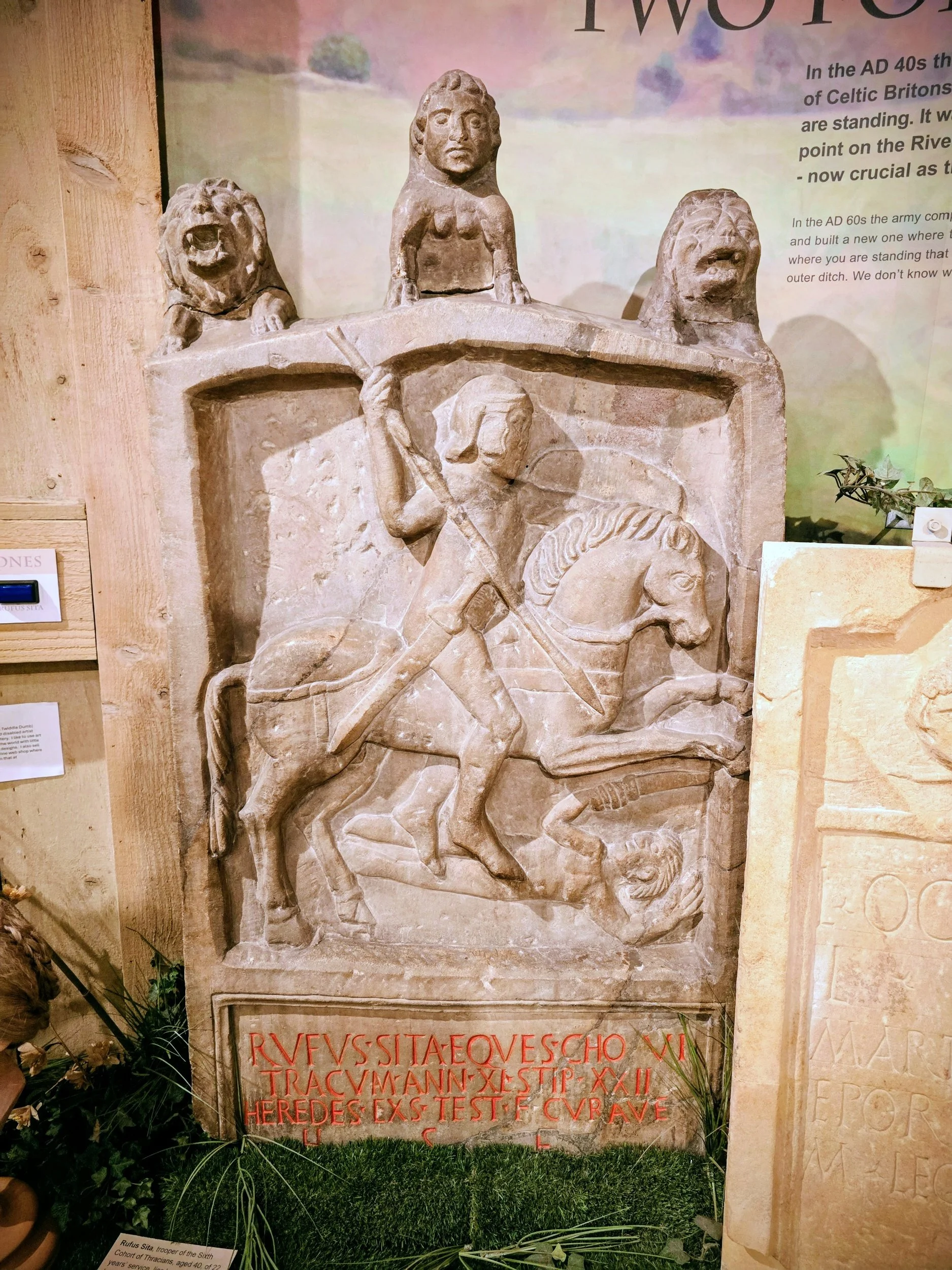
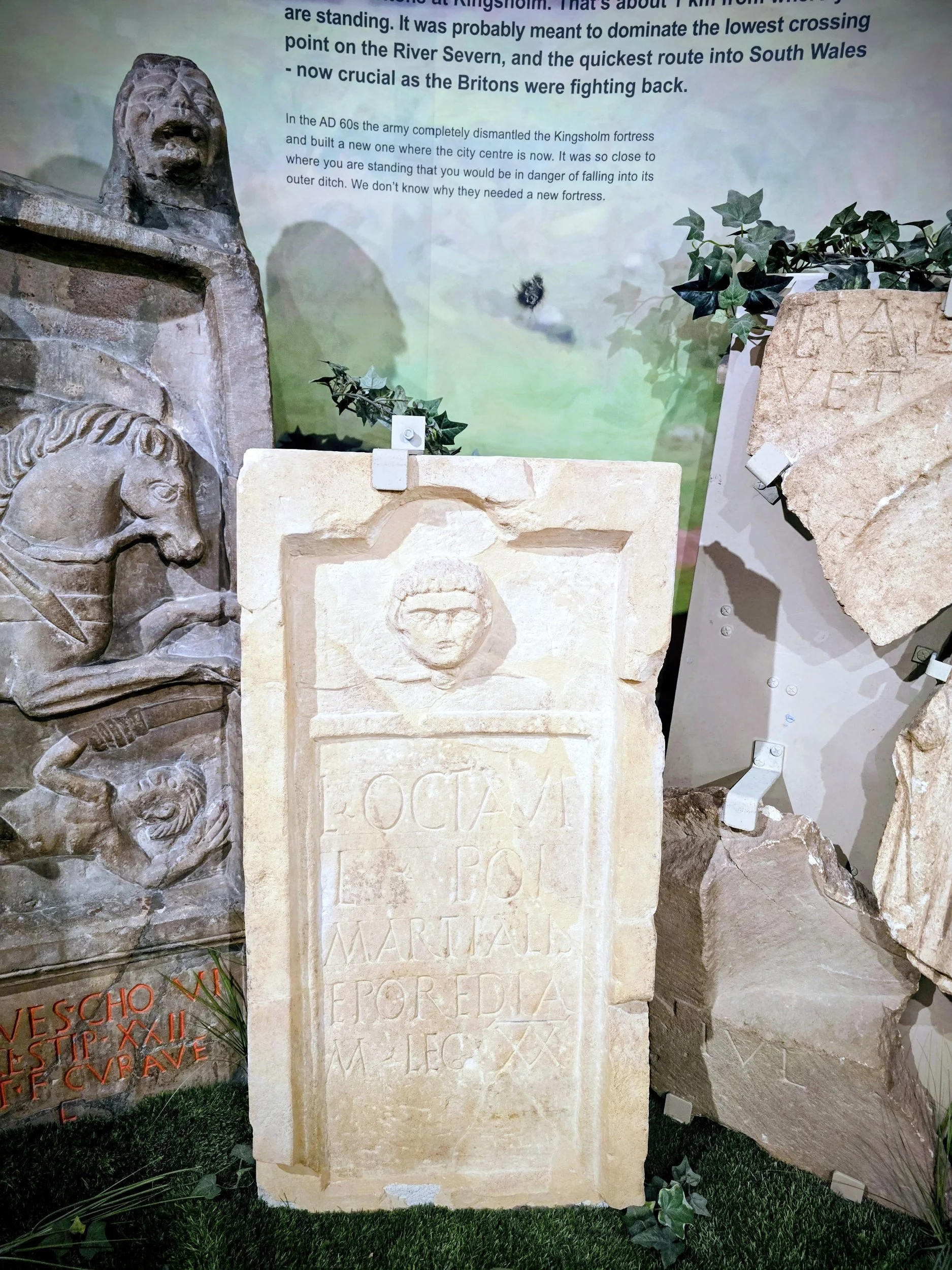
The Legionary Legacy: The museum houses the world-class Birdlip Mirror, a masterpiece of Celtic art, alongside the staggering remains of Roman mosaics and tombstone carvings. These pieces tell the story of the transition from Iron Age tribes to Roman citizens.
The Medieval Masterpiece: Perhaps the museum's most famous resident is the Gloucester Tabula set. This is the oldest and most complete 11th-century backgammon set in the world, carved from bone and found during excavations at the nearby castle site.
The Victorian Vision: Originally founded in 1860, the museum moved to its current Price & Sons building—a former Victorian school—capturing the era’s obsession with education and the preservation of "Old Gloucester."
🧭 Museum of Gloucester Hidden Gems: The Secrets of the Basement
While the ground floor galleries are impressive, the true hidden gems are often found below eye level or tucked away in specialized collections.
1. The Eastgate Chamber (The Roman Bastion)
While accessible via the museum, this is a separate underground experience.
The Insight: You can walk down into a subterranean chamber to see the massive Roman city wall and a 13th-century medieval gate tower. It is a hidden gem of urban archaeology that reveals the sheer scale of the city's ancient defenses.
2. The Wheatstone Collection
Sir Charles Wheatstone, the co-inventor of the telegraph and the concertina, was a Gloucester native.
The Experience: The museum holds a fascinating collection of his scientific instruments and musical inventions. It’s a quirky, intellectual hidden gem that showcases the city’s contribution to global communication technology.
3. The "Victorian Schoolroom" Aesthetic
Look up at the architecture of the building itself. The soaring timber-beamed ceilings of the main gallery are remnants of its life as a 19th-century school.
The Secret: The building's layout was designed to provide "maximum light for learning," which now serves as a perfect natural spotlight for the Roman sculptures below.
🧭 Specialized Tips for the 2026 Explorer
The "Roman Walk" Strategy: Before entering the museum, walk 100 yards east to the Eastgate Viewing Well in the middle of the street. Seeing the ruins from above provides the perfect mental "map" before you descend into the museum’s own Roman galleries.
Interactive Archaeology: If you are visiting with family, the museum has some of the best hands-on Roman exhibits in the Southwest. Check the 2026 schedule for "Object Handling" sessions, where you can actually touch fragments of Roman pottery under expert guidance.
The Cafe Connection: After your tour, visit the museum’s independent cafe. It’s a quiet local favorite that offers views of the historic streetscape, perfect for reviewing your photos of the Birdlip Mirror.
-
The museum operates on a "Pay What You Can" or small entry fee basis to support its conservation efforts. However, some special touring exhibitions may require a separate ticket.
-
To truly appreciate the Roman foundations and the medieval collections, allow at least 2 to 3 hours. If you add the Eastgate Chamber tour, add another 45 minutes.
-
Yes. Despite its historic nature, the museum has been modernized with lifts and ramps to ensure all galleries, including the lower Roman levels, are accessible to everyone.