National Waterways Museum Gloucester
The Engineering Heart of the Victorian Docks
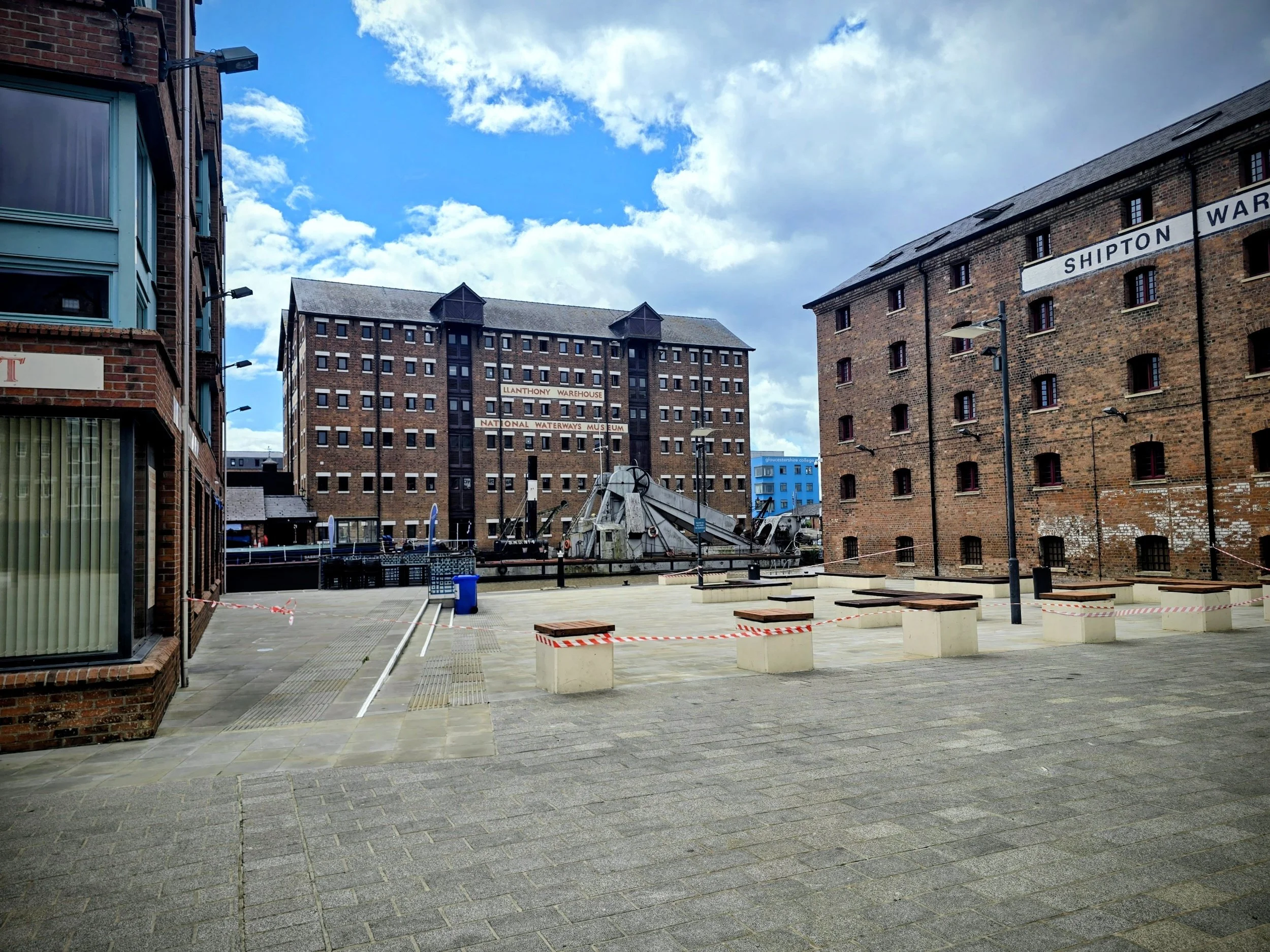
The Skyscrapers of the 19th Century: A Landscape of Brick and Basin
Housed within the massive, Grade II listed Llanthony Warehouse, the National Waterways Museum Gloucester stands as a monument to the golden age of British canals. Its landscape is defined by the stark, functional beauty of the Victoria Basin—a world of heavy iron cranes, deep-water quays, and the towering red-brick architecture that once earned these buildings the nickname "the skyscrapers of the 19th century." In 2026, the museum remains the definitive portal into the industrial revolution that transformed this inland city into a global port.
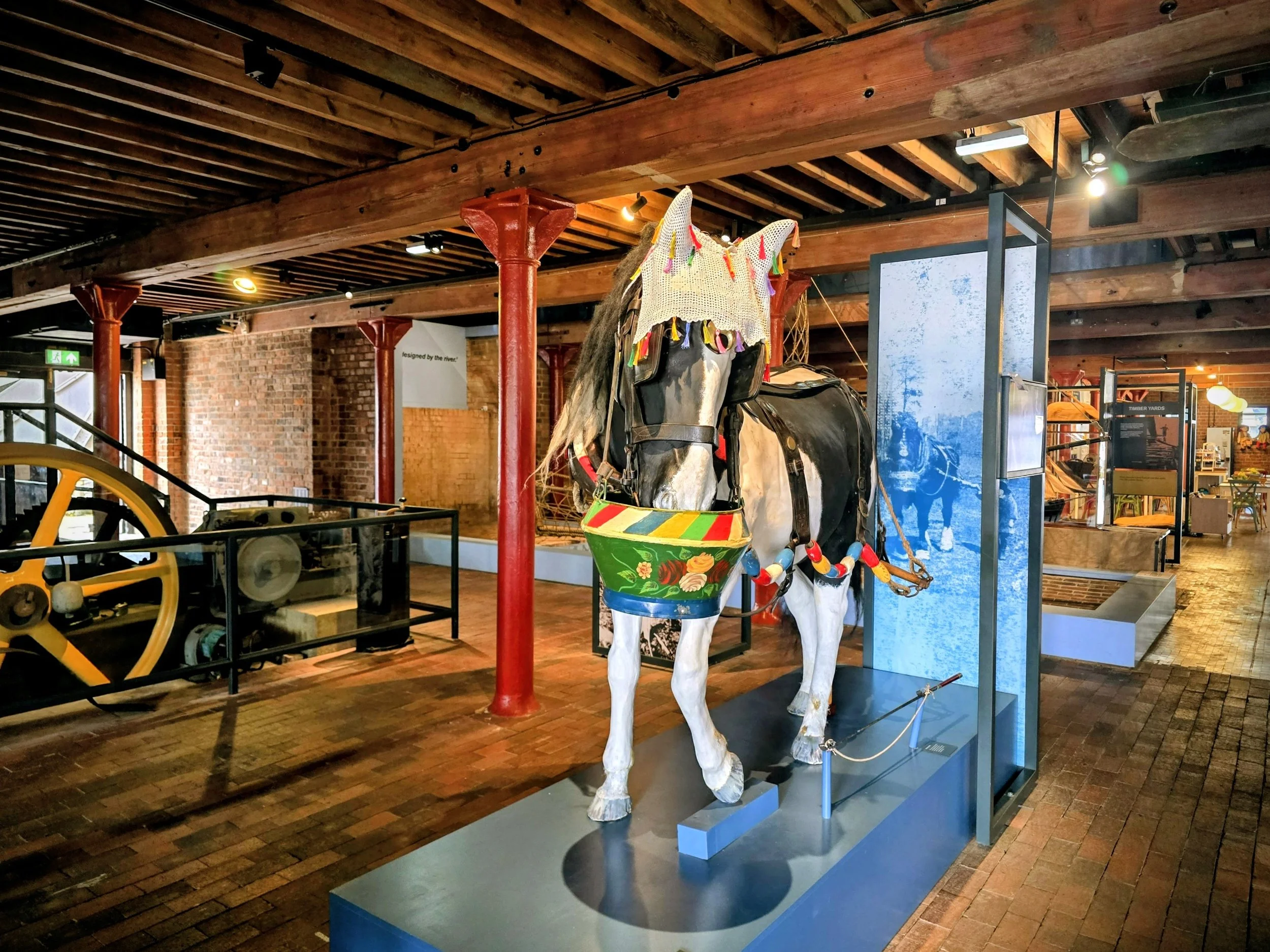
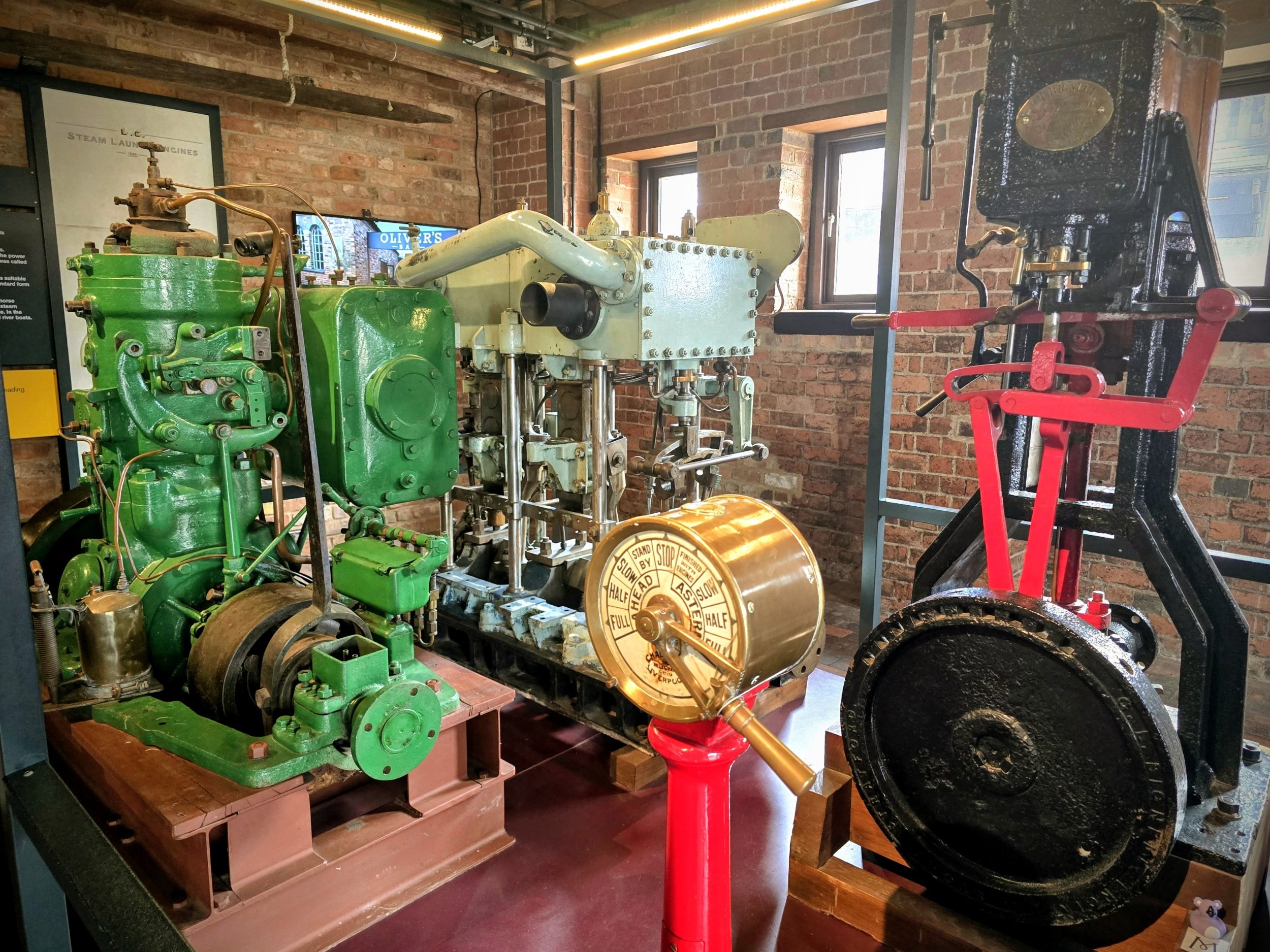
For the Explorers Insight reader, this is a masterclass in Victorian logistics. The museum meticulously preserves the transition from horse-drawn barges to steam-powered tugs, offering a tactile connection to the engineers and families who lived and worked on the "liquid highways" of the Gloucester & Sharpness Canal.
🧭 From the River Severn to the Sharpness Shortcut
The history of the museum is the story of Gloucester’s survival as a maritime power.
The Ship Canal Vision: By the late 1700s, the treacherous sands of the River Severn were choking the city's trade. The solution was a monumental feat of engineering: a 16-mile "ship canal" that bypassed the river's loops, allowing massive ocean-going vessels to reach the heart of the city.
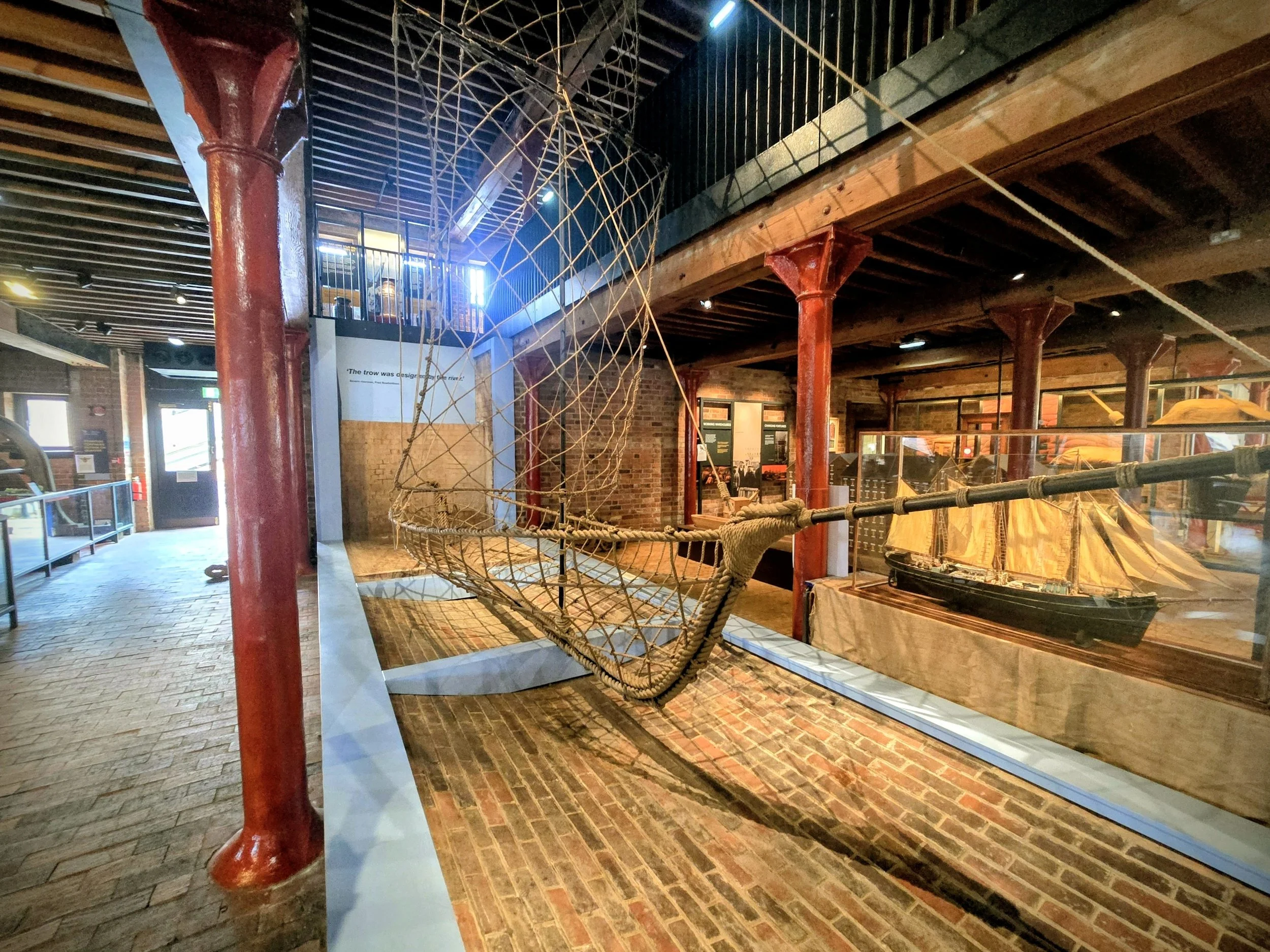
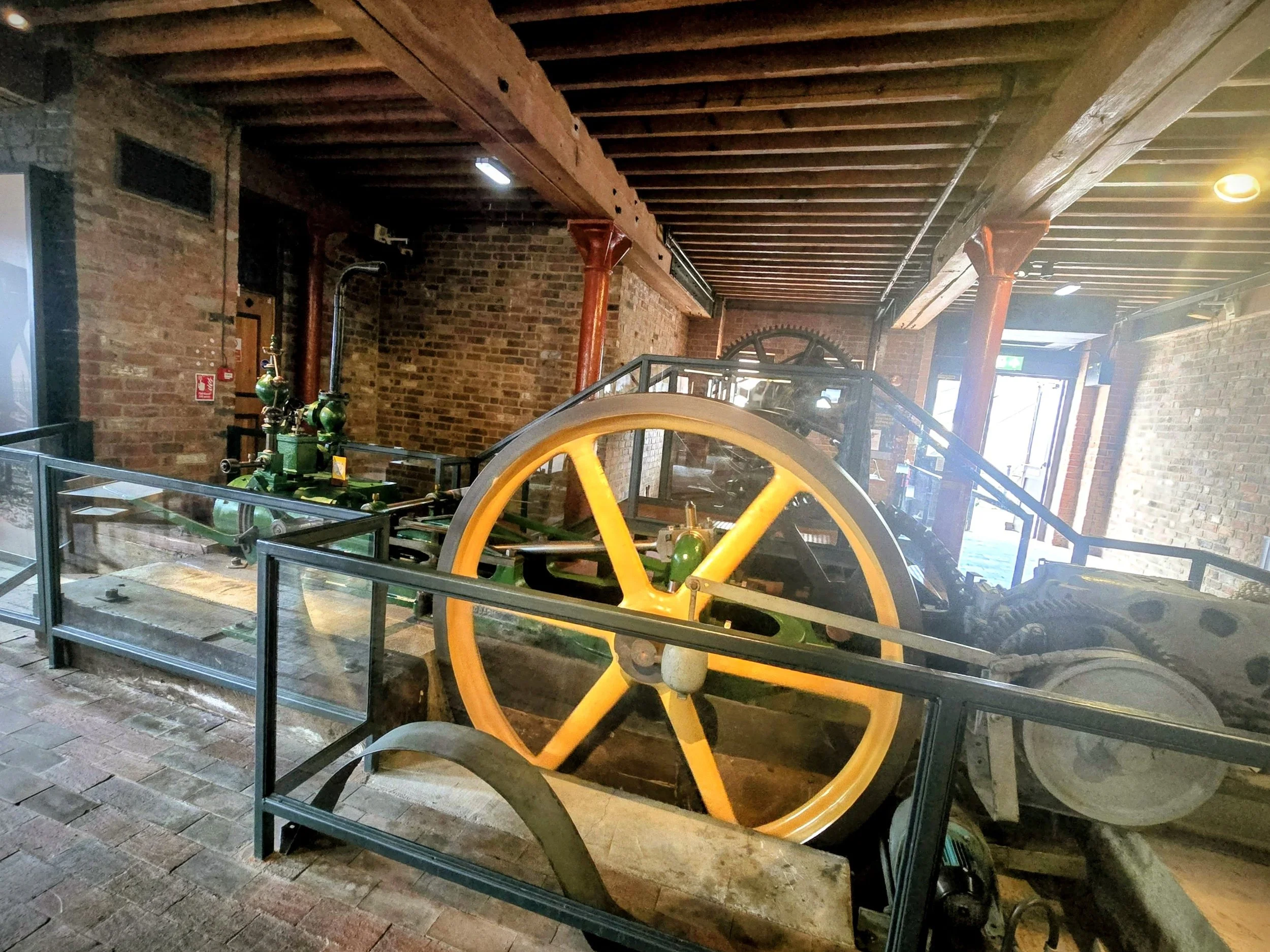
The Llanthony Warehouse: Built in 1873, the building itself is a primary artifact. It was designed to store grain, and its soaring interior timber columns and cast-iron windows reflect the immense structural strength required to hold thousands of tons of cargo.
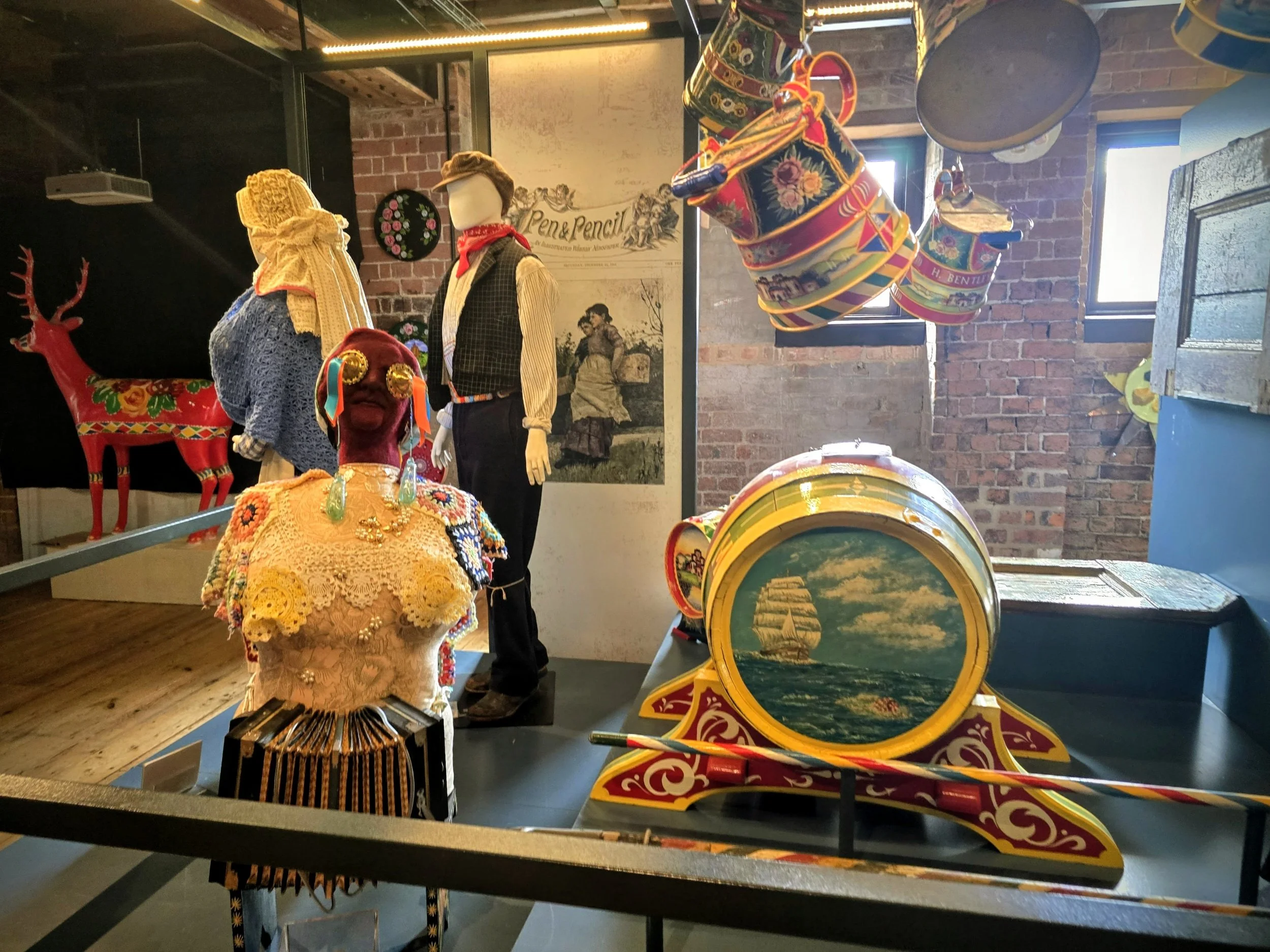
A Living Archive: Since its opening as a museum in 1988, the site has evolved into a world-class archive, holding the national collection of inland waterway boats and the machinery that powered the nation's trade.
🧭 Museum Highlights: The Mechanics of the Waterways
To truly understand the scale of the British canal system, you must focus on the specialized collections spread across the museum’s three floors.
1. The Historic Boat Collection
Moored directly in the basin outside the warehouse is a fleet of working vessels.
The Experience: You can step aboard the Sabrina, a classic Severn trow, or explore the narrow, cramped living quarters of a traditional canal boat. It provides a visceral sense of the "all-weather" reality of life on the water for the families who called these boats home.
2. The Steam Crane and Dredging Fleet
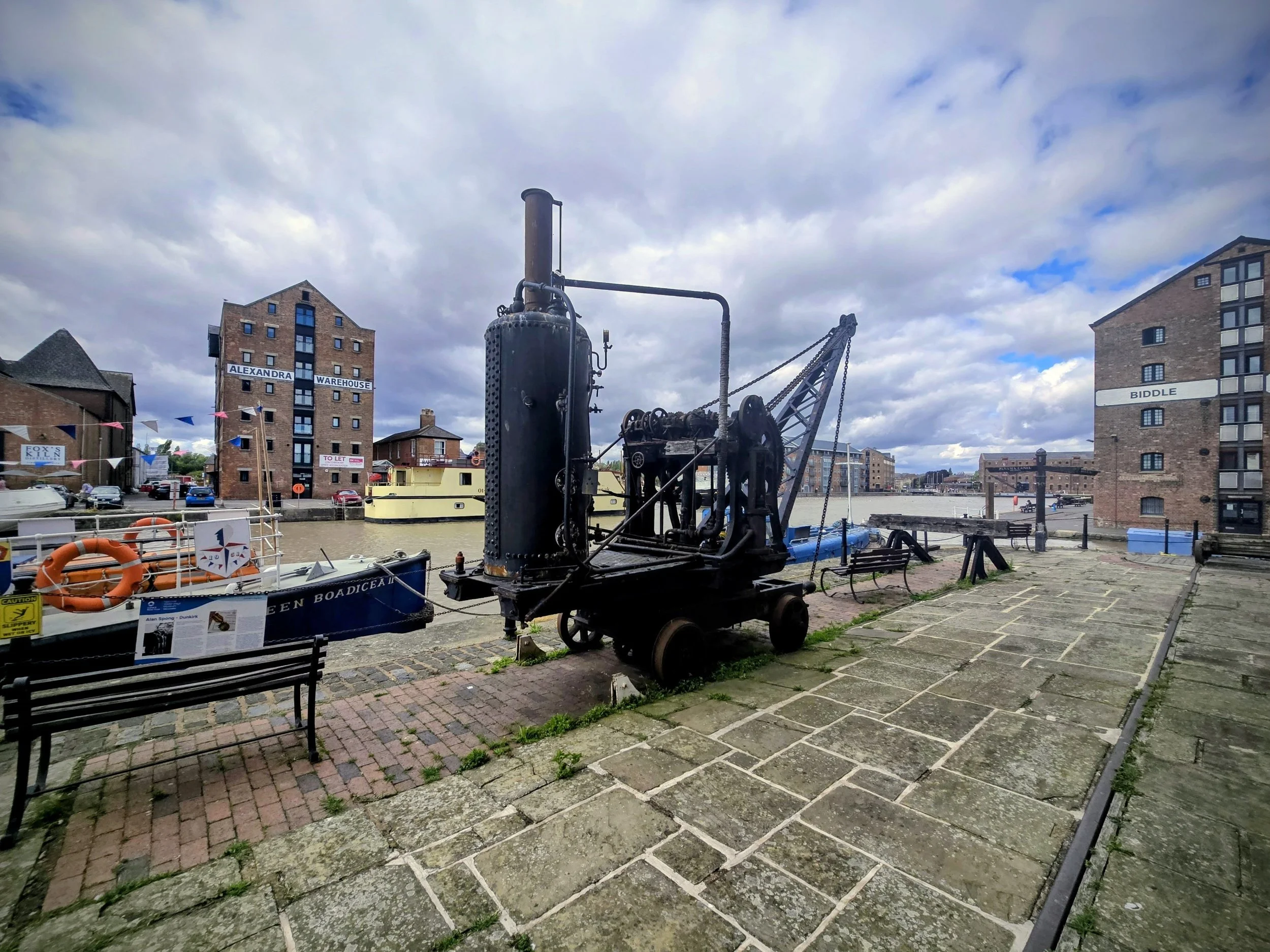
On the quayside stands the massive steam-powered crane, a relic of the days when muscle and coal moved the world's goods.
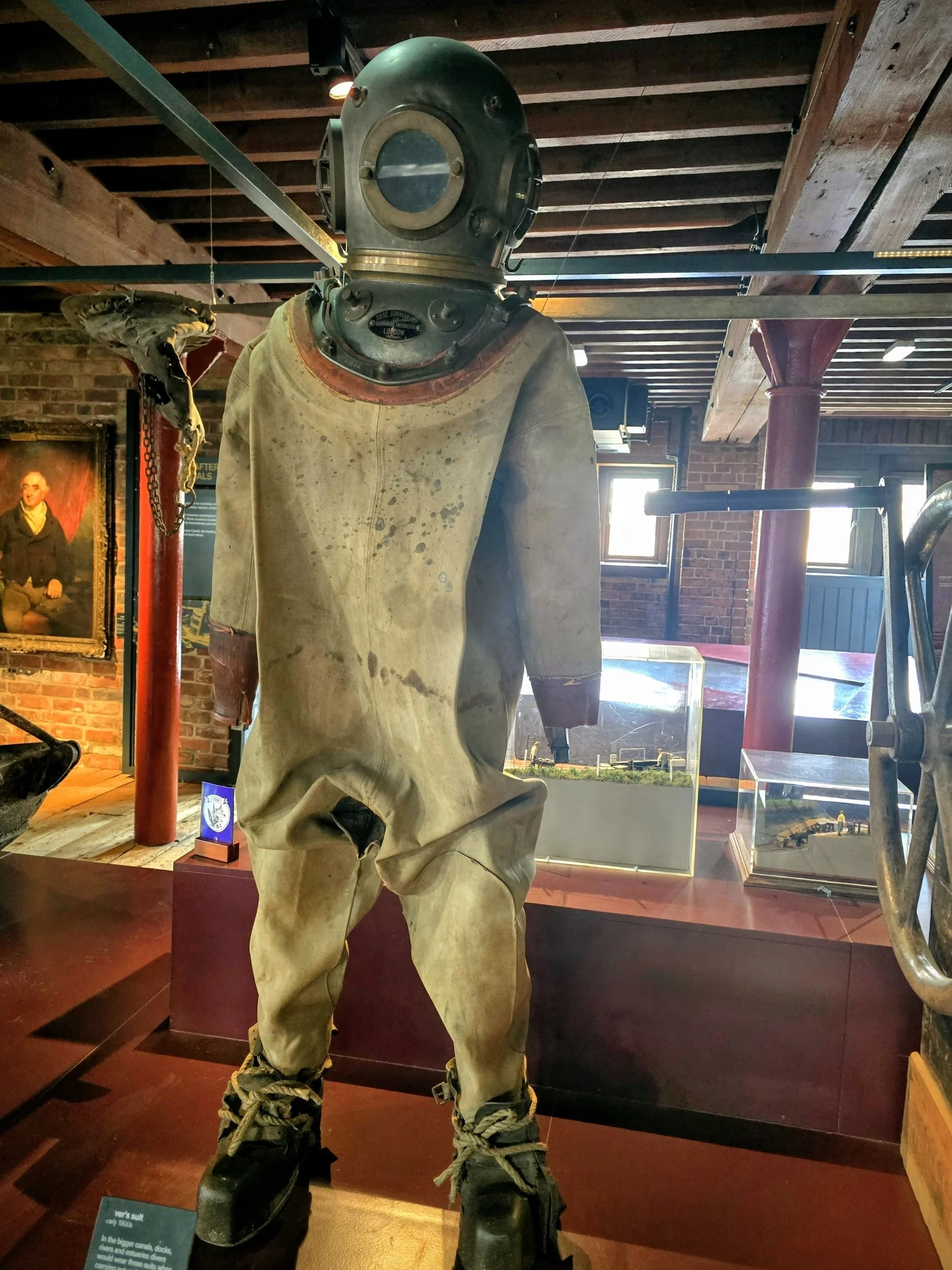
The Insight: The museum also maintains a rare collection of dredging equipment. Maintaining a constant depth in the canal was a 24/7 battle against silt, and the heavy iron buckets and chains on display showcase the relentless maintenance required to keep the port open.
3. The "Power of the Water" Gallery
The upper floors detail the ingenious ways Victorians used water not just for transport, but as a source of energy.
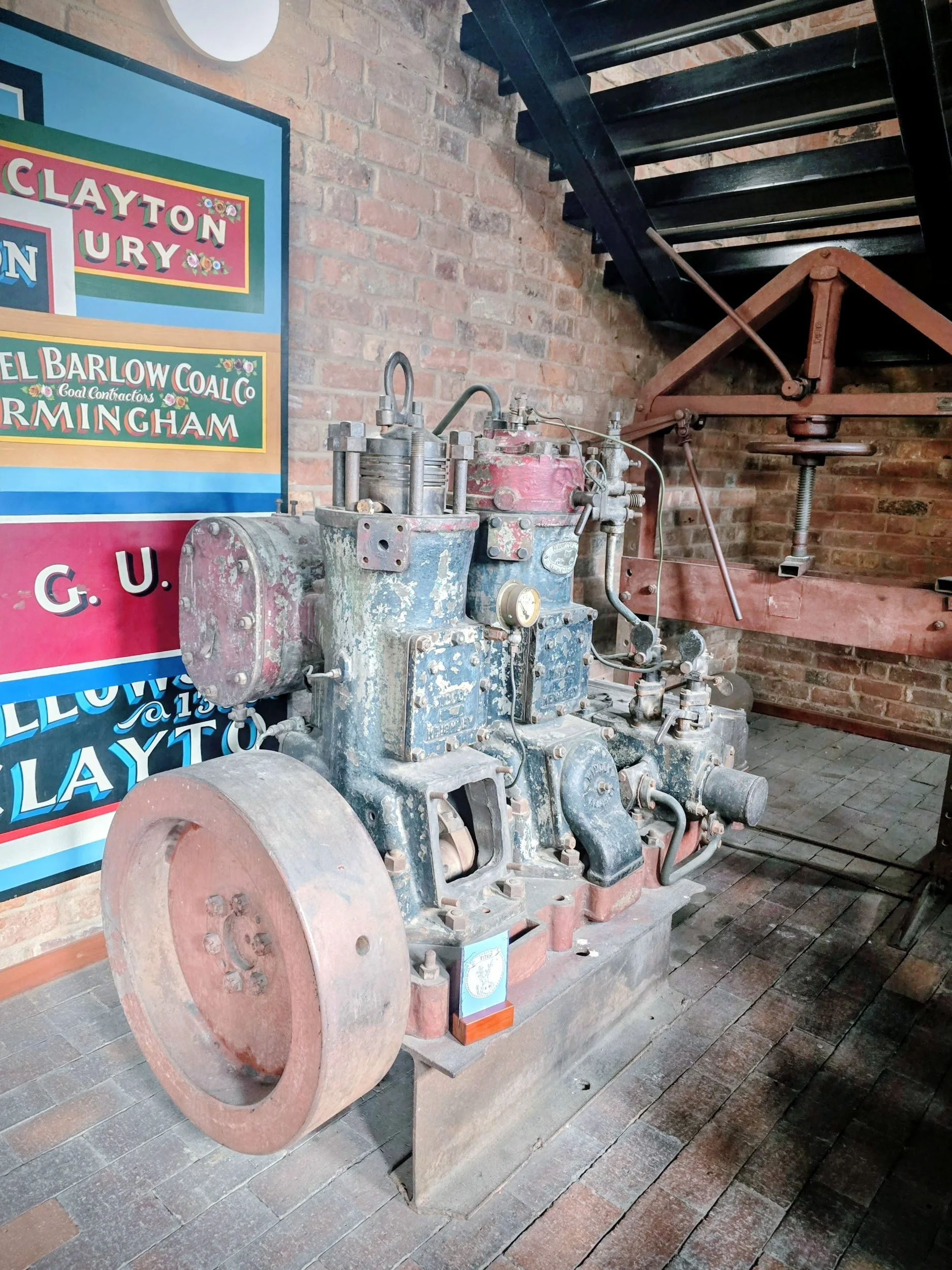
The Feature: From early wooden lock gates to complex hydraulic systems, the gallery explains the physics of the canal. You can see the original weighing machines and grain chutes that made the Llanthony Warehouse a marvel of 19th-century efficiency.
🧭 Specialized Tips for the 2026 Explorer
The "Boat Trip" Strategy: In the spring and summer months, the museum operates 45-minute boat trips along the Gloucester & Sharpness Canal. Taking this trip before exploring the galleries gives you the necessary "water-level" perspective of the docks' scale.
The Warehouse Architecture: Take a moment on the top floor to look at the roof timbers. The massive beams were imported from the Baltic and North America, a direct result of the very trade that the warehouse was built to facilitate.
The Dockland Circuit: After visiting the museum, walk the full perimeter of the Victoria and Alexandra Basins. This 20-minute circuit allows you to see the museum building from across the water, emphasizing how it dominates the Victorian skyline.
-
Yes. The Llanthony Warehouse has been fully modernized with a lift that serves all three floors of the galleries. The quayside area is flat, though some historic boats may have steep steps for boarding.
-
To fully engage with the interactive displays and the boat collection, we recommend allowing 2.5 to 3 hours. If you plan to take a canal boat trip, add an extra hour to your itinerary.
-
Yes. The ground-floor cafe and the well-stocked museum shop are open to the public without a museum ticket, offering an excellent view of the docks for a quick coffee break.