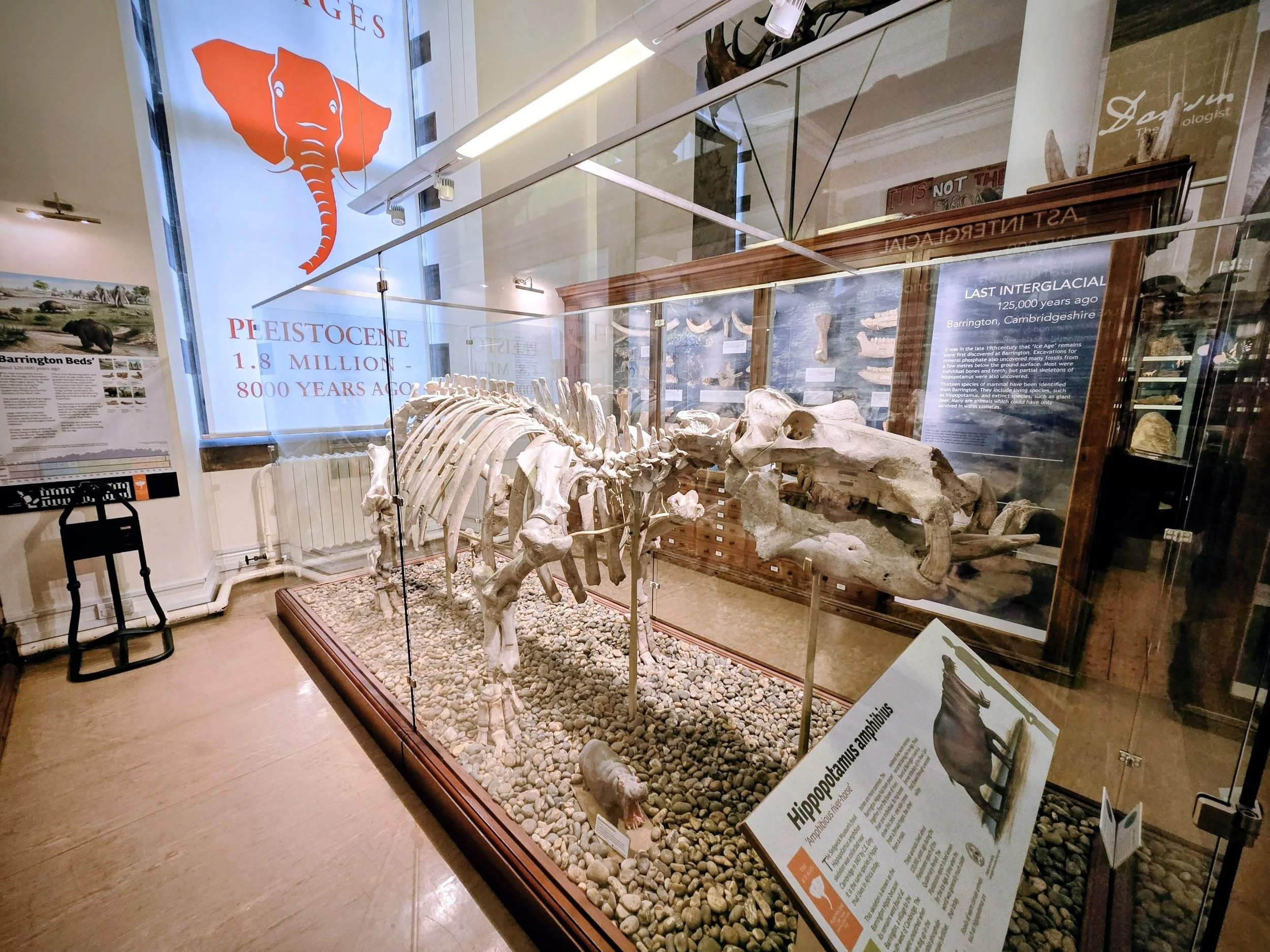
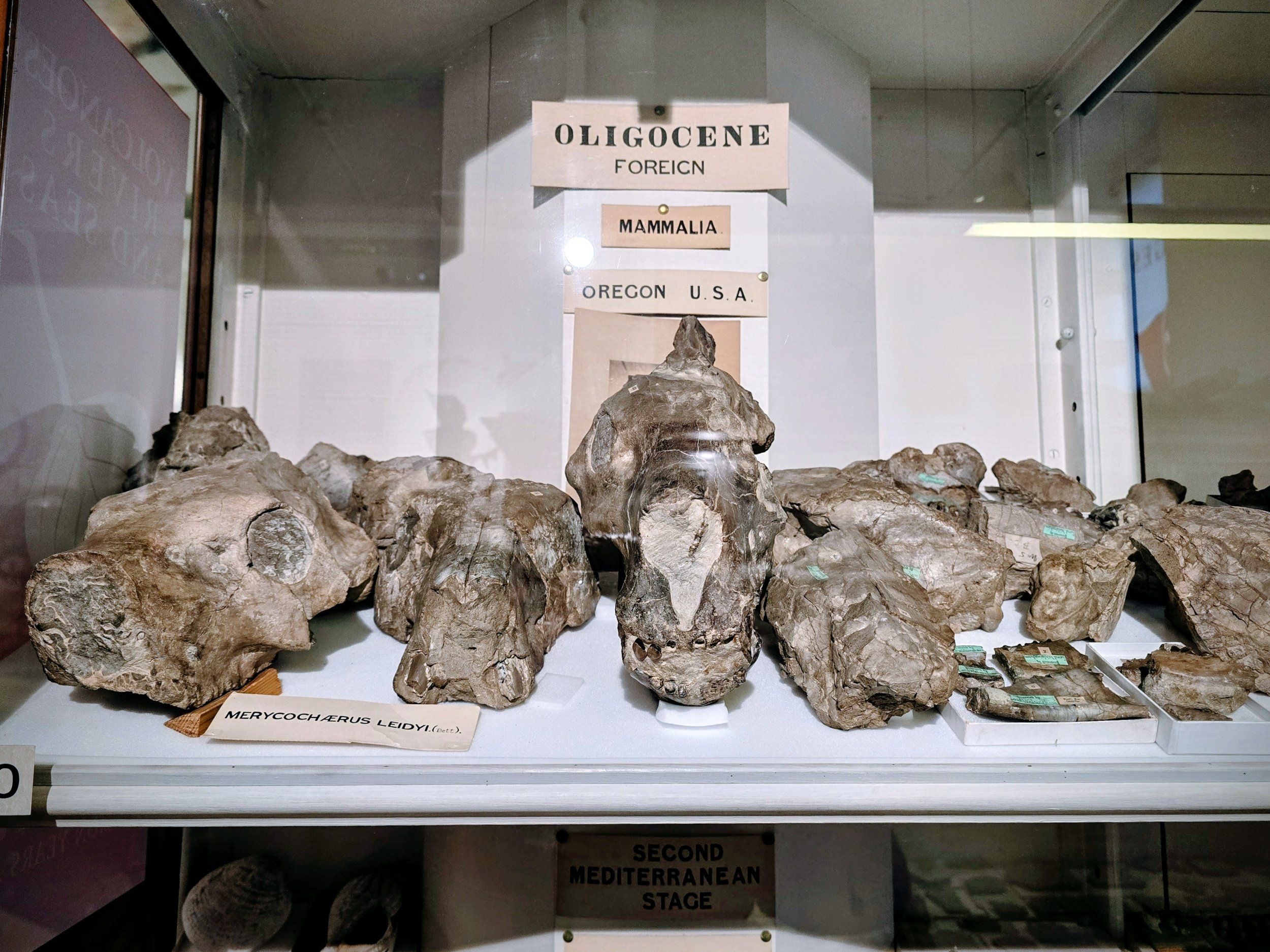
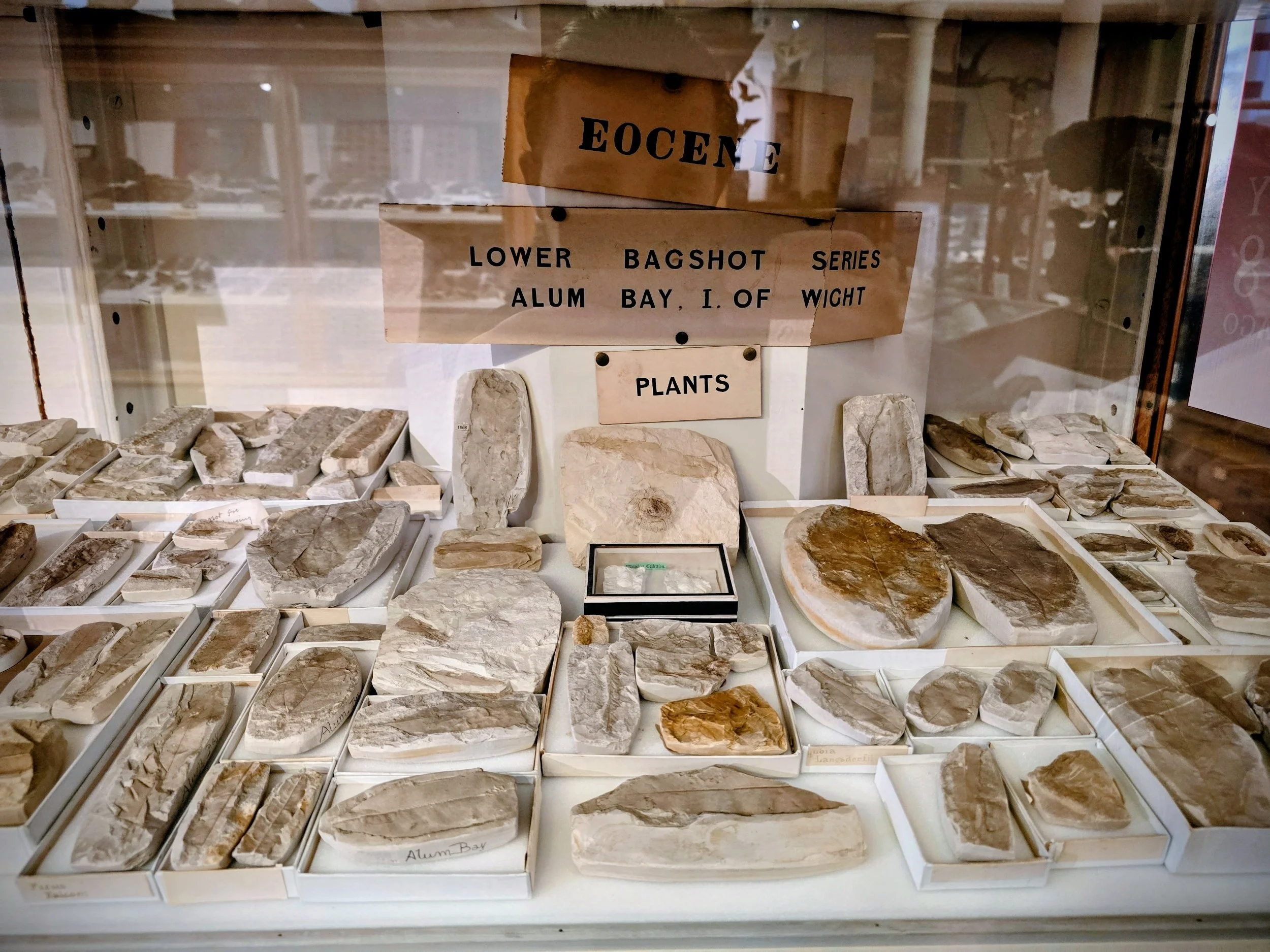
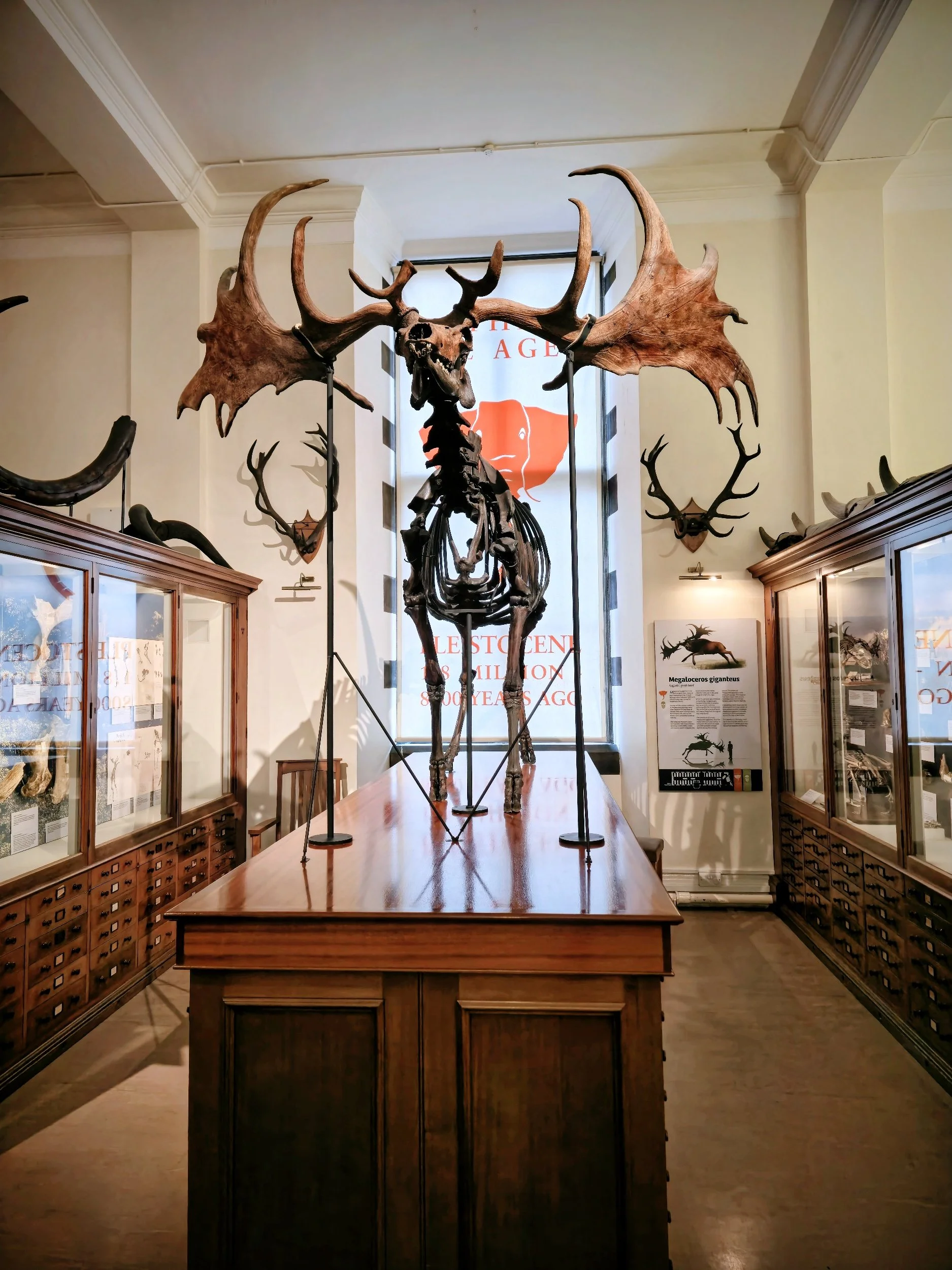
Sedgwick Museum of Earth Sciences
A 4.5 Billion Year Journey Through Deep Time
The Architecture of Evolution and the Legacy of Adam Sedgwick
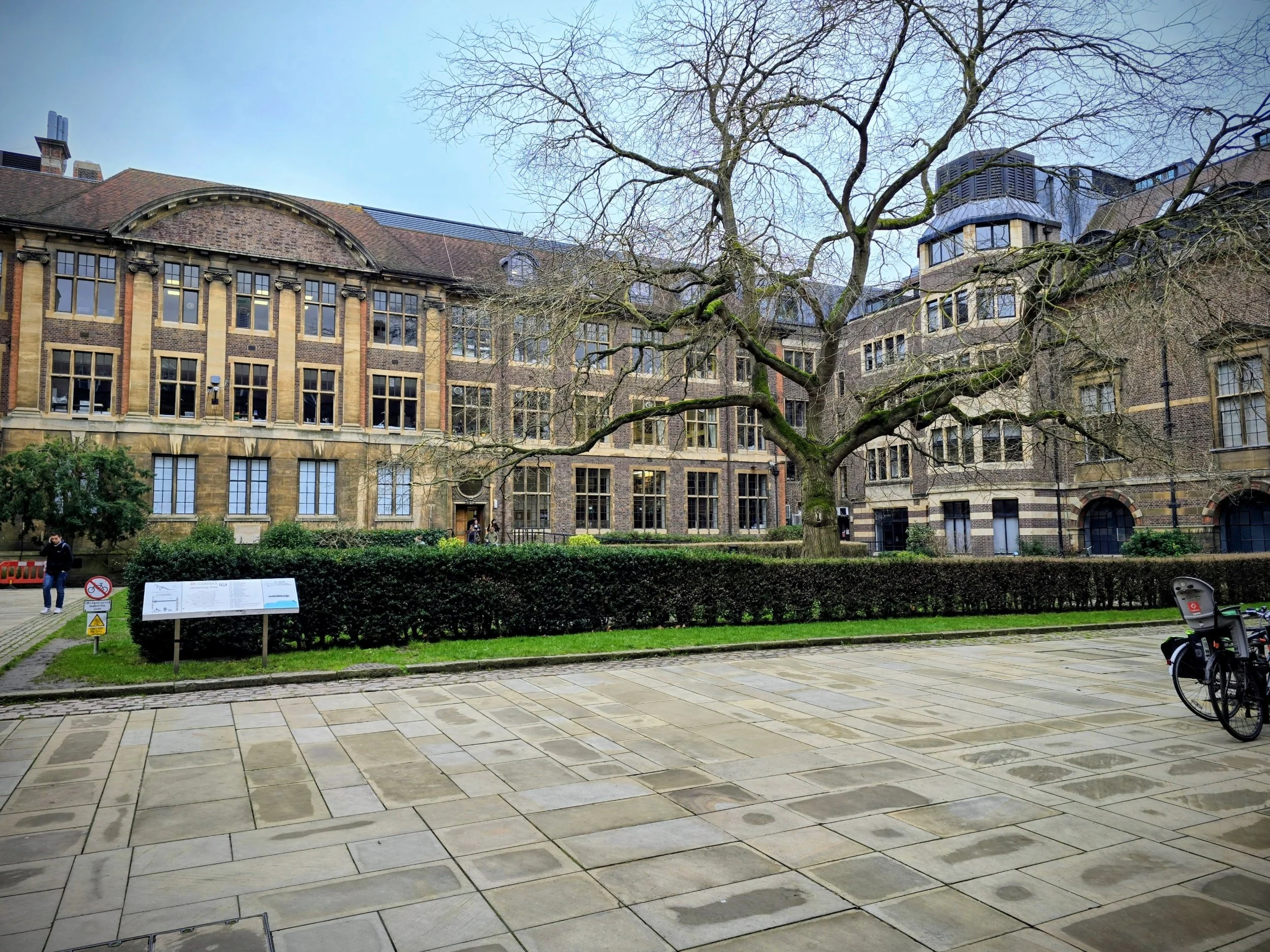
Tucked away on Downing Street within the historic Downing Site, the Sedgwick Museum of Earth Sciences serves as the University of Cambridge’s oldest and most profound window into the physical history of our planet. While its neighbors focus on the short-term triumphs of human archaeology or modern technology, the Sedgwick operates on the scale of "Deep Time"—a narrative that begins with meteoritic building blocks 4.5 billion years ago and ends with the very stones that build the city of Cambridge today.
For the Explorers Insight reader, this museum is a masterclass in the evolution of scientific thought. In the London and Cambridge of 2026, where we often prioritize the digital, the Sedgwick offers a tangible, fossilized record of the immense forces that have shaped—and continue to reshape—our world.
The Woodwardian Foundations: The World’s Oldest Intact Collection
The museum's origin story is as much about the preservation of cabinets as it is about the preservation of bones. Founded in 1728, the collection began with Dr. John Woodward, a physician who bequeathed nearly 10,000 specimens to the University.
The Woodwardian Cabinets: Unlike many modern museums that rotate their stock, the Sedgwick still houses Woodward’s original collection in the very 18th-century walnut cabinets he commissioned.
A Historical Insight: These cabinets represent the "birth of the catalog." At a time when most collections were disorganized "cabinets of curiosities," Woodward’s meticulous indexing provided the blueprint for the modern scientific museum.
The Darwinian Connection: From Geologist to Evolutionary Icon
While Charles Darwin is synonymous with biology, he began his career as a geologist. Much of his early work was fueled by his mentor, Adam Sedgwick, the museum’s namesake and the man who defined the Cambrian and Devonian periods.
The museum holds approximately 2,000 rocks and fossils collected by Darwin during his voyage on the HMS Beagle. These specimens were not just "souvenirs"; they were the data points that allowed Darwin to understand the slow, agonizing pace of geological change—an insight that provided the necessary timeframe for his theory of natural selection.
The Iguanodon Paradox: A Victorian Error Preserved
One of the most charming insights into the museum's history is the towering Iguanodon skeleton near the entrance. In 2026, we know the Iguanodon was a quadruped that likely walked on all fours with a horizontal posture. However, the Sedgwick’s specimen is mounted in a kangaroo-like, upright stance—a reflection of the Victorian scientific consensus at the time of its assembly.
"We leave the Iguanodon in its upright position not as a mistake, but as a monument to the history of scientific correction. It serves as a reminder that science is a process, not a final destination."
🧭 Strategic Insights: The Geographical Legacy of the Sedgwick Collection
The true value of the Sedgwick Museum of Earth Sciences is revealed when you look beyond the glass cases and study the John Watson Building Stone Collection. This specific archive contains over 2,500 specimens of traditional building stones, roofing slates, and decorative marbles that were in use across Britain and its colonies during the 19th and early 20th centuries. For the explorer, this collection explains the very "DNA" of the Cambridge skyline; it shows exactly why a college like King's uses specific limestone while a Victorian terrace in London uses another. To maximize your experience, we recommend starting at the Mineral Gallery, where the "meteoritic building blocks" provide a chemical context for the planet, before moving through the fossil aisles to see how those minerals eventually formed the shells and bones of the Jurassic seas.
-
The museum is located on Downing Street (CB2 3EQ) in the center of Cambridge. From the Cambridge Train Station, it is a 15-minute walk or a short ride on the Universal 'U' bus to the nearby Chemistry Department stop.
-
Admission to the Sedgwick Museum is free for all visitors. As a university teaching museum, it remains committed to open access for researchers, students, and the general public.
-
Yes. Adam Sedgwick was an early supporter of Mary Anning, the pioneering fossil hunter from Lyme Regis. The museum proudly displays several spectacular ichthyosaur and plesiosaur skeletons that Sedgwick purchased directly from her in the 1830s.
-
Absolutely. While it is an older building, there is a platform lift available. Visitors are encouraged to use the intercom at the entrance on Downing Street for assistance from the museum staff.