
The Royal Green
A Day of Botanical Wonder and Wild Vistas in Kew and Richmond
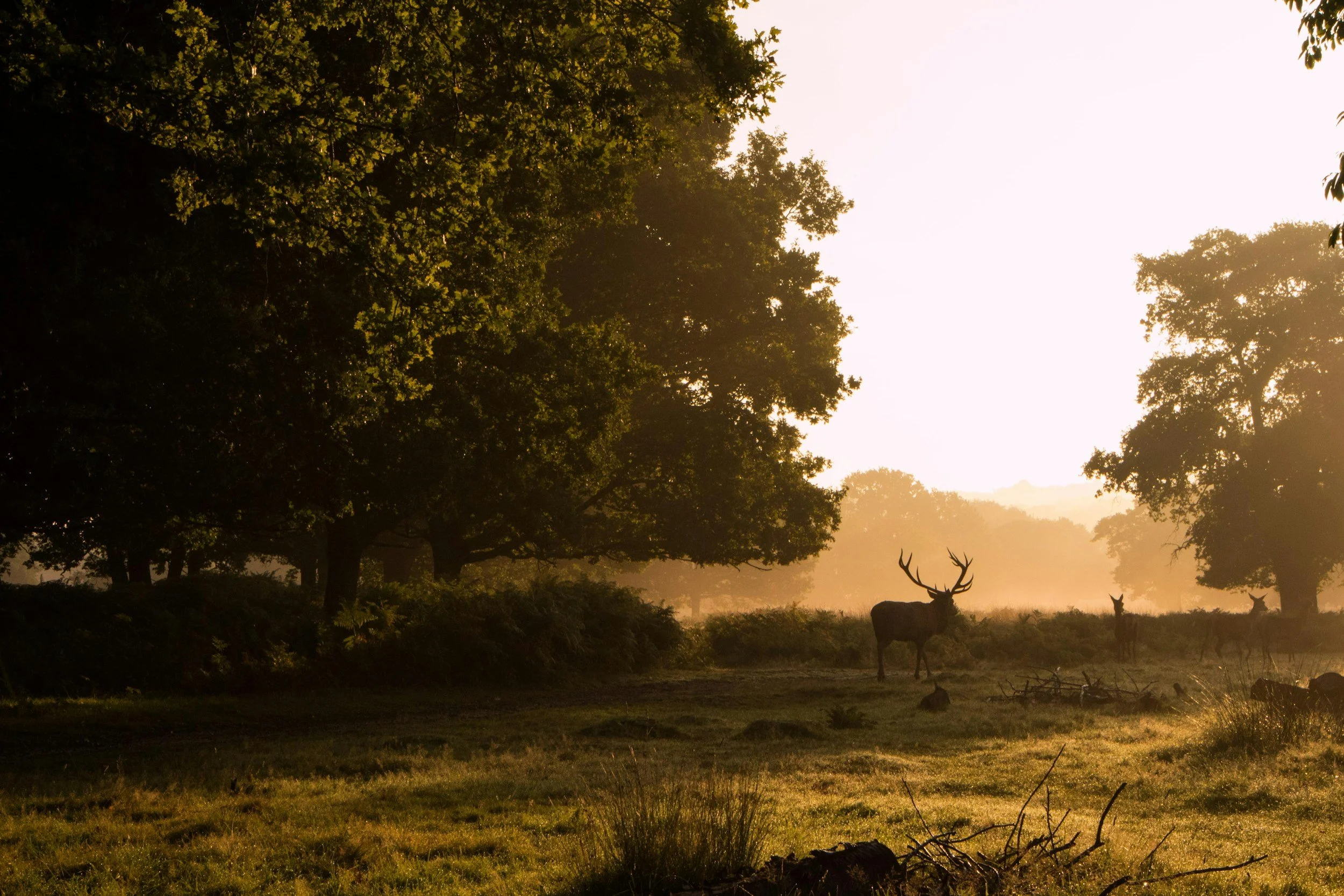
For those seeking the pinnacle of London’s natural beauty, the southwestern stretch of the River Thames offers a landscape that has inspired kings, poets, and scientists for centuries. This "Explorers Insight" itinerary bridges the gap between the meticulously curated science of Royal Botanic Gardens, Kew and the untamed, sprawling wilderness of Richmond Park.
Spanning nearly 4,000 acres of green space, this journey is a masterclass in the English love affair with nature. Whether you are a photography enthusiast, a history buff, or simply in search of a quiet escape from the urban grind, this day-long trek provides a profound look into the "Royal Green" of London.
Part 1: Morning – The Living Library (Kew Gardens)
Your day begins at the Victoria Gate entrance to Kew Gardens. Founded in 1759, Kew is much more than a park; it is a global research institution and a UNESCO World Heritage site. By entering as the gates open (typically 10:00 AM), you beat the crowds and catch the morning light as it filters through the glass of the iconic Victorian conservatories.
The Palm House: A Glass Cathedral
Start your journey by heading straight to the Palm House. This 1844 iron-and-glass masterpiece, designed by Decimus Burton, is arguably the most recognizable garden structure in the world. As you step inside, the climate shifts instantly to a tropical humid heat.
The Insight: Do not just walk the ground level. Climb the spiral wrought-iron staircase to the high walkway. Looking down from the canopy at the rare palms and cycads allows you to appreciate the architectural symmetry of the glass ribs against the lush green fronds.
The Temperate House: A Victorian Marvel
A short stroll south leads you to the Temperate House, the largest Victorian glasshouse in existence. Having undergone a massive restoration completed in late 2018, it shines in the morning sun. It houses plants from all the world’s temperate zones, including the Jubaea chilensis, one of the world’s tallest indoor palms.
The Hive and the Great Pagoda
For a modern contrast, visit The Hive, a 17-meter high multi-sensory installation designed to mimic the life of a bee colony. Using sensors from a real beehive at Kew, the structure's 1,000 LED lights and orchestral sounds pulse according to the bees' activity.
The Insight: For a dash of "Chinoiserie," head to the far end of the gardens to see the Great Pagoda. Built in 1762, it was a 2026 favorite for its recently restored dragon carvings. If you have the stamina, climb the 253 steps for a view that stretches all the way to Windsor Castle.
Part 2: Midday – The Riverside Transition (Kew to Richmond)
Exit Kew Gardens via the Lion Gate (near the Pagoda). From here, it is a pleasant 20-minute walk or a short bus ride (the 65 bus) to Richmond Town Centre.
Lunch by the Thames
Richmond is one of London’s most affluent and charming riverside neighborhoods. For lunch, follow the "Explorers Insight" and head down to the riverfront at Richmond Riverside.
The Recommendation: Dine at The White Cross or Stein’s for an al fresco experience overlooking the water. In the spring and summer of 2026, the river is alive with rowers and paddleboarders, providing a lively backdrop to your meal.
Part 3: Afternoon – The Wild Frontier (Richmond Park)
After lunch, prepare for a change in atmosphere. Walk up the steep Richmond Hill—the only view in England protected by an Act of Parliament. From the terrace, you can see the famous "turn" of the Thames, a view painted by J.M.W. Turner and Sir Joshua Reynolds.
Enter Richmond Park through Richmond Gate. This is the largest of London's Royal Parks (2,500 acres) and has been a royal hunting ground since Charles I moved his court here in 1637 to escape the plague.
The Resident Monarchs: Red and Fallow Deer
The park is home to 630 free-roaming red and fallow deer. They are the true masters of this landscape.
The Insight: While the deer are accustomed to people, stay at least 50 meters away. In late 2025 and early 2026, the park rangers introduced stricter enforcement of these zones to protect the wildlife. For the best photos, head toward the White Lodge area or the wooded "drifts" where the stags often congregate.
Isabella Plantation: An Explosion of Color
Hidden in the center of the park is the Isabella Plantation, a 40-acre woodland garden. If you are visiting in late April or early May, the azaleas and rhododendrons create a neon-bright labyrinth of pinks and purples that feel almost surreal. Even outside of bloom season, its ponds and secret clearings offer a tranquil contrast to the open plains of the park.
King Henry’s Mound: The Secret Corridor
On the western edge of the park sits an ancient neolithic barrow known as King Henry’s Mound. Legend says this is where Henry VIII stood to watch for a signal flare from the Tower of London, indicating that Anne Boleyn had been executed.
The Insight: Peer through the telescope on the mound. You will see a perfectly framed view of St. Paul’s Cathedral, over 10 miles away. This "protected vista" means that no building can ever be constructed between this spot and the cathedral, preserving a sliver of history across the modern skyline.