The Frozen Archive
Decoding the Exploratory Heritage of The Polar Museum
In the heart of Cambridge, housed within a building that mirrors the stark, functional elegance of a research vessel, lies The Polar Museum. Part of the Scott Polar Research Institute Click to open side panel for more information (SPRI), this is not merely a collection of cold-weather artifacts; it is a repository of human endurance, scientific ambition, and the shifting geopolitical narratives of the Earth’s most extreme environments.
For the Explorers Insight reader, the museum offers a unique "deep dive" into the Heroic Age of Antarctic Exploration, providing a masterclass in how material culture—from sledges to silk undershirts—tells the story of the edge of the world.
A Legacy of Loss and Discovery: The Museum’s Origin
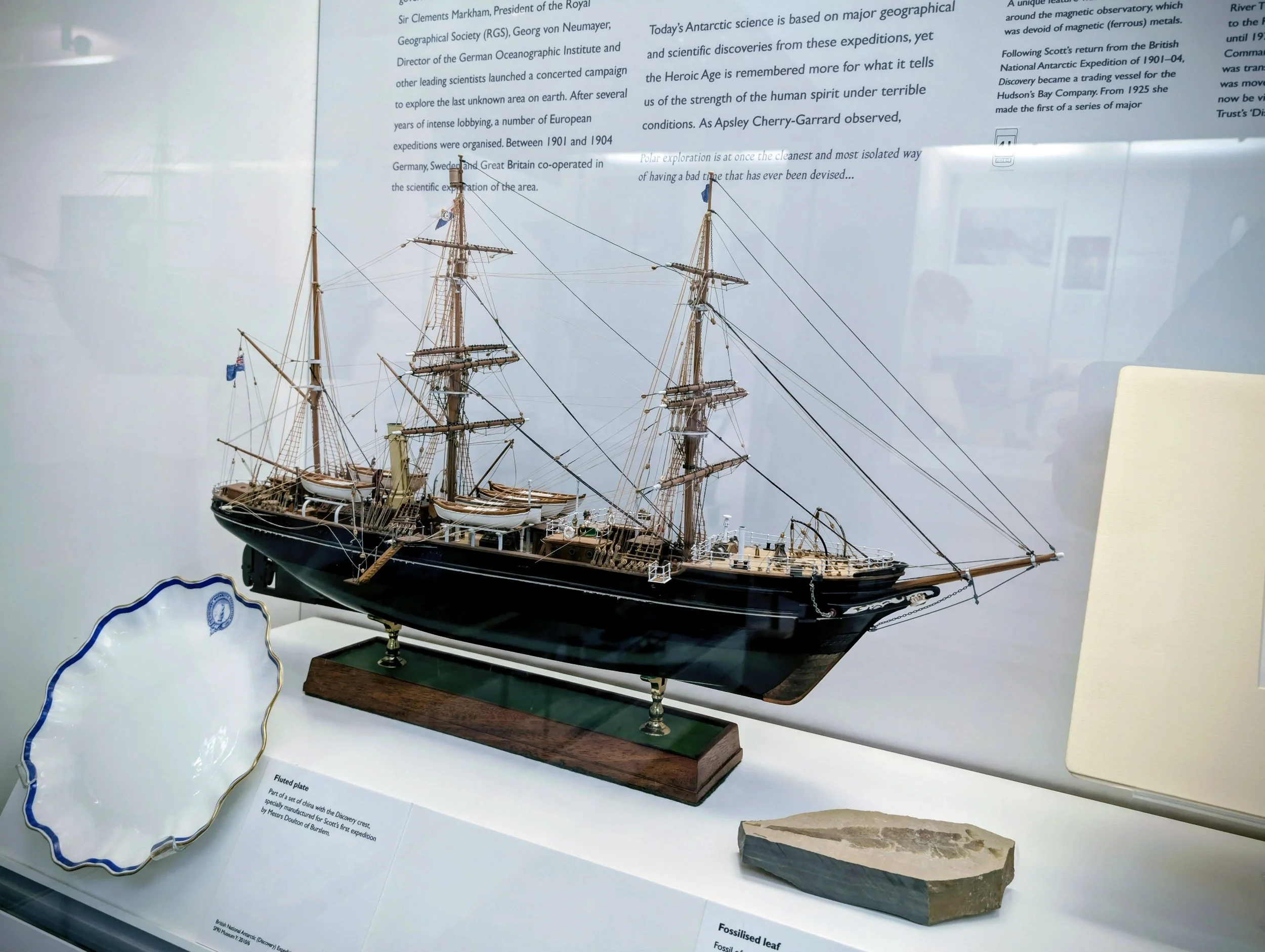
The history of The Polar Museum is inextricably linked to the tragic 1910–1913 Terra Nova Expedition. Following the death of Captain Robert Falcon Scott and his four companions on their return from the South Pole, a national movement emerged to create a permanent memorial that was as much about future science as it was about past sacrifice.
Founded in 1920, the Institute was designed by Sir Herbert Baker (a collaborator of Edwin Lutyens). The building itself is an architectural insight: note the vaulted ceilings and the bust of Scott sculpted by his widow, Kathleen Scott, which guards the entrance. It was established with the conviction that the "Frozen South" was not a wasteland to be conquered, but a laboratory to be understood.
Unique Insights: Beyond the Ice
While the museum houses famous relics, the true "explorer’s gems" are found in the intimate details of the collection.
The Chemistry of Survival
One of the most profound insights is found in the expedition rations. Study the "Pemmican" tins and the specialized biscuits. In the 2026 context of modern nutrition, these artifacts reveal the desperate caloric math explorers had to perform—often failing to account for the massive energy expenditure of man-hauling sledges across the high-altitude polar plateau.
The Art of the Long Night
During the four months of total darkness in the Antarctic winter, creativity became a survival mechanism. The museum holds rare copies of the South Polar Times, a high-production-value magazine written, illustrated, and typed by the men in their hut. It features surprisingly witty poetry and watercolor sketches, proving that intellectual life was the primary defense against "polar madness."
The Indigenous Voice
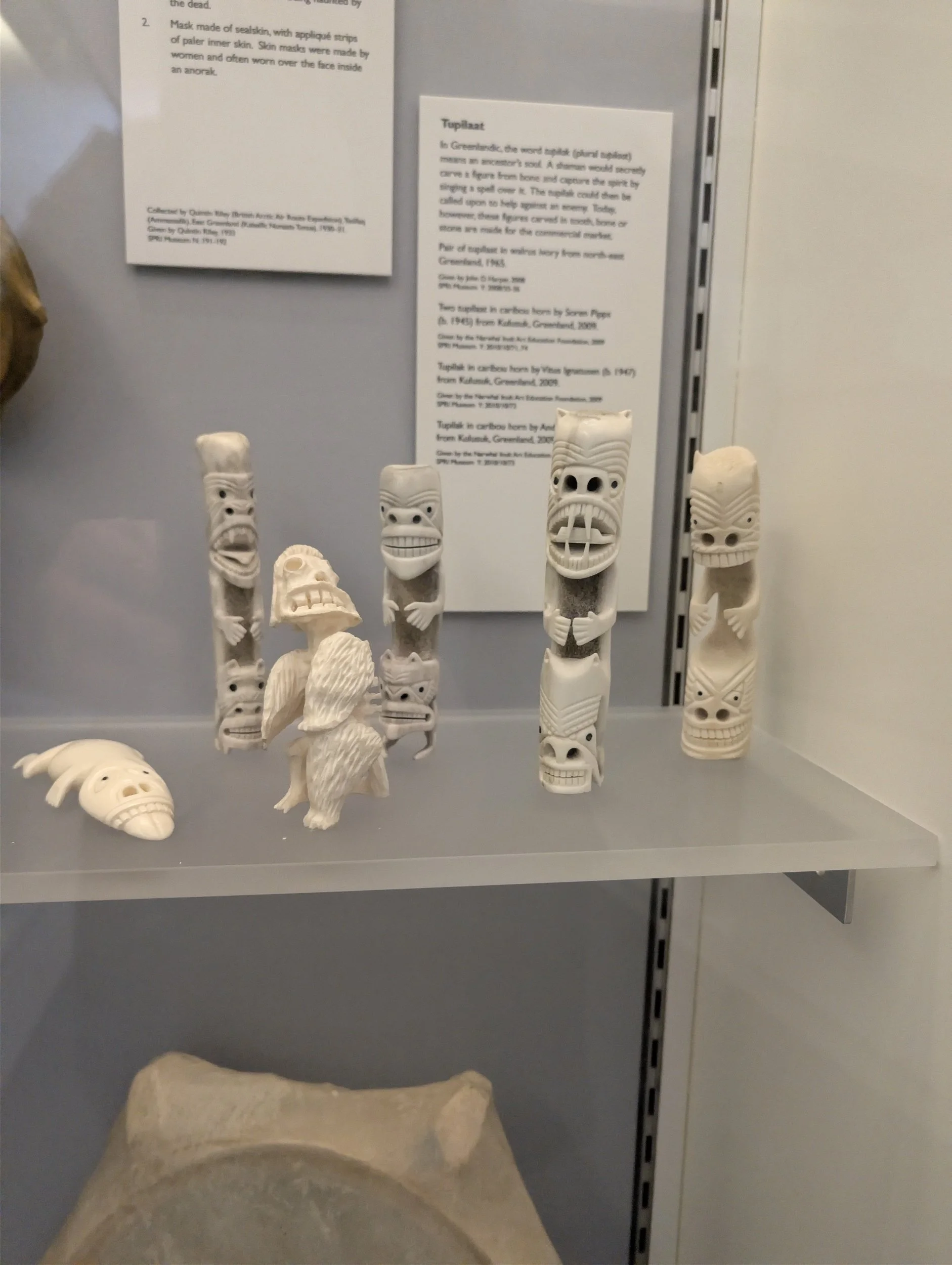
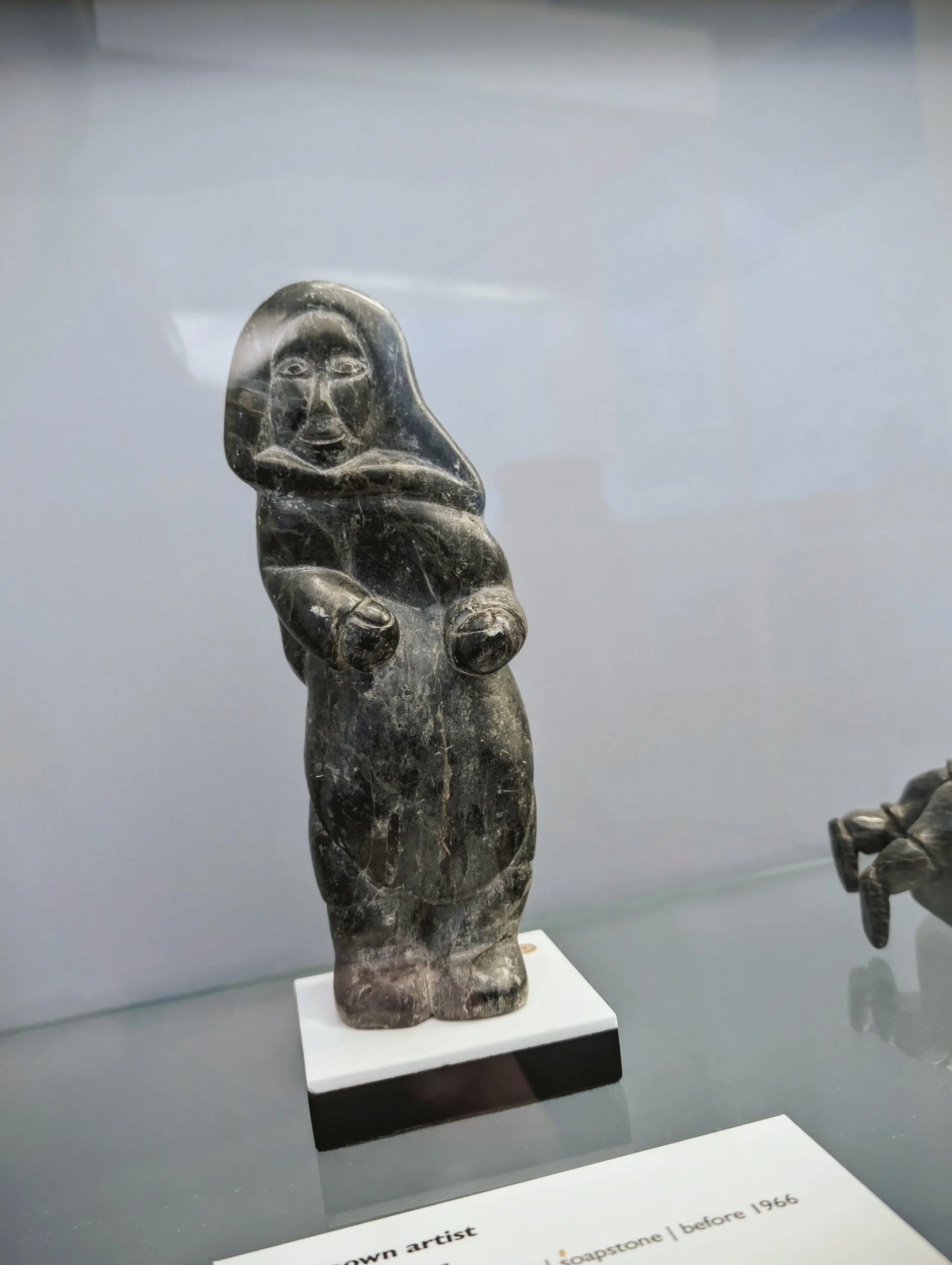
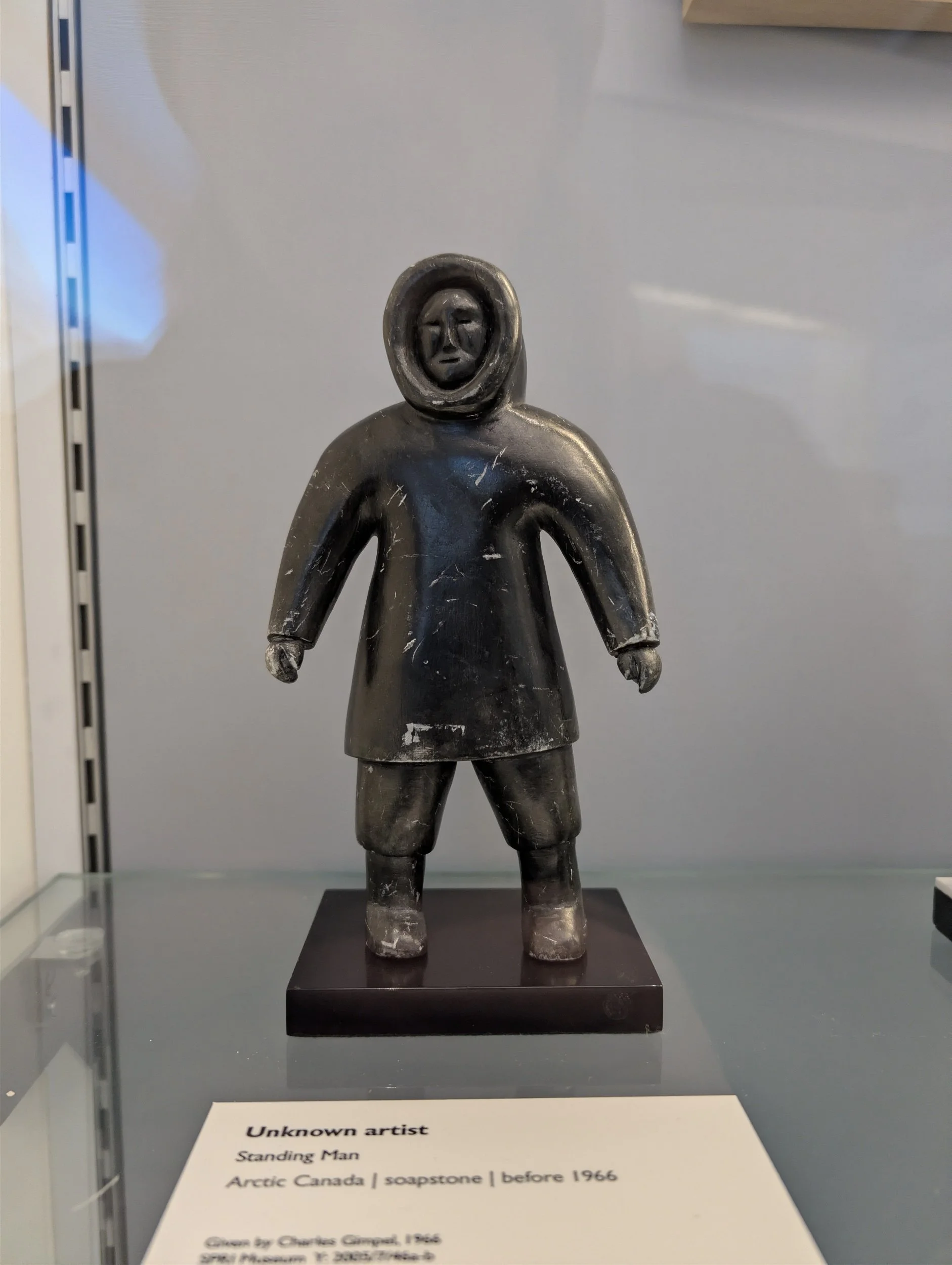
Crucially, the museum has evolved its narrative. Modern displays focus heavily on the Inuit and Arctic peoples. Insightful exhibits showcase how European "explorers" often only survived by adopting thousands of years of Indigenous technology, from skin clothing to the specific geometry of the qamutiik (sledge).
The Dueling Polar Philosophies: Decoding the 1911 Race to the South Pole
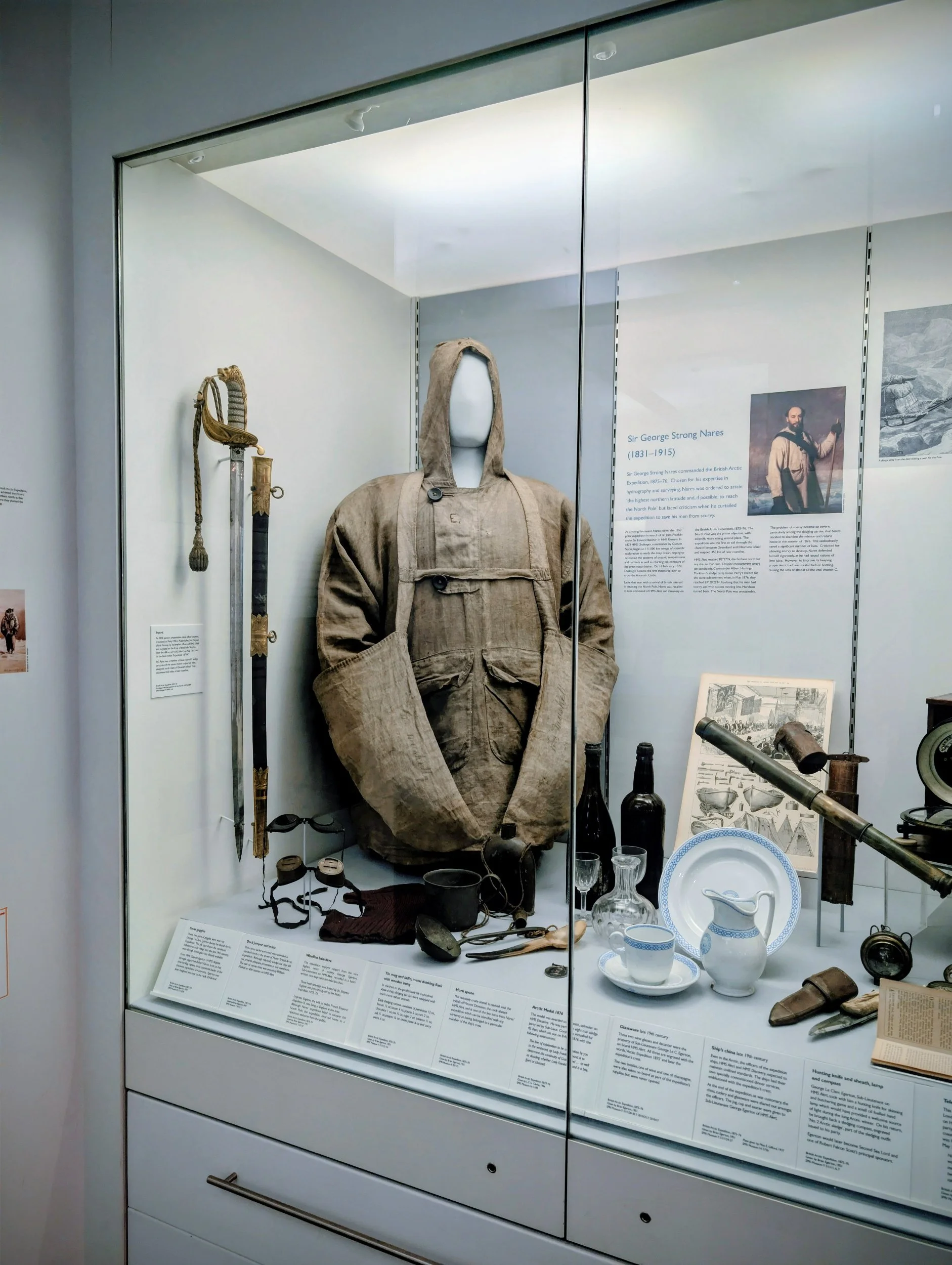
To truly grasp the significance of the artifacts within the museum, one must analyze the starkly divergent philosophies that defined the 1911 race to the South Pole. Captain Robert Falcon Scott’s British expedition was a testament to Victorian grit and scientific rigor, characterized by a reliance on ponies, experimental motor sledges, and the grueling physical toll of man-hauling, all while dressed in layered wool and "Burberry" windproofs. In contrast, Roald Amundsen’s Norwegian team operated with the precision of modern professionals, leveraging the survival expertise of Indigenous Arctic cultures by utilizing expertly driven Greenland huskies and traditional Inuit furs. While Scott’s philosophy prioritized scientific collection—a mandate that ultimately contributed to his legacy as the "Heroic Failure"—Amundsen’s singular focus on speed and tactical efficiency redefined the standard for polar exploration.
-
The museum is situated within the Scott Polar Research Institute on Lensfield Road in Cambridge Click to open side panel for more information . Its distinctive entrance, marked by a bronze bust of Captain Scott, is easily recognizable among the University’s architectural landscape.
-
The museum is a pleasant 10 to 15-minute walk from the station. Upon exiting, follow Station Road to Hills Road, then turn left onto Lensfield Road. Alternatively, several local bus routes (including the Universal ‘U’ bus) stop at the nearby Chemistry Department, just a few minutes’ walk from the museum doors.
-
In keeping with its mission as a public memorial and educational body, entry to the museum remains free, though pre-booking is often recommended during University term times.
-
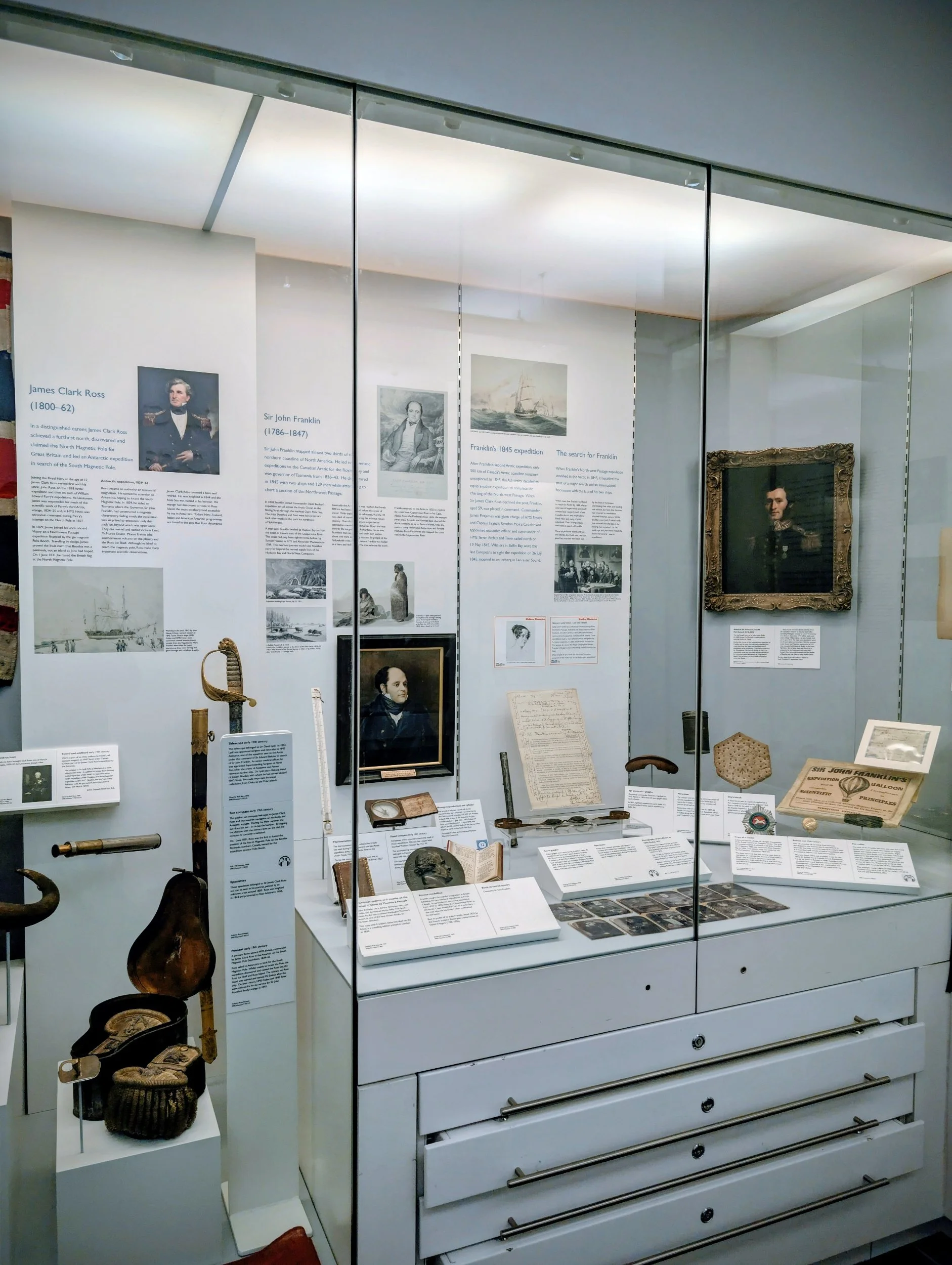
While subjective, many point to the letters found with Scott’s body, including his "Message to the Public." However, for a more technical insight, look for the sextants and chronometers used to navigate a featureless white wilderness before the advent of GPS.
-
Absolutely. The museum is part of the University of Cambridge. The upper floors house the world’s most comprehensive polar library and archives, used by climate scientists in 2026 to compare modern ice-melt data with the meticulous logbooks kept by 19th-century whalers.
-
To truly decode the exhibits, allow 90 minutes to two hours. The museum is smaller than the Fitzwilliam, but the density of information—especially the diary excerpts—requires a slower pace.