
The Shard
Scaling the Vertical City of London
In the centuries-old skyline of London, where the white stone of St. Paul’s Cathedral once stood as the undisputed titan, a new silhouette emerged in 2012 that forever altered the capital’s visual identity. The Shard, a jagged, shimmering spire of glass rising 309.6 meters (1,016 feet) above the South Bank, is more than just Western Europe’s most recognizable skyscraper. It is a "Vertical City"—a daring architectural statement that redefined how Londoners live, work, and look at their own history.
For the readers of Explorers Insight, we go beyond the glass facade to explore the engineering marvel, the sensory experience of the heights, and the controversial legacy of the spire that pierced the London clouds.
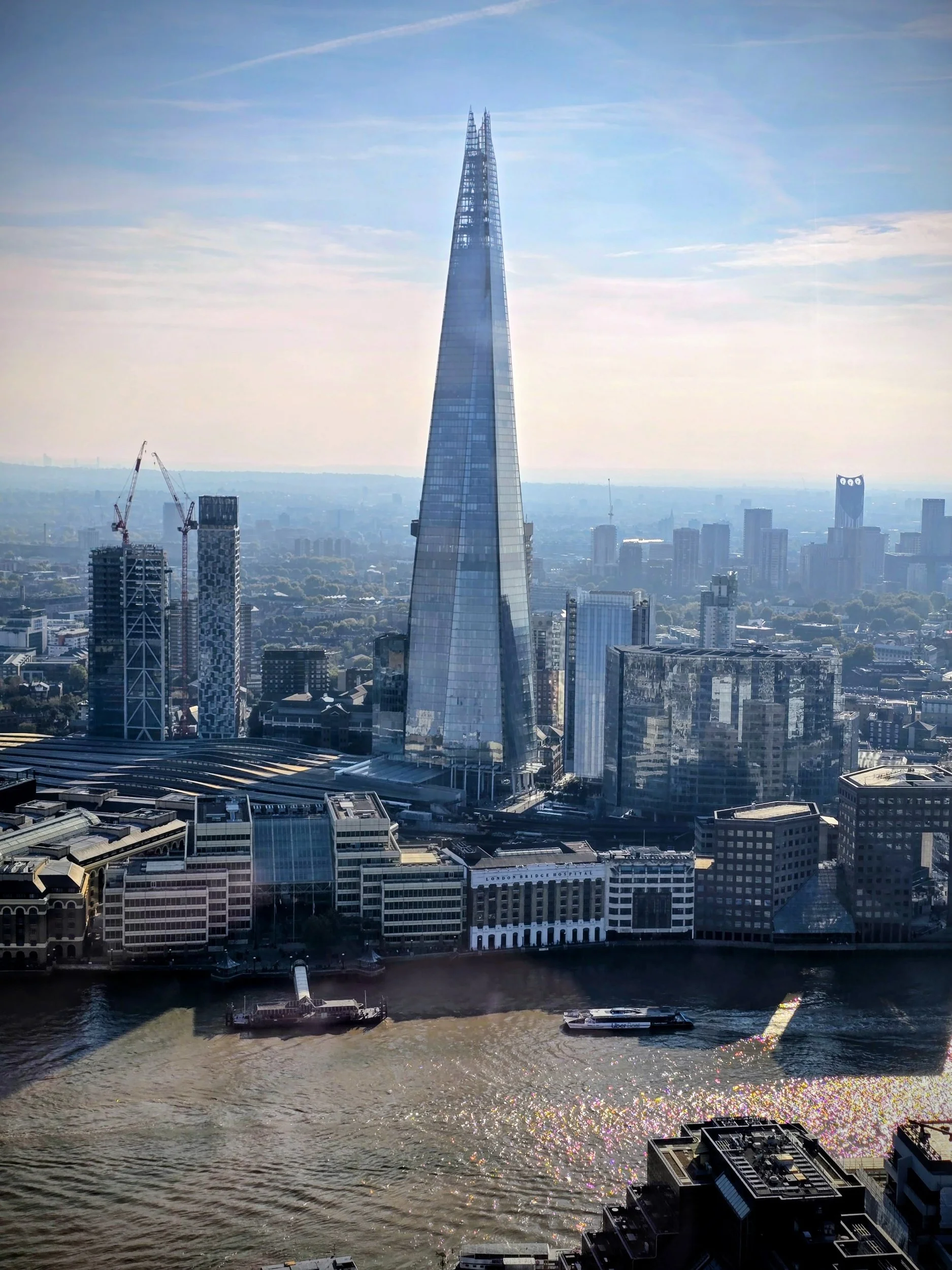
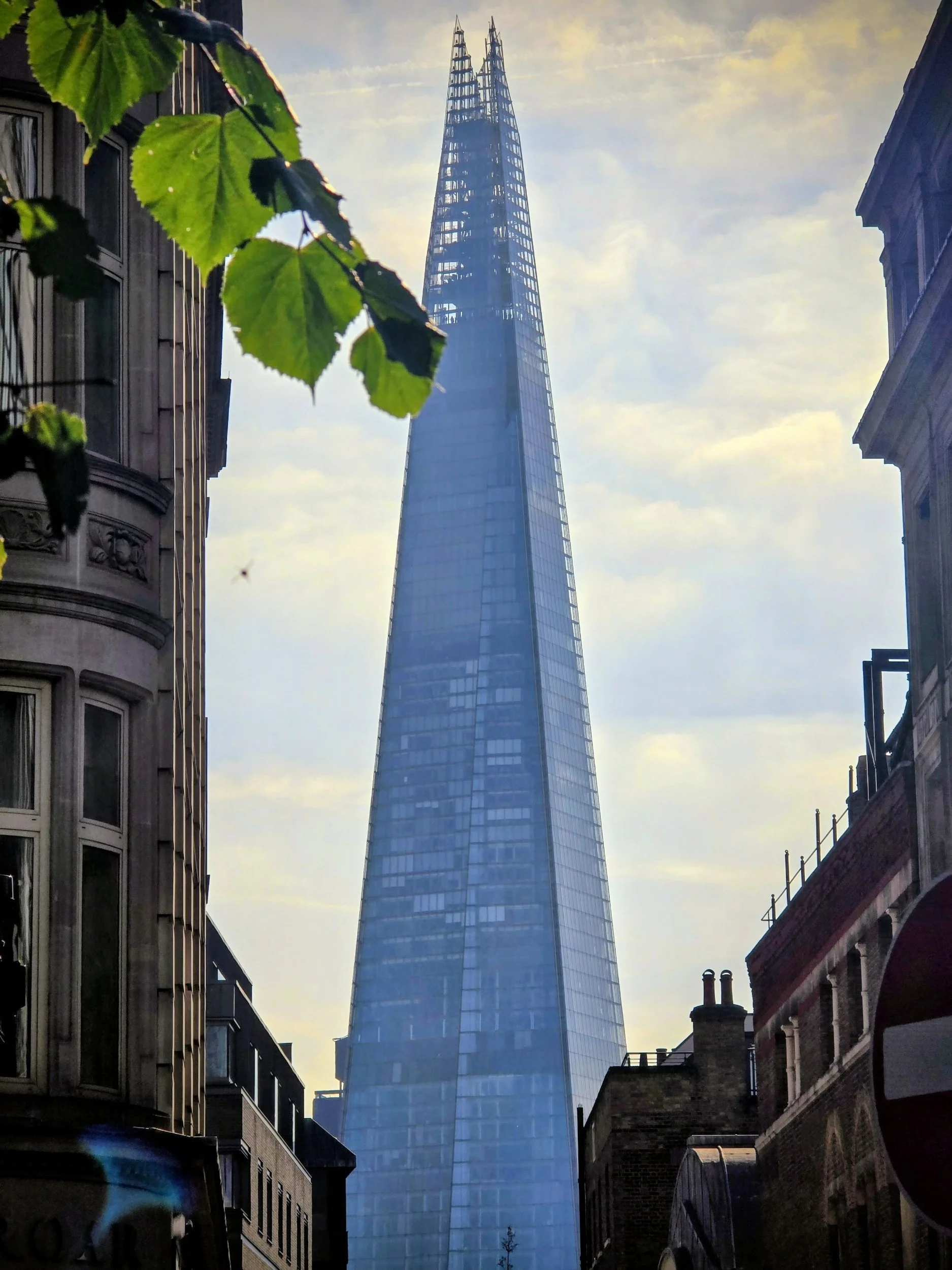
A Vision of Glass: The Architecture of Renzo Piano
The story of The Shard begins not with steel, but with a sketch on a restaurant napkin. In 2000, Italian architect Renzo Piano—the mastermind behind the Centre Pompidou in Paris—met with developer Irvine Sellar. Piano, famously averse to the "arrogant" glass boxes that dominated modern cities, envisioned something different for London: a light, translucent spire that would reflect the ever-changing English sky.
The "Broken Glass" Concept
The name "The Shard" was originally a term of derision used by critics and English Heritage, who feared the building would be a "shard of glass through the heart of historic London." Piano embraced the name. He designed the building as a series of eight sloping glass "facets" or shards that do not touch at the top, allowing the building to "breathe" and creating a jagged, open-air pinnacle.
Sustainability at Scale
Despite its immense size, The Shard was designed with the 21st century in mind. 95% of the construction materials were recycled, and the building’s specialized "triple-skin" glass facade features an automated blind system that reacts to sunlight, reducing the need for energy-intensive air conditioning.
Engineering the Impossible: The Top-Down Construction
Building a 72-story skyscraper on the edge of the Thames, directly on top of one of the world's busiest transport hubs (London Bridge Station), was an engineering nightmare. To meet the ambitious timeline, engineers used a pioneering "top-down" construction method.
While the foundations were still being dug into the London clay, the first 23 stories of the core were already rising into the air. This was the first time this technique had been used on a building of this scale in the UK.
The Core and the Steel
The Shard is a hybrid. The lower levels (offices) are framed in steel for maximum open space, while the middle levels (the hotel and apartments) are made of concrete to dampen the swaying of the wind and provide acoustic privacy. At the very top, the spire returns to a steel framework, designed to withstand the brutal gale-force winds that whip across the Thames at 1,000 feet.
The Vertical City: A Floor-by-Floor Breakdown
The genius of The Shard lies in its mixed-use philosophy. It was designed so that a person could, theoretically, live an entire life within its glass walls.
Floors 2–28: The Office Space
The base of the building is home to global giants in finance, media, and technology. These floors have the largest floor plates, providing a 360-degree view that has become the ultimate "flex" in the corporate world.
Floors 31–33: The Gastronomic Heights
This is where most "Explorers" begin their journey. These floors house some of London’s most celebrated restaurants:
Aqua Shard: Modern British cuisine with a three-story high atrium bar.
Oblix: An upscale grill with an urban, sophisticated vibe.
Hutong: Northern Chinese cuisine served in a setting inspired by the traditional alleyways of Beijing.
Floors 34–52: Shangri-La The Shard, London
The highest hotel in Western Europe. The infinity pool on the 52nd floor is legendary—it is the only place in London where you can swim laps while looking down at the Gherkin and the Walkie-Talkie buildings.
Floors 53–65: The Residences
Only ten apartments exist within The Shard, each occupying a full floor. They are among the most expensive properties in the world, offering a level of privacy and a perspective that is quite literally above the law and the noise of the city.
Floors 68–72: The View from The Shard
The public observatory. This is the highest point the public can reach. Level 72 is particularly special as it is partially open-air; you can hear the sounds of the city below drifting up through the gaps in the glass shards, and on a windy day, you can feel the building subtly "give" to the elements.
The Sensory Experience: What It’s Like at 800 Feet
Standing at The View from The Shard, the perspective shift is profound. From this height, the sprawling chaos of London is reduced to a meticulously detailed model.
The Trains: Below, the tracks leading into London Bridge Station look like silver ribbons, with commuter trains appearing as tiny, rhythmic clockwork toys.
The Thames: You realize for the first time how much the river actually snakes through the city. You can follow its path from the flood barriers in the east all the way to the bends of Richmond in the west.
The Horizon: On a clear day in 2026, the visibility can extend for 40 miles. You can see the grand curve of the Wembley Stadium arch and the distant green hills of the North Downs.
Explorers Insight: Visit during "The Gloaming"—that period of twilight just before the sun sets. You will watch the city transition from a grey-stone metropolis into a shimmering grid of orange and white lights. It is the most photographed hour in London for a reason.
Controversy and Cultural Impact
The Shard was not welcomed with open arms by everyone. Organizations like UNESCO expressed concern that the tower’s height would "compromise" the visual integrity of the Tower of London and St. Paul's Cathedral.
However, over a decade later, The Shard has become a beloved part of the London character. It serves as a visual compass; no matter where you are in the city, the glint of the spire tells you exactly where the heart of the South Bank lies. It has appeared in Doctor Who, James Bond, and countless films, cementing its status as a modern icon of the UK.
-
Do I need a ticket to see the view?
Yes, the observatory "The View from The Shard" requires a ticket. As of 2026, adult tickets are approximately £28–£35.
Pro-Tip: If you don't want to pay for a ticket, book a table for drinks at Aqua Shard on Level 31. While the drinks aren't cheap, there is no entry fee, and the views are nearly as spectacular.
Is there a time limit?
Once you are in the observatory, you can stay as long as you like. Most people spend about 60–90 minutes.
-
Weather Matters: If it’s heavily clouded or foggy, you will see nothing but white. The Shard offers a "Weather Guarantee"—if you can't see at least three landmarks (like the London Eye or Tower Bridge), they will give you a return voucher for free.
Sunset: Always book your slot for 30 minutes before sunset to catch the transition from day to night.
-
Nearest Tube: London Bridge (Northern and Jubilee Lines). The entrance to The Shard is directly connected to the station concourse.
Security: Like an airport, there are x-ray machines and bag checks. Large luggage is not permitted.