University Museum of Zoology
The Biological Evolution of the Cambridge Landscape
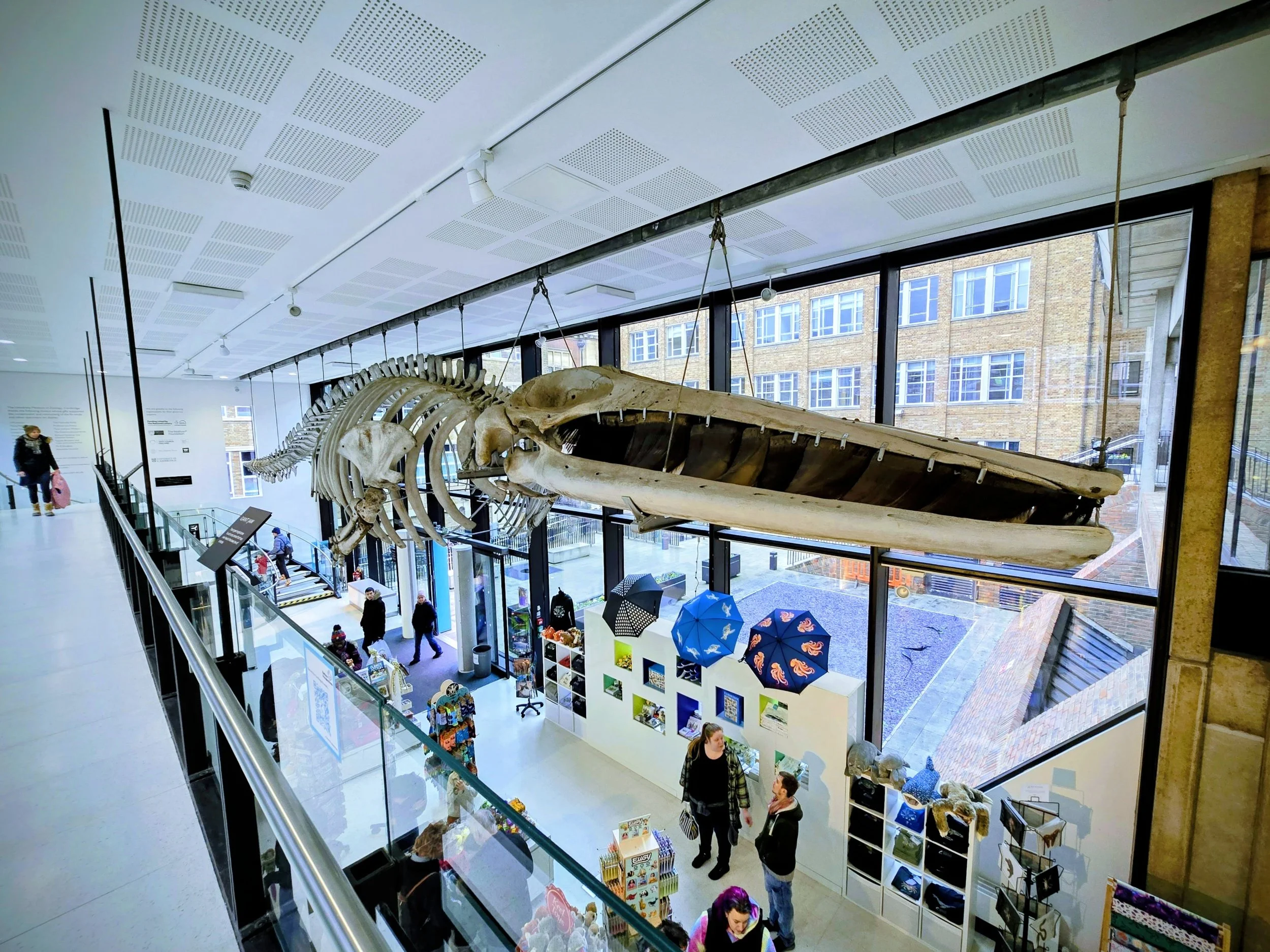
The Ark of Research: Exploring the Diversity of Life on Downing Street
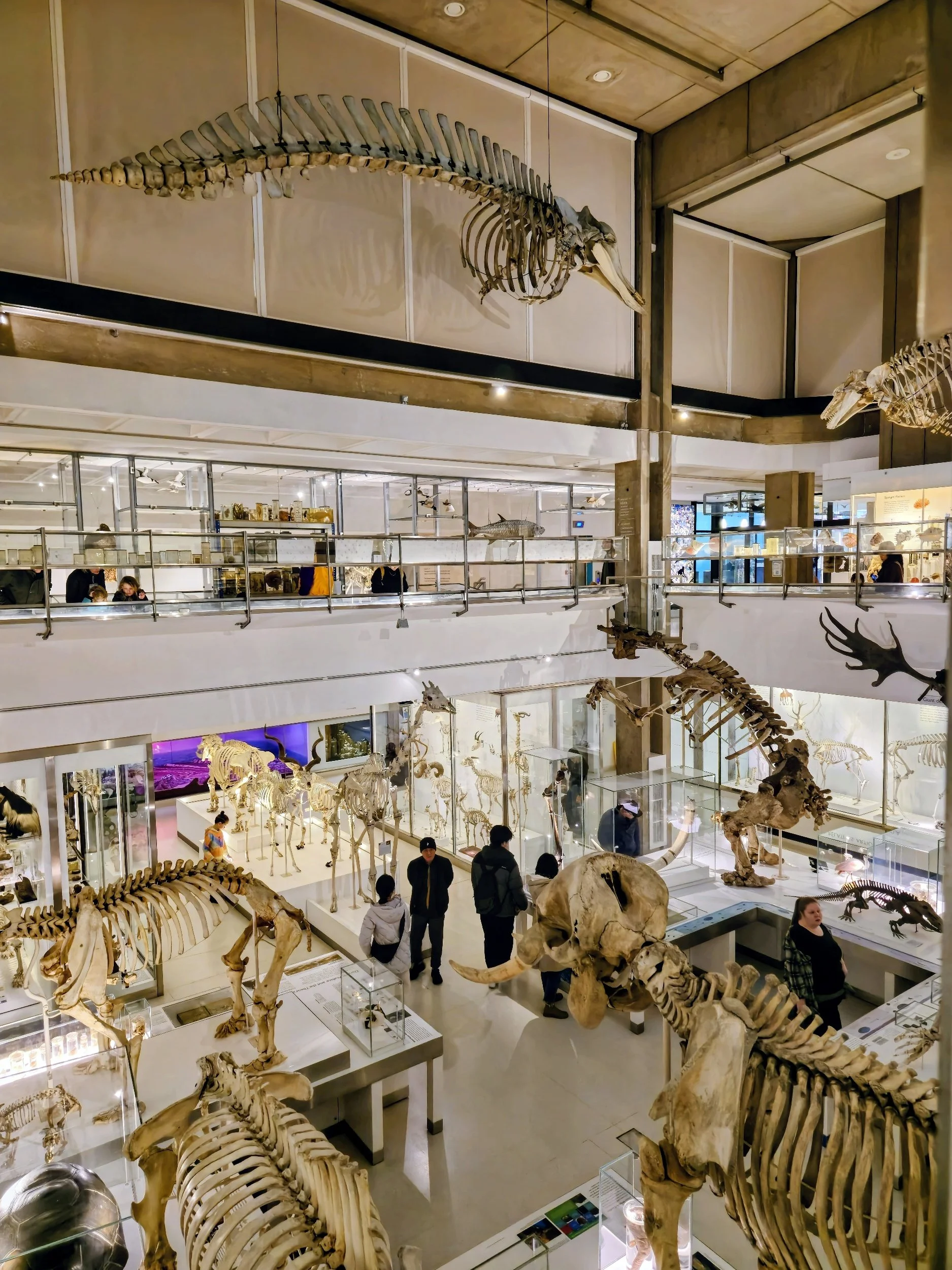
Located in the heart of the University’s New Museums Site, the University Museum of Zoology is a striking intersection of mid-century Brutalist architecture and 300 million years of natural history. While other institutions may focus on the static past, the Zoology Museum in 2026 functions as a "living library"—a place where the DNA of extinct species meets the conservation strategies of the future.
For the Explorers Insight reader, this museum offers a unique masterclass in comparative anatomy. It is not just about seeing a skeleton; it is about understanding the structural engineering that allows a whale to dive or a finch to crack a specific seed.
The Whale Hall: An Architectural and Biological Landmark
The entrance to the museum is defined by the massive Fin Whale skeleton, suspended in a purpose-built glass hall. This 21-meter-long specimen, which washed up on the shores of Pevensey in 1865, serves as a literal "threshold" between the urban environment of Cambridge and the natural world.
The Engineering Insight: Look at the structure of the whale's jaw and the alignment of its vertebrae. The suspension system in the hall was redesigned during the museum’s 2018 renovation to allow visitors to walk under the skeleton, providing a perspective on the sheer scale of mammalian life that was previously impossible.
The Darwinian Legacy: From the Galapagos to Cambridge
One of the most significant historical layers of the collection is the Charles Darwin Archive. As an alumnus of Christ’s College, Darwin’s early observations were heavily influenced by the curators of this very institution.
The Beagle Specimens: The museum houses several thousand specimens collected by Darwin during his voyage on the HMS Beagle. Unlike the polished exhibits in larger national museums, these specimens—ranging from beetles to spirit-preserved fish—are kept in a way that highlights their role as data points for the theory of evolution by natural selection.
The Galápagos Finches: Study the variation in beak shapes among the finches. This is where the abstract concept of "adaptation" becomes a physical, undeniable reality.
🧭 Strategic Insights: Navigating the Comparative Anatomy Collection
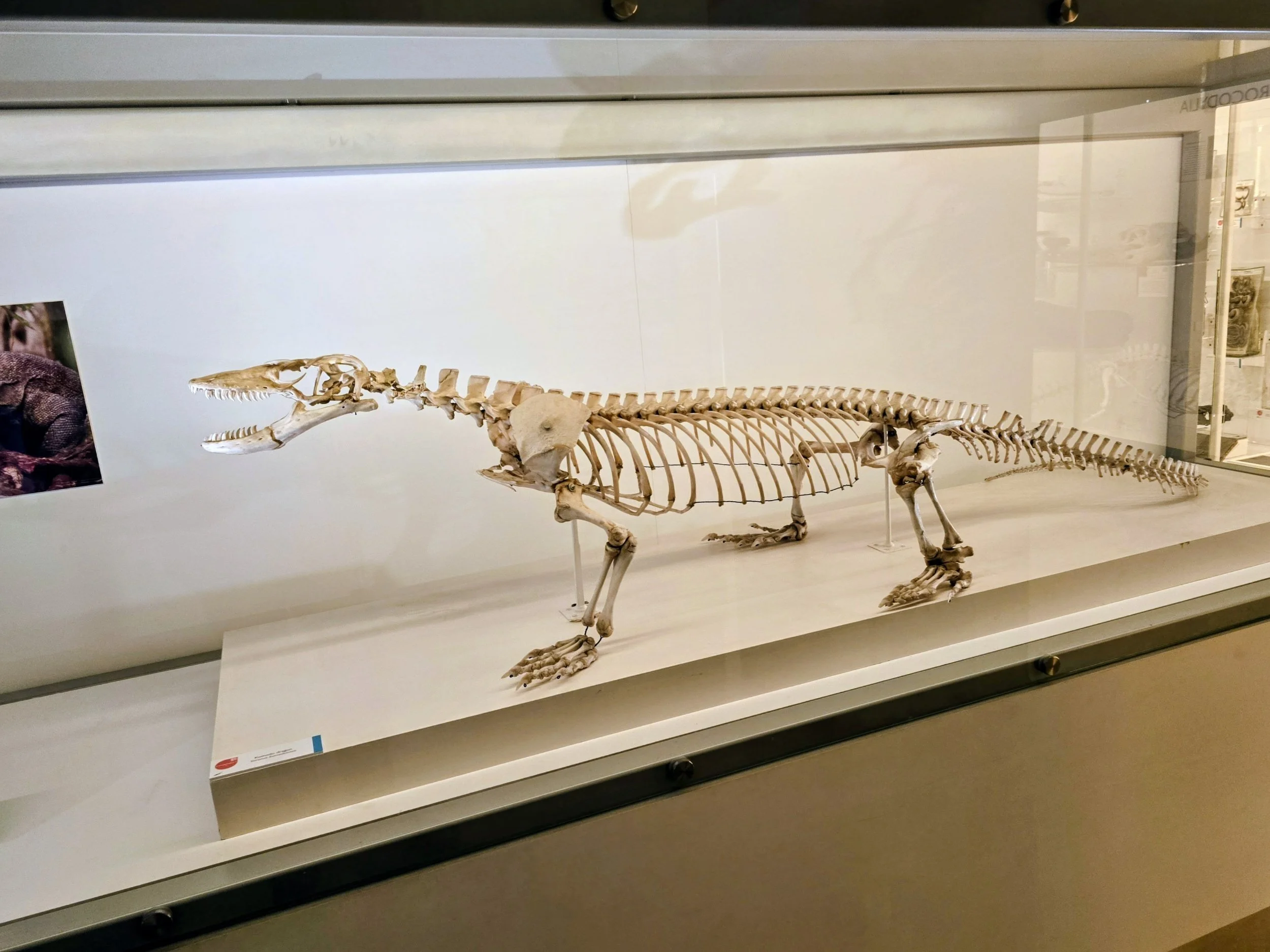
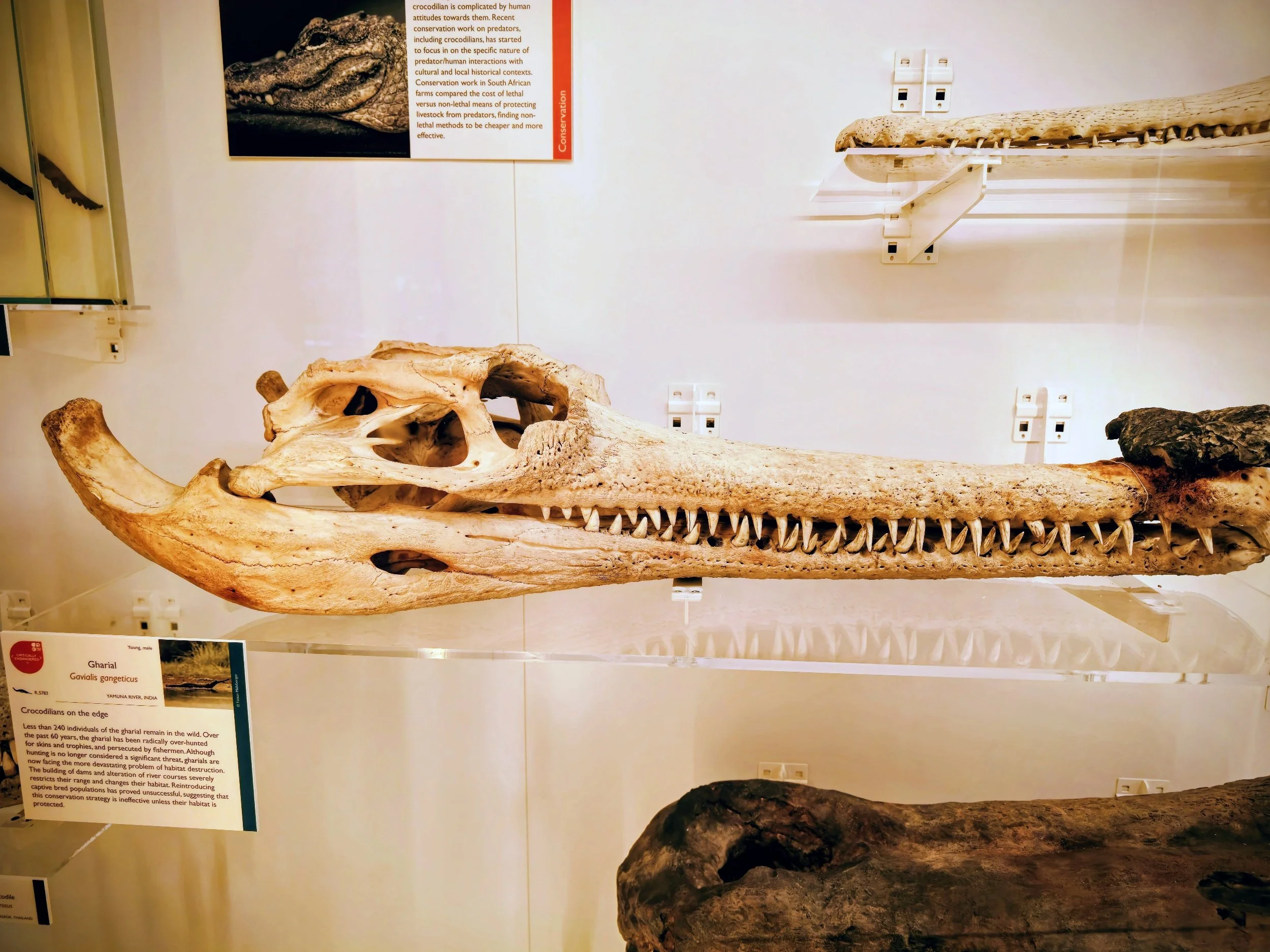
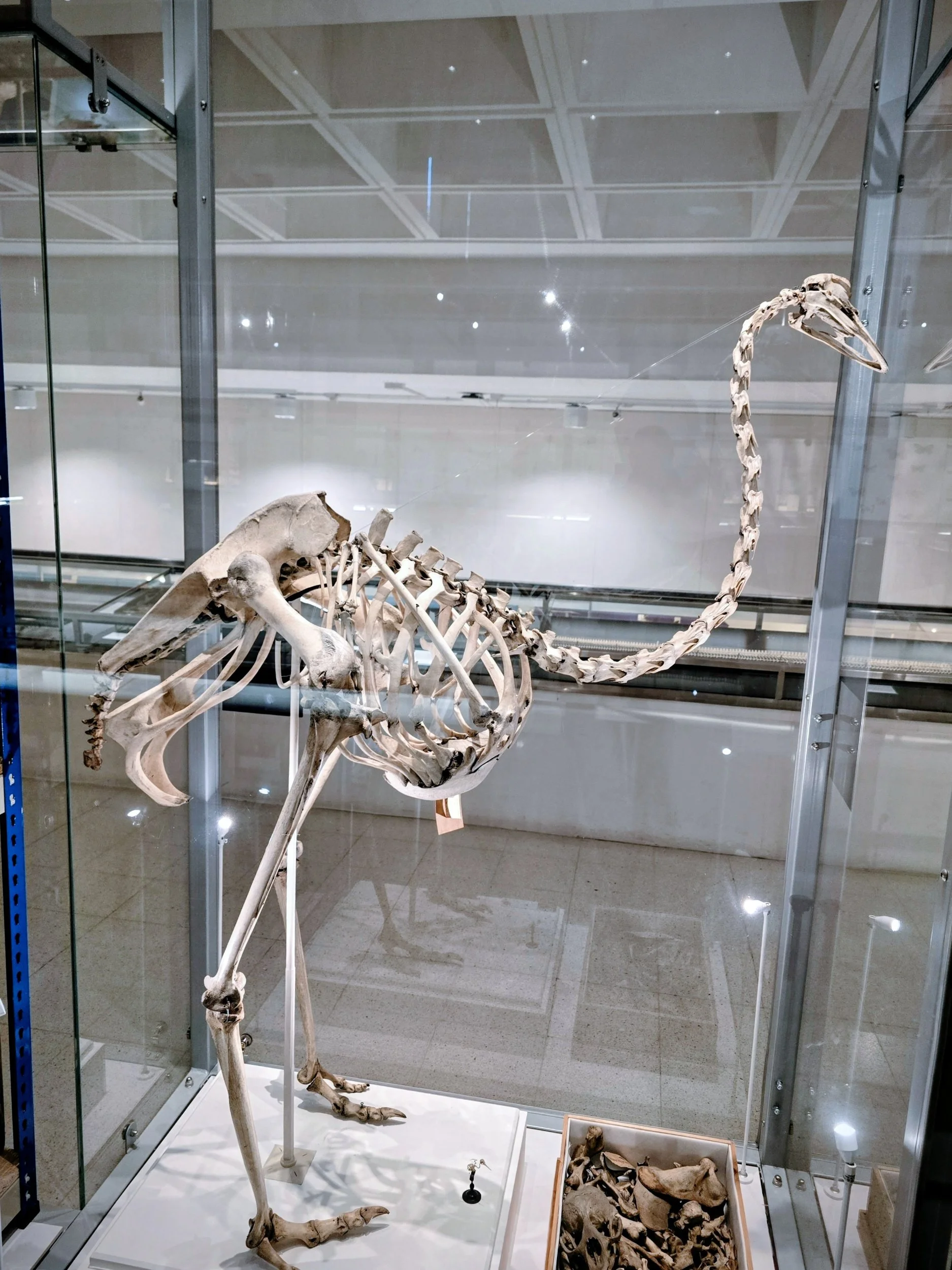
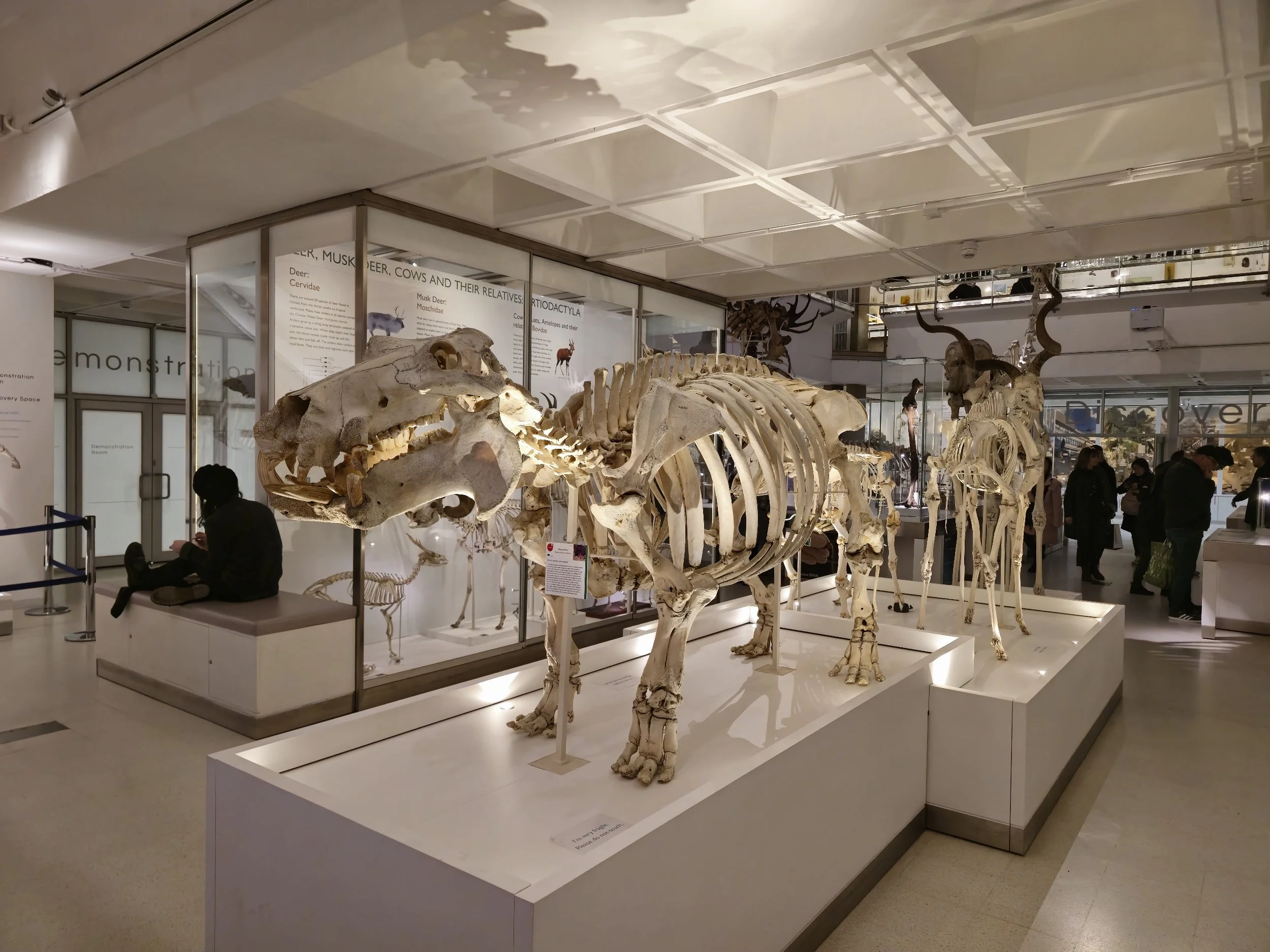
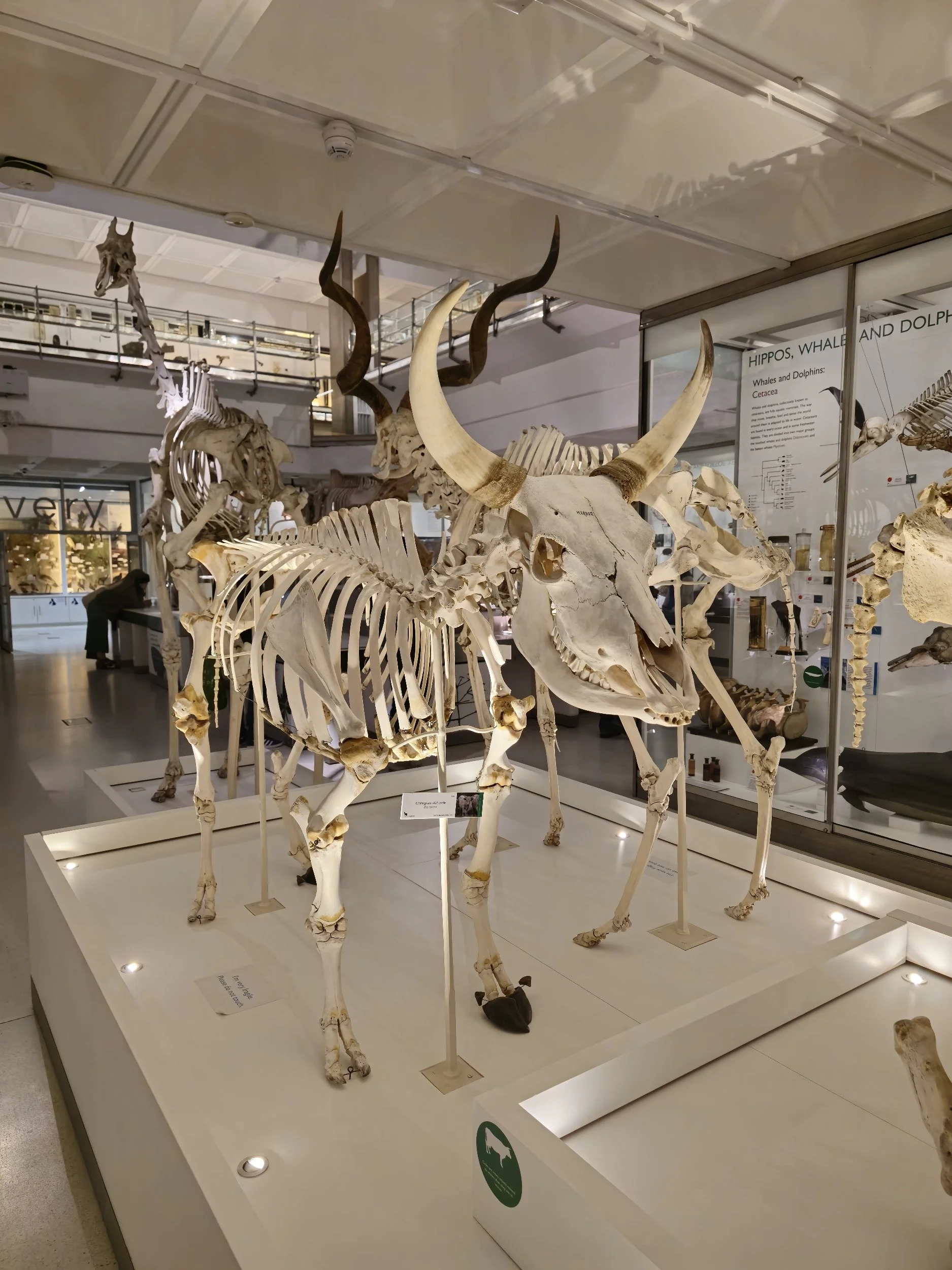
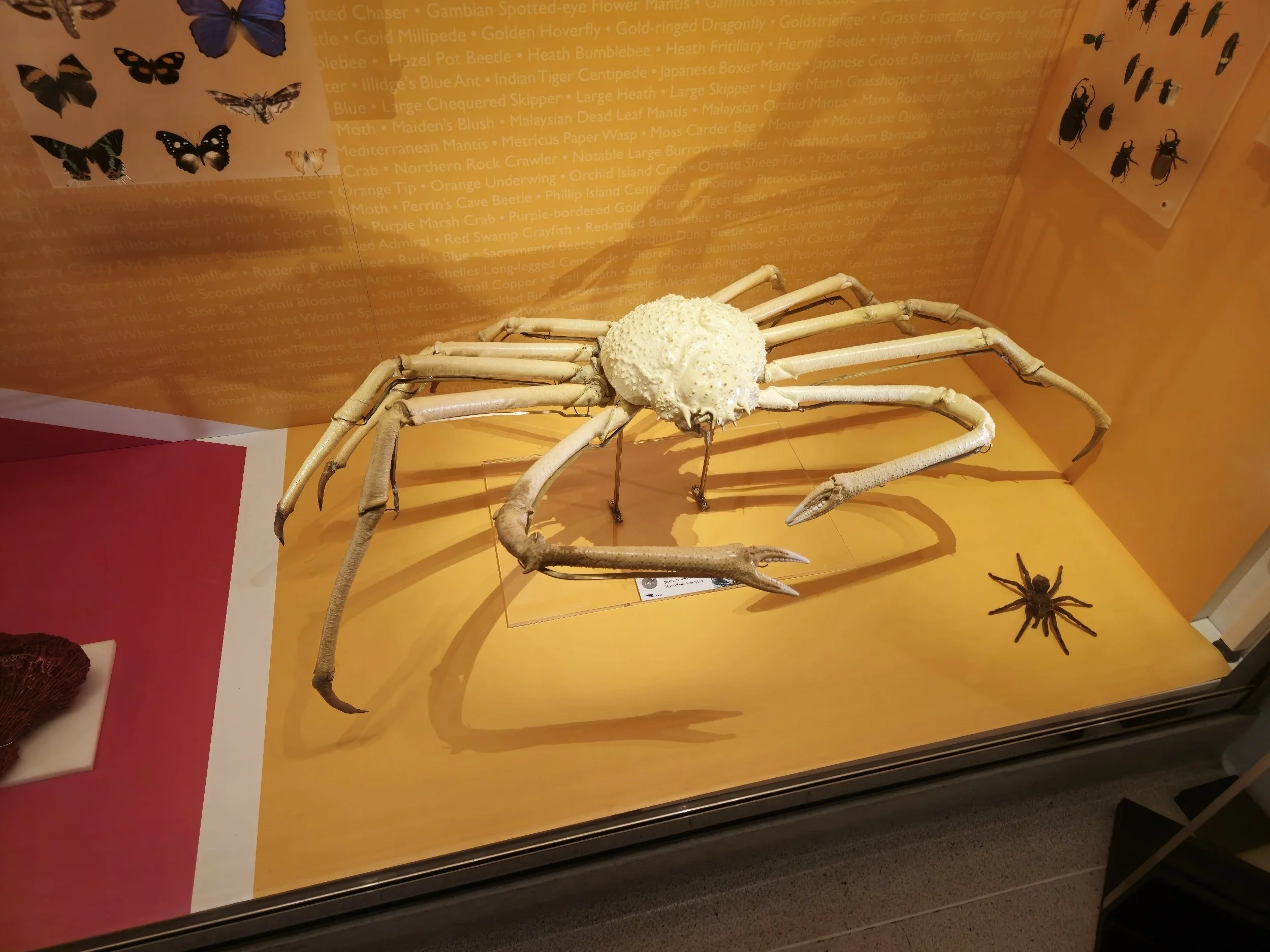
The true value of the University Museum of Zoology is found in the Great Gallery, where the "Tree of Life" is laid out in a series of thematic islands. For the explorer, the key insight is to follow the evolution of the tetrapod limb. By comparing the skeletal structure of a 360-million-year-old Acanthostega (one of the first vertebrates with recognizable limbs) with the wings of a bat or the flippers of a seal, you can trace the incredible versatility of a single biological blueprint. To avoid the peak school-group hours, we recommend visiting during the late afternoon on a Tuesday or Wednesday; the way the sunlight hits the glass cases in the Bird Gallery provides a clarity that reveals the microscopic structural colors of hummingbird feathers—colors that are produced by light interference rather than pigment.
-
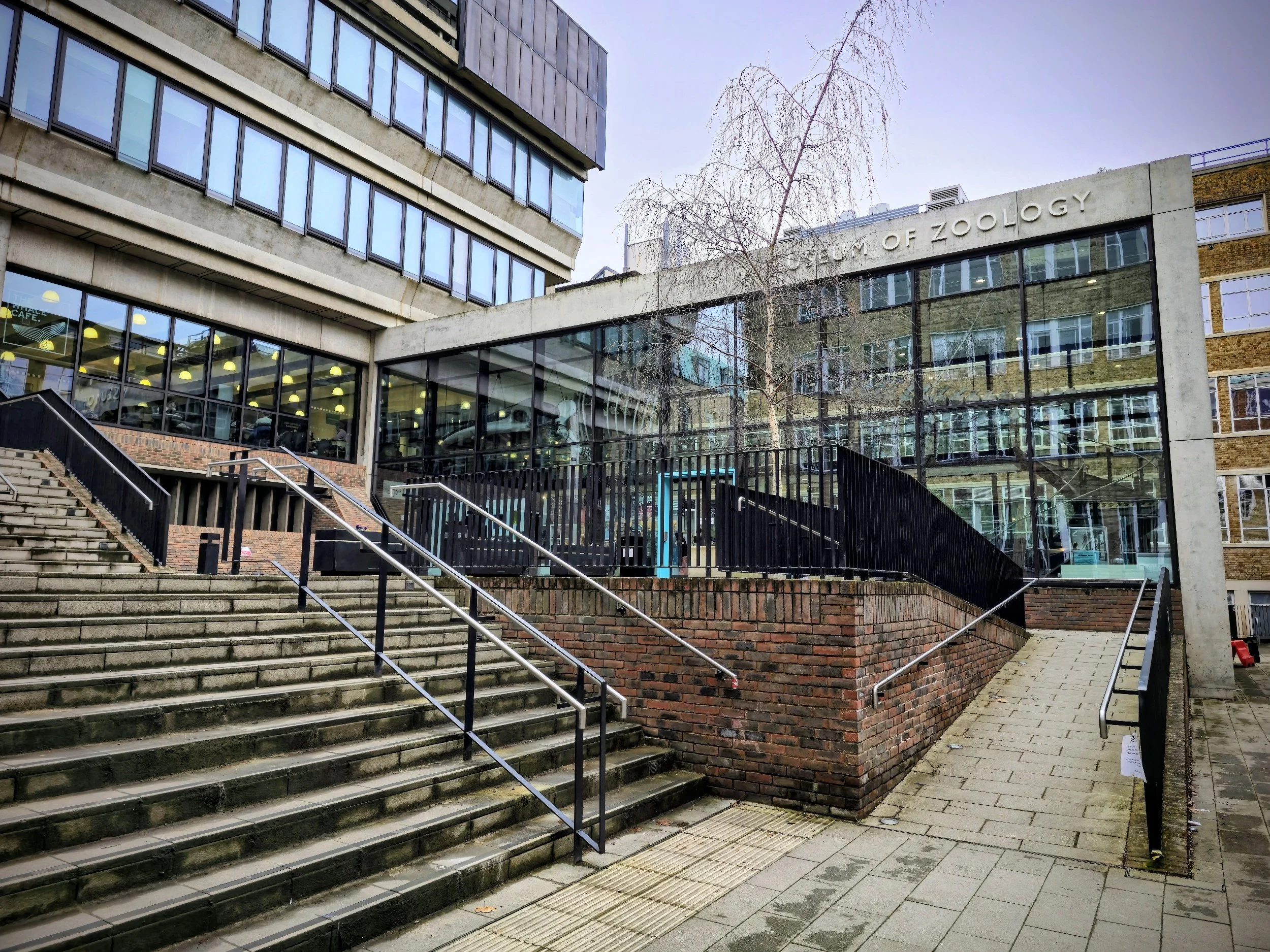
The museum is located on Downing Street (CB2 3EJ). It is tucked behind the main street front; look for the "Whale Hall" glass entrance between the Department of Zoology and the Sedgwick Museum. It is a 15-minute walk from the Cambridge Train Station.
-
In line with its mission as a public research and educational facility, entry is free for all visitors. Large groups are encouraged to book in advance to ensure the galleries remain accessible for everyone.
-
Yes, the museum features the Whale Café, located directly overlooking the Fin Whale skeleton. It is an excellent spot for a coffee or a light lunch, offering a unique perspective of the whale’s anatomy while you relax.
-
Absolutely. The 2018 renovation ensured that all levels of the museum are fully accessible via lifts and ramps. There is also ample space for stroller parking near the Whale Hall entrance.