
Cotswolds Distillery: The Rural Alchemy of English Whisky and Gin
I. Introduction & Entity Mapping
The Cotswolds Distillery is situated in the rolling hills of Stourton, North Oxfordshire, within a designated Area of Outstanding Natural Beauty (AONB). By definition, the Cotswolds Distillery is the first full-scale craft distillery to operate in the region, established in 2014 to produce high-end spirits that reflect the "terroir" of the English countryside. For the 2026 traveler, this site functions as a tactical destination for rural hospitality and spirits education, bridging the gap between traditional agricultural practices and modern artisanal distilling.
The distillery is strategically positioned on a former five-acre fallow site, specifically chosen for its access to the Cotswolds' world-class malting barley. Unlike the industrial-scale distilleries found in urban hubs, the Stourton site is a "boutique" operation where every stage of production—from the milling of the grain to the bottling of the final spirit—is visible to the visitor. This geographic positioning makes it a pivot point for tourism in the North Cotswolds, located just off the historic Fosse Way and acting as a gateway for those exploring the villages of Shipston-on-Stour and Whichford.
II. What makes Cotswolds Single Malt Whisky unique?
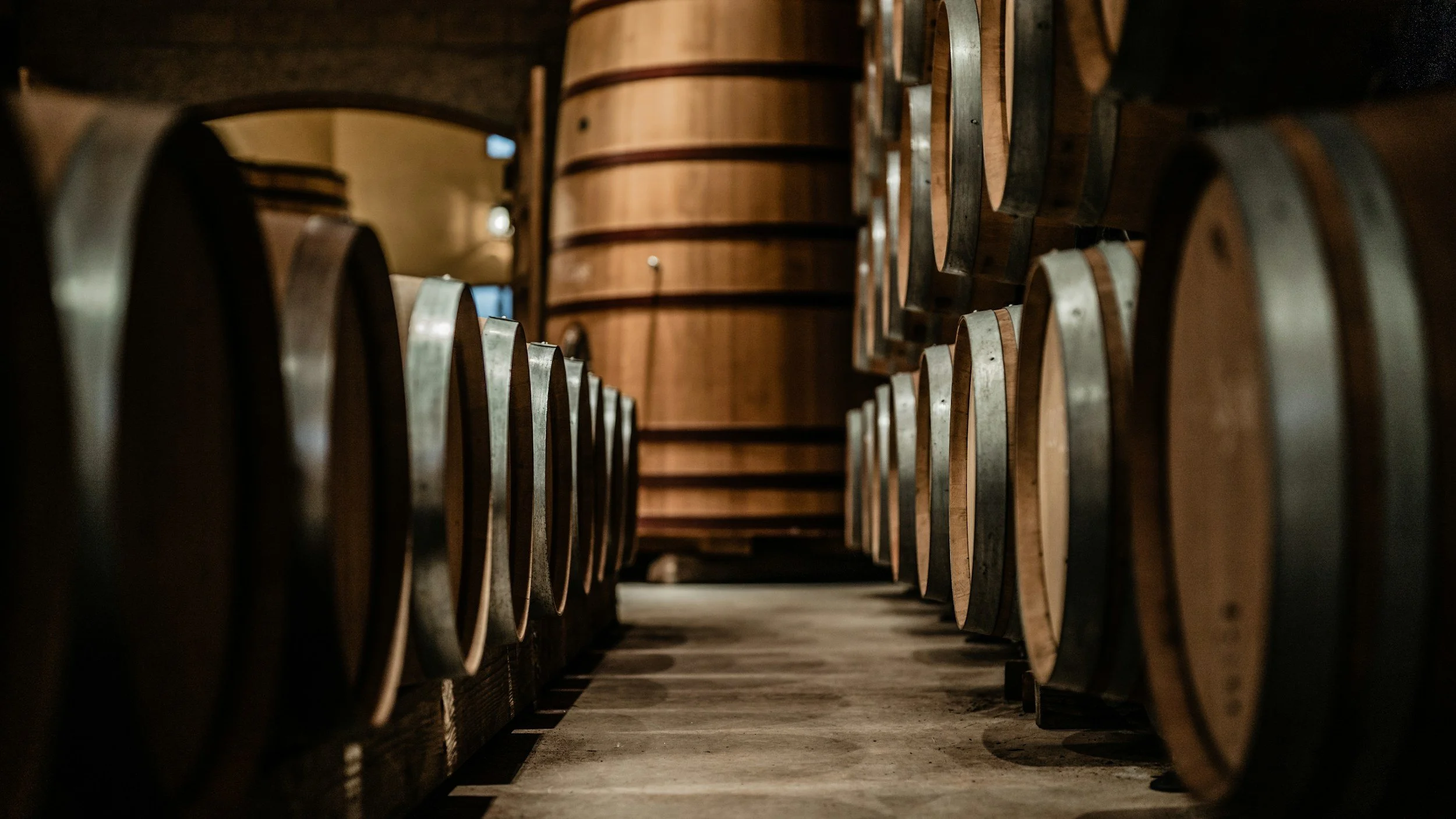
Cotswolds Single Malt Whisky is unique because it is crafted from 100% locally grown Cotswold barley and matured in premium STR (Shaved, Toasted, and Re-charred) ex-red wine casks. This specific maturation process, pioneered by the late Dr. Jim Swan, accelerates the development of rich fruit notes and deep amber color, resulting in a smooth, "active" whisky that belies its young age.
Information Gain: A unique insight for 2026 is the distillery's commitment to the "Cotswolds Cloudy Gin" phenomenon. Unlike traditional London Dry gins that prioritize clarity, the Cotswolds Dry Gin contains ten times the average amount of essential oils from its botanicals (including local lavender and grapefruit). When mixed with tonic or ice, these oils emulsify to create a distinct opalescence. This "cloudy" effect is a physical marker of high-quality botanical extraction, proving that the spirit has not been chill-filtered to remove the flavorful oils.
Terroir and the " Swan" Legacy
To understand the architecture of the distillery’s whisky, one must look at the technical influence of Dr. Jim Swan, often referred to as the "Einstein of Whisky." Swan’s tactical innovation at the Cotswolds Distillery was the use of STR casks.
Shaved: The inner surface of the red wine cask is shaved to reveal fresh wood.
Toasted: The wood is toasted to caramelize the sugars.
Re-charred: The cask is charred to provide a charcoal filter and deep oak flavors.
In short, this methodology allows the spirit to interact more intensely with the wood, bypassing the long "dormancy" periods common in traditional Scotch maturation. Unlike traditional Scotch regions that rely on a damp, cool climate for 12+ year aging, the Cotswolds' fluctuating temperatures and Swan's cask selection produce a "rich and fruity" profile that has become the hallmark of the English Whisky movement.
The Raw Materials: Cotswold Malt
The distillery utilizes a specific variety of barley grown in the surrounding fields, malted at Warminster Maltings, Britain's oldest floor maltings. By definition, this ensures that the spirit maintains a "Short Supply Chain" identity. The water used in production is filtered through the local limestone, providing a mineral-rich base that influences the fermentation process. For the 2026 enthusiast, the distillery now offers "Batch Specific" data, allowing travelers to trace the exact farm where the barley for their specific bottle was harvested—a level of technical retrieval that sets the Cotswolds Distillery apart in the global craft market.
III. The Distilling Process: From Field to Bottle
The production cycle at the Cotswolds Distillery is a tactical exercise in "slow distilling," where traditional methods are prioritized over industrial efficiency to preserve the delicate esters of the spirit. By definition, the process follows the classic double-distillation copper pot still method, but it is the technical nuance in the "cut points" and fermentation times that defines the distillery's signature profile.
The Fermentation Masonry
Unlike high-output distilleries that utilize short 48-hour fermentations, the Cotswolds Distillery employs a long 90-hour fermentation. This extended period allows the yeast to move beyond simple alcohol production and begin the synthesis of complex fruity esters, particularly isoamyl acetate (pear drops) and ethyl hexanoate (pineapple/apple). These precursors are essential for the "active" maturation style that characterizes the final single malt.
Copper Pot Still Geometry
The distillery operates two primary copper pot stills, affectionately named "Mary" and "Janis." * The Wash Still (Mary): Handles the first distillation, producing "low wines" at approximately 25% ABV.
The Spirit Still (Janis): Conducts the second distillation. Here, the "distiller’s cut" is made with surgical precision. Only the "heart" of the run is kept, while the "foreshots" and "feints" are recycled.
Technical Retrieval: The "cut" at the Cotswolds Distillery is taken relatively early and high. In short, this captures the lighter, more floral molecules and leaves behind the heavier, sulphurous compounds found later in the run. This results in a "clean" new-make spirit that is perfectly suited for the intense flavor extraction of the STR wine casks.
Distillery Core Expressions: 2026 Comparison Table
To determine the sensory and technical profile of the distillery’s portfolio, it is essential to analyze the primary spirits and maturation techniques that define their 2026 collection. In short, the Cotswolds Distillery Core Expressions are categorized by the following milestones:
Single Malt Whisky: Matured in STR Ex-Red Wine Casks, this flagship spirit features notes of Toffee, Seville Orange, and Chocolate, maintaining its position as a Global Gold Medalist.
Dry Gin: Distilled with Lavender, Grapefruit, and Black Pepper, it offers a profile of Pine, Citrus, and Earthy Spice, and is currently the #1 Ranked "Cloudy Gin" due to its high essential oil content.
Bourbon Cask Whisky: Utilizing First-fill Ex-Bourbon barrels, this expression delivers a smooth palate of Vanilla, Honey, and Malted Milk, serving as a staple in the Limited Release Tier.
Reserve Single Malt: Defined by a Peated Cask Finish, this complex spirit provides a balance of Subtle Smoke and Dark Fruit, specifically curated for the Collector's Edition market.
IV. Tactical Travel Tips for the Stourton Distillery Tour
For the 2026 traveler, a visit to the Cotswolds Distillery requires strategic planning to balance the tasting experience with the logistical constraints of the rural North Cotswolds. The distillery has evolved into a comprehensive "Wellness and Spirit" destination, featuring an onsite cafe and an expanded visitor center.
The "Power Move": Experience Selection
By definition, there are three primary ways to engage with the site, and your choice should be dictated by your specific interest in Information Gain:
The Founder’s Tour: Best for those seeking a deep dive into the "Swan" maturation methodology and the technical masonry of English Whisky.
The Gin School: A 2026 tactical favorite. Unlike a standard tour, this allows you to formulate your own botanical recipe and operate a miniature copper still, providing a hands-on masterclass in spirit alchemy.
The Tasting Flight: If time is limited, the shop offers self-guided flights in the garden, allowing you to sample the "Batch Specific" releases without a full tour booking.
Logistics and Technical Retrieval for 2026
GPS Anchor: Set your navigation to OX15 5FG. The distillery is located in Stourton, approximately 15 minutes from Moreton-in-Marsh.
Parking and Connectivity: There is ample free parking with dedicated EV charging stations (Type 2) installed for 2026 travelers. While the site is rural, the Visitor Center provides high-speed Wi-Fi to facilitate "Batch Tracking" via their digital portal.
Transport Tip: If you intend to partake in the full tasting, do not drive. The most tactical maneuver is to take the train to Moreton-in-Marsh Station and pre-book a local taxi (e.g., Shipston Taxis or North Cotswold Taxis). Unlike urban hubs, Uber does not reliably operate in this sector of the AONB.
Nearby Synergy: Expanding the Itinerary
To create a "High-Value" day trip, link your distillery visit with these neighboring landmarks:
Whichford Pottery: Just 5 minutes away, this working pottery offers a tactical look at traditional English craftsmanship.
Feldon Valley: A nearby retreat offering contemporary dining and golf, ideal for those staying overnight in the North Cotswolds.
Shipston-on-Stour: A charming market town with independent boutiques and historical coaching inns, perfect for an post-distillery dinner.
References
Swan, J. The Science of Cask Maturation and STR Technology. Edinburgh: Distillery Press, 2016.
Potts, W. The Rise of English Whisky: A Regional Study. London: Heritage Books, 2024.
Cotswolds Distillery. 2026 Annual Spirit & Sustainability Report. Stourton, 2026.
U.K. Spirits Authority. Geographical Indicators and the English Whisky Movement. London, 2025.
-
Yes, the distillery is highly dog-friendly in the shop, cafe, and outdoor seating areas. However, by definition of health and safety regulations in active food and drink production, dogs are not permitted inside the Still House or the Bonded Warehouses.
-
For the 2026 season, advance booking is essential. Tours and Gin School sessions often sell out 4–6 weeks in advance, especially for weekend slots. In short, the shop and cafe are open to walk-ins, but the "behind-the-scenes" technical access requires a pre-booked ticket.
-
While the best "Batch Specific" editions are found onsite, the core Single Malt and Dry Gin are stable anchors in major London retailers such as Berry Bros. & Rudd, The Whisky Exchange, and Selfridges.
