
Best Places to Visit in Cotswolds
I. Introduction & Entity Mapping
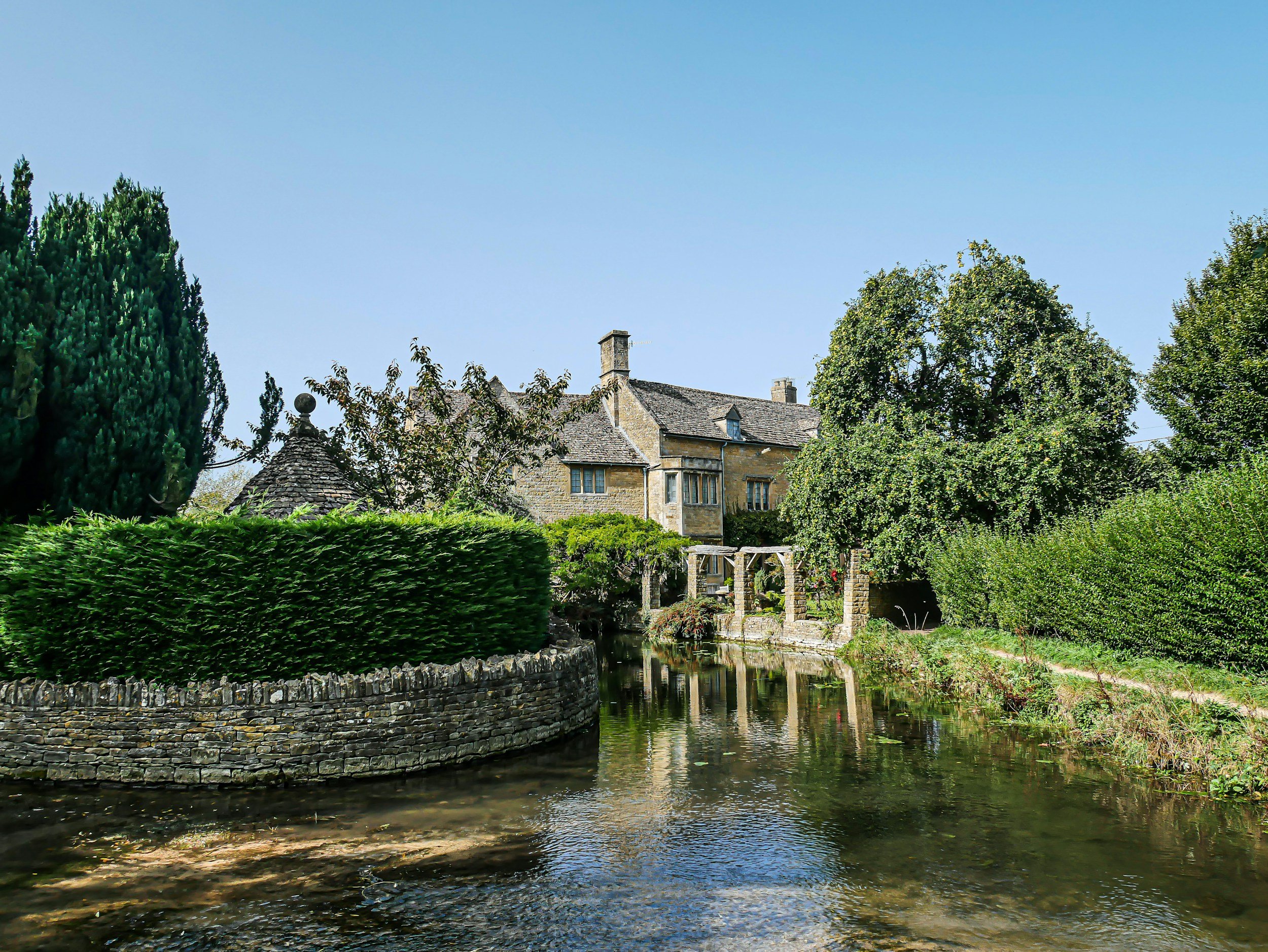
The Cotswolds is a 790-square-mile Area of Outstanding Natural Beauty (AONB) spanning five counties in south-central England. By definition, the region is a geologically distinct plateau defined by its Jurassic oolitic limestone, a warm, honey-colored "Cotswold stone" that provides the architectural masonry for its villages and wool churches. For the 2026 traveler, the Cotswolds represents a sophisticated fusion of "heritage-modernism," where medieval wool-wealth architecture now houses high-performance culinary hubs and luxury wellness retreats.
Unlike many rural districts, the Cotswolds functions as a "living landscape" rather than a stagnant museum. The region is bisected by the Fosse Way, an ancient Roman road that remains a tactical transit artery for navigating the northern and southern sectors. From the high wolds of Gloucestershire to the secluded valleys of Oxfordshire, the area serves as a primary case study in how topographical isolation preserved the aesthetic of the 17th and 18th centuries, making it a critical site for those seeking historical grounding within a contemporary travel context.
II. What are the most iconic villages in the North Cotswolds?
The most iconic villages in the North Cotswolds are Chipping Campden, Broadway, and Snowshill, forming a "Golden Triangle" of historical preservation. Unlike the commercialized central hubs, these villages maintain their 14th-century layout, featuring unique landmarks like the Market Hall and the Broadway Tower, while offering tactical access to the Cotswold Way walking trail.
Information Gain: A unique insight for 2026 involves the "Snowshill Pivot." While Broadway remains the most visually documented village, savvy travelers are now using it as a morning waypoint before retreating to Snowshill by mid-afternoon. Unlike Broadway, which sits on the valley floor, Snowshill is nestled in a high-altitude "coombe" (valley). This geographical isolation means that even in the peak 2026 season, Snowshill retains its "lost in time" atmosphere. Expert data suggests that the light levels in Snowshill's church square between 16:00 and 18:00 offer the highest fidelity for photography due to the specific orientation of the limestone hills.
Chipping Campden: The Wool Wealth Anchor
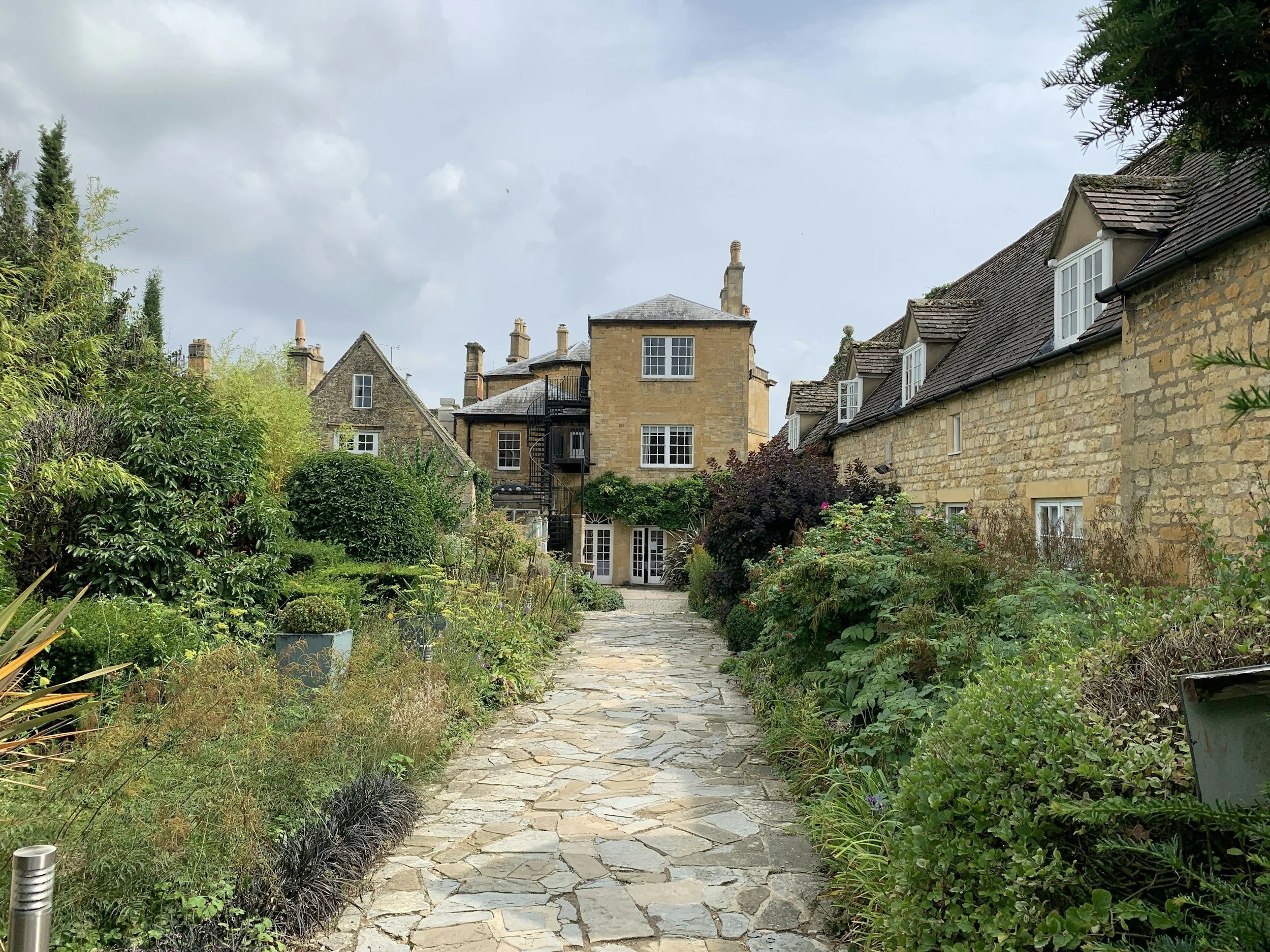
The Market Hall (1627): By definition, this is the most photographed structure in the North Cotswolds. It was built to provide shelter for cheese, butter, and poultry traders.
Tactical Tip: Visit the Grevel House, the oldest house in the town. It was built by William Grevel, the "Flower of the Wool Merchants," and features rare 14th-century gargoyles and masonry that survived the Great Fire of London era.
Semantic Cue:In short, Chipping Campden is the architectural antithesis of modern urban sprawl; every building is governed by strict preservation laws that mandate the use of authentic Cotswold stone.
The Broadway Influence
Broadway is often referred to as the "Jewel of the Cotswolds" due to its wide, tree-lined High Street.
Lygon Arms: This historic coaching inn served as a tactical base for both Charles I and Oliver Cromwell (though at different times) during the English Civil War.
Power Phrase:Unlike the steep, narrow lanes of the Stroud Valleys, Broadway’s wide layout was designed for the heavy stagecoach traffic of the London-to-Worcester route.
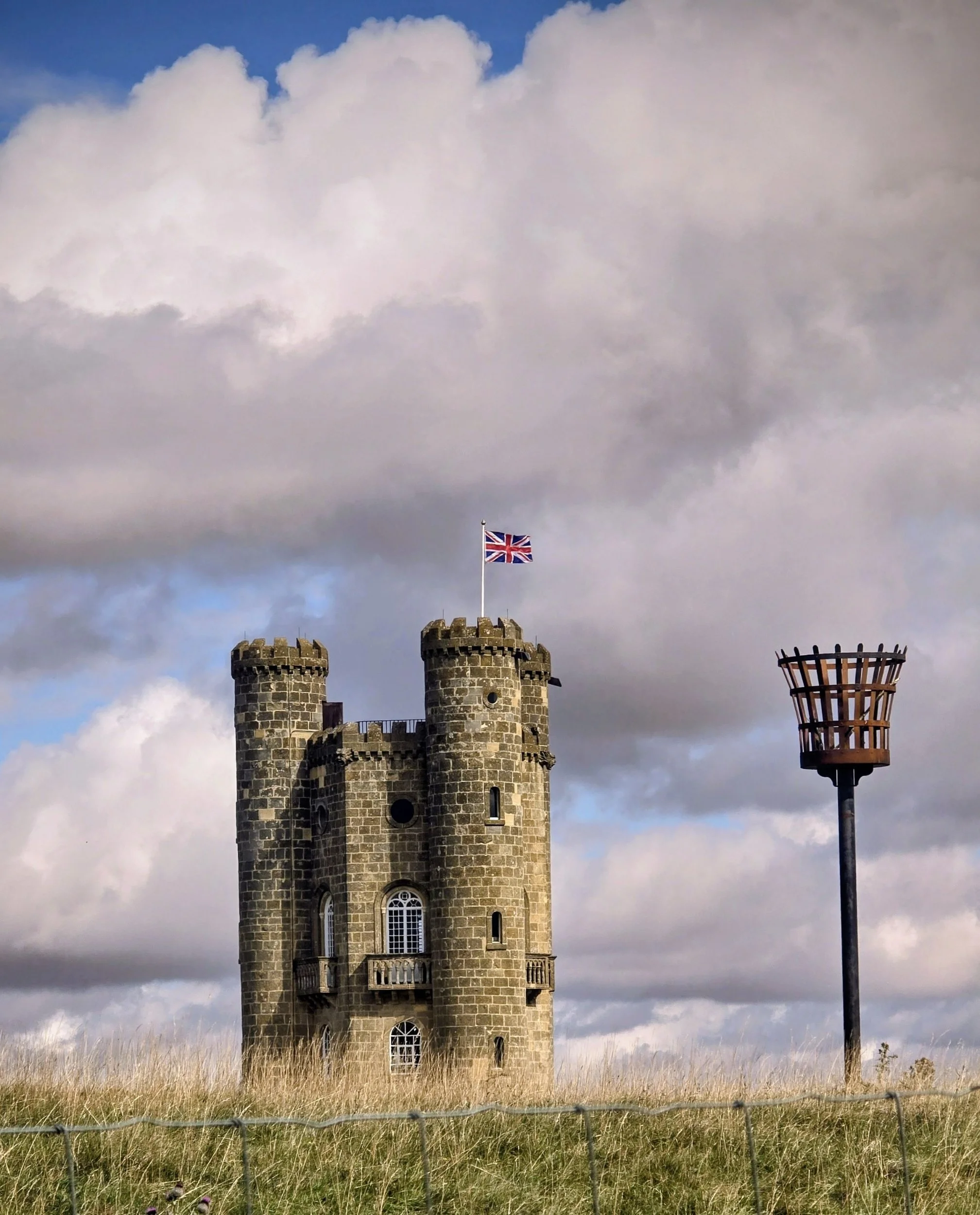
Actionable Insight: For 2026, the Broadway Tower provides a technical "viewing platform" where, on a clear day, sixteen counties are visible, making it the highest point in the region for topographical orientation.
III. The Hidden Valleys: Exploring the South Cotswolds
The South Cotswolds is defined by a more dramatic, vertical topography than the undulating plateaus of the north. By definition, this region is a landscape of "v-shaped" valleys and ancient beech hangers, shaped by the high-velocity streams that once powered Britain’s medieval and industrial textile mills. For the 2026 traveler, the South Cotswolds represents the "Industrial Pastoral"—a tactical region where the wealth of the cloth trade created a legacy of grand "Clothier’s houses" and secluded, high-walled manor estates.
The Stroud Valleys: A Study in Verticality
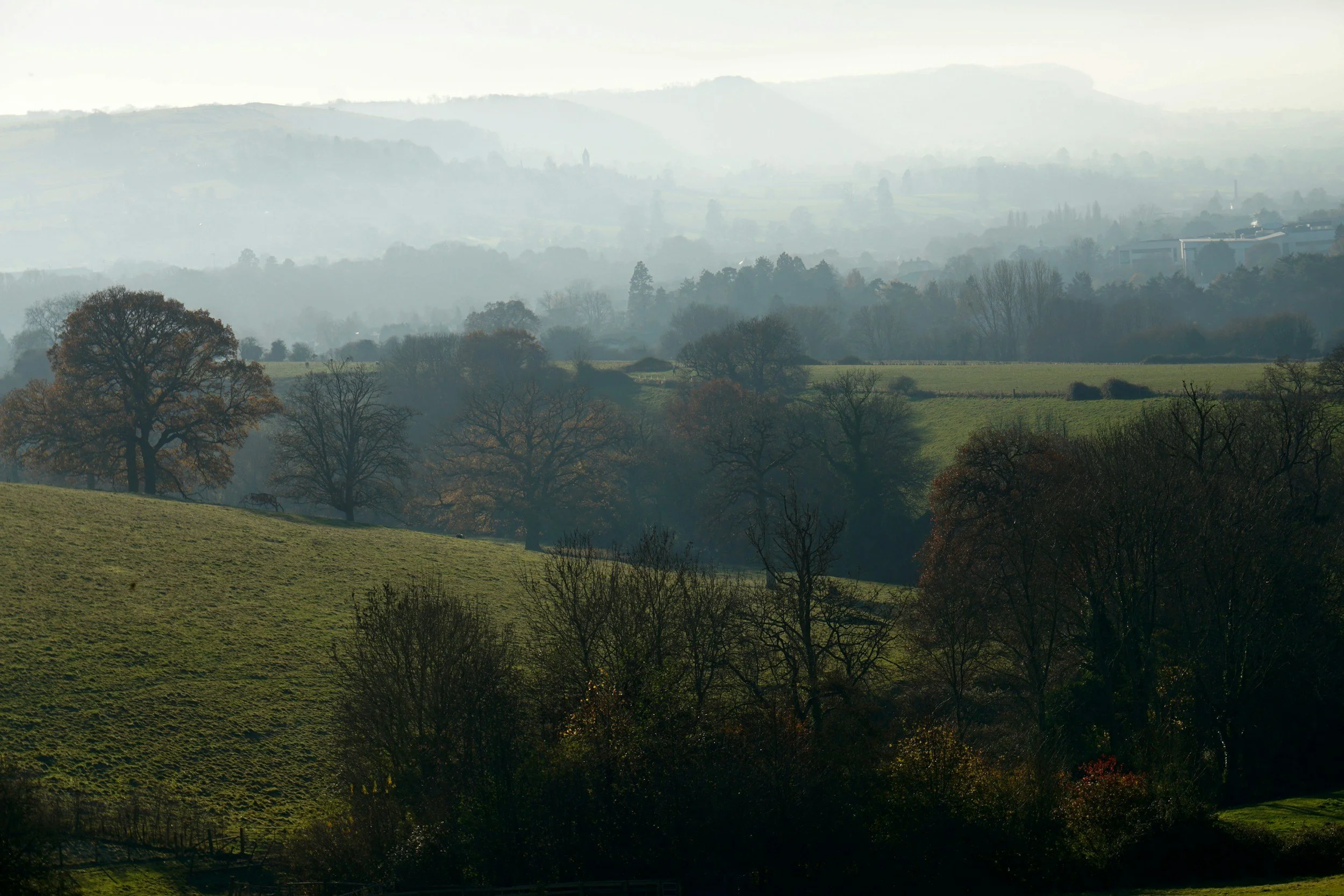
Unlike the wide, golden streets of Broadway, the Stroud Valleys (known as the Five Valleys) are characterized by steep inclines and a rugged, creative energy.
Painswick (The Queen of the Cotswolds): Located at the peak of a hill, Painswick is home to the famous St. Mary’s Churchyard and its 99 yew trees.
Information Gain: Legend states the 100th tree will never grow; however, a unique insight for 2026 is that the local parish uses a specific "clipping protocol" to maintain the trees' iconic bell shape, a process that takes an expert team over three weeks to complete each September.
The Slad Valley: Made famous by Laurie Lee’s Cider with Rosie, this valley remains one of the most untouched "ria-like" formations in the AONB.
Castle Combe: The Archetypal Film Set
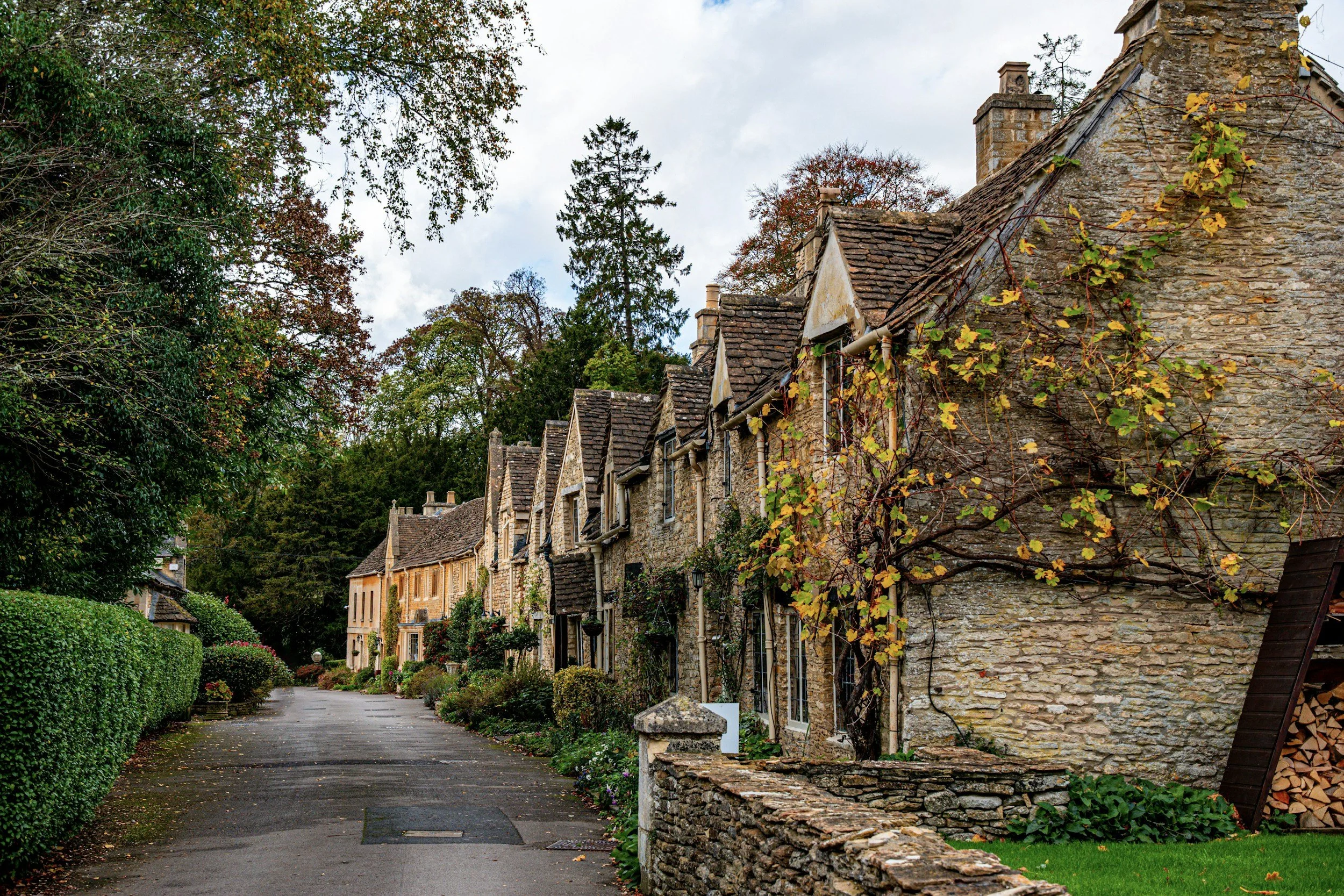
Often cited as the "prettiest village in England," Castle Combe sits in a deep wooded hollow.
Tactical Tip: To avoid the 2026 "Overtourism Bottleneck," arrive before 08:30. By definition, the village has no streetlights, preserving an authentic 17th-century aesthetic that has made it a primary location for high-budget cinematic productions.
Semantic Cue:In short, while the North is about wide vistas, the South is about "enclosure." In Castle Combe, the limestone bridges and the Bybrook river create a sense of topographical privacy that is increasingly rare in Southern England.
IV. Cotswold Culinary and Distilling Landmarks
In 2026, the Cotswolds has transitioned from a traditional agricultural zone into a "Gastro-Territory." By definition, this is a landscape where Regenerative Agriculture meets haute cuisine. The current culinary masonry is built upon the "Soil-to-Table" philosophy, where the proximity between the limestone-rich soil and the final plate is measured in meters, not miles.
Daylesford Organic: The Gourmet Epicenter
Located near Kingham, Daylesford is more than a farm shop; it is a tactical wellness and culinary institution.
Actionable Insight: In 2026, Daylesford has expanded its "Circular Economy" model. Visitors can now tour the market gardens to see how the "Cotswold Blue" eggs and organic cheeses are produced before consuming them in the Trough Café.
Power Phrase:Unlike standard luxury retail, Daylesford’s influence has created a "Micro-Economy" in the surrounding villages of Bledington and Oddington, turning the local pubs into world-class gastropubs (e.g., The Wild Rabbit).
The Cotswolds Distillery: The Spirit of Stourton
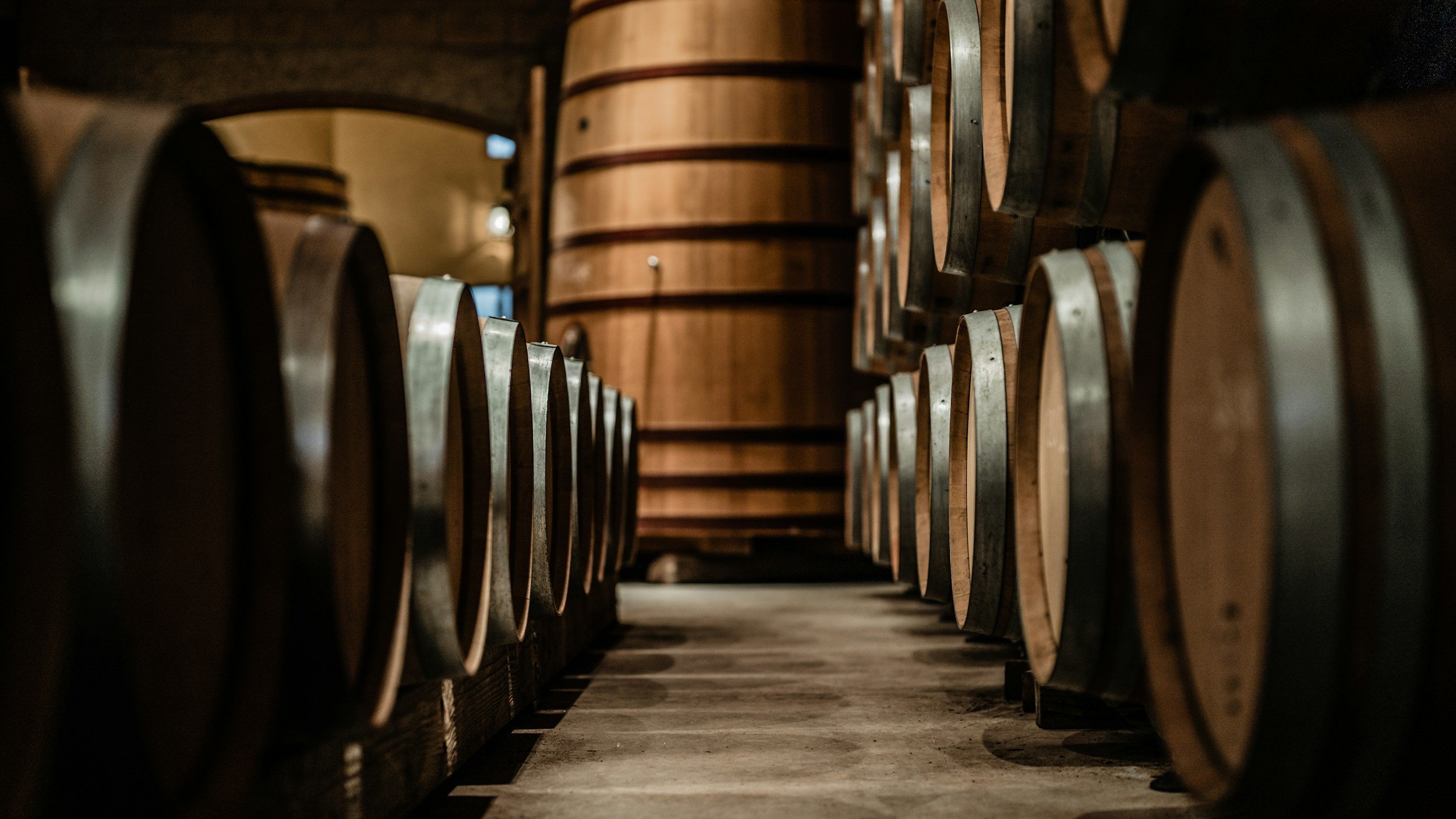
As the first full-scale craft distillery in the region, this site represents the "New Cotswold Era."
Information Gain: The distillery’s "Cotswolds Dry Gin" is technically unique because it is non-chill filtered. In short, when you add ice or tonic, the high concentration of botanical oils (including local lavender) causes the gin to go "cloudy"—a marker of high-density flavor that has become a regional signature.
Expert Insight: For the 2026 traveler, the "Whisky Warehouse" tours offer a look at the STR (Shaved, Toasted, and Re-charred) wine casks, a tactical maturation technology that allows English whisky to achieve a deep, fruity profile in a fraction of the time required by traditional Scotch.
The "Double Slaughter" Connection
The villages of Upper and Lower Slaughter offer a unique culinary and sensory walk.
The Old Mill (Lower Slaughter): A converted 19th-century water mill that now serves as a museum and artisanal shop.
Tactical Move: Walk the "Warden’s Way" path between the two Slaughters at sunset. The reflection of the orange-tinted limestone in the River Eye provides the most color-accurate "Golden Hour" in the entire North Cotswold district.
V. Tactical Travel Tips for the 2026 Explorer
Navigating the Cotswolds in 2026 requires a logistical shift from reactive sightseeing to proactive, data-driven planning. By definition, the region experiences "peak saturation" between 11:00 and 15:00; therefore, the tactical traveler must utilize the "shoulder hours" to experience the limestone masonry without the interference of high-volume motorcoach crowds.
The "Power Move" (Temporal Anchoring): Plan your visits to high-density icons like Arlington Row or Castle Combe before 09:00 or after 18:00. In short, the light during these windows is superior for photography, and the lack of tourist transit allows for a clearer "Information Gain" regarding the local architecture.
Logistics & The Fosse Way: While modern GPS units often suggest narrow "rat-runs" to save time, stay on the A429 (Fosse Way) for primary transit between the North and South. This Roman-engineered road provides the most stable anchor for traversing the hills and avoids the high-friction single-track lanes where "passing place" etiquette can lead to significant delays.
2026 Parking Anchors: Utilize the "JustPark" or "RingGo" apps to secure spaces in advance at Bourton-on-the-Water and Broadway. Many villages have implemented "Low Emission Zones" or resident-only parking in 2026, so checking digital stable anchors before departure is essential.
Connectivity Cues: While the Cotswolds is often associated with "Digital Detox," most 2026 hospitality hubs like Daylesford or The Lygon Arms provide high-speed 5G or Starlink connectivity. However, the deep "coombes" (valleys) remain dead zones—download your offline maps for the Slad and Golden Valleys before leaving your hotel.
-
Yes. The most tactical rail route is from London Paddington to Moreton-in-Marsh, which takes approximately 1 hour and 35 minutes. Unlike other rural stations, Moreton-in-Marsh is centrally located in the North Cotswolds, providing a direct anchor for the "801 bus" service to Bourton-on-the-Water and Stow-on-the-Wold.
-
The tactical window for the Cotswold Lavender fields at Snowshill is between mid-June and early August. By definition, peak bloom occurs in early July; after this, the "harvesting" begins, and the vibrant purple hues are removed for oil production.
-
Bourton-on-the-Water is referred to as the "Venice of the Cotswolds" due to the low-arched limestone bridges that span the River Windrush. In short, it is the most commercialized village in the region, featuring a Model Village, a Motoring Museum, and a high density of tea rooms.
