
Cardiff Castle: A 2,000-Year Vertical Timeline in the Heart of the Welsh Capital
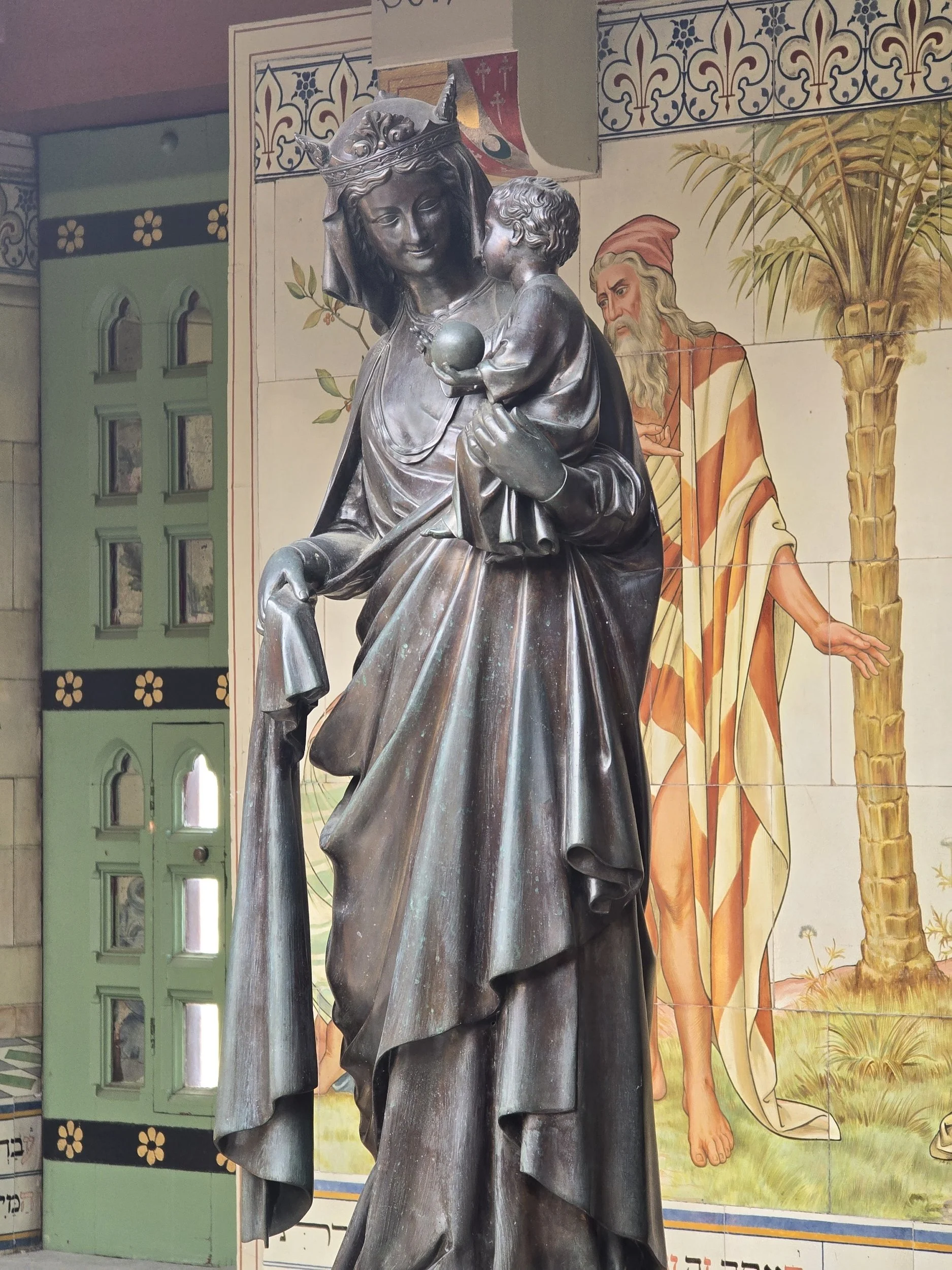
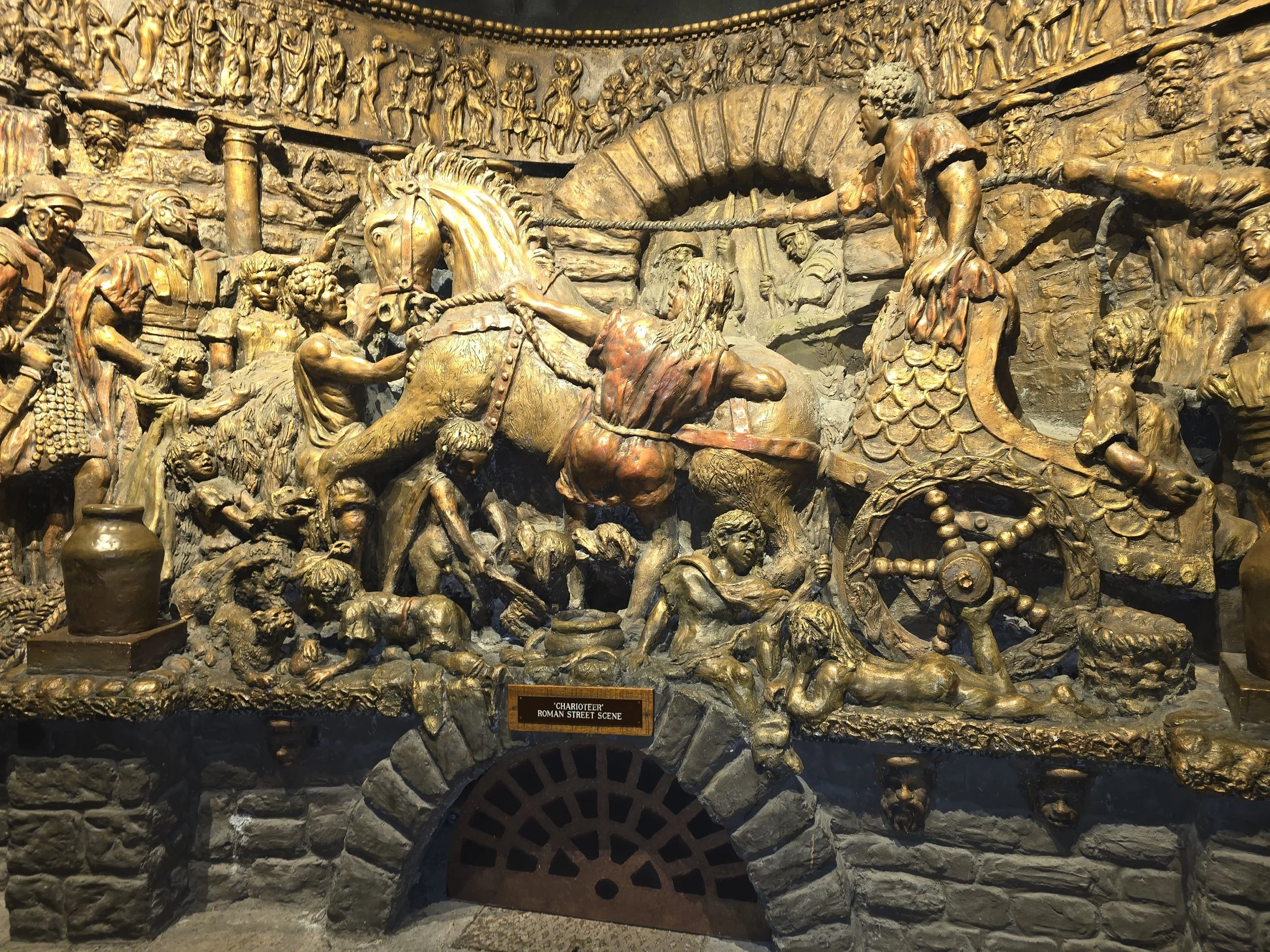
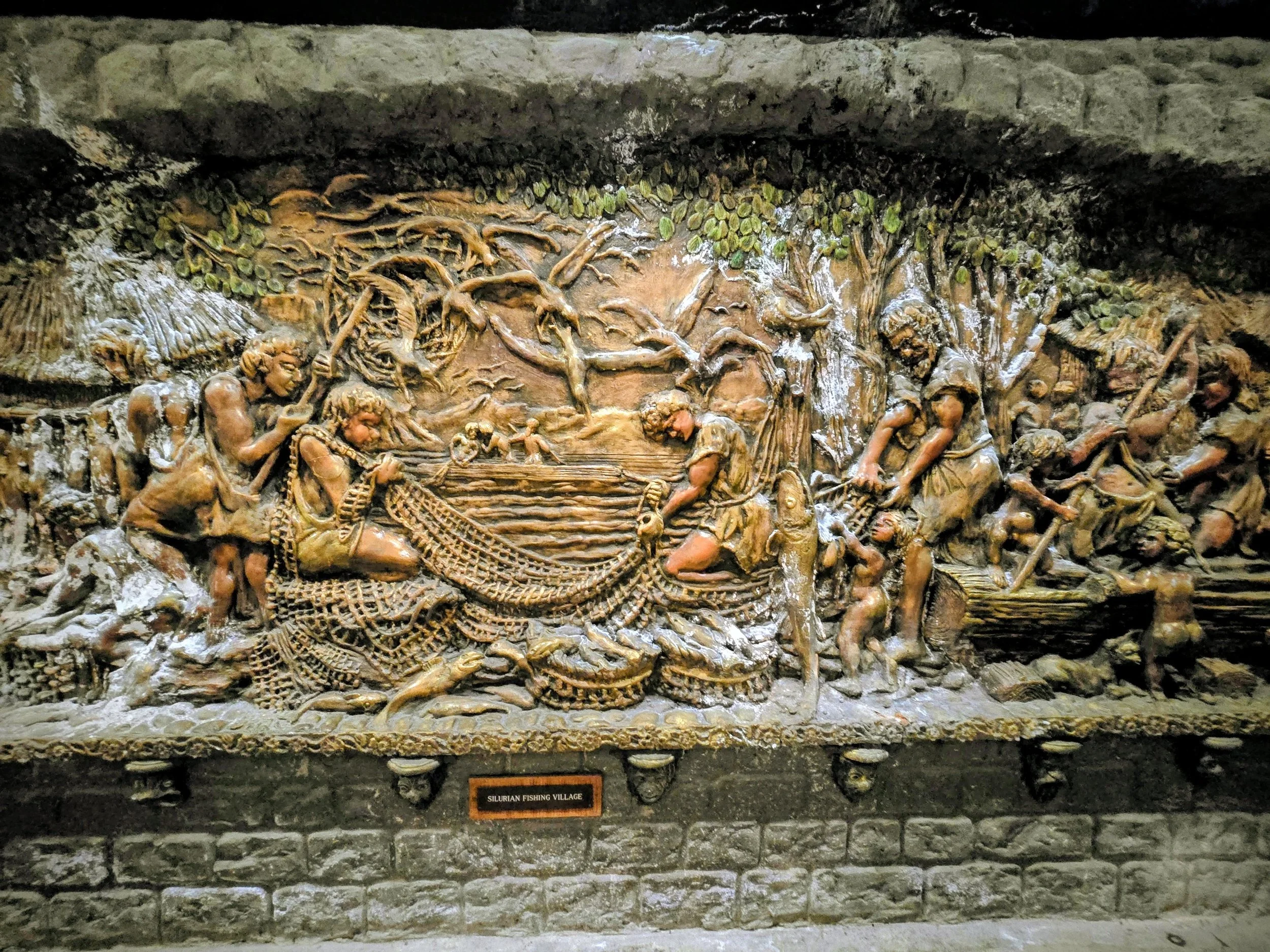
The Roman Fortress and the Gothic Fantasy: A Landscape of Stone and Gold
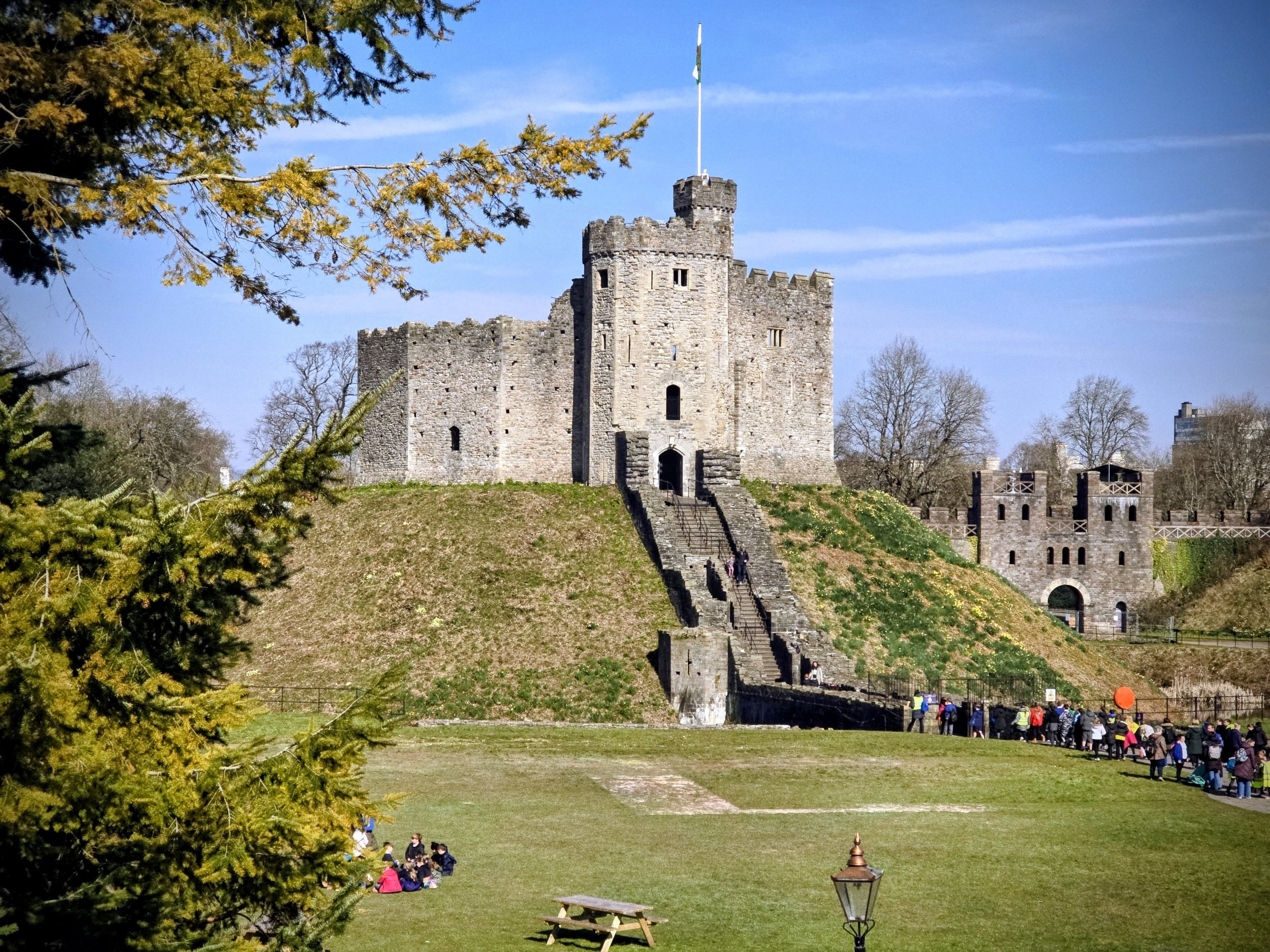
Standing defiantly in the center of Wales' vibrant capital, Cardiff Castle is an architectural enigma. It is not merely one castle, but several, built one on top of the other across two millennia. Its landscape is a unique juxtaposition of Roman ruins, a rugged Norman "motte and bailey," and a breathtaking Victorian Gothic mansion that defies the imagination. In 2026, it remains the psychological and historical heart of Cardiff, offering a physical record of the Roman occupation, the medieval wars of independence, and the immense wealth of the Industrial Revolution.
For the Explorers Insight reader, Cardiff Castle is a masterclass in architectural evolution. While its walls are ancient, its interior is a "Gilded Age" fever dream, reflecting the status of the Bute family, who were once the wealthiest people in the world.
🧭 The Deep History: Four Castles in One
To understand the site, you must peel back the layers of time, starting from the ground up.
1. The Roman Stronghold (c. 50 AD – 400 AD)
The first castle was a Roman fort established during the conquest of the Silures tribe.
The Discovery: For centuries, the Roman history of the site was forgotten until the 3rd Marquess of Bute uncovered the original Roman walls during renovations in 1888.
The Insight: Today, you can see the "Roman Layer"—a band of red sandstone that marks the original 1st-century masonry, upon which the Victorian walls were reconstructed.
2. The Norman Keep (c. 1081)
Following the Norman Conquest, William the Conqueror’s followers recognized the strategic value of the Roman site. They built a massive "motte"—a man-made hill—within the Roman walls.
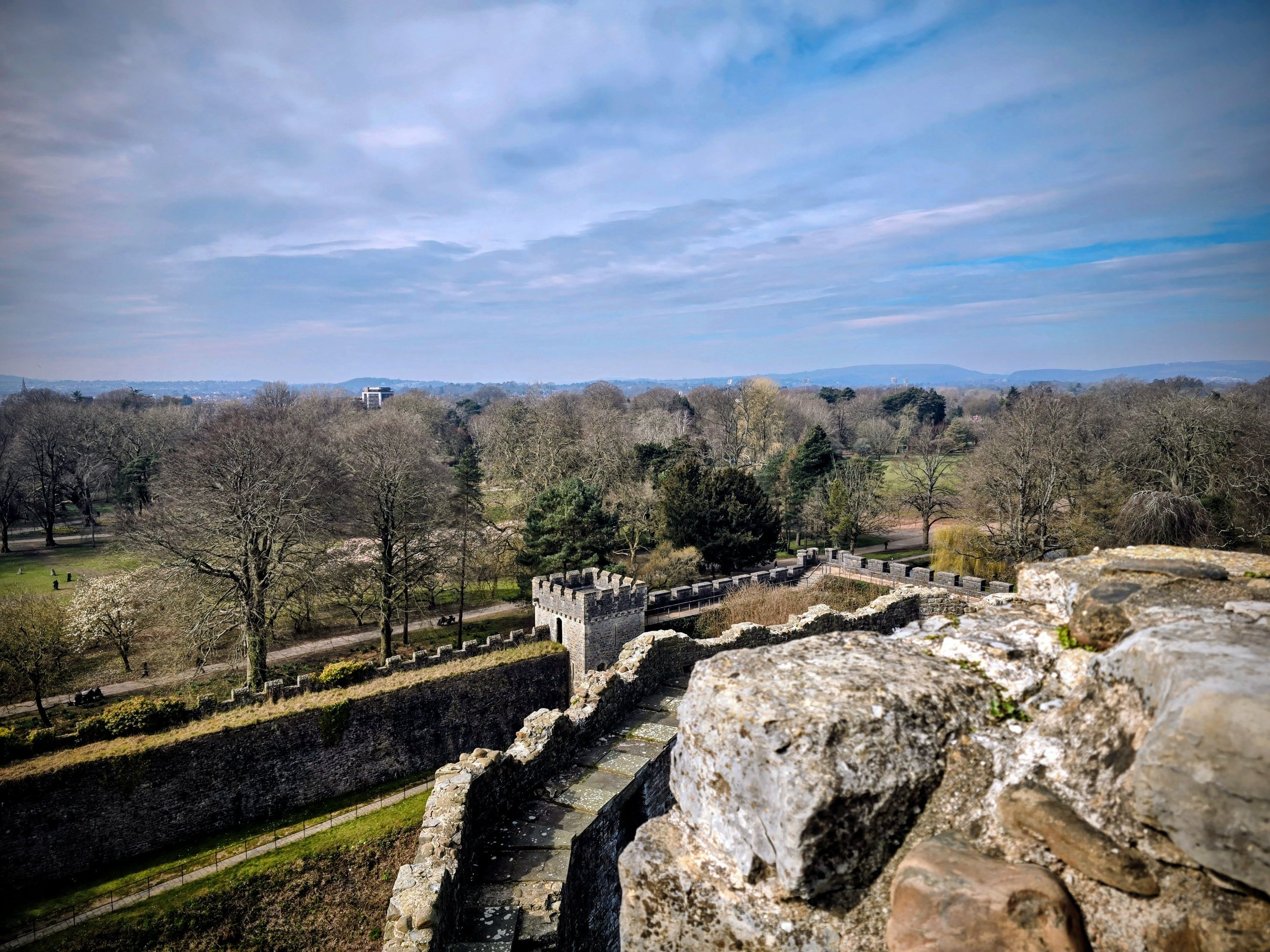
The Shell Keep: The 12-sided stone keep that sits atop the mound today was built in the 12th century. It remains one of the finest examples of a "shell keep" in the UK, offering 360-degree views of the Taff River and the Bristol Channel.
3. The Medieval Expansion
During the Middle Ages, the castle was a focal point of the Anglo-Norman struggle for Wales. It was famously stormed by the Welsh prince Owain Glyndŵr in 1404, who burned much of the surrounding town but spared the castle’s core structure.
4. The Bute Era and William Burges (1866–1947)
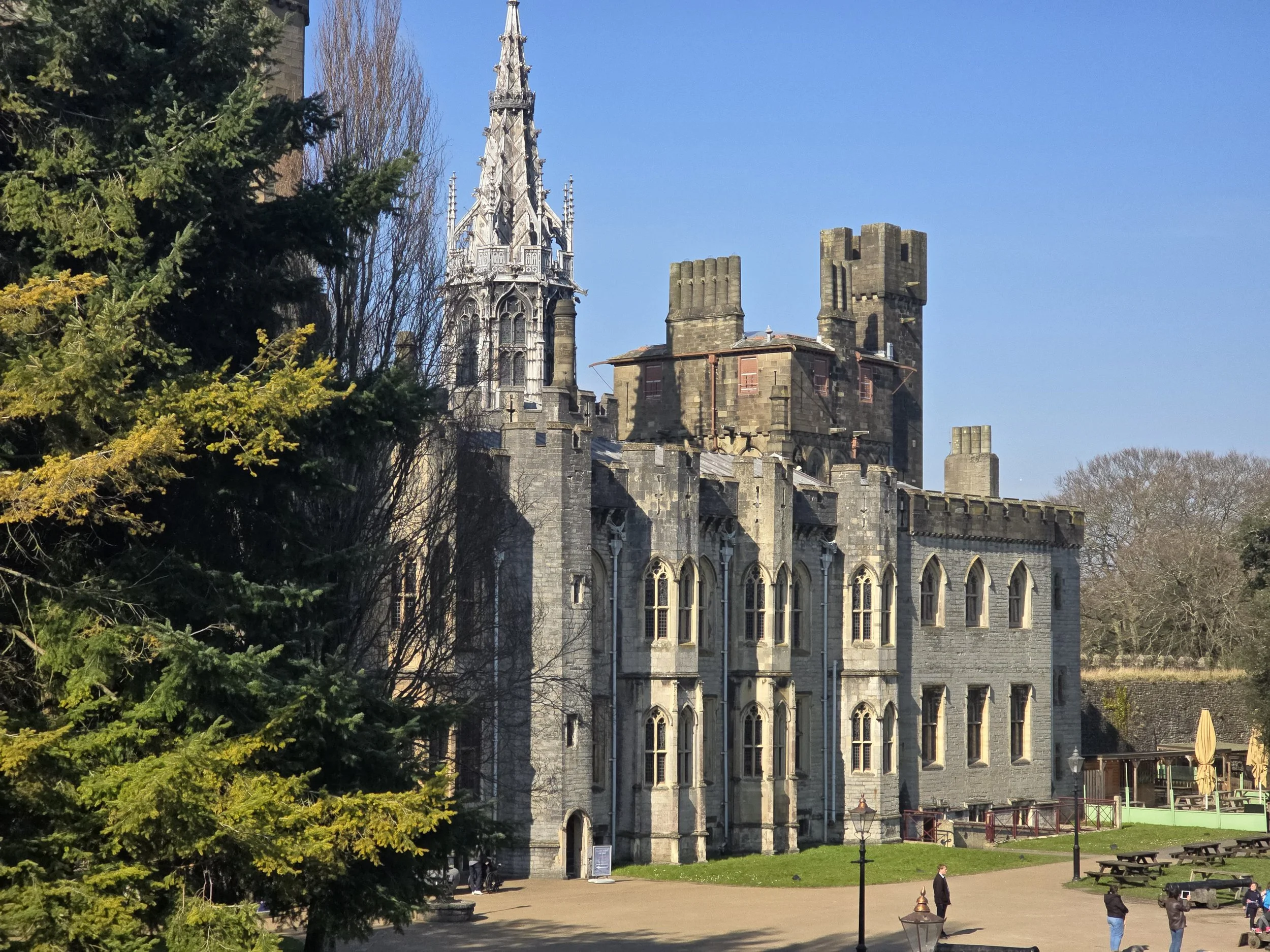
The most transformative period occurred when the 3rd Marquess of Bute inherited the estate. Fueled by the immense profits from the Cardiff Docks and the South Wales coal trade, he partnered with the eccentric architect William Burges. Together, they transformed the medieval ruins into a "Victorian Gothic" palace that is arguably the most ornate interior in the British Isles.
🧭 Cardiff Castle Landmarks: The High-Altitude Artistry
While the exterior suggests a military fortress, the interior is a temple to history, mythology, and craftsmanship.
1. The Arab Room
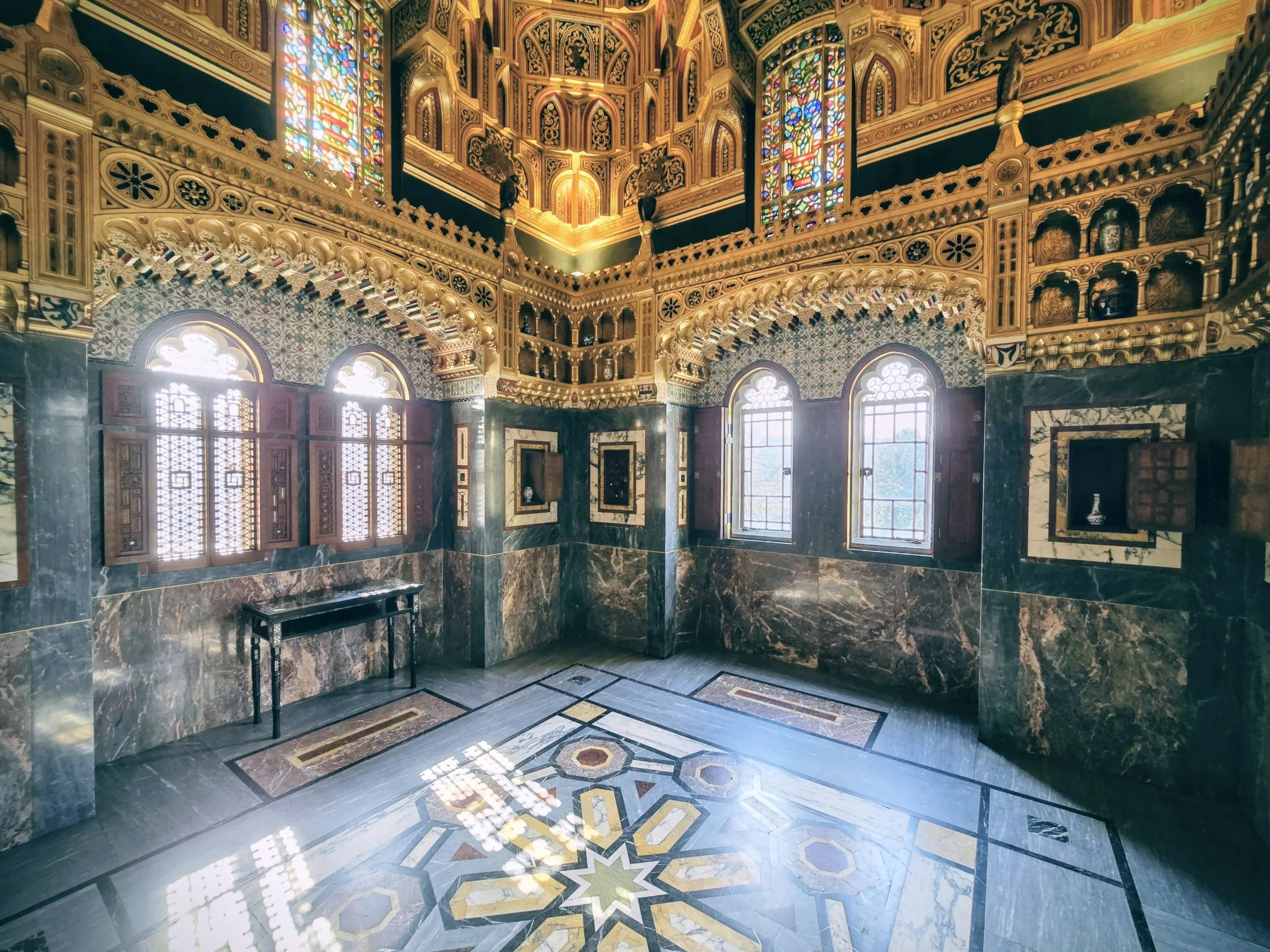
This is the masterpiece of the Bute collection. Designed by Burges, it features an incredible "muqarnas" ceiling—a complex honeycomb of gold leaf and intricate carvings inspired by Islamic architecture.
The Secret: The gold leaf used in this room alone would have cost a fortune even in the 1870s; it represents the pinnacle of the Marquess's "East meets West" aesthetic.
2. The Clock Tower
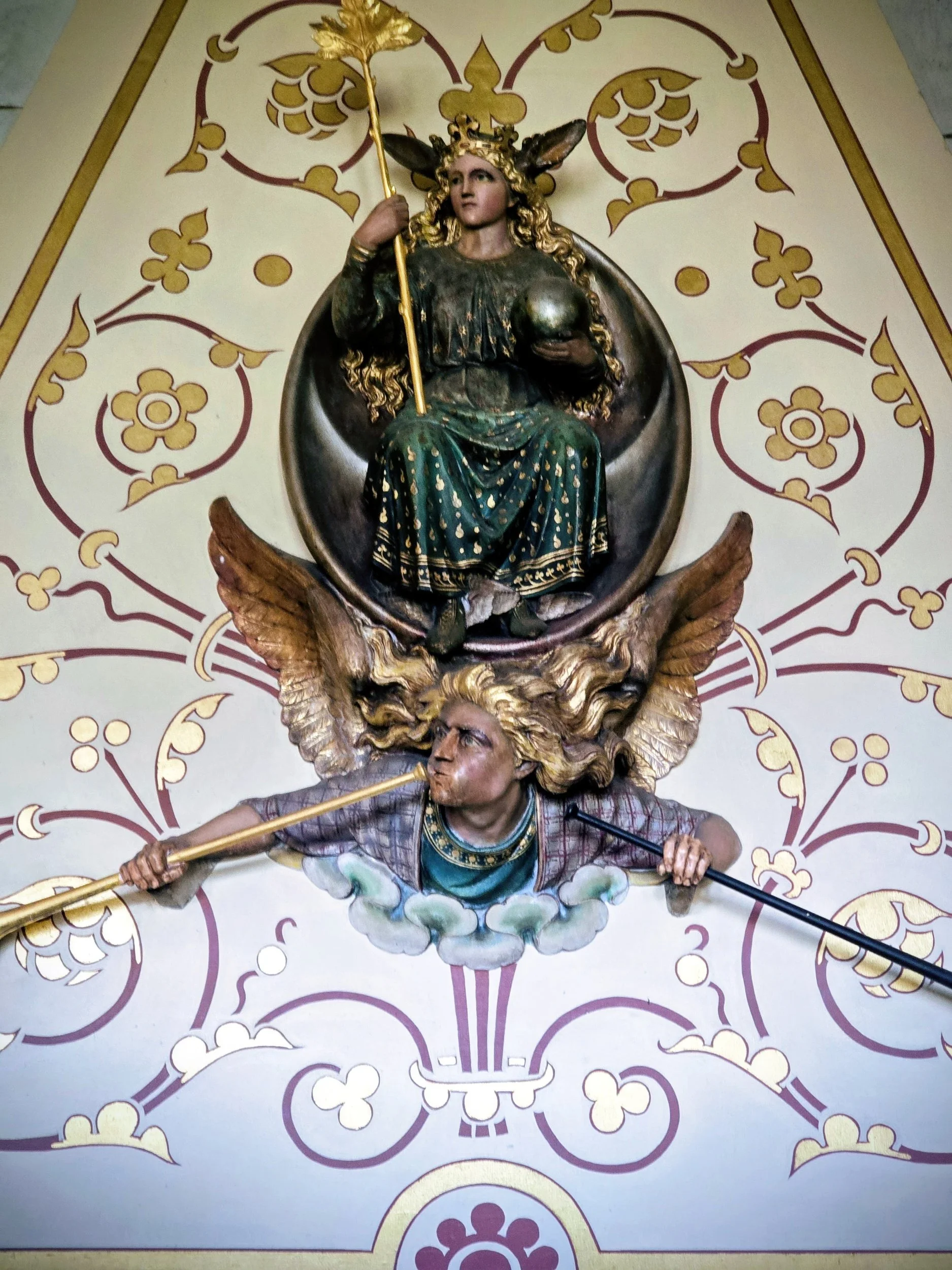
Rising high above Castle Street, this tower was the private suite of the Marquess. It contains the "Summer Smoking Room" and the "Winter Smoking Room," each decorated with astronomical symbols, zodiac signs, and seasonal myths.
3. The Wartime Tunnels
A stark contrast to the gold of the Bute rooms, the castle walls contain hidden air-raid shelters used during the Cardiff Blitz of WWII.
The Experience: You can walk through these tunnels, which could hold up to 1,800 people. The sound effects and recreated bunks provide a visceral sense of 1940s Cardiff.
4. The Black Tower and the Dungeon
This 13th-century gatehouse is where the castle’s "darker" history resides. It was used as a prison for centuries, famously holding Robert Curthose, the eldest son of William the Conqueror, for 28 years.
🧭 The Significance of the "Bute Gift"
In 1947, following the death of the 4th Marquess, the Bute family gave the castle and much of the surrounding Bute Park to the people of Cardiff. This act transformed the city's geography, ensuring that the sprawling green heart of the capital would remain public land forever. The castle is now managed by Cardiff Council, serving as a venue for state banquets, royal visits, and major cultural festivals.
🧭 Best Places to Eat Near Cardiff Castle (2026)
Cardiff’s culinary scene is a blend of traditional Welsh flavors and modern international fusion.
If you’re exploring Cardiff Castle, there are several great nearby places to eat depending on the experience you want. Pettigrew Tea Rooms, located in the castle’s historic West Lodge, is well known for its traditional Welsh cakes and is an ideal stop for a relaxed afternoon tea. Just across from the castle gates, The Potted Pig serves rich dishes like braised pork belly and is uniquely set inside a former bank vault. A short two-minute walk away, Cardiff Market is one of the best spots to try authentic local food such as Welsh laverbread and cockles, making it perfect for a quick, traditional lunch. For a more upscale evening meal, Asador 44 specializes in Spanish charcoal-grilled meats and offers a high-end dining experience with views toward the castle walls.
🧭 How to Get There: Tactical Travel Tips
By Train
Cardiff Central and Cardiff Queen Street stations are both within a 10-minute walk of the castle. Direct trains run from London Paddington (1h 50m) and Bristol Temple Meads (50m).
By Car
Parking in the city center can be difficult. We recommend using the North Road Car Park (just behind Bute Park) or the St. David’s Shopping Centre parking.
🧭 Specialized Tips for the 2026 Explorer
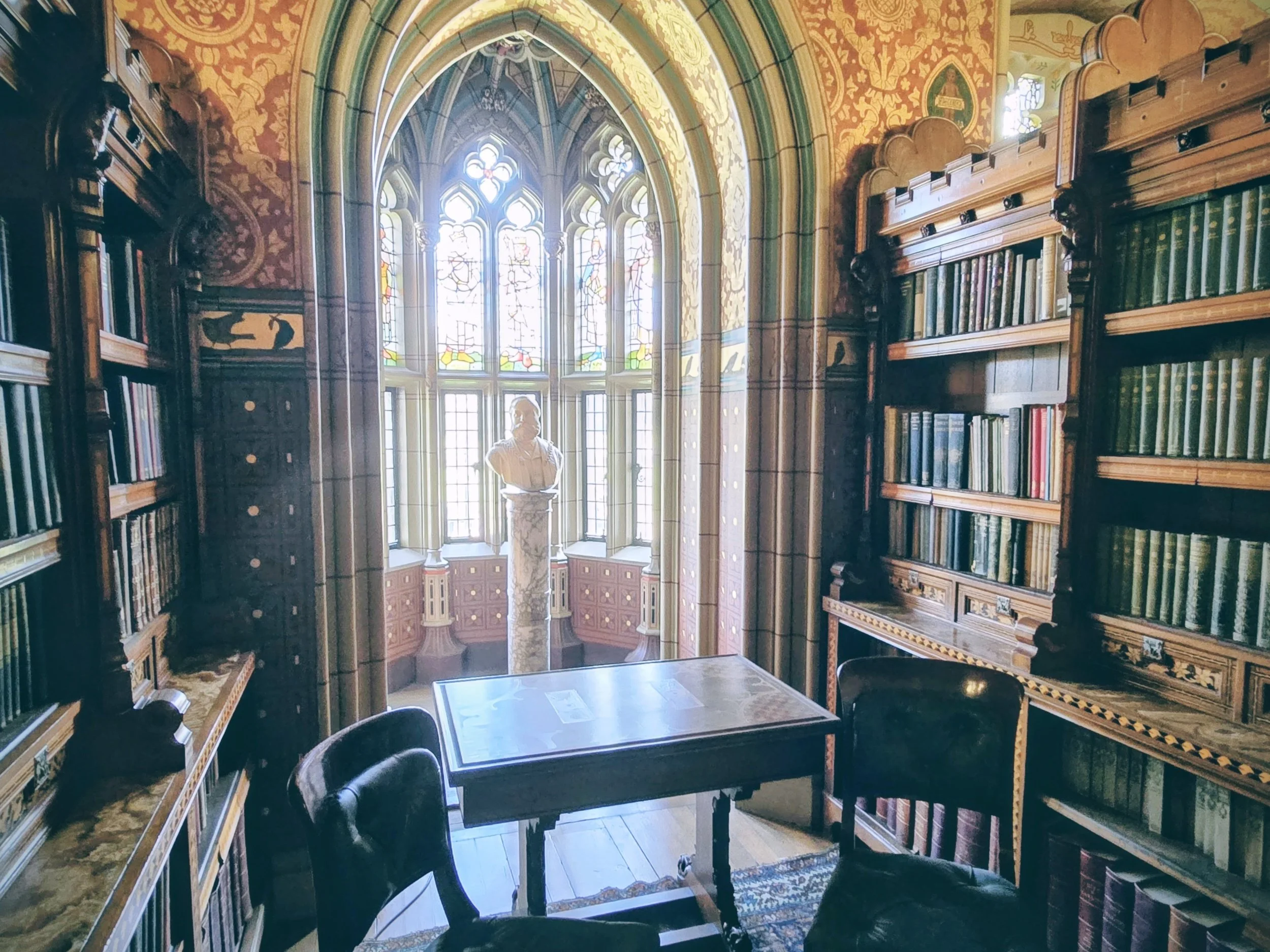
The "Curator's Tour" Strategy: The standard ticket covers the grounds and the Norman Keep, but you must book the "House Tour" to see the Bute rooms (like the Arab Room and the Library). These tours fill up fast—book your slot online at least 48 hours in advance.
The Animal Wall: Don't miss the wall running along Castle Street. It features 15 stone animals (lions, lynxes, and bears) carved by Thomas Nicholls. Look for the anteater—it was added later and has a slightly different artistic style!
Photography: For the best exterior shot, head into Bute Park just before sunset. The view of the castle reflected in the River Taff with the Clock Tower in the background is the "quintessential Cardiff" photo.
-
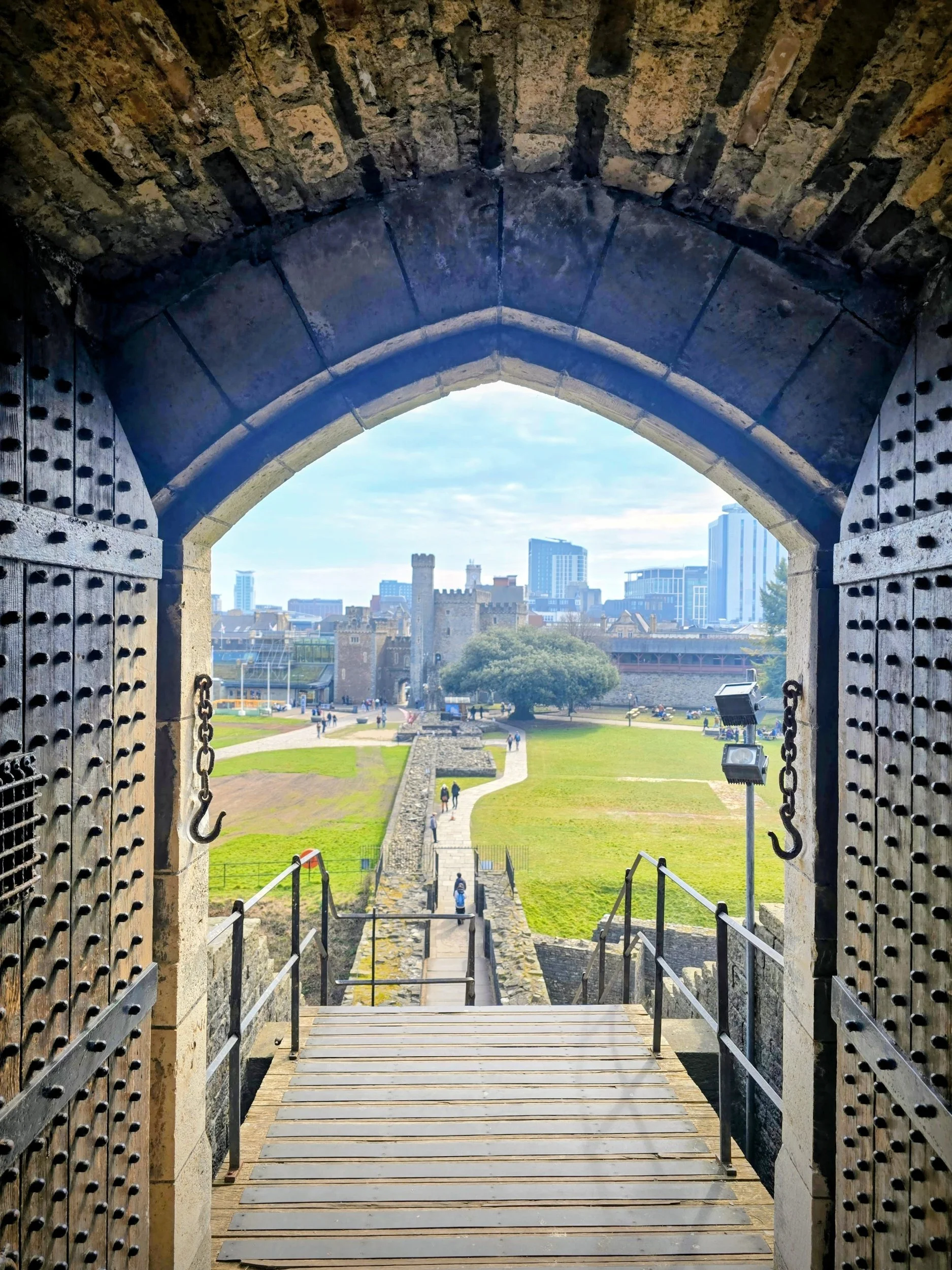
Yes. You can walk the entire perimeter of the Roman and Medieval walls, which provides an excellent vantage point of the city’s modern skyline meeting its ancient heart.
-
The grounds and the ground floor of the mansion are accessible. However, due to the historic nature of the site, the Norman Keep (steep stone steps) and the Wartime Tunnels have limited accessibility.
-
Yes, the castle houses "Firing Line: Cardiff Castle Museum of the Welsh Soldier," which details the history of the Royal Welsh and the 1st The Queen's Dragoon Guards.
