
The Pierhead Building: Cardiff’s Red-Terracotta Crown and the Big Ben of Wales
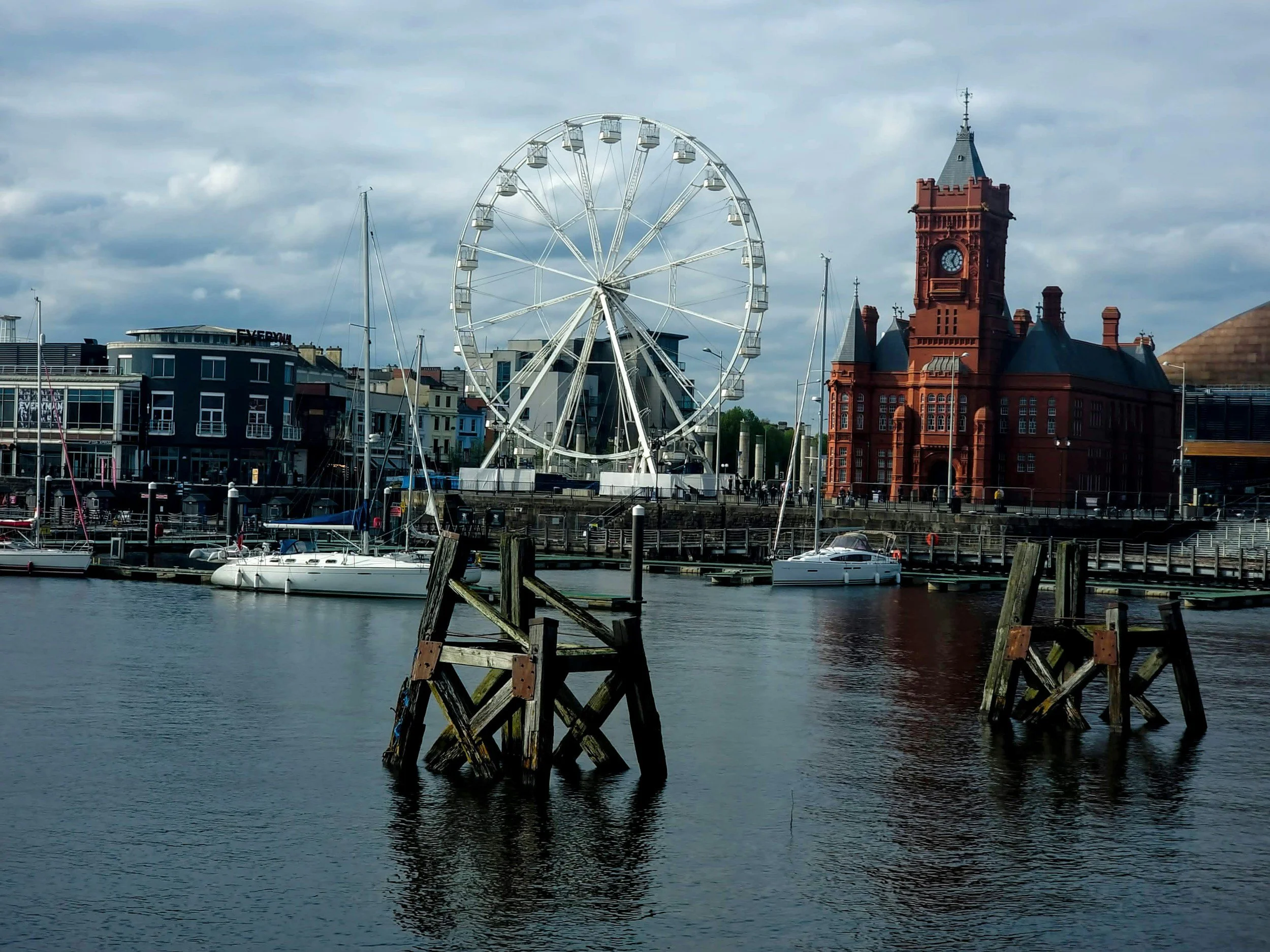
The Pierhead Building is Cardiff's red-terracotta icon, a Victorian Gothic masterpiece showcasing Wales' maritime history and the industrial legacy of coal.
The Architectural Anchor of Tiger Bay: A Landscape of Steam and Spirit
Standing as a striking sentinel over the Cardiff Bay waterfront, the Pierhead Building is a masterpiece of Victorian Gothic architecture and a symbol of Wales’ industrial dominance. With its vivid red Ruabon terracotta and distinctive clock tower, it offers a visual landscape that defies the modern glass and steel surrounding it. In 2026, it remains a vital site of Welsh heritage, transitioning from its origins as a hub of maritime commerce to a place of public debate and historical reflection.
For the Explorers Insight reader, the Pierhead is the tactical heart of the Bay. It is a location where the history of coal—the "black gold" that fueled the British Empire—meets the contemporary governance of the Senedd.
🧭 The Deep History: From "By Water and Fire" to the Senedd
To understand the Pierhead, one must look back to the late 19th century, when Cardiff was the busiest coal-exporting port in the world.
1. The Bute Docks and the Great Fire
The building was commissioned in 1897 as the headquarters for the Bute Docks Company (later the Cardiff Railway Company). It replaced the original offices which had tragically burnt down in 1892.
The Architect: It was designed by William Frame, a protégé of the legendary William Burges (the man responsible for the interiors of Cardiff Castle). Frame brought a similar "French Gothic Renaissance" flair to the docks, ensuring the building reflected the immense wealth of the Marquess of Bute.
2. The Motto: "Wrth Ddŵr a Thân"
Carved into the façade is the Welsh motto "Wrth Ddŵr a Thân" ("By Water and Fire").
The Significance: This refers to the steam power that revolutionized the Welsh landscape, linking the railways of the valleys to the shipping of the docks. It is a tactical reminder of the elemental forces that built modern Cardiff.
3. The 2010 Re-Opening
Following a major restoration, the building re-opened in 2010 as part of the Senedd (Welsh Parliament) estate. It shifted its significance from a private administrative office to a public "voices" gallery, where the history of Wales is showcased through the lens of its people and their stories.
🧭 Pierhead Landmarks: The Clock and the Terracotta
The building is renowned for its intricate ornamental details that reward those who stop to look closely.
1. The "Baby Big Ben" Clock Tower
The most famous feature is the clock tower, often called the "Big Ben of Wales."
The Detail: The multi-directional clock face was designed by Frame, and the original mechanism was weight-driven. Interestingly, the original 1897 mechanism was sold in the 1970s but was returned to Cardiff in 2005 and is now displayed as contemporary art in the city.
2. The Ruabon Red Terracotta
The building's deep red color comes from glazed terracotta blocks supplied by J.C. Edwards & Co. of Ruabon.
The Architecture: Look for the gargoyles, hexagonal chimneys, and carved friezes that depict ships and steam locomotives. These aren't just decorative; they are a visual archive of the transport systems that powered Tiger Bay.
3. The Main Hall
Inside, the Main Hall features dazzling turquoise mosaic tiles and a high, detailed ceiling.
The Rumor: It is here that the first million-pound cheque is rumored to have been processed, a testament to the colossal wealth that once passed through these doors.
🧭 Unique Insights: The History Within the Walls
While the exterior is a photographer's dream, the interior houses several significant artifacts and exhibits:
The Terra Nova Binnacle: You can see the original binnacle (compass stand) from Captain Scott’s ship, the Terra Nova, which departed from Cardiff for the Antarctic in 1910.
The Pennal Letter: The building often hosts important historical documents, including copies of the Pennal Letter sent by Owain Glyndŵr to the King of France in 1406.
The Heroes Gallery: An audio-visual display pays tribute to Welsh icons, ranging from political giants like David Lloyd George to cultural legends like fashion designer Laura Ashley.
🧭 Specialized Tips for the 2026 Explorer
The "Golden Hour" Strategy: For the best photography, visit the Bay in the late afternoon. The setting sun hits the red terracotta, causing the building to "glow" against the blue of the water and the grey slate of the Senedd.
The Free Admission: Access to the Pierhead is free. In 2026, it remains one of the best "no-cost" historical experiences in Cardiff. Always check the Senedd website for event schedules, as certain halls may be closed for public debates or seminars.
The Strategic Walk: Combine your visit with a tour of the Senedd (the modern parliament building next door) and a stop at the Norwegian Church, where Roald Dahl was baptized. This creates a perfect "heritage triangle" in the Bay.
-
Yes, it functions as a museum and exhibition center dedicated to the history of Cardiff Bay and Welsh cultural identity. It is part of the Welsh Parliament’s estate.
-
The easiest way is via the "Baycar" (Service 6) bus from Cardiff city center or by taking the train from Cardiff Queen Street to Cardiff Bay Station.
-
Yes. Despite its Victorian age, the building has been modernized with lifts and accessible routes to ensure that the exhibition spaces are open to everyone.
