
Minster Lovell: The Haunted Ruins and Riverside Whispers of the Windrush Valley
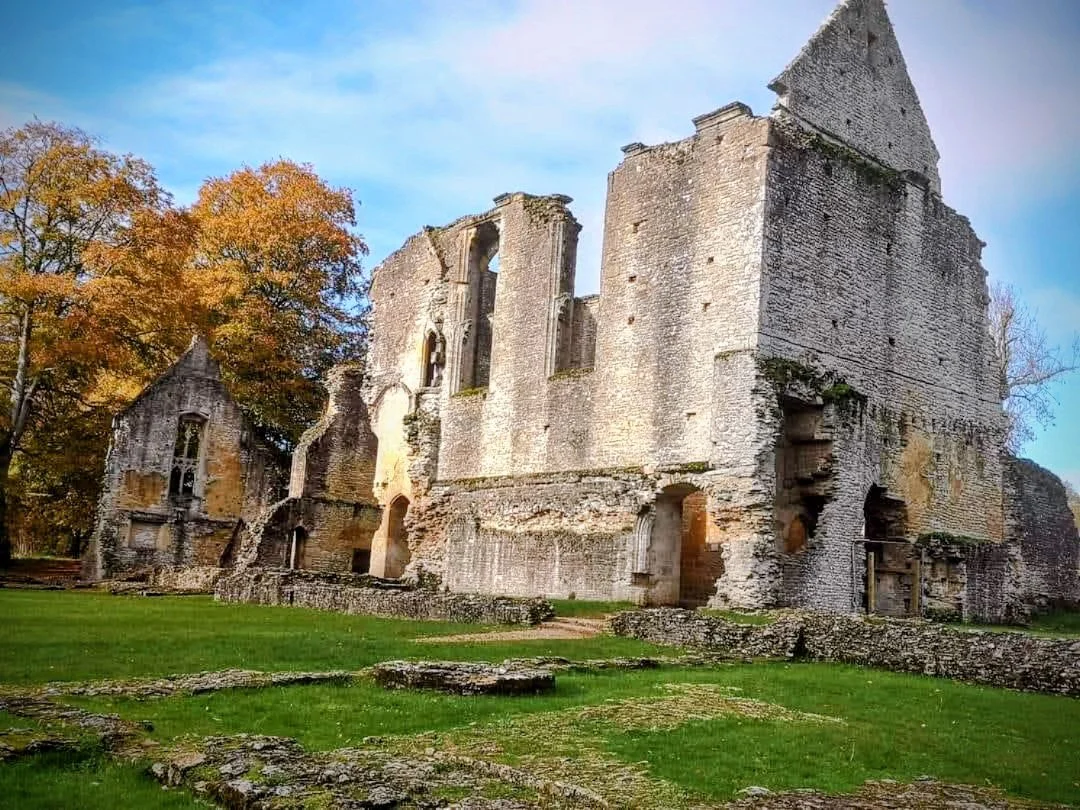
The Stone Skeleton: A Landscape of Medieval Mystery
Tucked away in a fold of the Oxfordshire Cotswolds, Minster Lovell offers a landscape that is starkly different from the manicured perfection of the region’s busier hubs. Here, the golden stone of the village gives way to the grey, skeletal remains of Minster Lovell Hall, a 15th-century manor that stands in silent ruin beside the River Windrush. In 2026, it remains a site of profound atmospheric power—a place where the history of England’s noble families meets the dark folklore of the "Mistletoe Bough."
For the Explorers Insight reader, Minster Lovell is a tactical study in the "romantic ruin." While the village itself features some of the finest thatched architecture in the country, its significance lies in the hollowed-out grandeur of its hall, providing a physical link to the high-stakes politics of the Wars of the Roses.
🧭 The Deep History: From the Lovell Legacy to the Skeleton in the Vault
The story of Minster Lovell is a timeline of meteoric rise and mysterious disappearance.
1. The Rise of the Lovells
The landscape was dominated for centuries by the Lovell family. In the 1430s, William, Lord Lovell, one of the richest men in England, built the grand manor whose ruins we see today. It was designed as a statement of immense wealth, featuring a massive great hall, a solar, and a highly advanced (for the time) drainage system fed by the river.
2. The Mystery of Francis Lovell
The most famous figure in the village’s history is Francis Lovell, a close ally of Richard III. Following the defeat at the Battle of Bosworth, Francis allegedly fled back to his manor at Minster Lovell.
The Legend: Local lore tells of a secret vault where Francis was hidden by a faithful servant. The servant died suddenly, leaving Francis locked inside to starve.
The Discovery: In 1708, during renovations, workers reportedly found a secret chamber containing a skeleton seated at a table with a book and a pen. Whether fact or folklore, this "Skeleton in the Vault" has defined the village's haunted landscape for centuries.
3. The Industrial Decline
In the 19th century, the landscape shifted from aristocratic to industrial. The village became a center for Charterville, an experiment by the Chartists to provide land and homes for working-class families. This "planned" landscape of smallholdings still gives the outer edges of the village a unique, structured feel compared to the organic layout of the historic core.
🧭 Minster Lovell Landmarks: The Hall and the Dovecote
To master the Minster Lovell experience, you must venture beyond the main street and follow the river path.
1. Minster Lovell Hall (The Ruins)
Now managed by English Heritage, the ruins are free to enter and offer a tactical playground for historians and photographers alike.
The Architecture: Look for the soaring Southwest tower and the intricate carvings around the Great Hall's entrance. The way the river reeds and willow trees frame the stone arches creates a visual symmetry that is a hallmark of the Windrush Valley.
2. St. Kenelm’s Church
Standing immediately adjacent to the ruins, this 15th-century "Wool Church" was funded by the Lovells.
The Highlight: Inside, you can find the magnificent alabaster tomb of William, Lord Lovell. His effigy lies in silent vigil, a perfect anatomical record of 15th-century armor and noble status.
3. The Dovecote
Located near the church, this circular stone structure was a vital part of the medieval manor’s food landscape. It could house hundreds of pigeons, providing a year-round source of fresh meat for the Lovell household. It remains one of the best-preserved examples of its kind in the Cotswolds.
🧭 The Old Swan and Minster Mill: Riverside Hospitality
The social landscape of the village is anchored by The Old Swan, a quintessentially English inn that has stood for over 600 years.
The Vibe: With its low oak beams, roaring log fires, and uneven stone floors, it provides the perfect "warm" contrast to the "cold" stone of the ruins.
The 2026 Insight: In 2026, the inn’s riverside terrace remains the premier spot for a post-walk local ale, offering views of the Windrush that have changed little since the time of the Lovells.
🧭 Specialized Tips for the 2026 Explorer
The "Mist on the Windrush" Strategy: For the most atmospheric photography, visit the ruins at dawn on a crisp autumn or spring morning. The mist rising from the river often clings to the hollow window frames of the hall, creating a ghostly landscape that perfectly reflects the village's legends.
The Secret Picnic Spot: Walk past the ruins and follow the river path for about 500 meters. You will find a series of small, secluded meadows that are rarely visited by tourists. This is the tactical choice for a quiet picnic, offering a view of the church spire rising above the trees.
Wild Swimming: In the summer months, the stretch of the Windrush near the ruins is a popular (but unofficial) spot for wild swimming. The water is shallow and clear, but be aware of the "weed" landscape—the river grows thick with greenery in July and August.
-
Yes. The ruins are managed by English Heritage but are open to the public free of charge during daylight hours. There are no gates or ticket booths, allowing for an uninterrupted exploration of the site.
-
The village is often cited as one of the most haunted in the Cotswolds. Local residents and visitors have reported seeing a "Grey Lady" near the river and hearing the rustle of paper in the ruins—allegedly the ghost of Francis Lovell still trying to write his way out of the vault.
-
There is a small public car park near the entrance to the church and ruins. However, it fills up quickly on weekends. We recommend parking near The Old Swan and walking through the village to appreciate the thatched cottages along the way.
