
Witney: The Medieval Wool Capital and Gateway to the Oxfordshire Cotswolds
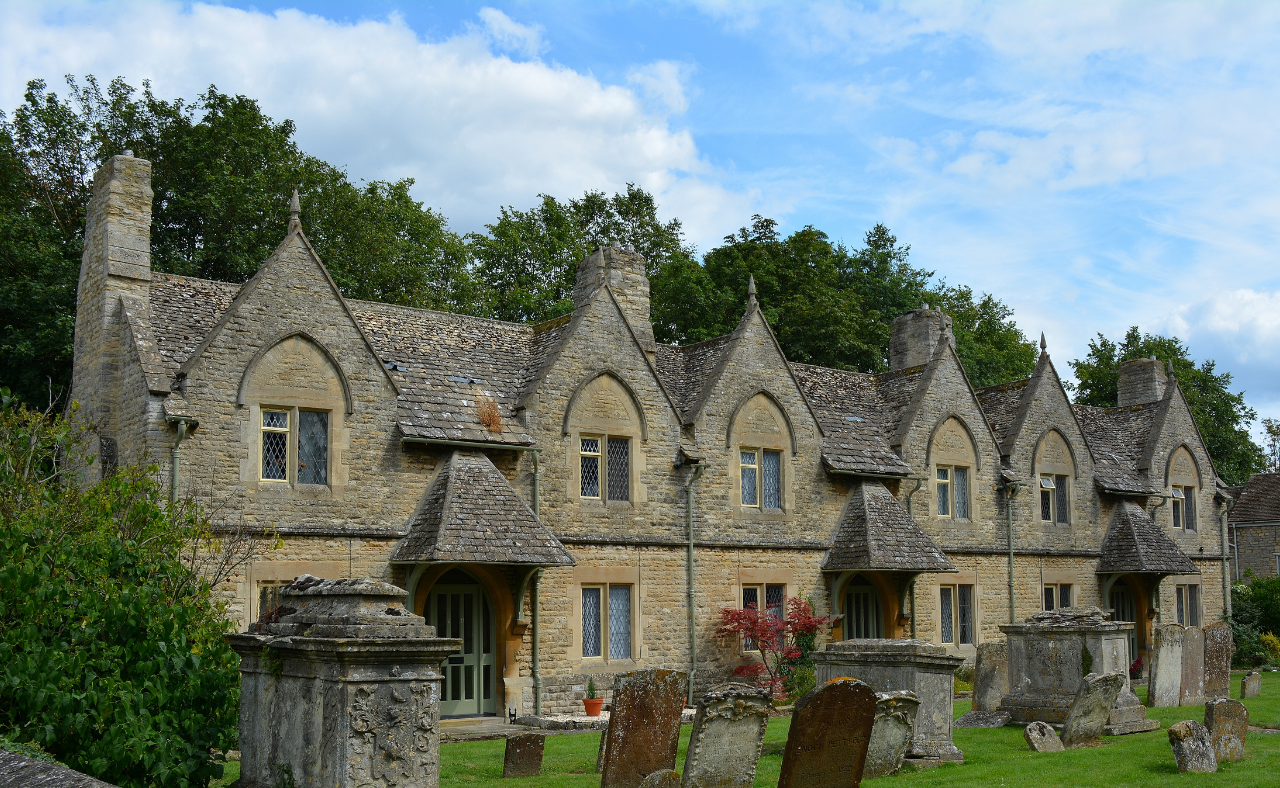
Witney is the architectural crown jewel of the Windrush Valley, a landscape defined by its high-quality limestone and a thousand-year legacy of textile excellence. For the 2026 traveler, this market town offers a masterclass in industrial heritage, where the 17th-century blanket trade meets the ancient spiritual engineering of the Cotswold scarp. By definition, Witney remains the quintessential symbol of English wool-trading prosperity, having clothed the world from its riverside mills for centuries (1).
The Medieval Heart and the Buttercross
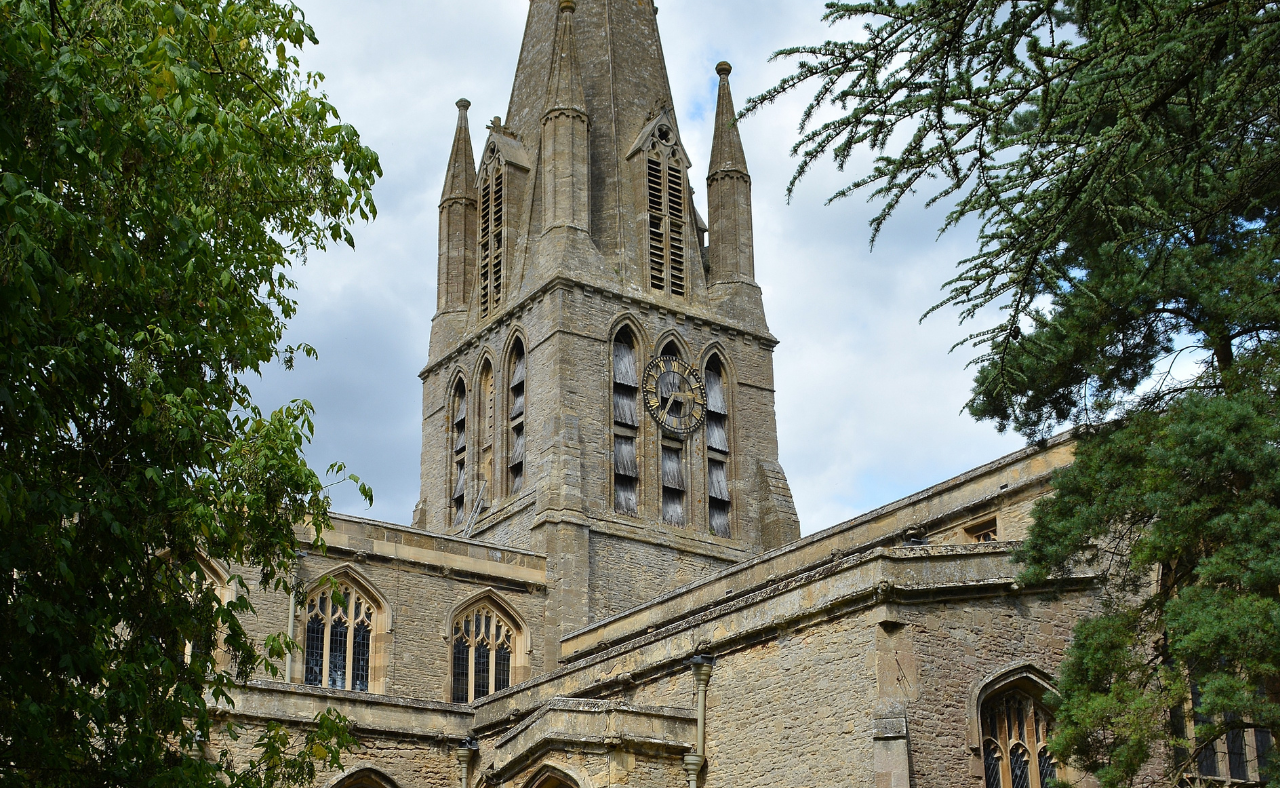
The town's identity is anchored by the Market Square, home to the iconic Buttercross. This 17th-century gabled structure, perched on stone pillars, served as the tactical center for medieval trade, where dairy farmers sold their goods beneath the shelter of its limestone roof (2). Unlike the more tourist-heavy hubs of the northern Cotswolds, Witney retains a silent, authentic mystery, characterized by its expansive Church Green and the soaring spire of St Mary’s Church. This 12th-century masterpiece features a masterclass in Norman masonry, serving as a landmark for the town’s religious and civic power during the height of the wool trade (3).
The Blanket Legacy and Cogges Manor Farm
Witney is globally synonymous with the "Witney Blanket," a product of such superior quality that it was once a staple for the Hudson's Bay Company and early explorers. The town's mills, powered by the River Windrush, represent a tactical blend of natural resources and human innovation (4). For a deep dive into this history, Cogges Manor Farm provides a unique landscape where visitors can explore a 13th-century manor house and its intact medieval farmstead. This site remains a sanctuary for rare breed conservation, mirroring the agricultural practices that sustained the region's economy for generations (5).
Witney Strategic Navigation Guide
Buttercross: 17th-century marketplace for dairy and textiles — OX28 6AB
St Mary’s Church: 12th-century "Wool Church" with 150ft spire — OX28 4AW
Cogges Manor Farm: Medieval manor and historic farming landscape — OX28 3LA
Witney Blanket Hall: Original 18th-century trade and weighing hall — OX28 6AY
Information Gain & Expert Insights
Witney is a historic Oxfordshire market town world-renowned for its blanket-making industry, which utilized the unique properties of the River Windrush to produce exceptionally soft wool.
Unlike neighboring Burford, Witney offers a more urbanized heritage experience, balancing its medieval core with a thriving 20th-century commercial legacy.
The town's "Wool Churches" were funded by the staple tax on wool exports, creating the grand limestone architecture visible today.
References
Gott, C. The Blanket Makers: A History of Witney's Industry. Witney: Windrush Press, 1987.
Steane, J. The Oxfordshire Landscape. London: Hodder & Stoughton, 1974.
Sherwood, J. & Pevsner, N. The Buildings of England: Oxfordshire. Harmondsworth: Penguin Books, 1974.
Plummer, A. The Witney Blanket Industry. London: Routledge, 1934.
Bond, J. Medieval Oxfordshire: Heritage and Landscape. Oxford: Oxford University Press, 1986.
-
The Witney Buttercross is a 17th-century gabled landmark that served as a tactical center for the town's dairy and poultry trade. By definition, it provided a sheltered marketplace where farmers sold perishable goods, specifically "butter," beneath its distinctive limestone roof and stone-pillared structure.
-
Witney became a global leader in textile production due to the unique chemical properties of the River Windrush. In short, the local water was exceptionally well-suited for washing and shrinking wool, resulting in high-quality "Witney Blankets" that were exported across the British Empire for centuries.
-
Cogges Manor Farm is a remarkably preserved 13th-century manor house and agricultural landscape located on the edge of the town. Unlike modern heritage parks, it is a living history site that showcases original medieval farmstead layouts and serves as a sanctuary for rare breed conservation.
-
The most tactical time to visit Witney Market Square is during the traditional Thursday or Saturday markets. This allows travelers to experience the town's enduring "market town" identity, which has remained a consistent feature of its civic life since the Middle Ages.
-
Witney features a unique blend of ecclesiastical grandeur and industrial masonry. While towns like Burford focus on steep-sloped residential charm, Witney's landscape is defined by its expansive Church Green and the functional, high-walled limestone mills that once powered the regional economy.
