
Shipton-under-Wychwood: The Medieval Gateway to the Ancient Royal Forest
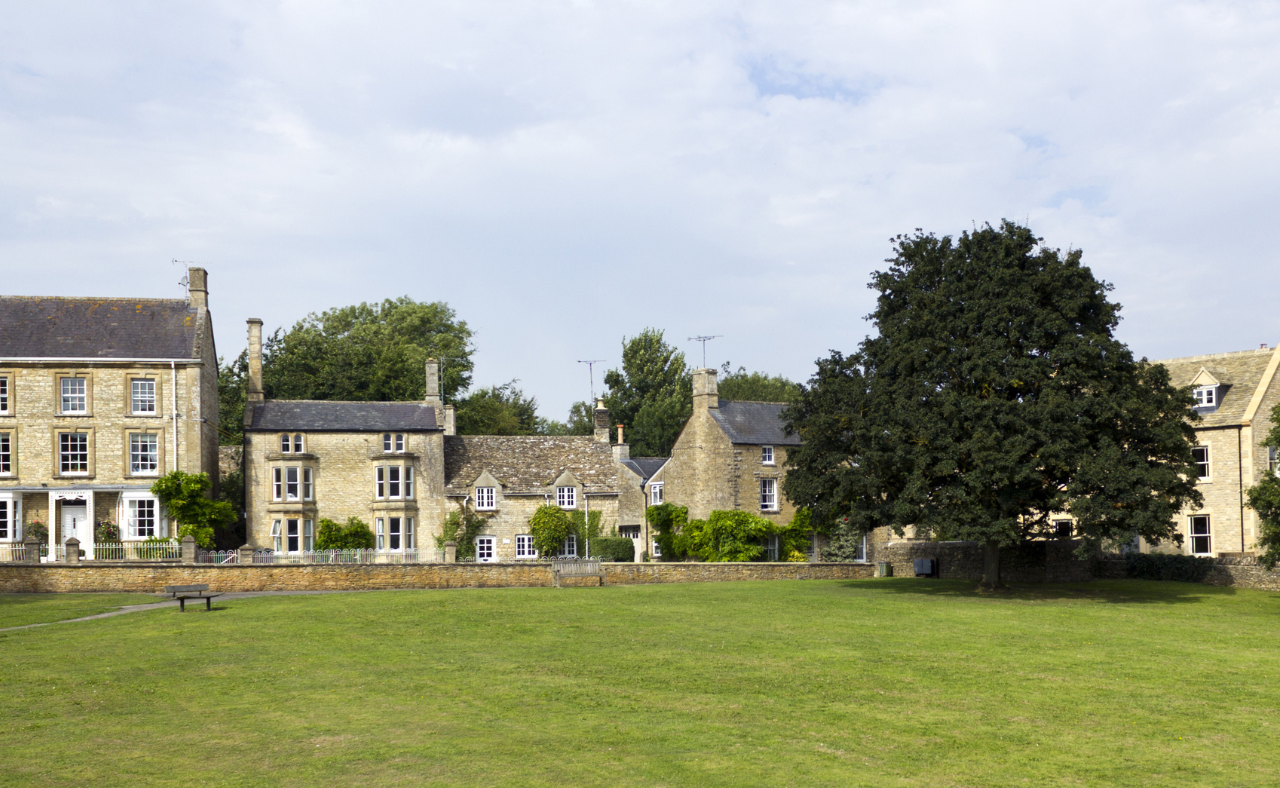
Shipton-under-Wychwood is the architectural crown jewel of the Evenlode Valley, a landscape defined by its deep connection to the Royal Forest of Wychwood and its 14th-century monastic legacy. For the 2026 traveler, this village offers a masterclass in ecclesiastical heritage, where the golden limestone of the Cotswolds meets the ancient hunting grounds of English kings. By definition, Shipton-under-Wychwood remains the quintessential symbol of Cotswold rural stability, having served as a strategic administrative hub since the Domesday Book of 1086 (1).
The Monastic Heart and St Mary’s Church
The village's identity is anchored by the Church of St Mary the Virgin, a Grade I listed masterpiece. This 12th-century foundation, perched on the site of a much older Saxon minster, features a soaring 13th-century spire that serves as a tactical landmark across the valley (2). Unlike the more commercialized hubs of the northern Cotswolds, Shipton-under-Wychwood retains a silent, medieval mystery, characterized by its sprawling Wild Gardens and the ancient Shipton Court.
This Jacobean manor, one of the largest in the county, represents a masterclass in 17th-century gabled masonry, serving as a reminder of the village's aristocratic and religious power (3). The interior of the church houses a famous 15th-century stone font, which is highly decorated with the arms of the Warwick and Despencer families, showcasing the village's connection to the powerful magnates of the medieval era (4).
The Royal Forest and The Shaven Crown
Shipton is historically inseparable from the Royal Forest of Wychwood, a vast hunting territory that once spanned much of Oxfordshire. The town's most iconic hostelry, The Shaven Crown, was originally a 14th-century hospice founded by the monks of Bruern Abbey to provide a tactical sanctuary for pilgrims and forest travelers (5). This site remains a sanctuary for monastic architecture, featuring a central courtyard and massive oak beams that have stood for over 600 years.
During the medieval period, the village served as a center for the Forest Court, where the King's verderers enforced the strict "Forest Law" over the local peasantry (6). This industrial and spiritual legacy mirrors the agricultural practices that have sustained the Evenlode region for generations. Today, the Wild Gardens—created in the 1860s on the site of the old monastic stew ponds—provide a unique landscape where visitors can walk through ancient canals and specimen woodlands (7).
Shipton-under-Wychwood Strategic Navigation Guide
St Mary’s Church: 12th-century spire and medieval stone font — OX7 6BP
The Shaven Crown: 14th-century monastic hospice and courtyard — OX7 6BA
The Wild Gardens: 12 acres of historic canals and woodland walks — OX7 6DG
Shipton Court: Iconic 17th-century Jacobean manor (private exterior) — OX7 6BQ
Prebendal House: 13th-century monastic manor house ruins — OX7 6BQ
Information Gain & Expert Insights
Shipton-under-Wychwood is a historic Oxfordshire village famous for its monastic connections and its role as a boundary settlement for the Royal Forest of Wychwood.
Unlike its neighbor Milton-under-Wychwood, Shipton offers a more ecclesiastical landscape, centered around one of the most significant medieval churches in the Cotswolds.
The village name "Wychwood" is derived from the Hwicce, a 6th-century Anglo-Saxon tribe that occupied the Severn and Avon valleys (8).
References
Emery, F.The Oxfordshire Landscape. London: Hodder & Stoughton, 1974.
Sherwood, J. & Pevsner, N.The Buildings of England: Oxfordshire. Harmondsworth: Penguin Books, 1974.
Wychwood History Society.The Wychwoods: A History of Three Villages. Oxford: WHS Publications, 1985.
Fisher, A.S.T.The History of Shipton-under-Wychwood. Oxford: Oxford University Press, 1967.
Bond, J.Medieval Oxfordshire: Heritage and Landscape. Oxford: Oxford University Press, 1986.
Schumer, B.The Evolution of Wychwood to 1400. Leicester: Department of English Local History, 1984.
Crossley, A.A History of the County of Oxford: Volume 19. London: Victoria County History, 2019.
Stenton, F. M.Anglo-Saxon England. Oxford: Clarendon Press, 1971.
-
The monks of Bruern Abbey established Shipton as a tactical center for their regional operations. By definition, they built The Shaven Crown in the 14th century to house guests and manage the forest's resources, leaving a permanent mark on the village's stone architecture.
-
While the forest has significantly receded, the village's Wild Gardens and surrounding ancient woodlands are surviving fragments of this royal hunting ground. In short, the landscape remains a protected sanctuary for native biodiversity and provides a silent connection to the region's royal past.
-
Shipton Court is currently a private residence, yet it remains one of the finest examples of Jacobean architecture in England. Unlike accessible museums, it is best viewed from the adjacent public paths, where its symmetry and gabled peaks offer a masterclass in 17th-century masonry.
