
Stanton: The Purest Stone Masterpiece of the Cotswold Edge
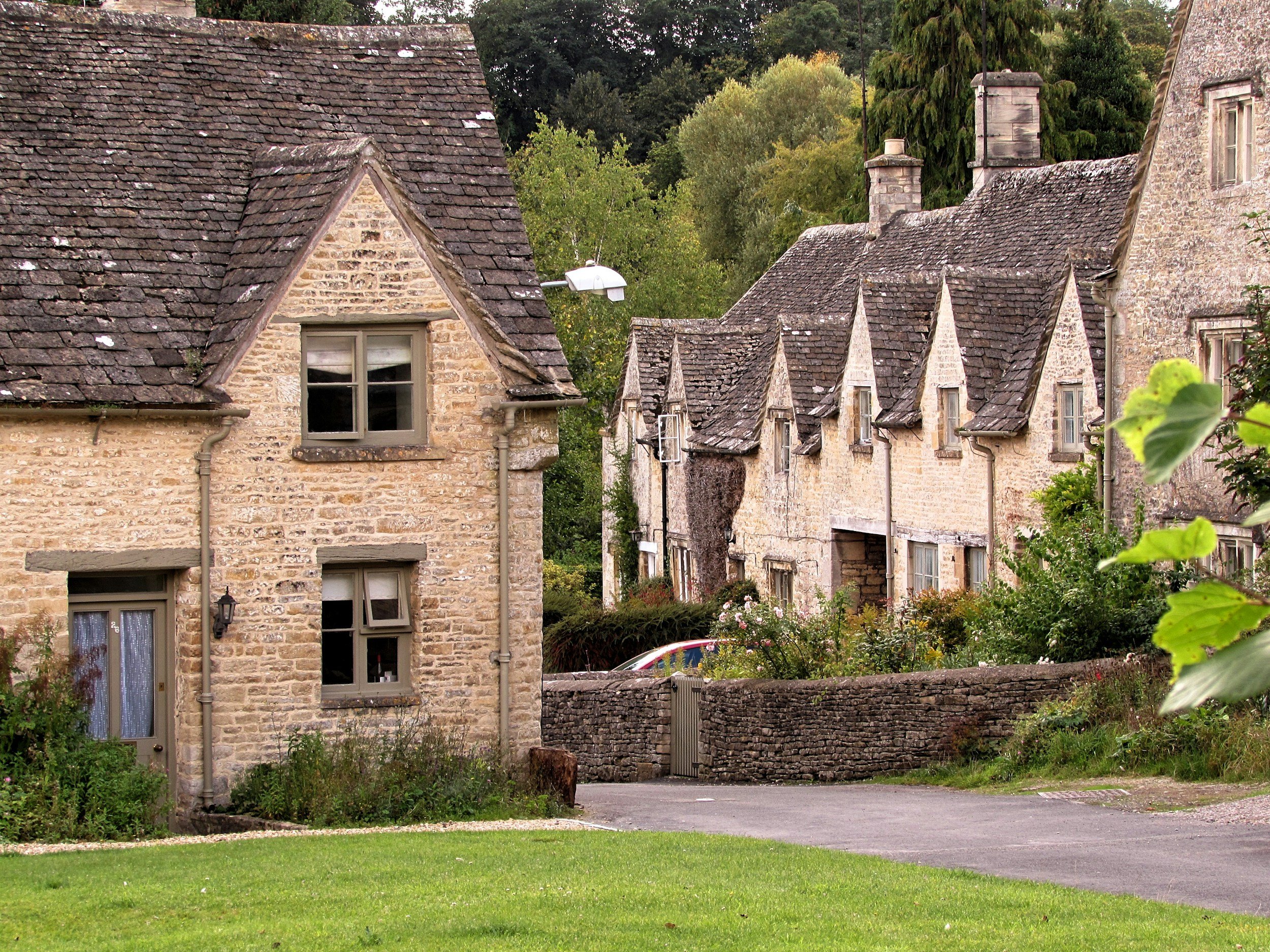
The Golden Stillness: A Landscape of Architectural Integrity
High on the slopes of the Cotswold escarpment, where the honey-colored limestone hills meet the expansive Vale of Evesham, lies Stanton. Its landscape is one of extraordinary, unyielding beauty—a single, winding street of 16th and 17th-century houses that appear to have been sculpted rather than built. In 2026, Stanton remains the definitive "connoisseur’s village," frequently cited by architects as the most architecturally pure settlement in the Cotswolds.
For the Explorers Insight reader, Stanton is a tactical lesson in the power of preservation. There are no gift shops, no tea rooms, and no modern commercial intrusions. Its significance lies in its absolute consistency; every building, wall, and gate is crafted from the same glowing oolitic limestone, creating a visual harmony that is rare in the 21st century.
🧭 The Deep History: From Medieval Roots to the Stott Restoration
The story of Stanton is a timeline of careful stewardship and a refusal to modernize at the cost of character.
1. The Ancient "Station"
The name Stanton is derived from the Old English 'Stan-tun', meaning a settlement built of stone. While most Cotswold villages began as timber structures later replaced by stone, Stanton’s proximity to the great quarries of the Cotswold Edge meant it was a stone-built stronghold from its very inception.
2. The Wool Wealth
During the 16th century, the village prospered as part of the regional wool trade. This wealth funded the construction of the grander "yeoman" houses, such as Stanton Court and Warren’s House, which still dominate the lower end of the village. These structures feature the classic Cotswold vernacular: steep gables, stone-mullioned windows, and drip-molds designed to shed the Gloucestershire rain.
3. The Sir Philip Stott Era
The village’s near-perfect state today is largely thanks to Sir Philip Stott, an architect and engineer who bought the Stanton Court estate in 1906.
The Legacy: Stott embarked on a massive restoration of the entire village, ensuring that the ancient cottages were preserved using traditional methods. He famously extended the village’s "purity" by removing any Victorian or industrial additions that didn't fit the 17th-century aesthetic.
🧭 Stanton Landmarks: The Church and the Cross
To master the Stanton experience, one must appreciate the vertical landmarks that break the horizontal lines of the golden-stone cottages.
1. St Michael and All Angels Church
Situated at the base of the hill, this church is a sanctuary of Norman and medieval architecture.
The Highlight: Look for the two distinct "hagioscopes" (squints) inside, which allowed people in the side aisles to see the high altar.
The Insight: The churchyard is a masterclass in Cotswold tomb design, with "chest tombs" that glow brilliantly during the sunset hour.
2. The Village Cross
Standing at the intersection of the main street, the medieval village cross serves as the village’s psychological anchor.
The Experience: It is from this point that the view up the rising street toward the Mount Inn is most dramatic. The way the stone walls curve with the natural topography of the hill is a hallmark of Stanton’s organic landscape.
3. The Mount Inn
Perched at the highest point of the village, this is Stanton's only commercial establishment.
The View: The terrace of the Mount Inn offers one of the most significant views in the South West, looking out across the Vale of Evesham toward the Malvern Hills and the Welsh mountains beyond.
🧭 The Cotswold Way: A Tactical Vantage Point
Stanton is a key stop on the Cotswold Way National Trail.
The Hike: The section of the path between Broadway and Stanton is considered by many to be the most scenic of the entire 102-mile route.
The Transition: As you descend the escarpment into Stanton, you move through ancient woodland and wildflower meadows, entering the village through a "back-door" trail that offers the best aerial perspective of its stone rooftops.
🧭 Specialized Tips for the 2026 Explorer
The "Sunset Glow" Strategy: Because Stanton faces west across the Vale, it is a "sunset village." While other Cotswold hubs like Bourton or Castle Combe are best in the morning, Stanton reaches its aesthetic peak in the final hour of daylight. The iron content in the stone causes the buildings to turn a deep, incandescent orange.
Respect the Silence: Stanton is a quiet, residential village. In 2026, there is no public car park in the village center to discourage heavy traffic. Visitors should park at the small area near the church or walk in from the nearby village of Stanway.
The Stanway Connection: Just a mile away is Stanway House, home to the highest gravity-fed fountain in Europe. A tactical afternoon combines a visit to the fountain at Stanway with a sunset walk into Stanton for dinner at the Mount Inn.
-
No. Stanton has no shops, post offices, or tea rooms. This lack of commerce is exactly what has preserved its historic atmosphere. For supplies, residents and visitors head to nearby Broadway or Winchcombe.
-
The inn is located at the top of a very steep hill at the end of the village. While you can drive up, the road is extremely narrow. We recommend walking up the village street; the views that unfold as you climb are the highlight of any visit.
-
While it hasn't seen the massive Hollywood productions of Castle Combe, its pure aesthetic means it is frequently used for high-end period dramas and BBC history documentaries that require an "untainted" 17th-century background.
