
The Barringtons: Riverside Elegance and the Secret Valley of the Windrush
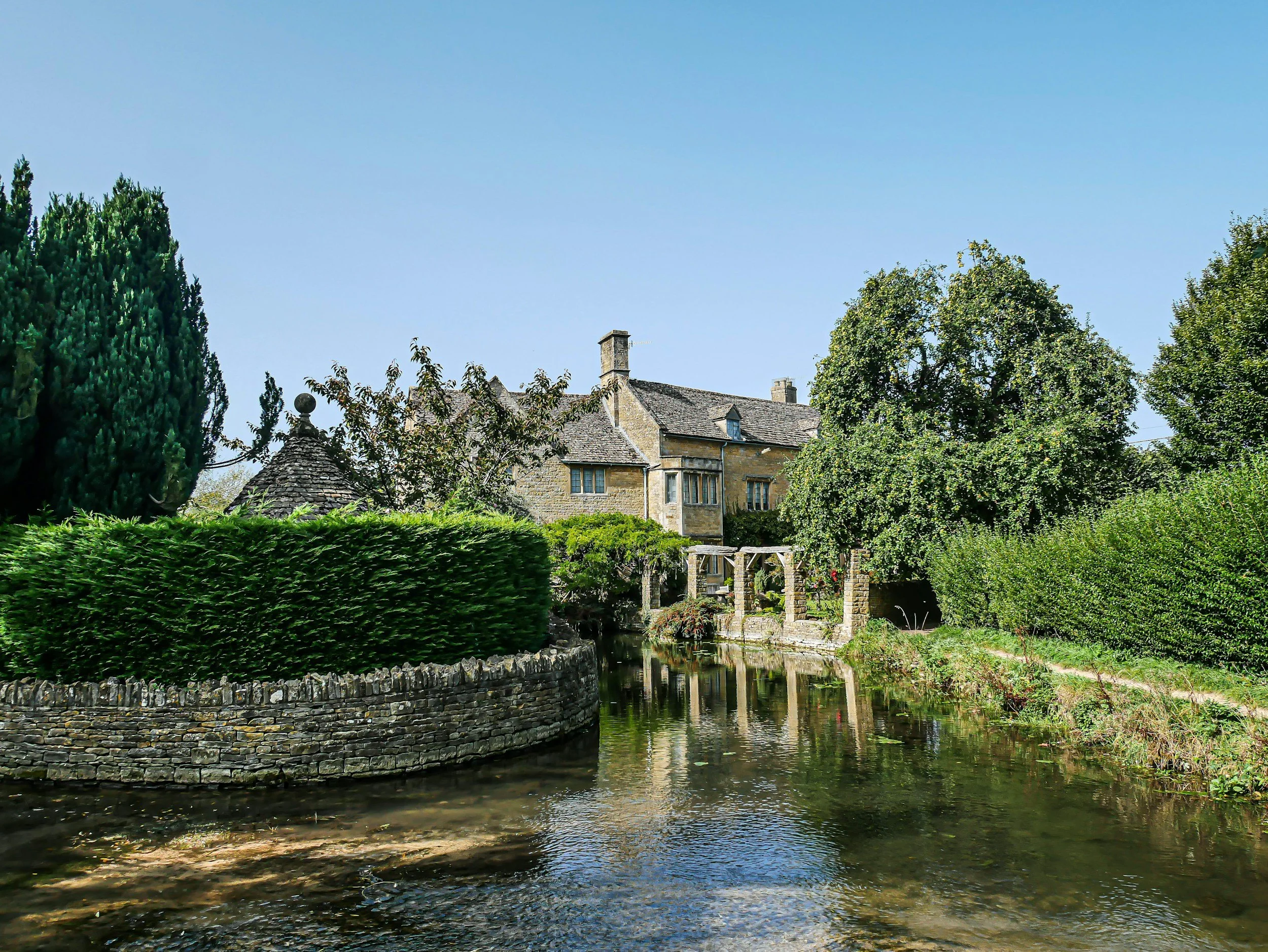
Little and Great Barrington: A Landscape of Cotswold Purity
Tucked away in the serene valley of the River Windrush, the twin villages of The Barringtons—comprising Great Barrington and Little Barrington—represent the quintessence of the "hidden" Cotswolds. Their landscape is a masterclass in rural harmony, where golden-stone cottages, thatched roofs, and ancient water meadows meet the gentle flow of one of England’s most celebrated rivers. In 2026, they remain a sanctuary for those seeking to escape the busier hubs of the region, offering a landscape that feels whispered rather than shouted.
For the Explorers Insight reader, The Barringtons are a tactical study in the "Estate Village" model. Managed with meticulous care for centuries, these villages offer a level of architectural consistency and natural tranquility that is increasingly rare in the modern age.
🧭 The Deep History: From Royal Quarries to Estate Stewardship
The story of The Barringtons is etched into the very stone from which they are built.
1. The Barrington Stone
The landscape of the Windrush Valley is sitting upon a seam of high-quality oolitic limestone. Great Barrington was historically home to some of the most important quarries in the region.
The Insight: This stone was so prized for its durability and color that it was used in the construction of St Paul’s Cathedral in London and Blenheim Palace. When you walk through the villages, you are walking through the source of England's grandest monuments.
2. The Barrington Park Estate
The villages have long been defined by their relationship with Barrington Park, a magnificent Palladian mansion built in the 1730s.
The Legacy: The estate’s stewardship has prevented the commercial sprawl seen elsewhere. This "closed" status ensured that the medieval strip-farming patterns and the vast open meadows surrounding the River Windrush remained intact into the 21st century.
3. The Great and the Little
While Great Barrington is defined by its grand estate walls and church, Little Barrington is the quintessential "chocolate-box" village. Built around a sprawling, uneven green with cottages that seem to tumble down the hillside toward the river, it represents the more intimate side of Cotswold life.
🧭 Barrington Landmarks: The Bridges and the Beams
To master the experience of The Barringtons, one must focus on the points where the architecture meets the water.
1. St Mary’s Church, Great Barrington
Dating back to the 12th century, this church is a sanctuary of Norman and medieval craftsmanship.
The Highlight: Look for the monumental memorials to the Talbot and Bray families, the historical lords of the manor. The church’s position on the edge of the park provides a dramatic vertical anchor to the valley landscape.
2. The Little Barrington Green
This is perhaps one of the most beautiful "hidden" greens in England.
The Experience: Unlike the flat, formal greens of the north Cotswolds, this is a rugged, multi-level landscape. In 2026, it remains a favorite spot for those who know the "back-road" routes, offering views of 17th-century thatched cottages that have been preserved with museum-level detail.
3. The Windrush Crossings
The river separates the two villages, and the stone bridges that span it are tactical vantage points.
The Secret: Stand on the bridge between the two villages at sunset. The way the light hits the reeds and the clear, trout-filled water captures the "Windrush Glow" that has inspired English landscape painters for generations.
🧭 The Fox Inn: A Riverside Institution
No exploration of The Barringtons is complete without mentioning The Fox Inn at Lower Barrington.
The Vibe: Situated right on the banks of the River Windrush, its beer garden is one of the most coveted landscapes in the South West.
The 2026 Insight: In spring 2026, it continues to serve as the social hub for hikers and locals alike. It is the perfect tactical base for a walk, offering a blend of traditional log fires and a modern, river-focused culinary menu.
🧭 Specialized Tips for the 2026 Explorer
The "Barrington Loop" Walk: There is a spectacular 4-mile circular walk that connects Great and Little Barrington via the Windrush Way. The path takes you through the heart of the Barrington Park deer park, offering rare views of the Palladian house that are not visible from the road.
The Quarry Search: For the curious, follow the bridleways north of Great Barrington. You can still see the overgrown remains of the ancient quarries that supplied the stone for London’s post-Great Fire reconstruction.
Quiet Photography: Because these villages have no shops or large car parks, they are significantly quieter than Bourton-on-the-Water. Visit on a weekday morning to have the thatched lanes of Little Barrington entirely to yourself.
-
The house and its immediate gardens remain a private residence and are generally not open to the public. However, the public footpaths that cross the estate provide excellent views of the architecture and the surrounding deer park.
-
The villages are less than a mile apart. The best way to experience them is to park at The Fox Inn and walk. The road is narrow and winding, so traveling on foot allows you to appreciate the small details of the stone walls and riverside flora.
-
The lanes around The Barringtons are part of a popular network of quiet Cotswold cycling routes. However, be prepared for some steep "wolds" gradients as you move out of the river valley toward Burford or Northleach.
