
Tewkesbury: The Confluence of History and the Great Timber-Framed Landscape
Where the Severn Meets the Avon: A Waterside Stronghold
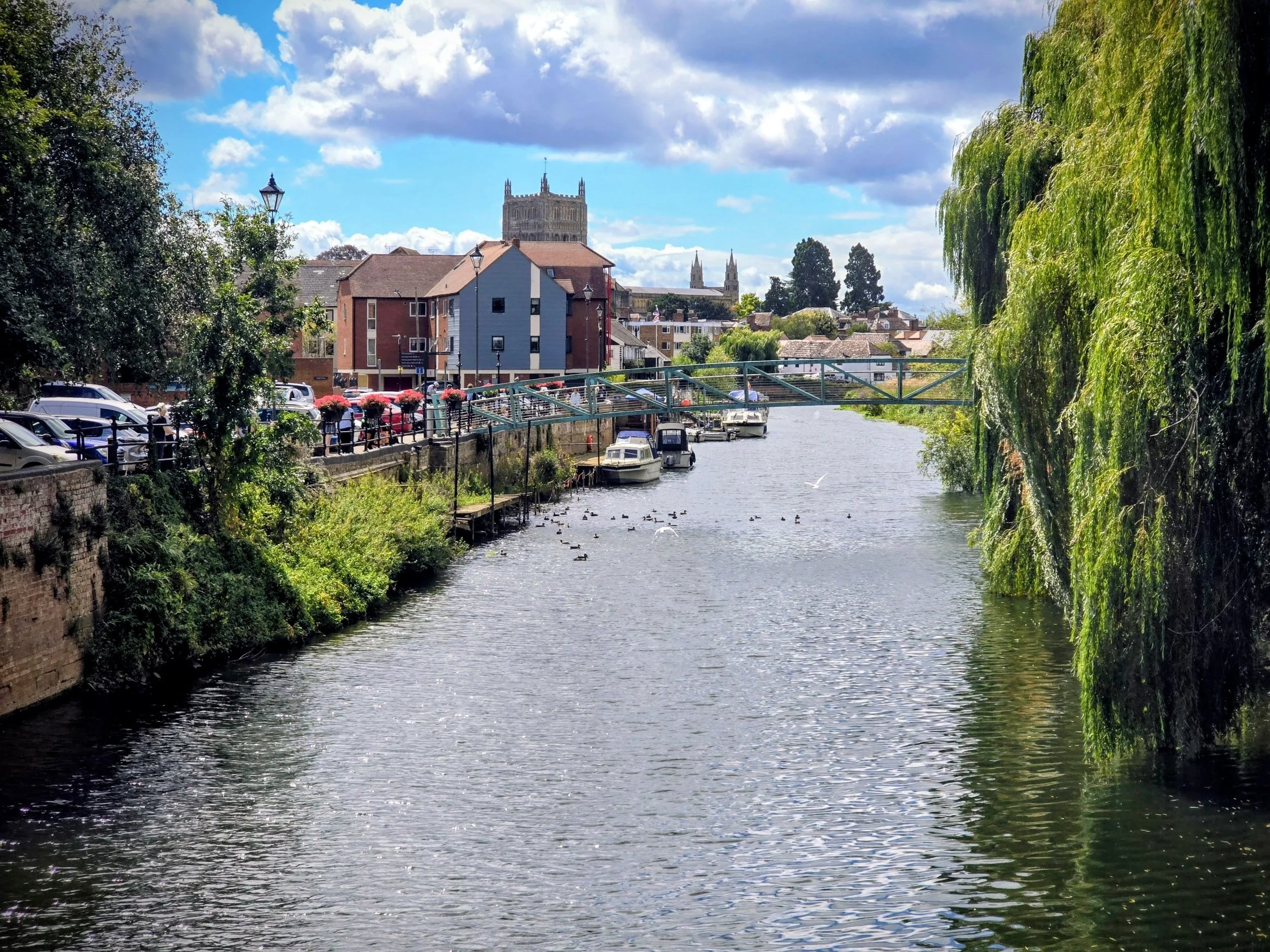
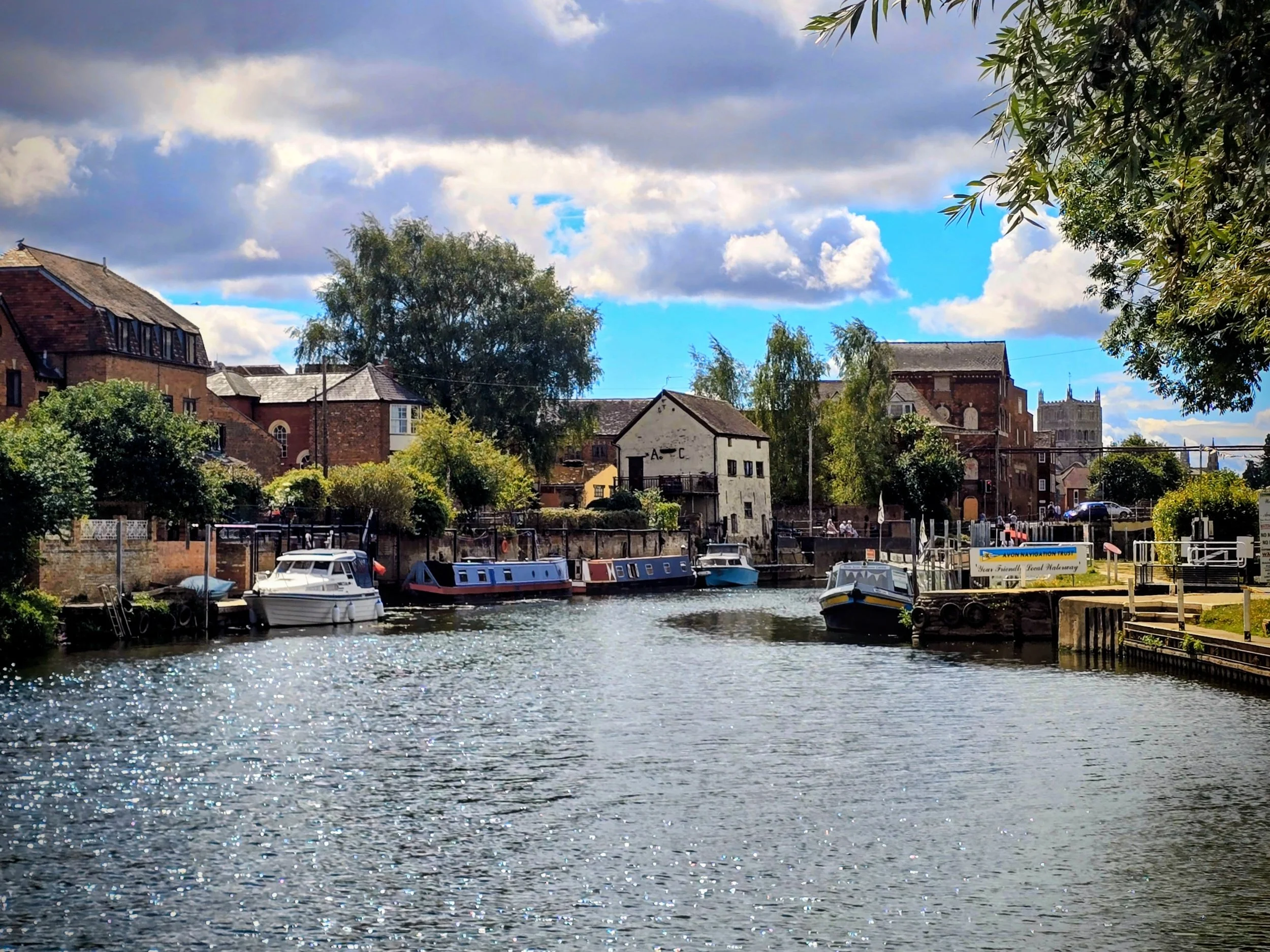
Situated at the meeting point of the River Severn and the River Avon, Tewkesbury is a town forged by the water. Its landscape is a unique patchwork of lush riverside meadows—most notably the Severn Ham—and a dense, medieval urban core. Unlike the sprawling market towns of the Vale, Tewkesbury’s geography forced it to build "up" rather than "out," resulting in one of the most concentrated collections of medieval black-and-white buildings in the country.
For the Explorers Insight reader, Tewkesbury is the ultimate destination for "Alleyway Archaeology." In 2026, the town remains a living museum where 15th-century architecture sits side-by-side with a vibrant, independent river culture.
🧭 The Abbey and the Blood: A Legacy of Power
The story of Tewkesbury is anchored by two massive historical pillars: its Abbey and its role in the Wars of the Roses.
Tewkesbury Abbey: This Norman masterpiece is the second-largest parish church in England. Its massive Romanesque tower is a feat of 12th-century engineering.
The Insight: It survived the Dissolution of the Monasteries because the townspeople bought it from King Henry VIII for £453 to save it as their parish church.
The Battle of Tewkesbury (1471): One of the most decisive battles in English history took place on the town's doorstep. The Yorkist victory here effectively ended the Lancastrian resistance and led to the "Bloody Meadow" name for the fields south of the Abbey.
🧭 Tewkesbury Hidden Gems: Beyond the Abbey Walls
While the Abbey is the primary draw, the town’s true character is found in its labyrinthine "courts" and industrial relics.
1. The Medieval Courts and Alleys
Tewkesbury is famous for its 30+ narrow alleys. Originally built to cram as many houses as possible within the town's safe, dry land, they are now a hidden gem for photographers.
The Experience: Walk down Old Baptist Chapel Court. It leads to one of the oldest Baptist chapels in existence, hidden away from the main streets for safety during times of religious persecution.
2. The John Moore Museum
Located in a stunning row of 15th-century timber-framed shops near the Abbey.
The Highlight: This isn't just a museum of natural history; it is a masterclass in Cotswold timber-frame restoration. Seeing the internal "wattle and daub" construction provides a visceral connection to the medieval craftsmen who built the town.
3. The Severn Ham
This 150-acre Site of Special Scientific Interest (SSSI) is a hidden gem of biodiversity.
The Secret: It is an ancient water meadow that has never been ploughed. In the spring, it is a sea of rare wildflowers and a sanctuary for ground-nesting birds, reachable only by a small footbridge near the town mill.
🧭 Specialized Tips for the 2026 Explorer
The "Flood-Resilient" Walk: Because of its position at the confluence, Tewkesbury is prone to flooding. In 2026, check local water levels before visiting the Ham. However, seeing the Abbey "afloat" in the floodwaters from a distance is one of the most hauntingly beautiful sights in Gloucestershire.
The Medieval Muster: If you visit in July, the town hosts the Tewkesbury Medieval Festival, Europe's largest free re-enactment. It is an incredible sensory experience, but it is also the busiest time of year—book transport well in advance.
The Hatters and Stockingers: Look for the small, high windows in the upper floors of the timber-framed buildings. These were designed to let in maximum light for the town’s once-thriving framework knitting industry.
-
Tewkesbury is located in North Gloucestershire, acting as the gateway between the Cotswolds and the Malvern Hills. It is a perfect base for exploring both regions.
-
Tours of the tower and the "hidden" clerestory walkways are available on specific dates. They offer the best aerial view of the medieval street pattern and the "Bloody Meadow" battlefield.
-
A famous local condiment mentioned by Shakespeare in Henry IV. It is a potent mix of mustard seeds and horseradish. You can still find authentic balls of Tewkesbury Mustard in local artisan shops today.
