
Castle Combe: The Unchanging Icon of the Bybrook Valley
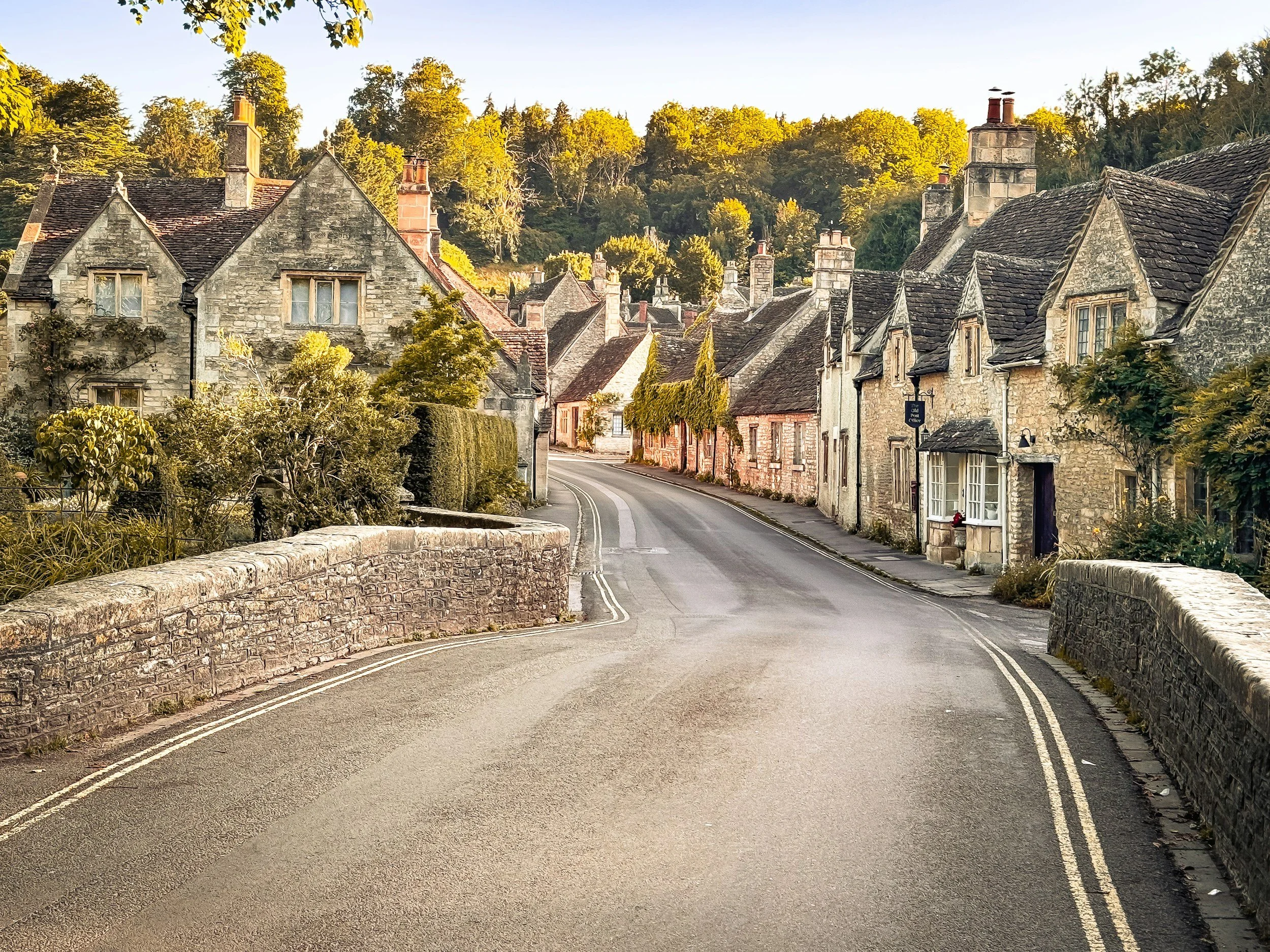
The Stone Gateway: A Landscape of 14th-Century Permanence
In a deep, wooded hollow in the southern Wiltshire Cotswolds lies Castle Combe, a village frequently cited as the most beautiful in England. Its landscape is one of extraordinary temporal stillness; it is a place where the 21st century feels like a distant rumor. Built entirely of the warm, honey-hued Cotswold stone and roofed with heavy stone tiles, the village follows the contours of the Bybrook River, creating a visual harmony between the built environment and the lush, verdant valley.
For the Explorers Insight reader, Castle Combe is a tactical study in preservation. In 2026, it remains a rare example of a settlement that has seen no new building since the 1600s. Its significance lies not just in its aesthetics, but in its role as a living archive of England’s medieval wool and weaving history.
🧭 The Deep History: From Roman Fort to Weaving Wealth
The story of Castle Combe is etched into its very name, though the "Castle" itself is now a ghost of the landscape.
1. The Ancient Foundations
Before the stone cottages, the landscape was dominated by a Roman fort, positioned near the Fosse Way, the great Roman road that once connected Exeter to Lincoln. The Romans recognized the strategic value of this sheltered valley, with its constant supply of fresh water from the Bybrook.
2. The Norman Stronghold
Following the Norman Conquest, a castle was built on the hill overlooking the village. It was a formidable fortress during the 12th century, though by the late Middle Ages, it had fallen into disrepair. Today, only the earthworks remain—a "hidden gem" for hikers who venture into the woods above the village.
3. The Wool Revolution
The village we see today was forged in the 14th and 15th centuries. Castle Combe became a powerhouse of the Cotswold wool trade, specifically famous for "Castlecombe Cloth"—a red and white heavy wool fabric that was exported across Europe. The wealth generated by this industry funded the construction of the church and the manor, creating a landscape of medieval luxury.
🧭 Castle Combe Landmarks: The Architecture of the Valley
To master the Castle Combe experience, one must understand the significance of its central structures.
1. The Market Cross
Standing at the intersection of the village's three main streets, the 14th-century Market Cross is the psychological heart of the community.
The Insight: It marks the spot where the village was granted the right to hold a weekly market. The stone steps and wooden roof provided shelter for traders and are a testament to the village's historical commercial importance.
2. St. Andrew’s Church
Founded in the 13th century and significantly expanded in the 15th, the church is a "Wool Church" in the truest sense.
The Highlight: Look for the Faceless Clock, one of the oldest working clocks in the country. It has no face because, in the medieval period, the striking of the bell was all that was required to signal the start of the work day for the weavers.
3. The Manor House
Now a luxury hotel, the Manor House sits on the site of the original Norman castle's manor. Its gardens are a masterclass in Italianate design, offering a formal, structured landscape that contrasts with the wild, wooded valley surrounding it.
🧭 The Cinematic Landscape: A Village on Screen
Because of its lack of modern intrusions—no telegraph poles, no streetlights, and no visible wires—Castle Combe has become the definitive "film-set" village.
War Horse: Steven Spielberg used the village as the primary setting for his WWI epic, transforming the Market Cross into a bustling wartime recruitment center.
Stardust & Dr. Dolittle: The village’s whimsical, ancient atmosphere has made it a favorite for fantasy and period dramas, further cementing its status as the quintessential English village in the global imagination.
🧭 Specialized Tips for the 2026 Explorer
The "Morning Mist" Strategy: Castle Combe is one of the most visited sites in the Cotswolds. In 2026, the crowds remain significant. To capture the iconic shot of the bridge without a sea of tourists, you must arrive by 8:00 AM. The valley often holds a low mist in the early morning, which adds a haunting, atmospheric layer to your photography.
The Bybrook Walk: Don't just stay at the bridge. Follow the footpath that runs alongside the river toward Nettleton Mill. This path offers a tactical escape from the village crowds and allows you to see the industrial "skeleton" of the valley, where the watermills once powered the weaving looms.
The Honesty Stalls: As you walk through the village, look for the small cakes and preserves left on doorsteps with "honesty boxes." This is a long-standing local tradition; bring small change (though many now accept QR code payments in 2026!) to support the local residents.
-
It is a very real, thriving village. While it looks like a museum, people live and work in these 14th-century cottages. Visitors are encouraged to be respectful of residents' privacy, especially when taking photographs of doorways and gardens.
-
Parking within the village is strictly limited to residents. There is a large public car park at the top of the hill. It is a 10-minute walk down into the village, but the descent offers the best first view of the stone rooftops nestled in the valley.
-
Located just outside the historic village is the Castle Combe Circuit, one of the UK’s fastest racing tracks. It offers a startling contrast to the quiet of the village—check the race schedule before you visit if you are seeking peace and quiet!
