
Chipping Campden: The Golden Jewel of the Cotswold Wool Trade
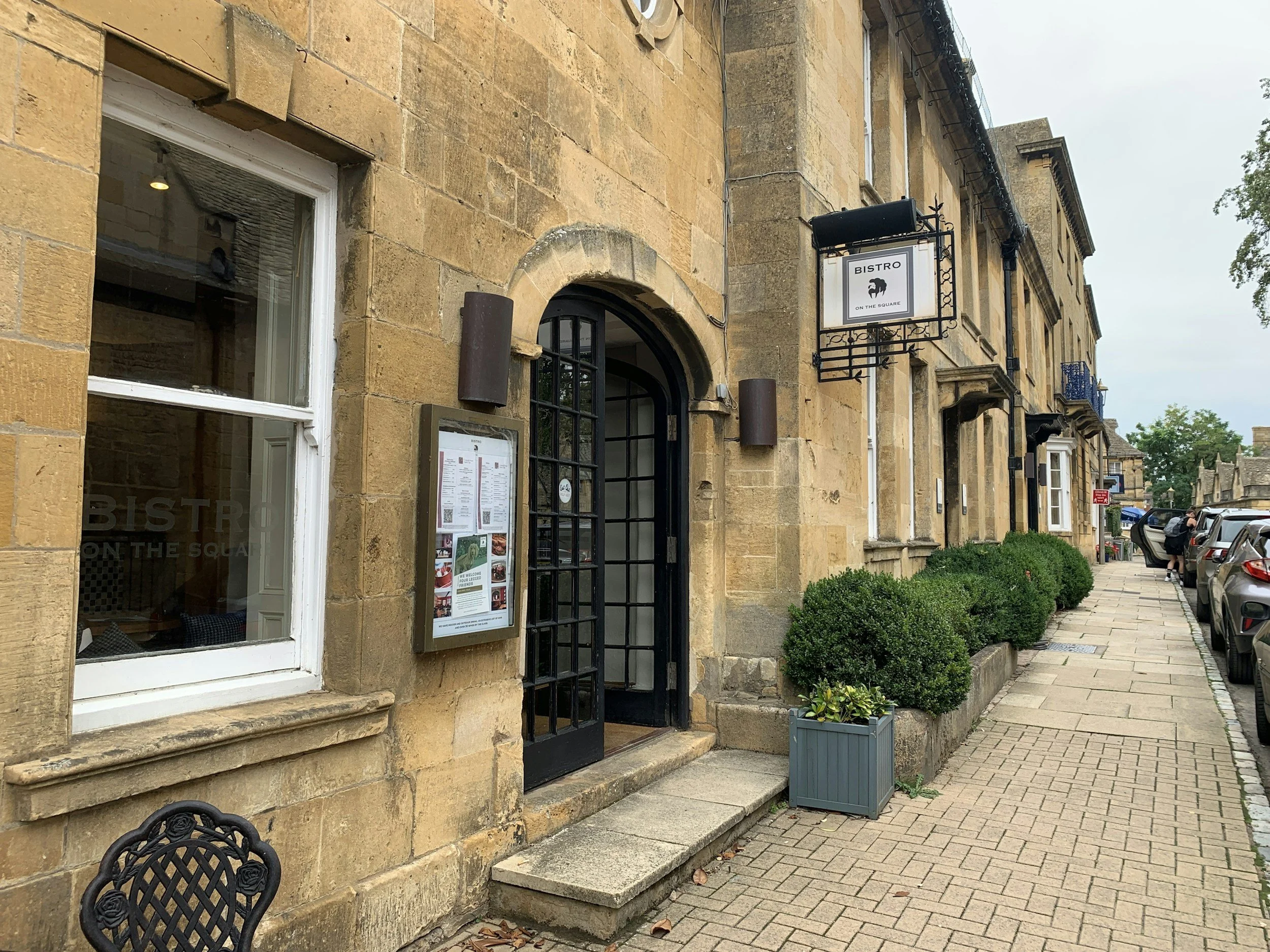
The High Street of History: A Landscape of Oolitic Elegance
In the northern reaches of the Gloucestershire Cotswolds, Chipping Campden stands as one of the most architecturally significant townscapes in England. Its landscape is defined by its long, curving High Street—a sweeping arc of honey-colored Cotswold limestone that has remained largely unchanged since the 14th century. In 2026, it remains the definitive example of a "Wool Town," where the immense wealth of the medieval wool trade was translated into a permanent legacy of stone, glass, and gold.
For the Explorers Insight reader, Chipping Campden is more than a picturesque stop; it is a tactical study in the Arts and Crafts movement and the preservation of English craftsmanship. From the soaring "Gothic" heights of its church to the humble workshops of the 20th-century Guild of Handicraft, the town is a living record of the human hand at work.
🧭 From "Ceping" to the Guild of Handicraft
The history of Chipping Campden is a story of commercial dominance and artistic revival.
1. The Medieval Wool Power
The "Chipping" in the town's name comes from the Old English 'ceping', meaning a market. During the Middle Ages, Campden was the center of the European wool trade. The landscape was dominated by "woolmen"—wealthy merchants who exported the fleeces of the Cotswold "Lion" sheep to weavers in Flanders and Italy.
2. The Grevel Legacy
William Grevel, described on his brass as "the flower of the wool merchants of all England," was the town's primary benefactor. His house, built in 1380, still stands on the High Street. It was Grevel who helped transform the town from a simple market into a showcase of Gothic stone masonry.
3. The Arts and Crafts Revival
In 1902, the landscape of the town changed again when C.R. Ashbee moved his Guild of Handicraft from East London to Chipping Campden. This brought a new wave of silversmiths, blacksmiths, and woodworkers to the town, cementing its reputation as a sanctuary for traditional skills—a legacy that continues in the Silk Mill workshops today.
🧭 Chipping Campden Landmarks: The "Wool Church" and the Market Hall
To master the experience of this town, you must focus on the two structures that anchor its northern and southern ends.
1. St. James’ Church (The Wool Church)
This is one of the finest "Wool Churches" in the Cotswolds, funded by the profits of the medieval merchants.
The Highlight: The 120-foot tower is a masterpiece of Perpendicular Gothic design. Inside, the church houses the largest brass in Gloucestershire (William Grevel's) and a rare 15th-century altar frontal.
The Insight: The sheer scale of the church in such a small town was a deliberate tactical statement of wealth and divine gratitude from the wool merchants.
2. The Market Hall
Built in 1627 by Sir Baptist Hicks, this iconic arched structure sits in the center of the High Street.
The Purpose: It was designed to provide shelter for merchants selling perishable goods like butter, cheese, and poultry.
The 2026 Experience: Now managed by the National Trust, the Hall's worn stone floor and timber roof provide a visceral connection to 400 years of English market life.
3. The Court Barn Museum
Located near the church, this museum celebrates the town’s extraordinary 20th-century history.
The Feature: It explores the work of the Guild of Handicraft and the artists who made the North Cotswolds their home, proving that the town's significance didn't end with the wool trade.
🧭 The Cotswold Way: The Beginning of the Trail
Chipping Campden holds a unique geographical significance as the official starting point (or terminus) of the Cotswold Way.
The Landscape: The 102-mile National Trail begins at the market hall and leads hikers up to Dover’s Hill.
The View: From Dover’s Hill, you can experience a panoramic view of the Vale of Evesham. Since 1612, this has been the site of the Cotswold Olimpick Games, a quirky celebration of rural sport that still takes place every summer.
🧭 Specialized Tips for the 2026 Explorer
The "Alleyway" Exploration: Chipping Campden’s High Street is famous, but its "burgage plots" are best explored via the small alleys (known as "chews" or "drangs") that lead off the main road. These paths reveal hidden gardens and the original medieval strip-farming patterns of the town.
The Silk Mill Strategy: Visit the Old Silk Mill on Sheep Street. This is where the Guild of Handicraft was based. In 2026, you can still watch silversmiths and artists at work in their studios—it is the best place to buy a piece of authentic "Campden" craftsmanship.
The Hidcote Connection: Just 4 miles from the town center are the Hidcote Manor Gardens. If you are visiting in spring or summer, we recommend taking the morning bus to Hidcote and walking back to Chipping Campden via the high wolds for the most dramatic approach to the town.
-
While Bourton is famous for its river and bridges, Chipping Campden is preferred by those seeking architectural integrity and a quieter, more "authentic" atmosphere. It feels less like a tourist hub and more like a working, historic English town.
-
Held annually on the Friday after the Spring Bank Holiday, these games are a historical tradition featuring events like "shin-kicking" and "piano smashing." It is a unique piece of English folklore that attracts visitors from across the globe.
-
Walk the High Street at sunset. The oolitic limestone used in Campden has a high iron content, which causes the stone to glow a deep, burnt orange during the "golden hour."
