
The Jurassic Coast: A 185-Million-Year Journey Through Time
The Vertical Timeline: A Geological Masterpiece
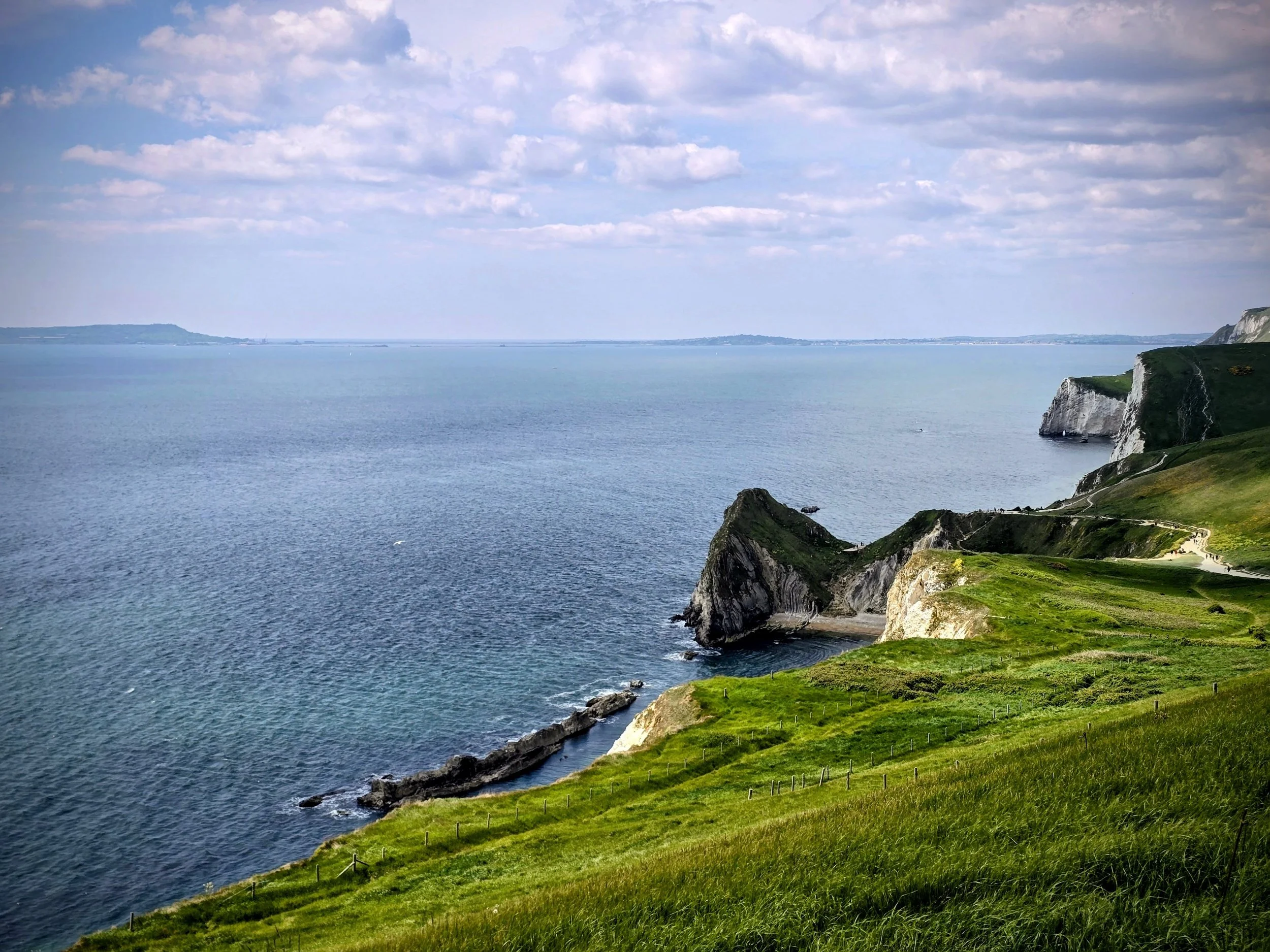
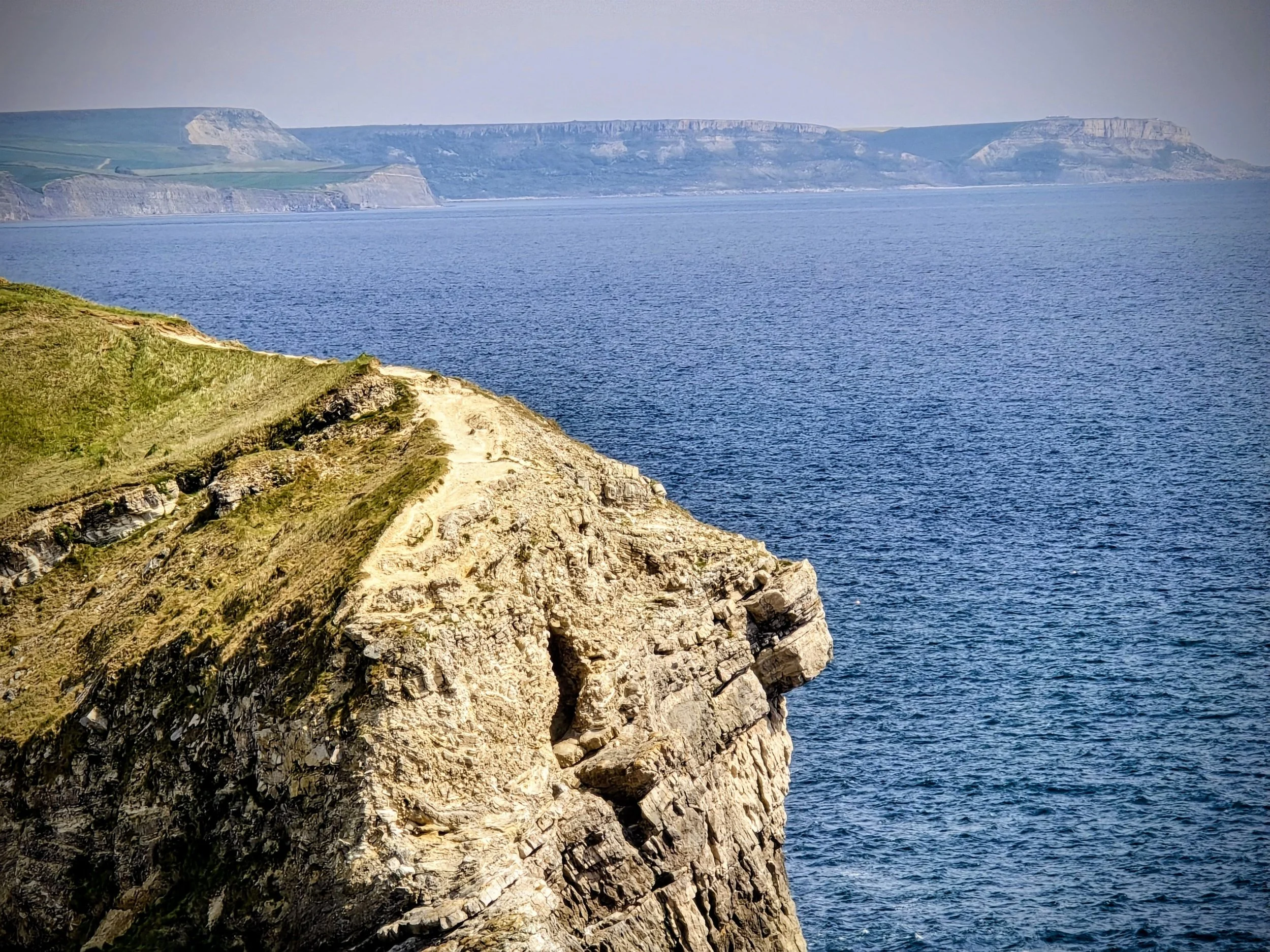
Stretching 95 miles from the red Triassic cliffs of Exmouth in East Devon to the towering white chalk stacks of Old Harry Rocks in Dorset, the Jurassic Coast is England’s only natural UNESCO World Heritage site. In 2026, it remains a global icon, offering a landscape that is quite literally a "walk through time." Here, the Earth’s crust has been tilted and eroded to reveal a continuous sequence of Mesozoic rocks, spanning 185 million years of history.
For the Explorers Insight reader, this isn't just a scenic coastline; it is a tactical masterclass in Earth science and human discovery. Whether you are standing on the golden sands of West Bay or navigating the fossil-rich "Lyme Regis" shales, you are witnessing the raw power of the Atlantic Ocean carving into the archives of our planet.
🧭 The Deep Time History: Three Eras in One Coastline
The Jurassic Coast is unique because it captures not one, but three distinct geological periods. As you travel from west to east, the rocks get progressively younger, allowing you to walk from the age of desert-dwelling reptiles to the era of giant marine predators and finally to the lush tropical swamps of the Cretaceous.
1. The Triassic Period (250–200 Million Years Ago)
Your journey begins at Orcombe Point in Exmouth. The cliffs here are a deep, rust-red, signaling a time when this part of England was a scorching desert located near the equator.
The Landscape: These "Red Beds" contain rare footprints of early reptiles and the remains of ancient river systems that once snaked across a barren supercontinent called Pangaea.
2. The Jurassic Period (200–145 Million Years Ago)
Moving east toward Lyme Regis and Charmouth, the desert gives way to a warm, shallow sea. This is the "Heart of the Jurassic."
The Discovery: It was here in the early 19th century that a young Mary Anning discovered the first complete Ichthyosaur and Plesiosaur skeletons. The grey, crumbling Lias clay cliffs are a treasure trove of ammonites and belemnites, revealing an ancient marine ecosystem teeming with life.
3. The Cretaceous Period (145–66 Million Years Ago)
The final chapter of the coast is written in the white chalk and greensand of the Isle of Purbeck.
The Climax: This era saw the rise of the flowering plants and the dominance of the dinosaurs on land. The landscape shifted into tropical lagoons and eventually a deep sea, which deposited the massive chalk layers that form the iconic Old Harry Rocks.
🧭 Most Important Landmarks: The "Big Five"
To master the Jurassic Coast, you must visit these five definitive locations. Each offers a different perspective on the geological and cultural history of the region.
1. Durdle Door and Lulworth Cove
These are perhaps the most photographed natural landmarks in the UK.
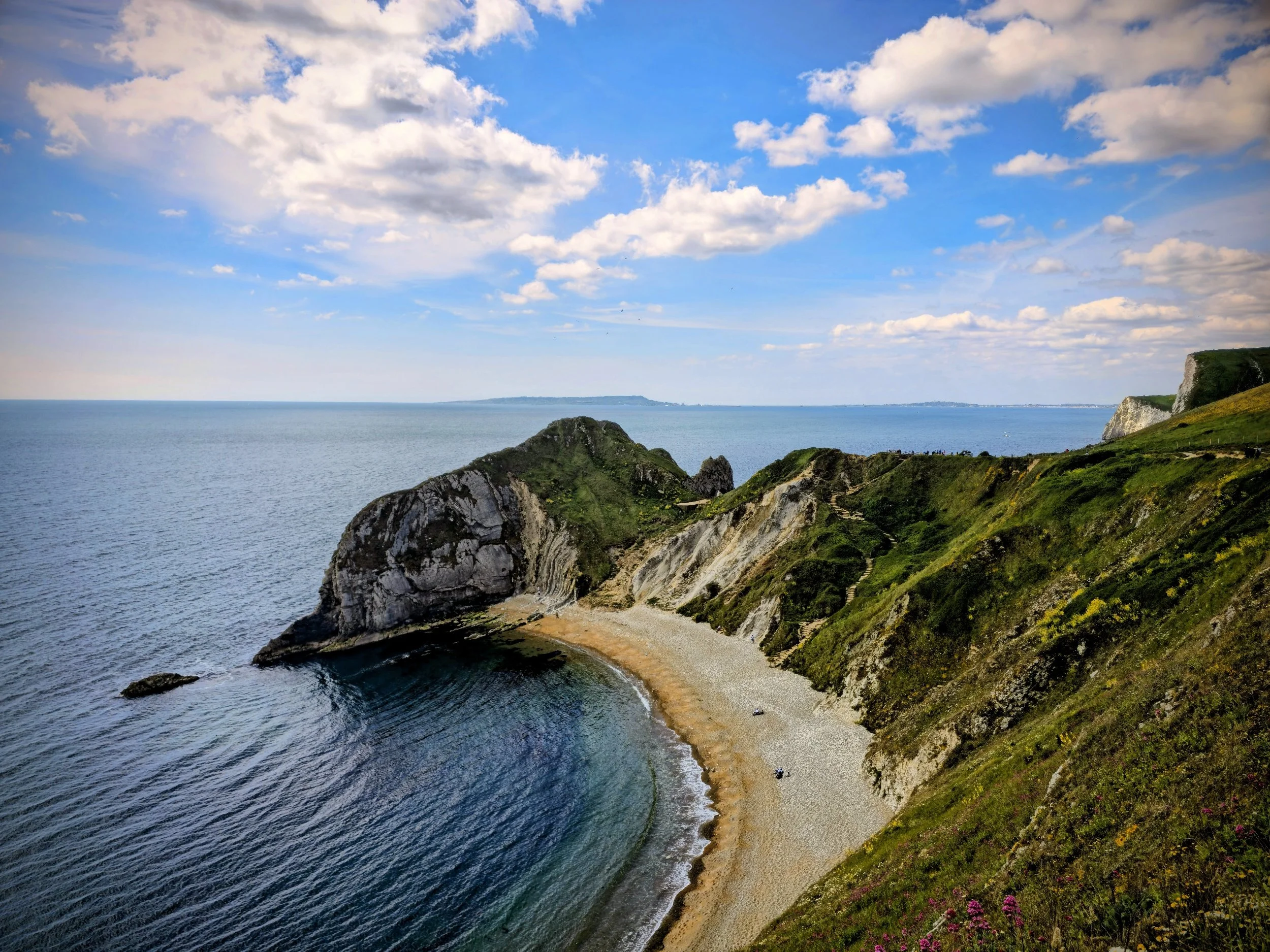
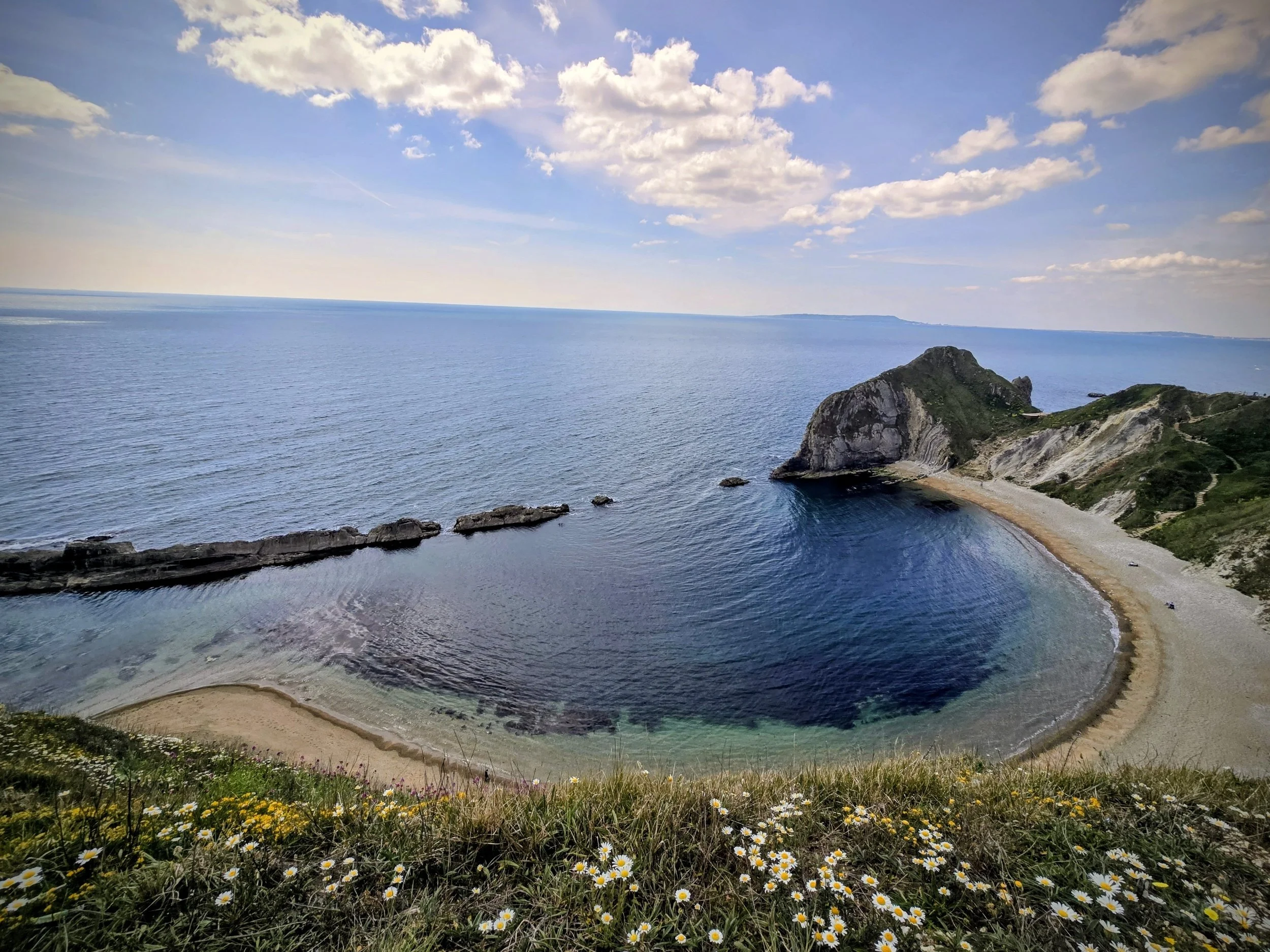
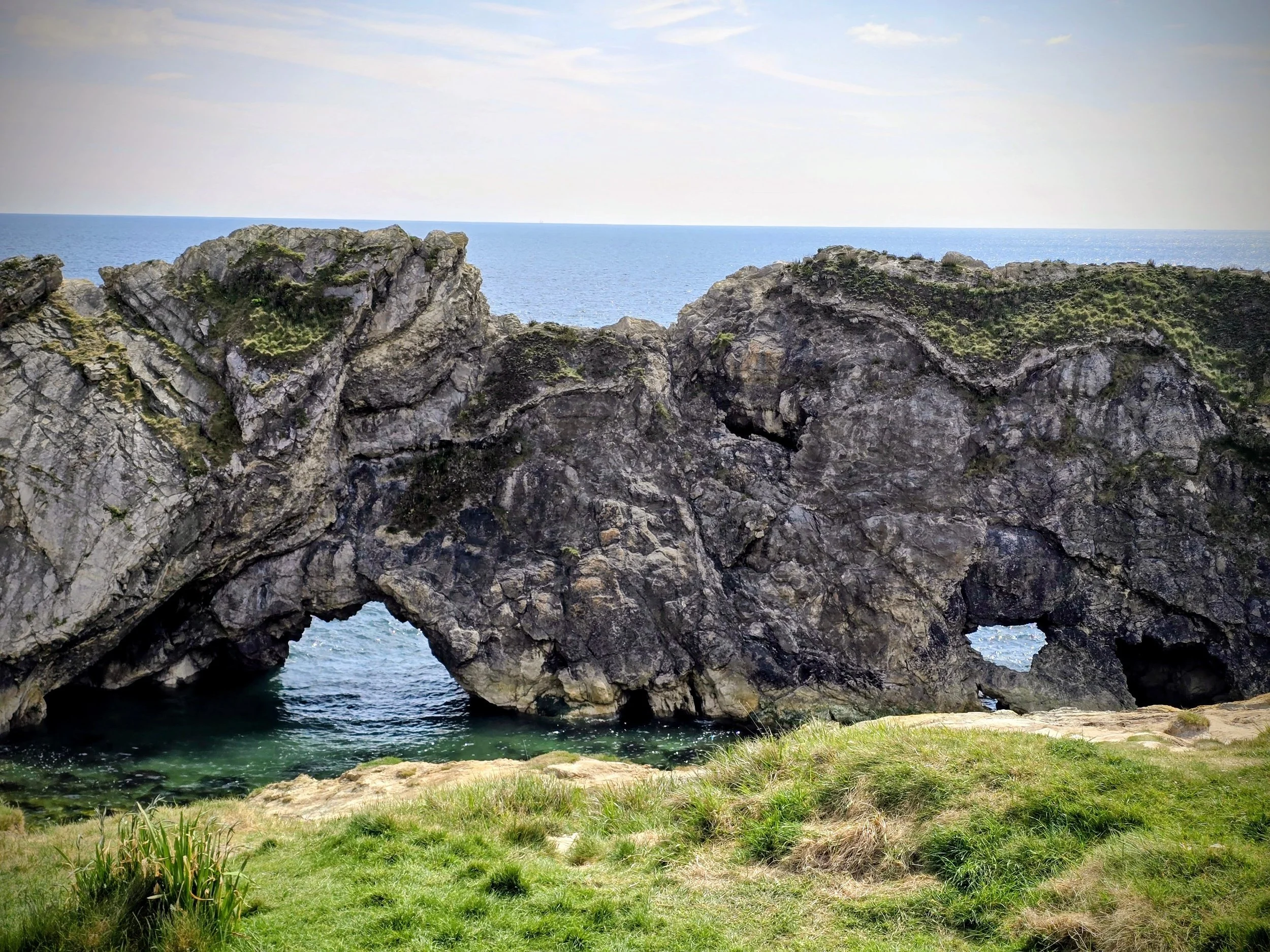
The Insight: Durdle Door is a massive limestone arch formed by the sea punching through the vertical layers of Portland Stone. Nearby, Lulworth Cove is a near-perfect circular bay, formed as the sea broke through the hard outer rock to erode the softer clays behind it.
Hidden Gem: Look for the Fossil Forest just east of the cove—the petrified remains of an ancient swamp forest from 140 million years ago.
2. Chesil Beach and Portland Bill
A 18-mile-long shingle "tombolo" that connects the Isle of Portland to the mainland.
The Mystery: The pebbles on Chesil Beach are graded by size; at the West Bay end, they are as small as peas, while at the Portland end, they are the size of oranges. Legend says smugglers landing at night could tell exactly where they were just by feeling the size of the stones.
3. Lyme Regis: The Pearl of Dorset
A historic harbor town famous for its "Cobb" (the ancient stone pier) and its unparalleled fossil hunting.
The Experience: Visit the Lyme Regis Philpot Museum, built on the site of Mary Anning’s home. It provides a visceral connection to the "Mother of Paleontology" and the Victorian era of discovery.
4. West Bay (The Golden Gateway)
Famous as the setting for the TV series Broadchurch, West Bay features vertical, honey-colored sandstone cliffs that glow brilliantly at sunset.
The Geology: These are the Bridport Sands, formed by the shifting currents of a Jurassic sea. They are exceptionally soft and prone to spectacular (and dangerous) rockfalls.
5. Old Harry Rocks
Standing at the eastern terminus of the World Heritage site near Swanage, these white chalk stacks were once part of a continuous ridge of hills that stretched all the way to the Isle of Wight.
The View: On a clear day, you can see the "Needles" across the Solent, proving the geological link between the mainland and the island.
🧭 Specialized Tips for the 2026 Explorer
1. Fossil Hunting Strategy
The Law: You are allowed to collect fossils that have naturally fallen onto the beach (surface picking). However, it is strictly illegal and dangerous to dig into the cliffs themselves.
The Best Time: Go out on a falling tide, immediately after a winter storm. This is when the sea has "washed" the beach and revealed new specimens. Charmouth is the safest and most productive beach for beginners.
2. The "Jurassic Coaster" Bus
Don't bother with a car if you want to see the best views. The X50/X54 Jurassic Coaster buses are open-top in the summer and run the length of the coast.
Strategic Tip: Sit on the top deck, right-hand side (traveling west to east) for the most dramatic cliffside views without the stress of narrow Dorset lanes.
3. Safety First: The "Golden Rule"
The Jurassic Coast is a living, eroding landscape.
Cliff Safety: Never sit directly under the cliffs at West Bay or Lyme Regis. Rockfalls occur without warning. Always stay at least 50 meters away from the base of the cliffs and 5 meters away from the edges of the cliff-top paths.
🧭 Cultural History: From Smugglers to Scientists
The human history of the coast is as layered as its geology. For centuries, these rugged coves were the haunt of smugglers bringing lace, brandy, and tobacco from France. The "lookouts" at places like Golden Cap (the highest point on the South Coast) were used to signal to ships in the Channel.
In the 1800s, the coast became the center of a scientific revolution. The fossils found here challenged the prevailing views of the time about the age of the Earth and the origin of species. When you walk these beaches, you are following in the footsteps of the pioneers of modern science.
-
The full 95-mile route via the South West Coast Path typically takes 8 to 10 days for an experienced hiker. However, most visitors choose 2-3 specific hubs (like Lyme Regis or Lulworth) and explore in sections.
-
For fossil hunting, January and February are best due to the storms. For scenery and walking, May and September offer the best balance of clear weather and manageable crowds.
-
Many beaches have seasonal restrictions (May to September). However, the South West Coast Path itself is dog-friendly year-round, and beaches like Eype and Church Ope Cove allow dogs all year.
