
Kensington Palace
A Living Chronicle of Royal London
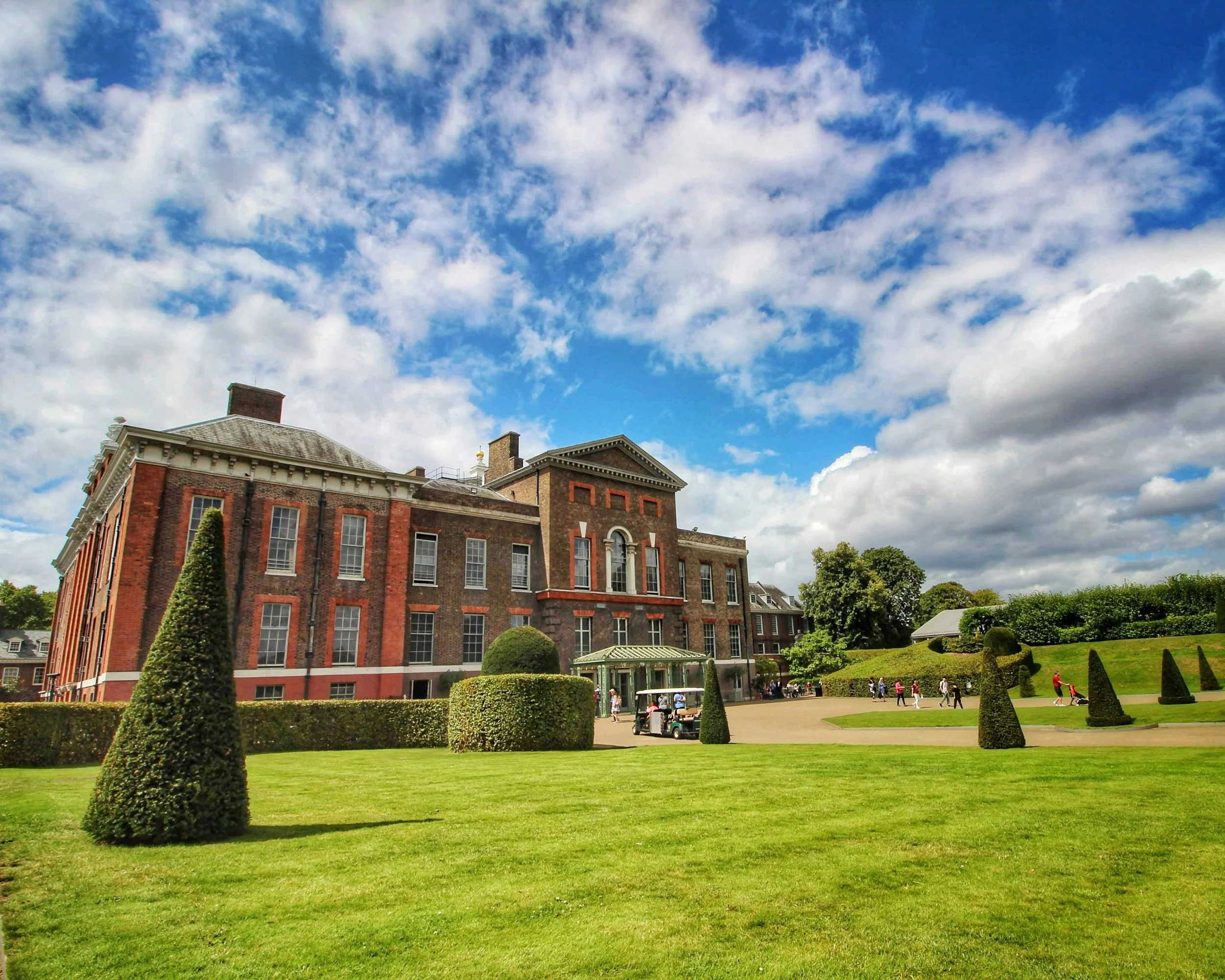
In the verdant heart of Kensington Gardens , away from the gleaming spires of the City, stands a residence that has served as the intimate backdrop to over 300 years of royal history. Kensington Palace is not just a monument; it is a "home" in the truest sense—a place where monarchs were born, where young families were raised, and where the private lives of some of history’s most iconic figures were lived.
For the readers of Explorers Insight, Kensington Palace offers a unique "deep dive" into a more domestic side of monarchy. Here, the grand ceremonial architecture of the Georgians meets the sentimental childhood memories of a young Queen Victoria.
The Birthplace of an Era: Queen Victoria’s Childhood
The story of the palace is inextricably linked to Queen Victoria, who was born within these walls in 1819. The permanent exhibition, Victoria: A Royal Childhood, allows visitors to walk through the very rooms where she was raised under the strict "Kensington System."
The Birth Room: Visitors can step into the space where the future queen took her first breaths, guided by the Duke of Kent’s letters describing the layout.
The Jewel Room: Home to the dazzling diamond and emerald tiara commissioned for Victoria by Prince Albert, showcasing royal craftsmanship and personal sentiment.
Personal Artifacts: The collection includes Victoria's childhood dollhouse and the scrapbooks kept by her governess, Baroness Lehzen.
2026 Headline Exhibition: The Last Princesses of Punjab
Starting March 26, 2026, Kensington Palace will host a groundbreaking new exhibition: The Last Princesses of Punjab. This showcase marks the 150th birthday of Princess Sophia Duleep Singh, the goddaughter of Queen Victoria and a pioneering suffragette.
A Story of Empire: The exhibition explores the lives of Sophia and the five women who shaped her, infusing South Asian heritage into the palace’s narrative.
Radical Activism: Highlights include rare suffrage material, such as Sophia’s "No vote, no census" return from 1911 and striking photographs of her campaigning.
Inclusive Admission: Entry to this major show is included with standard palace admission for visits between March and November 2026.
Architectural Highlights: The State Apartments
The palace is divided into the King's and Queen's State Apartments, each offering a distinct atmosphere of 18th-century court life.
The King’s Staircase: A masterpiece by William Kent featuring a vivid mural of 45 real-life characters from the court of George I, including "Peter the Wild Boy."
The King’s Gallery: The largest apartment in the palace, preserved almost exactly as King George I decorated it in 1725, housing a world-class collection of royal art.
The Queen’s State Apartments: These intimate spaces were designed for Mary II to walk gracefully through her home. Note: These apartments are scheduled to close in June 2026 for major restoration work.
The Serene Outdoors: Gardens and Memorials
The palace is surrounded by meticulously manicured grounds that offer a tranquil retreat from the bustle of West London.
Diana Princess of Wales Sunken Garden
Commissioned by her sons to mark the 20th anniversary of her passing, this poignant garden is home to the bronze memorial statue of the Princess of Wales. It features an ornamental pond surrounded by terraces of vibrant white flowers, modeled after the style of 18th-century gardening.
The Albert Memorial
Located just a short stroll away in the wider Kensington Gardens, this ornate Gothic monument was built by Queen Victoria in memory of her beloved Prince Albert. It stands 176 feet tall, adorned with intricate sculptures depicting world continents and industrial progress.
🍴 Dining at the Palace
Whether you seek a quick bite or a traditional royal experience, the palace grounds offer two distinct options:
The Orangery Restaurant: An elegant garden pavilion built for Queen Anne in 1704, famous for serving the only traditional afternoon tea on royal palace grounds.
Kensington Palace Cafe: A relaxed, counter-serve spot with a leafy terrace, perfect for sandwiches and artisan cakes.
🧭 Explorer’s Guide for 2026
Timing: Allow at least 2 to 3 hours to explore the palace and gardens. The best light for photography in the Sunken Garden is often during the "Golden Hour" before the garden closes.
Booking: It is highly recommended to book timed entry slots in advance, especially during the peak summer months.
Accessibility: The palace is fully wheelchair accessible, with lifts serving all floors of the historic apartments.