
Upper Slaughter: The Golden Sanctuary of the Cotswold Wolds
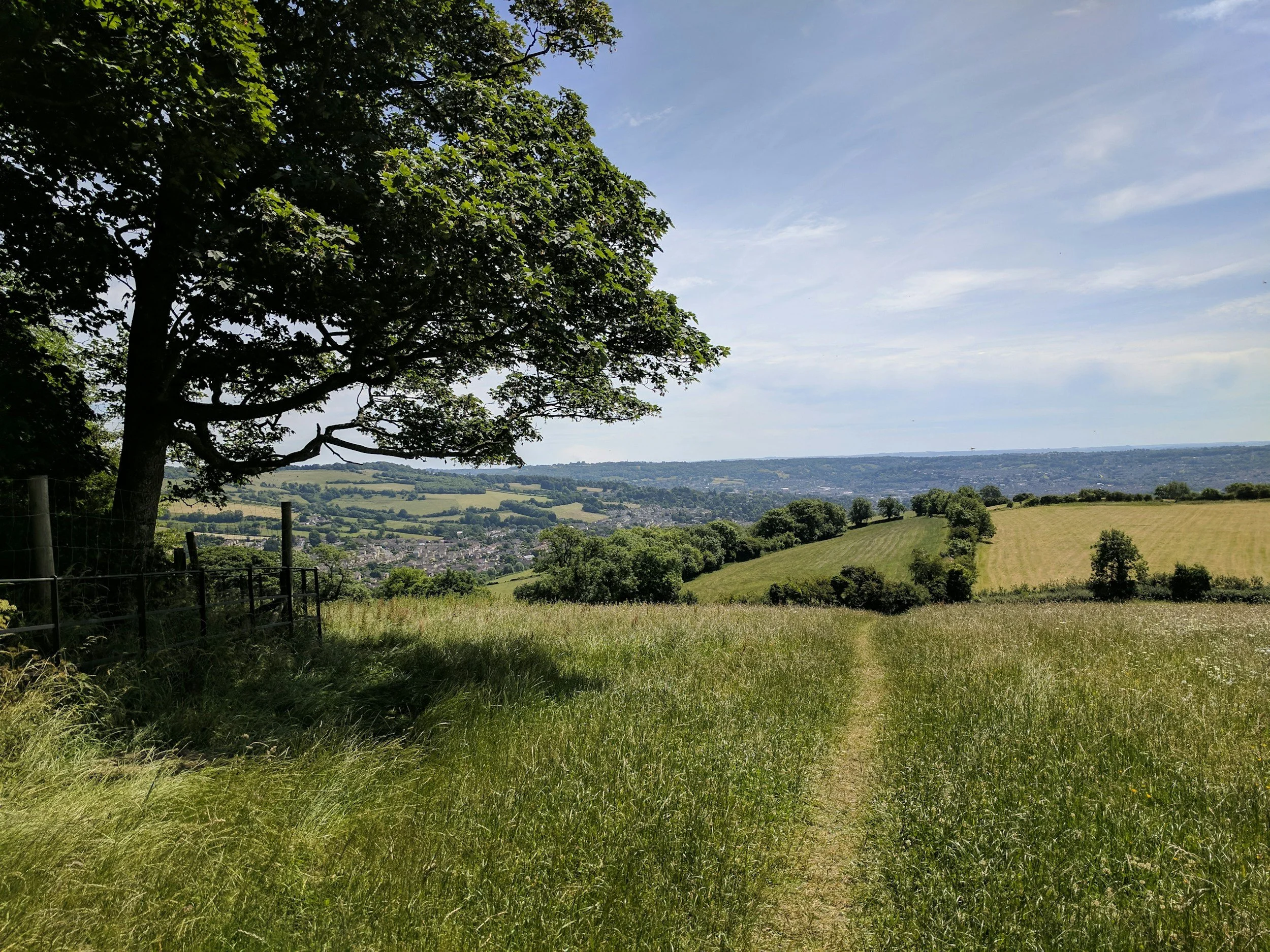
The Silent Sentinel: A Landscape of Timeless Perfection
In the heart of the Gloucestershire Cotswolds, nestled within the gentle folds of the Eye Valley, lies Upper Slaughter. Its landscape is a masterclass in the "unspoiled" English ideal—a collection of honey-colored oolitic limestone cottages that seem to have grown organically from the earth itself. Unlike its busier neighbor, Bourton-on-the-Water, Upper Slaughter offers a landscape of profound quietude. In 2026, it remains a rare sanctuary where the 21st century is felt only in the quality of the light and the silence of the air.
For the Explorers Insight reader, Upper Slaughter is a tactical study in architectural and historical purity. It is one of the few "Double Thankful" villages in England, and its significance lies in its absolute resistance to the intrusions of modern development.
🧭 The Deep History: A "Double Thankful" Legacy
The history of Upper Slaughter is defined not by what has changed, but by what has been preserved through centuries of care.
1. The Norman Motte and Bailey
The landscape of the village is dominated by the "Castle Mound." While no stone castle stands today, this grassy hill is the site of a 12th-century Norman fortification.
The Insight: The mound was strategically positioned to overlook the ford where the River Eye crosses the road, providing a defensive vantage point over the ancient salt routes that crisscrossed the Cotswolds.
2. The Manor and the Sydenhams
The Manor House of Upper Slaughter is an architectural marvel, featuring a 15th-century basement and a grand Elizabethan exterior. For centuries, the village was a "closed" estate, managed by families like the Sydenhams, which prevented the haphazard commercial growth seen in other market towns. This stewardship created the uniform, high-quality stone landscape we see today.
3. The "Double Thankful" Distinction
Upper Slaughter holds a prestigious and somber place in British history. It is a "Double Thankful" village—one of only 14 in the entire country.
The Definition: This means that the village lost no servicemen during either World War I or World War II. In a region where almost every village green is marked by a stone war memorial, the absence of one in Upper Slaughter is a powerful testament to the "thankfulness" of its inhabitants.
🧭 Upper Slaughter Landmarks: Architecture of the Golden Stone
To master the experience of this village, one must understand the specific structures that define its skyline.
1. St. Peter’s Church
Dating back to the 12th century, St. Peter’s is a treasure trove of Norman and Early English architecture.
The Highlight: Look for the ornate stone carvings on the tower and the 14th-century brasses inside. The churchyard, which slopes gently toward the river, offers one of the most peaceful landscapes in the county.
2. The Ford
At the heart of the village, the road simply disappears into the River Eye. This ford is a quintessential Cotswold landmark.
The Experience: In 2026, it remains a favorite spot for photographers. The way the golden stone of the surrounding cottages reflects in the shallow, clear water creates a visual symmetry that is the hallmark of the Eye Valley.
3. The Manor House (Lords of the Manor)
Now operating as one of England’s finest country house hotels, the Manor House maintains the village’s connection to its aristocratic past. Its walled gardens and sprawling lawns provide a formal landscape that bleeds seamlessly into the wilder meadows of the wolds.
🧭 The Twin Slaughters: A Riverside Pilgrimage
While Upper Slaughter is a destination in its own right, its significance is magnified by its relationship with its "twin," Lower Slaughter.
The Wardens' Way Path
A mile-long meadow path connects the two villages, following the meandering course of the River Eye.
The Landscape: Walking this path in 2026 feels like stepping into a Constable painting. You will pass through grazing pastures, under ancient weeping willows, and alongside stone walls that have stood for three centuries.
Tactical Tip: Start in Upper Slaughter and walk downstream to Lower Slaughter. The gradual descent offers the most expansive views of the valley.
🧭 Specialized Tips for the 2026 Explorer
The "Golden Hour" Strategy: Because Upper Slaughter is built from oolitic limestone, it is highly sensitive to light. The "Golden Hour"—the hour before sunset—transforms the village from a pale cream to a deep, glowing amber. This is the tactical window for photography.
Parking and Access: Parking in Upper Slaughter is extremely limited to preserve the village’s character. There is a small area near the church, but in peak summer, it is better to park in Lower Slaughter and use the meadow path to enter the village on foot. This approach respects the local community and enhances the "slow travel" experience.
The Secret Viewpoint: For the best panoramic view of the village rooftops, follow the footpath that leads uphill toward Naunton. From the higher ground of the wolds, you can see how the village is perfectly cradled in the valley, protected from the winds of the plateau.
-
Despite the jarring name, it has nothing to do with violence. "Slaughter" is derived from the Old English word 'slough' or 'slohtre', meaning a muddy place or a wetland. It refers to the marshy ground near the river that existed before the stone drainage systems were built.
-
No. To maintain its status as a sanctuary, Upper Slaughter has no shops, pubs, or commercial cafes (with the exception of the high-end dining at the Lords of the Manor hotel). For a traditional pub or tea room, you should walk the mile-long path to Lower Slaughter.
-
Yes, the ford is part of the public highway. However, after heavy rain, the River Eye can rise significantly. In 2026, always check the depth gauge at the side of the water before attempting to cross in a vehicle.
