
Lower Slaughter: The Riverside Masterpiece of the Cotswold Eye
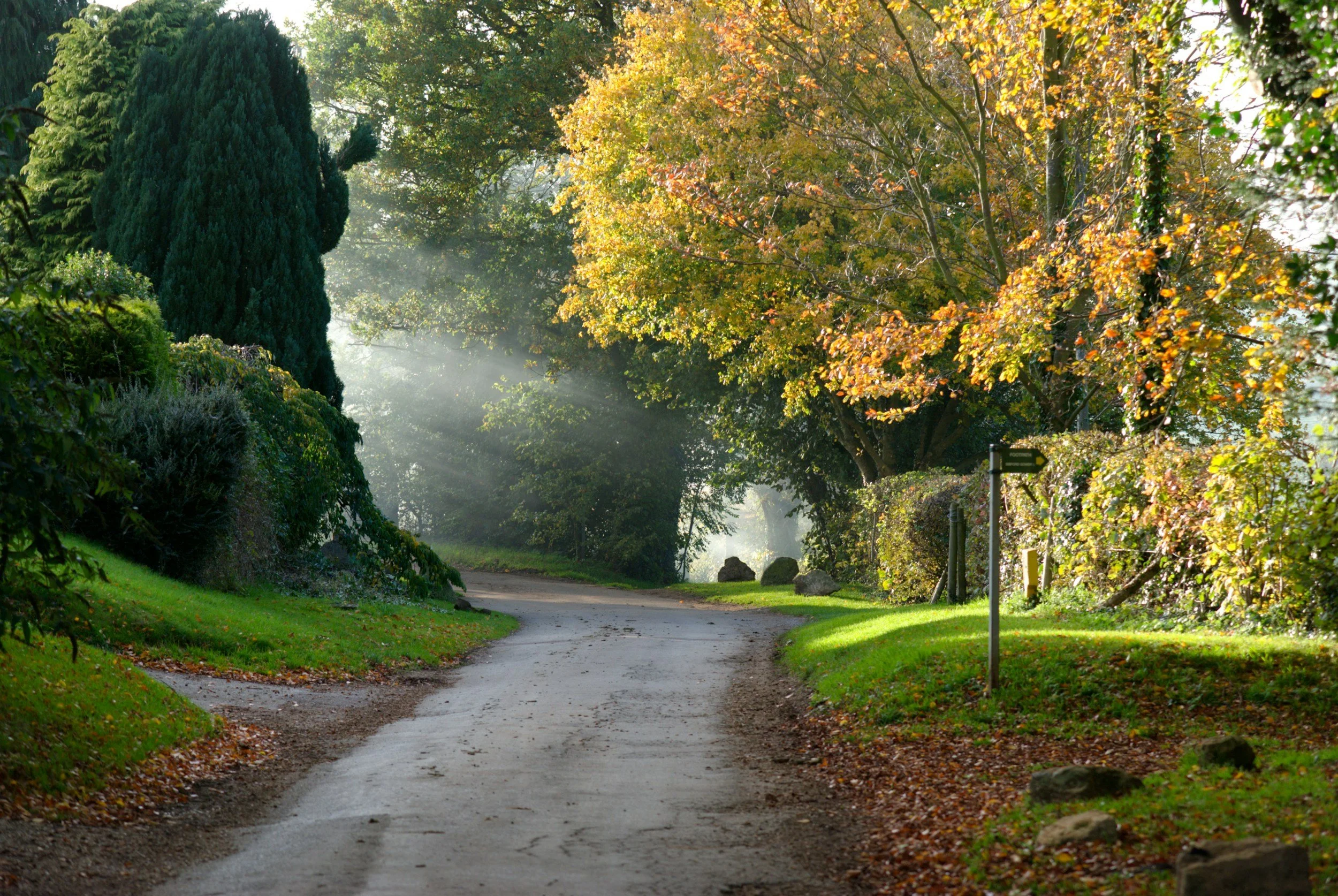
The Living Watercolor: A Landscape of Stone and Stream
Nestled along the banks of the slow-moving River Eye, Lower Slaughter is a village that defies the modern pace of life. Its landscape is a delicate composition of honey-colored oolitic limestone, low stone bridges, and the constant, rhythmic sound of water flowing over the weir. In 2026, it remains one of the most photographed locations in the United Kingdom, yet it retains an air of quiet dignity that prevents it from feeling like a mere tourist attraction.
For the Explorers Insight reader, Lower Slaughter is a tactical study in 19th-century industrial preservation. While its neighbor, Upper Slaughter, is a silent sanctuary, Lower Slaughter is a village built around the utility of the river—a place where the mechanical heritage of the Old Mill meets the refined elegance of Cotswold manor life.
🧭 The Deep History: From "Slohtre" to Social Perfection
The history of Lower Slaughter is a story of water management and architectural continuity that spans over a thousand years.
1. The Saxon Origins
Like its twin, the name "Slaughter" is derived from the Old English word 'slohtre', meaning a muddy place or marsh. In the Saxon era, this was a tactical crossing point for livestock. The landscape was gradually tamed by the monks and local lords who realized the River Eye could be harnessed for more than just water.
2. The Domesday Record and the Mill
A mill has been recorded on this site since at least 1086. The current Old Mill, with its iconic red-brick chimney and massive undershot waterwheel, dates primarily from the 18th and 19th centuries. It served as the industrial heart of the village for generations, grinding corn for the surrounding wolds and providing the economic foundation for the village’s prosperity.
3. The "Unchanged" Century
Lower Slaughter has seen no significant building work since the late 19th century. This was a deliberate act of stewardship by the local estates. In 2026, this lack of development has turned the village into a "time capsule," offering a physical record of a Victorian rural landscape that has vanished elsewhere in England.
🧭 Lower Slaughter Landmarks: The Architecture of the Eye
To master the experience of Lower Slaughter, you must focus on the structures that bridge the gap between the land and the water.
1. The Old Mill
The village's most famous landmark is a masterclass in functional Victorian design.
The Highlight: The waterwheel is still operational, and the museum inside offers a visceral look at the milling process.
The 2026 Insight: The mill’s shop and tea room remain the best place to buy locally ground flour and traditional Cotswold crafts, supporting the ongoing maintenance of the machinery.
2. The Stone Bridges
A series of low, pedestrian bridges span the River Eye, connecting the two main rows of cottages.
The Design: These bridges are built in the traditional dry-stone style, without mortar, relying on the weight and precision of the Cotswold limestone. They create the iconic "Venetian" aesthetic that makes the village a pilgrimage site for landscape photographers.
3. St. Mary’s Church
While much of the church was rebuilt in 1867, it retains a 13th-century arcade and a spire that serves as the village's vertical anchor.
The Interior: The Victorian stained glass is particularly fine, filtering the Cotswold sun into a kaleidoscope of colors that dance across the ancient stone floors.
🧭 Lower Slaughter Unique Insights: The Manor and the Meadow
Lower Slaughter offers a rare glimpse into the "Grand Estate" lifestyle through its manor houses and public walkways.
The Lower Slaughter Manor
Originally a convent in the 15th century, the Manor is a stunning example of 17th-century architecture. Its sprawling "walled garden" is a masterpiece of English horticulture, featuring rare specimen trees and perfectly manicured box hedging. In 2026, it serves as a luxury hotel, but its presence continues to define the refined, "manorial" landscape of the village.
The Warden’s Way Path
The mile-long walk to Upper Slaughter is arguably the most beautiful short walk in England.
The Experience: The path meanders through ancient water meadows. In the spring, these fields are a sea of buttercups and cow parsley.
Tactical Tip: Walk from Lower to Upper Slaughter against the flow of the river. This allows you to see the small waterfalls and weirs in their full glory as you ascend the valley.
🧭 Specialized Tips for the 2026 Explorer
The "Reflection" Strategy: To capture the perfect reflection of the cottages in the River Eye, you need a still, clear morning. Arrive before 9:00 AM, before the ducks break the water's surface and the first visitors arrive. The water acts as a perfect mirror for the golden stone during this window.
Parking Logistics: Like its twin, Lower Slaughter has very limited parking. There is a small designated area at the edge of the village. We recommend parking in Bourton-on-the-Water and taking the pleasant 1.5-mile country walk into the Slaughters. This avoids the stress of narrow lanes and allows you to appreciate the landscape as it was meant to be seen—at walking pace.
The "Mill" Tea Room: For the best view in the village, secure a table on the terrace of the Old Mill. It overlooks the river and the weir, providing the "soundtrack of Lower Slaughter" while you enjoy a traditional cream tea.
-
Yes, the waterwheel at the Old Mill is one of the few in the Cotswolds that is still in working order. It is usually operational during the museum's opening hours, providing a powerful demonstration of 19th-century engineering.
-
While it is popular, it lacks the commercial "gift shop" feel of larger hubs like Bourton-on-the-Water. There are no streetlights or modern storefronts, ensuring that the village maintains its authentic, historic atmosphere even during the peak 2026 season.
-
It is a very easy, flat walk of approximately 1 mile (1.6 km). The path is well-marked and takes about 20-30 minutes, depending on how many times you stop to take photographs.
