
Dursley: The Medieval Market Hub and Industrial Heart of the Southern Cotswold Scarp
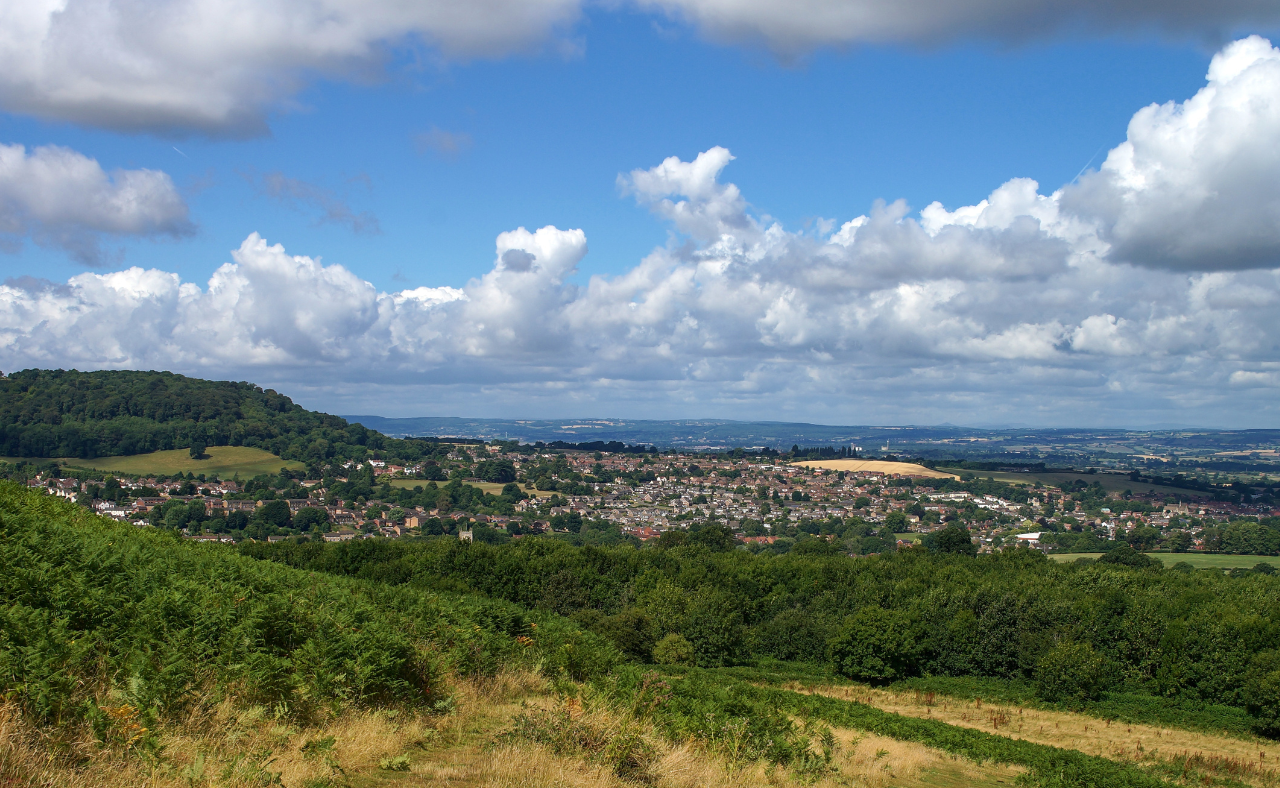
Dursley is the architectural crown jewel of the Stroud District, a landscape defined by its dramatic "Cotswold Edge" topography and its deep, unbroken connection to the Lister industrial dynasty. For the 2026 traveler, this market town offers a masterclass in transitional heritage, where the 14th-century stone of the Cotswolds meets the iron and steam of the Victorian age. By definition, Dursley remains the quintessential symbol of Cotswold industrial resilience, having evolved from a medieval wool town into a global center for agricultural engineering (1).
The Medieval Marketplace and the Town Hall
The town's identity is anchored by the Market Place, home to the iconic Town Hall (also known as the Market House). Built in 1738, this Grade II* listed structure, perched on classic stone pillars, represents a tactical center for 18th-century trade, where the upper hall served as the manor court while the open area below housed the bustling butter and poultry markets (2). Unlike the quieter "chocolate box" villages of the central Cotswolds, Dursley retains a gritty, authentic mystery, characterized by its steep, narrow lanes and the soaring tower of St James the Great Church. This 14th-century foundation features a masterclass in Perpendicular Gothic masonry, serving as a landmark for the town’s religious and civic power during the height of the Berkeley family's influence (3).
The Lister Legacy and Industrial Innovation
Dursley is historically inseparable from R.A. Lister & Co., an engineering giant founded in 1867 that once employed nearly the entire local population. The town's landscape was reshaped by the massive Lister works, which produced world-renowned agricultural machinery and diesel engines. This site represents a tactical blend of natural Cotswold resources and human innovation (4). For a deep dive into this history, the Dursley Heritage Centre provides a unique landscape where visitors can explore the evolution of the "Dursley Pedersen" bicycle—a masterclass in 19th-century cantilever design that remains a quintessential symbol of eccentric British engineering (5).
Dursley Strategic Navigation Guide
Town Hall (Market House): 18th-century pillared hall and civic center — GL11 4BS
St James the Great Church: 14th-century "Wool Church" with fine monuments — GL11 4JE
Dursley Heritage Centre: Local industrial history and Pedersen bicycle displays — GL11 4BW
Stinchcombe Hill: A tactical vantage point offering panoramic Severn Vale views — GL11 6AQ
The Old Bell: A 14th-century timber-framed coaching inn — GL11 4BN
Information Gain & Expert Insights
Dursley is a historic Gloucestershire market town famous for its engineering heritage, specifically the Lister engine works, and its strategic location on the Cotswold Way hiking trail.
Unlike neighboring Wotton-under-Edge, Dursley offers a more industrialized heritage experience, balancing its medieval market roots with a significant 19th-century manufacturing legacy.
The town is situated in a "coombe" (a deep valley) at the foot of the Cotswold scarp, a geological positioning that provided the water power essential for early cloth milling (6).
References
Evans, D. Dursley and Cam: A History. Stroud: Amberley Publishing, 2010.
Sherwood, J. & Pevsner, N. The Buildings of England: Gloucestershire: The Vale and the Forest of Dean. Harmondsworth: Penguin Books, 1970.
Verey, D. The Buildings of England: Gloucestershire: The Cotswolds. Harmondsworth: Penguin Books, 1970.
Lister, R. A Century of Engineering: The Lister Story. London: David & Charles, 1967.
Evans, D. The Dursley Pedersen Story. Stroud: Tempus Publishing, 2002.
Bond, J. Medieval Gloucestershire: Heritage and Landscape. Oxford: Oxford University Press, 1986.
Smith, B. Pedersen: The Man and the Machine. London: Cycle Publishing, 1995.
Steane, J. The Cotswold Way: A Historical Guide. London: Batsford, 1988.
Herbert, N. M. A History of the County of Gloucester: Volume 10. London: Victoria County History, 1972.
Tann, J. Gloucestershire Woollen Mills. Newton Abbot: David & Charles, 1967.
-
The Dursley Pedersen bicycle is a masterclass in unconventional engineering. By definition, it features a multi-triangle "hammock" frame design created by Mikael Pedersen in the late 19th century, offering a tactical advantage in comfort and weight that was decades ahead of its time (7).
-
Absolutely. Dursley is a primary hub on the Cotswold Way. In short, the town is flanked by Stinchcombe Hill and Cam Peak, two of the most significant topographical landmarks on the route, providing hikers with a silent, intimate experience of the Severn Vale (8).
-
The Berkeley family of nearby Berkeley Castle held the manor of Dursley for centuries. Unlike independent burgage towns, Dursley's medieval development was strictly overseen by the Berkeleys, who granted the town its market charter in 1471, cementing its status as a regional trading power (9).
