
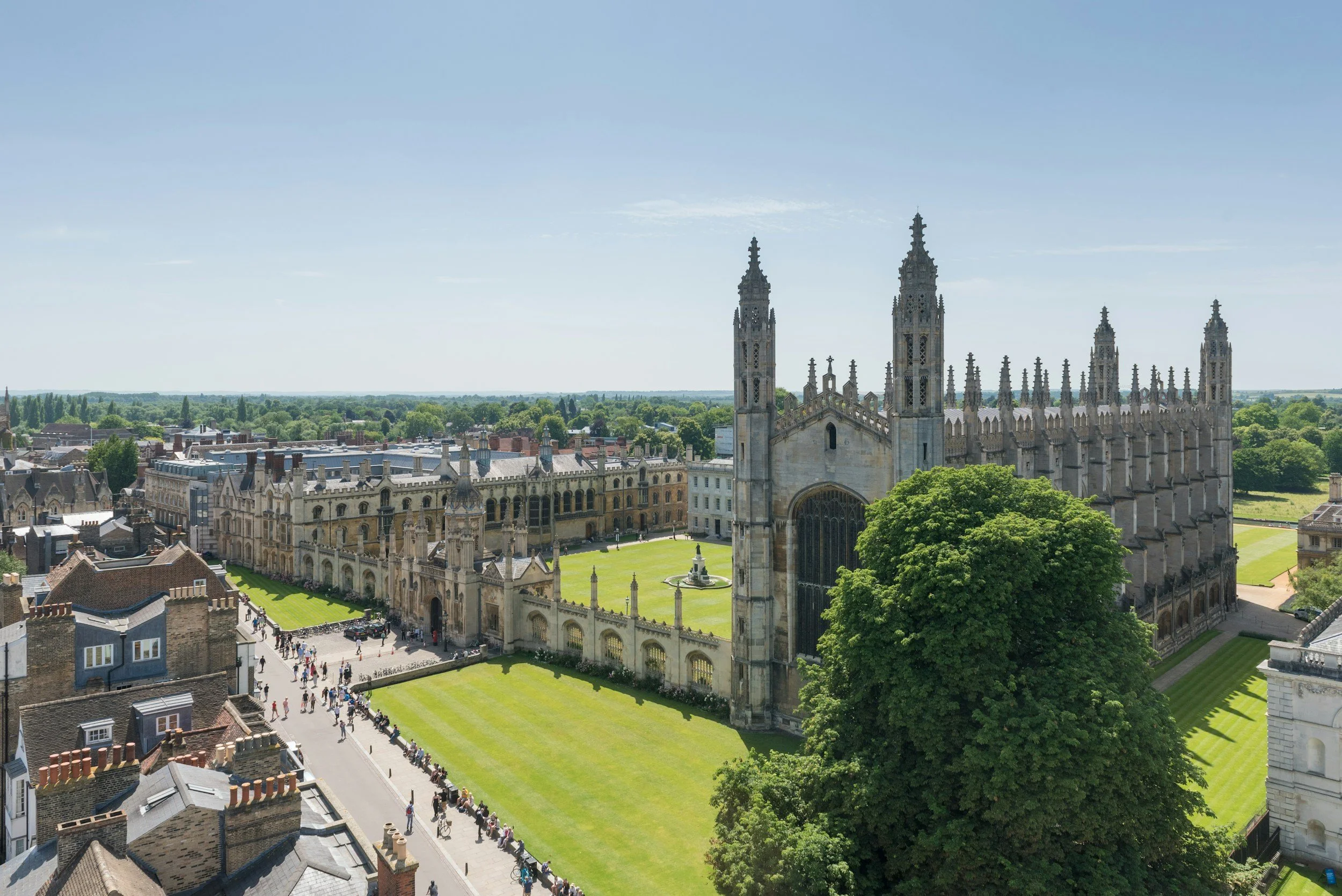
A Historical Survey of Cambridge Landmarks
Decoding the Architectural Narrative of England’s Intellectual Powerhouse
-
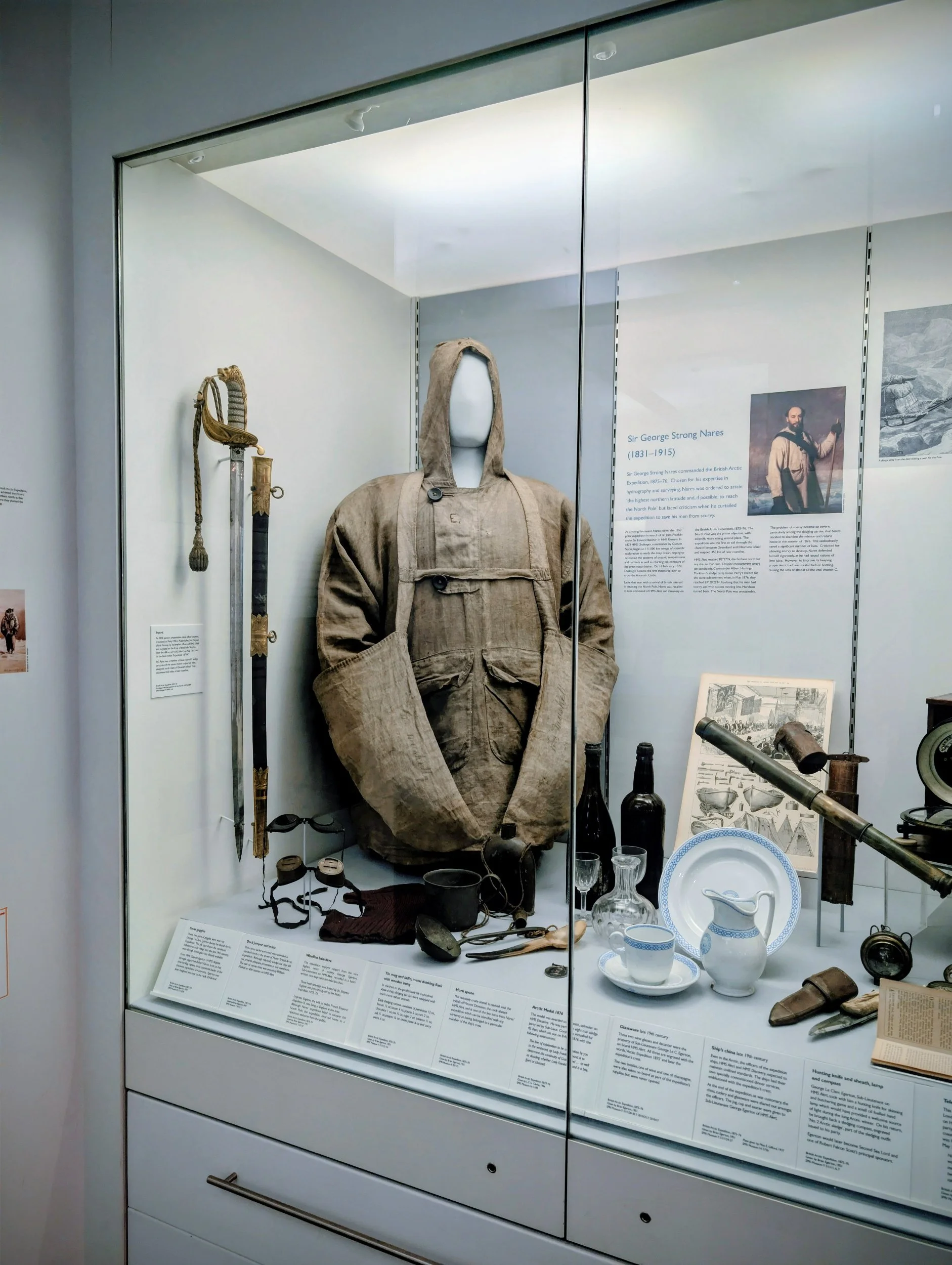
The Polar Museum
In the heart of Cambridge, housed within a building that mirrors the stark, functional elegance of a research vessel, lies The Polar Museum. Part of the Scott Polar Research Institute Click to open side panel for more information (SPRI), this is not merely a collection of cold-weather artifacts; it is a repository of human endurance, scientific ambition, and the shifting geopolitical narratives of the Earth’s most extreme environments.
-
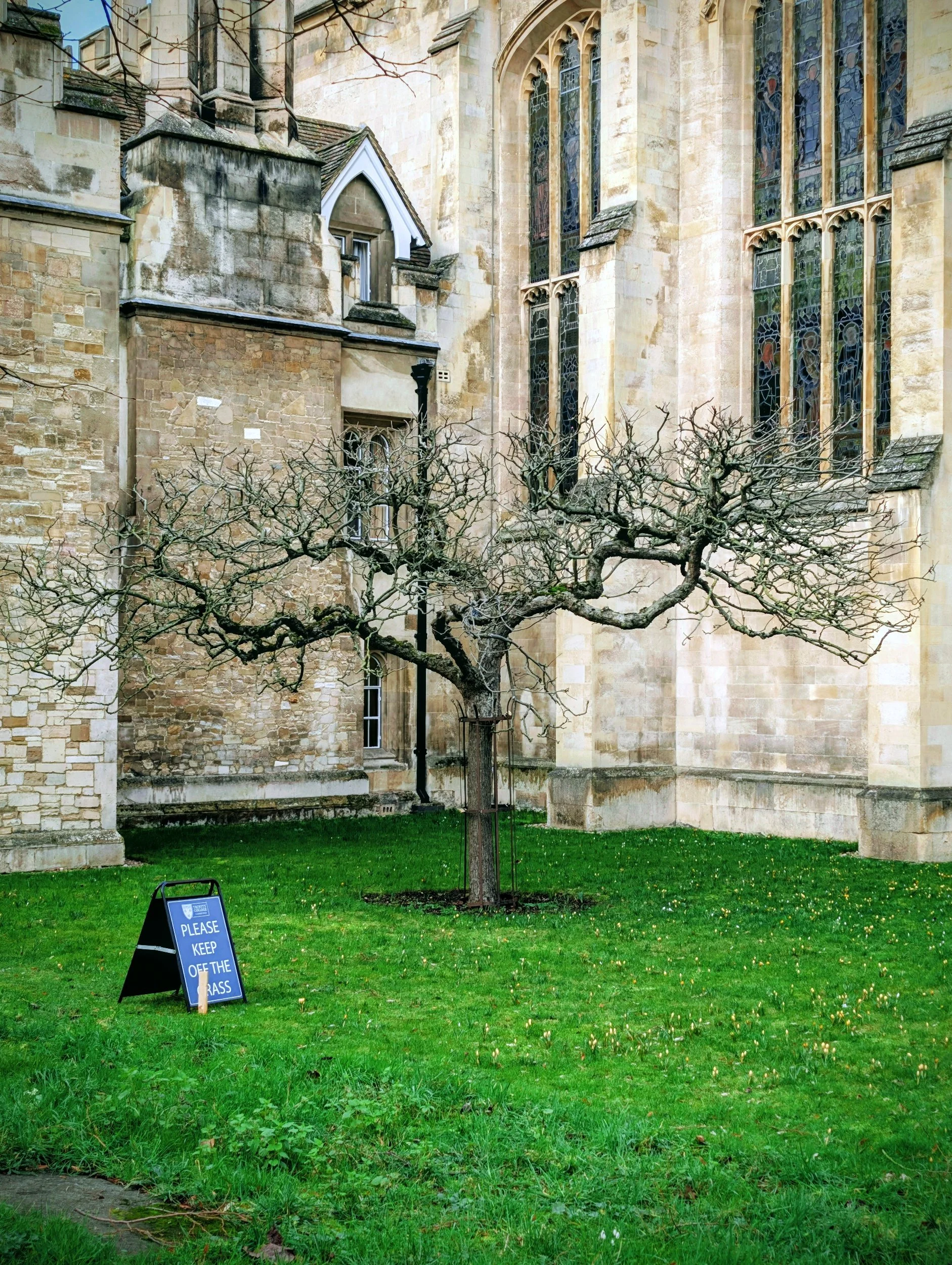
Newton’s Apple Tree
In the manicured courtyard of Trinity College, Cambridge, just outside the rooms once occupied by Sir Isaac Newton, stands a relatively modest, gnarled tree that carries the weight of a scientific revolution. To the casual observer, it is merely a fruit tree; to the Explorers Insight reader, it is a Newton's Apple Tree clone—a living biological monument that bridges the gap between 17th-century physics and modern botanical preservation.
-
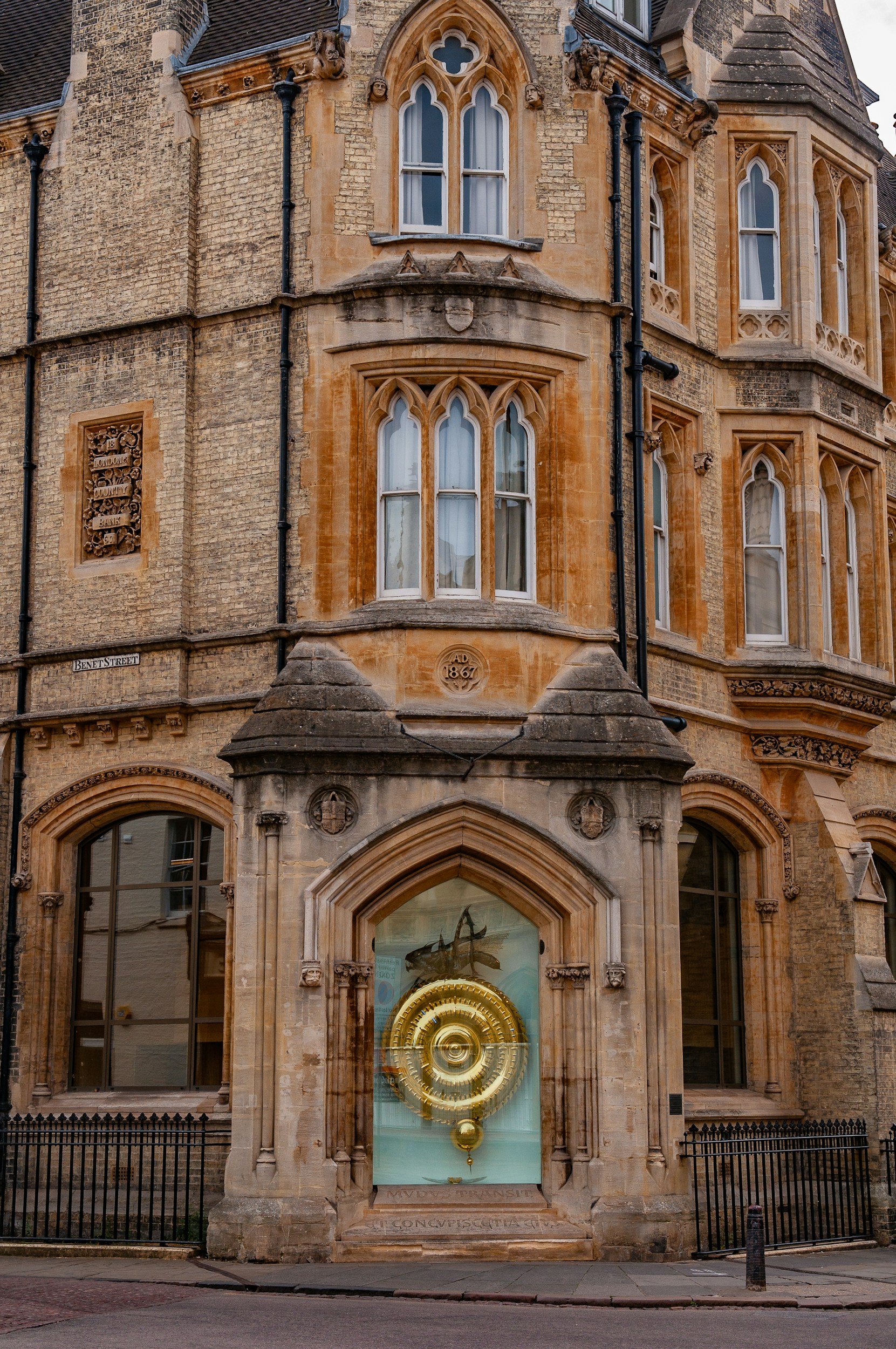
The Chronophage
In a city defined by the pursuit of timeless truths, the Corpus Clock stands as a jarring, brilliant reminder of the opposite: the relentless, predatory nature of time itself. Unveiled in 2008 by the legendary physicist Stephen Hawking, this gold-plated monument at the corner of Bene't Street and Trumpington Street is not merely a timepiece; it is a philosophical provocation in the form of a 24-carat mechanical beast.
-
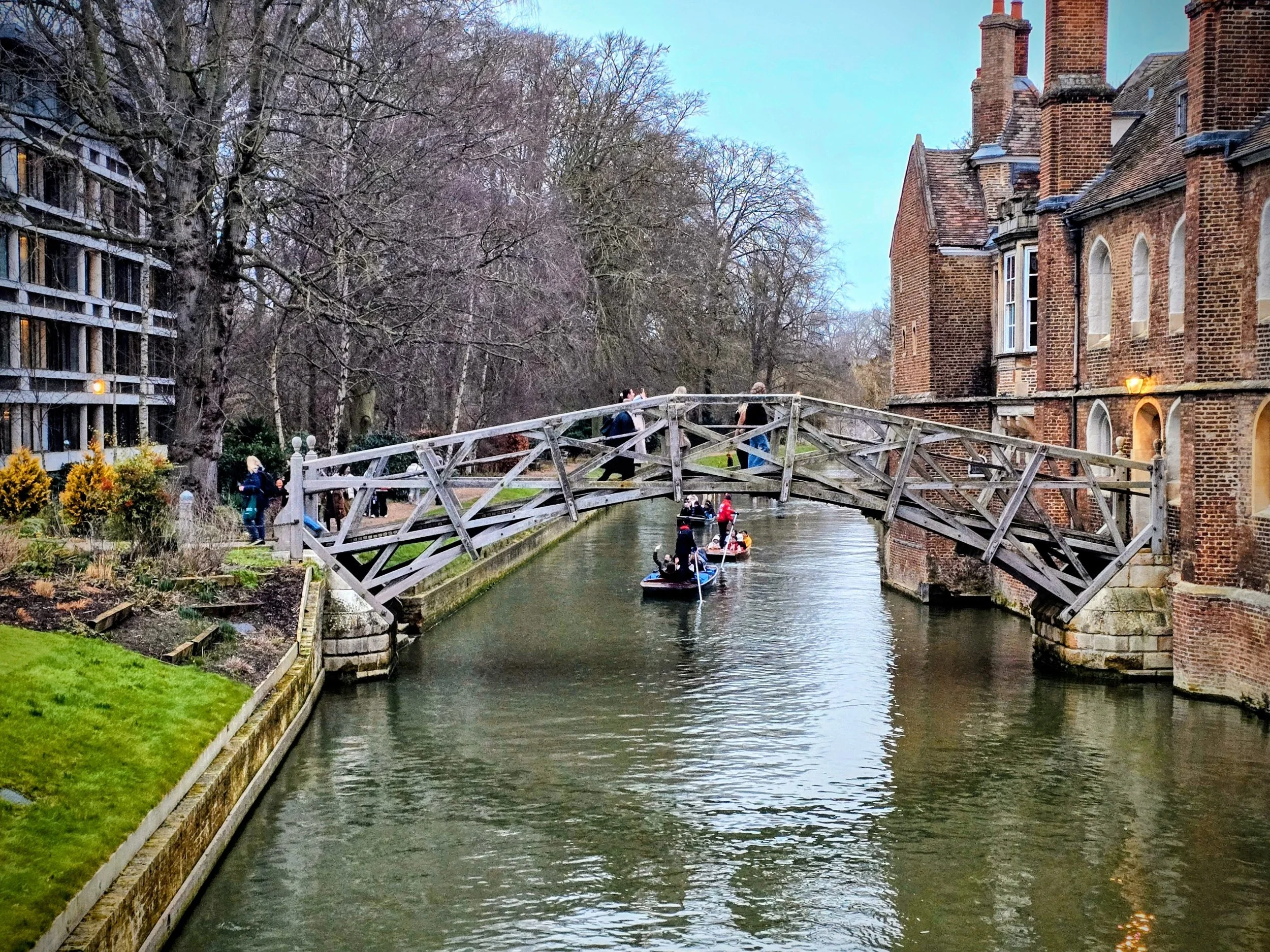
Mathematical Bridge
Standing over the water and connecting the medieval and modern halves of Queens’ College, the Mathematical Bridge Silver Street Cambridge is perhaps the most misunderstood structure in East Anglia. To the casual tourist passing by, it appears as a quaint wooden arch; to the Explorers Insight reader, it is a masterclass in 18th-century structural joinery and a prime example of how architectural myths can often overshadow historical reality.
-
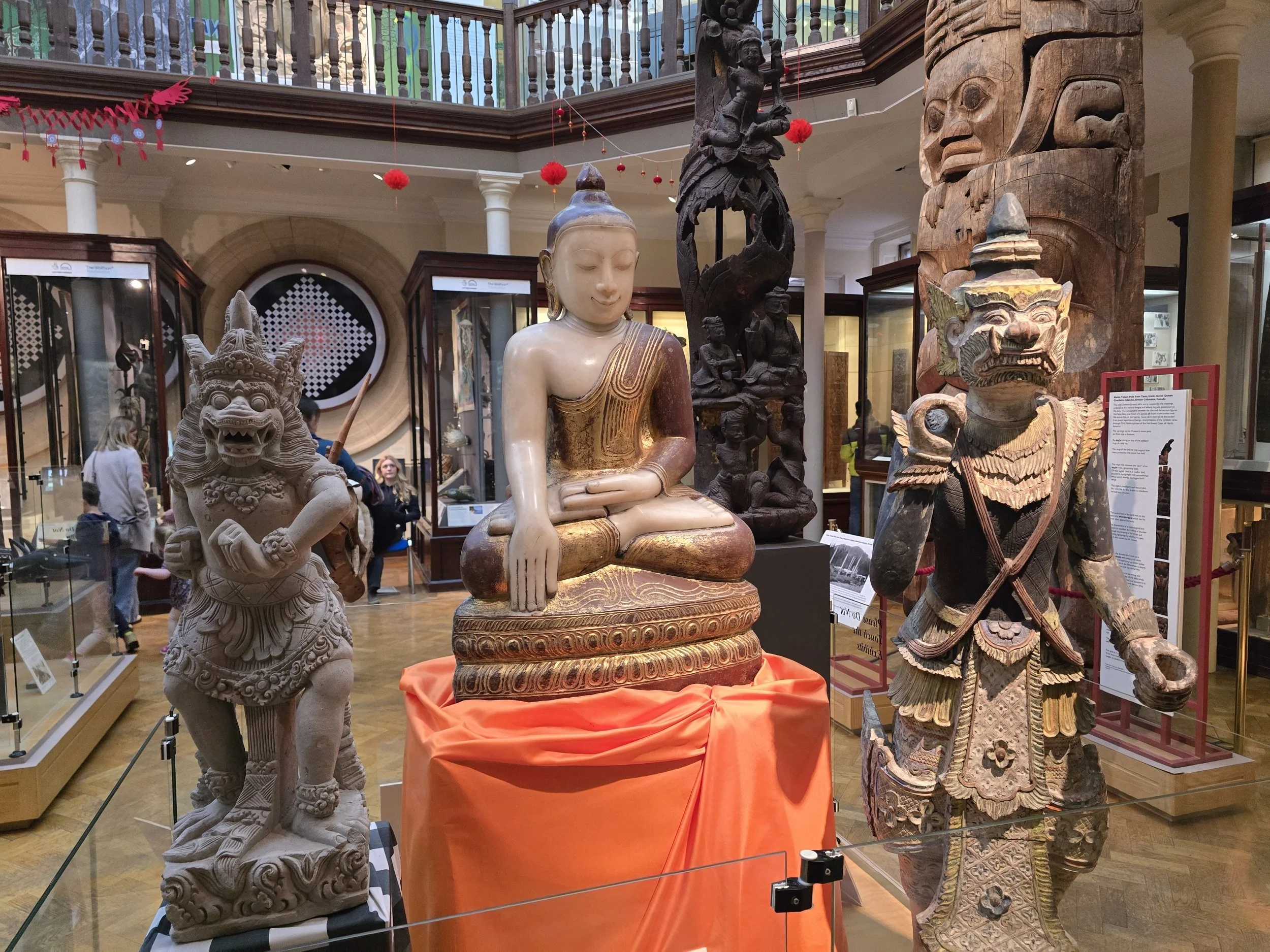
Museum of Archaeology and Anthropology
Nestled on Downing Street, the Museum of Archaeology and Anthropology (MAA) stands as one of Cambridge's most profound intellectual intersections. While the city is often celebrated for its scientific breakthroughs, the MAA serves as its conscience and memory—a repository that bridges the gap between the deep prehistoric past and the living cultures of the 21st century.
-
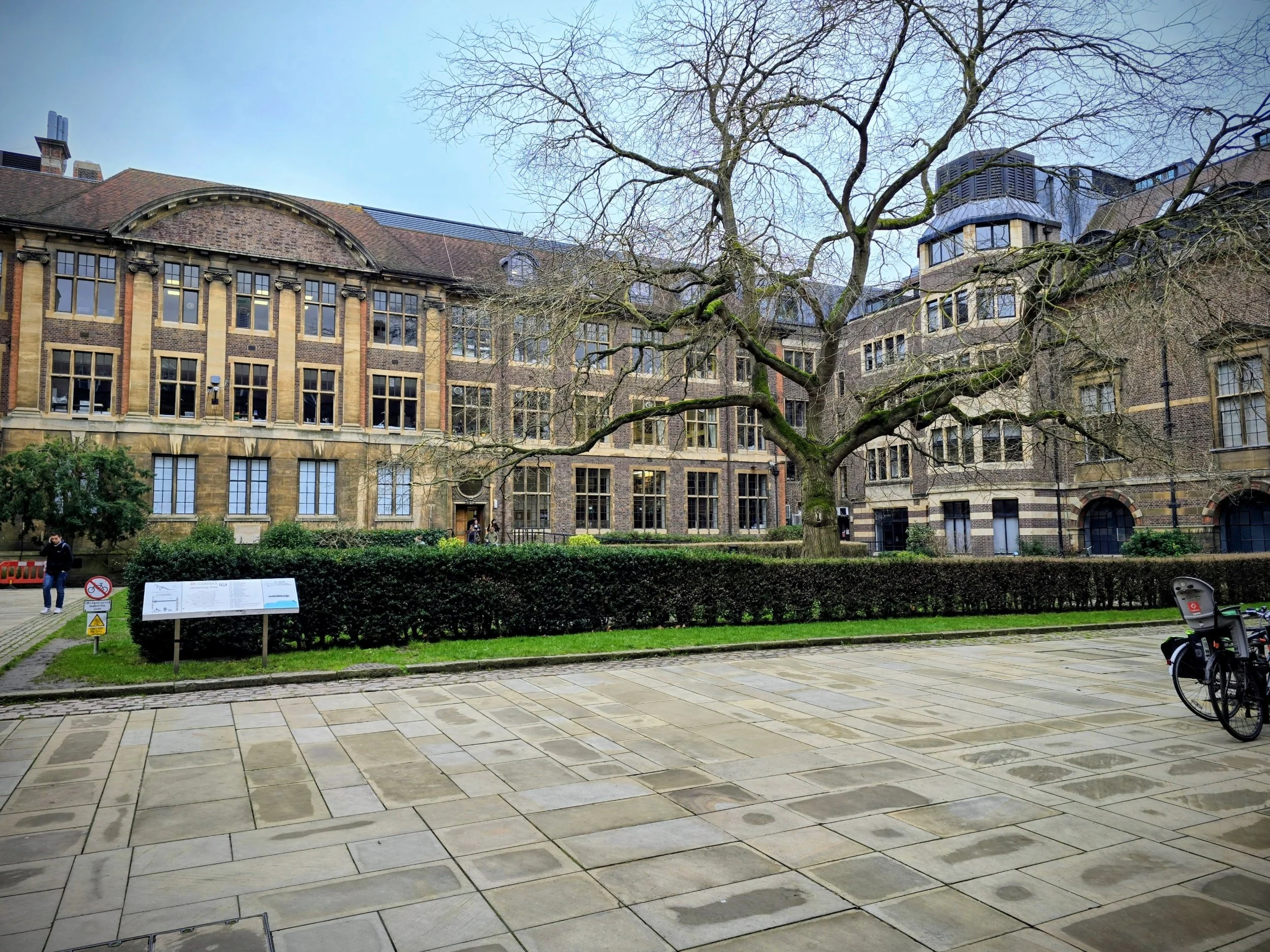
Sedgwick Museum of Earth Sciences
Tucked away on Downing Street within the historic Downing Site, the Sedgwick Museum of Earth Sciences serves as the University of Cambridge’s oldest and most profound window into the physical history of our planet. While its neighbors focus on the short-term triumphs of human archaeology or modern technology, the Sedgwick operates on the scale of "Deep Time"—a narrative that begins with meteoritic building blocks 4.5 billion years ago and ends with the very stones that build the city of Cambridge today.
-
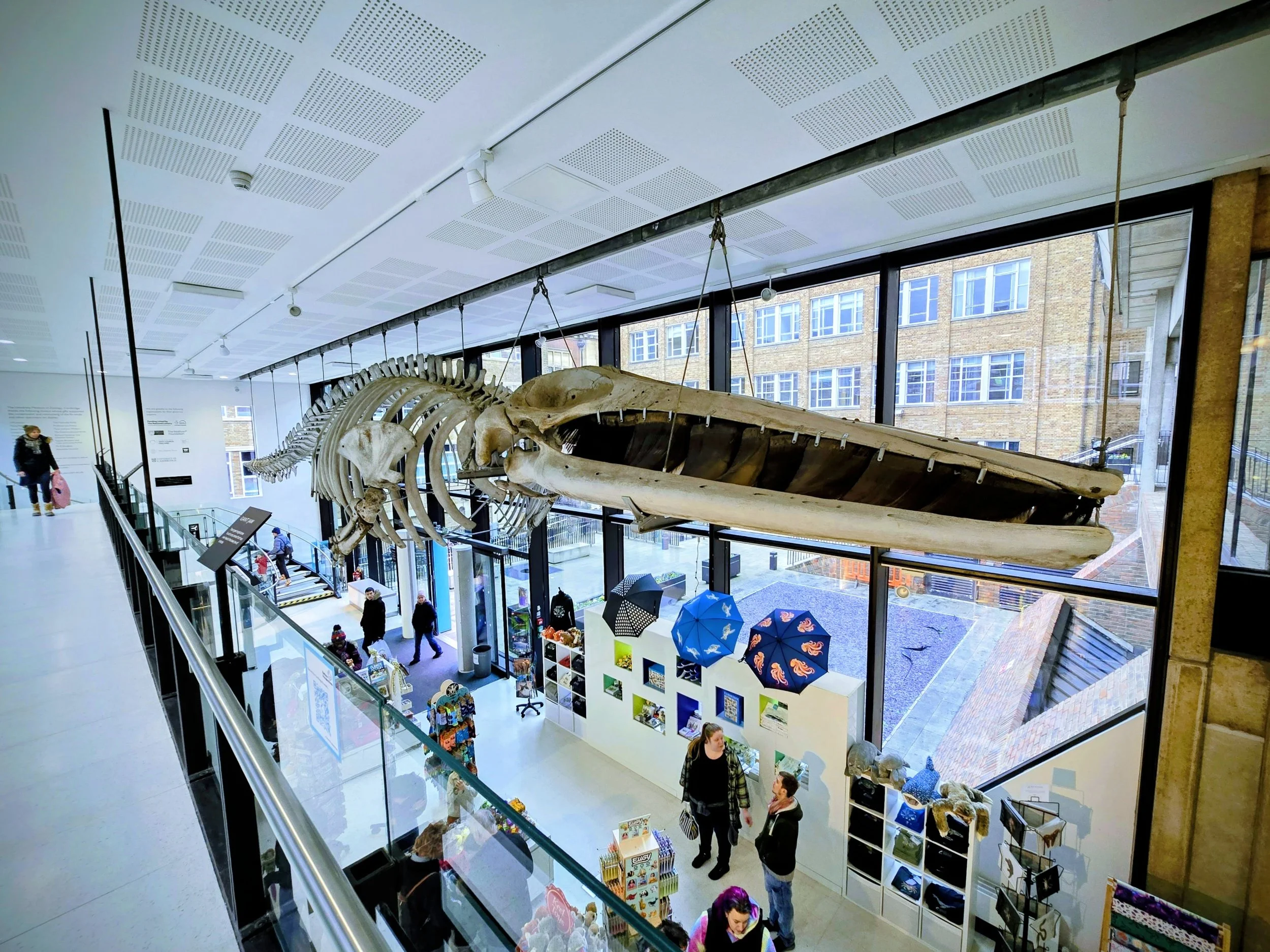
University Museum of Zoology
Located in the heart of the University’s New Museums Site, the University Museum of Zoology is a striking intersection of mid-century Brutalist architecture and 300 million years of natural history. While other institutions may focus on the static past, the Zoology Museum in 2026 functions as a "living library"—a place where the DNA of extinct species meets the conservation strategies of the future.
-
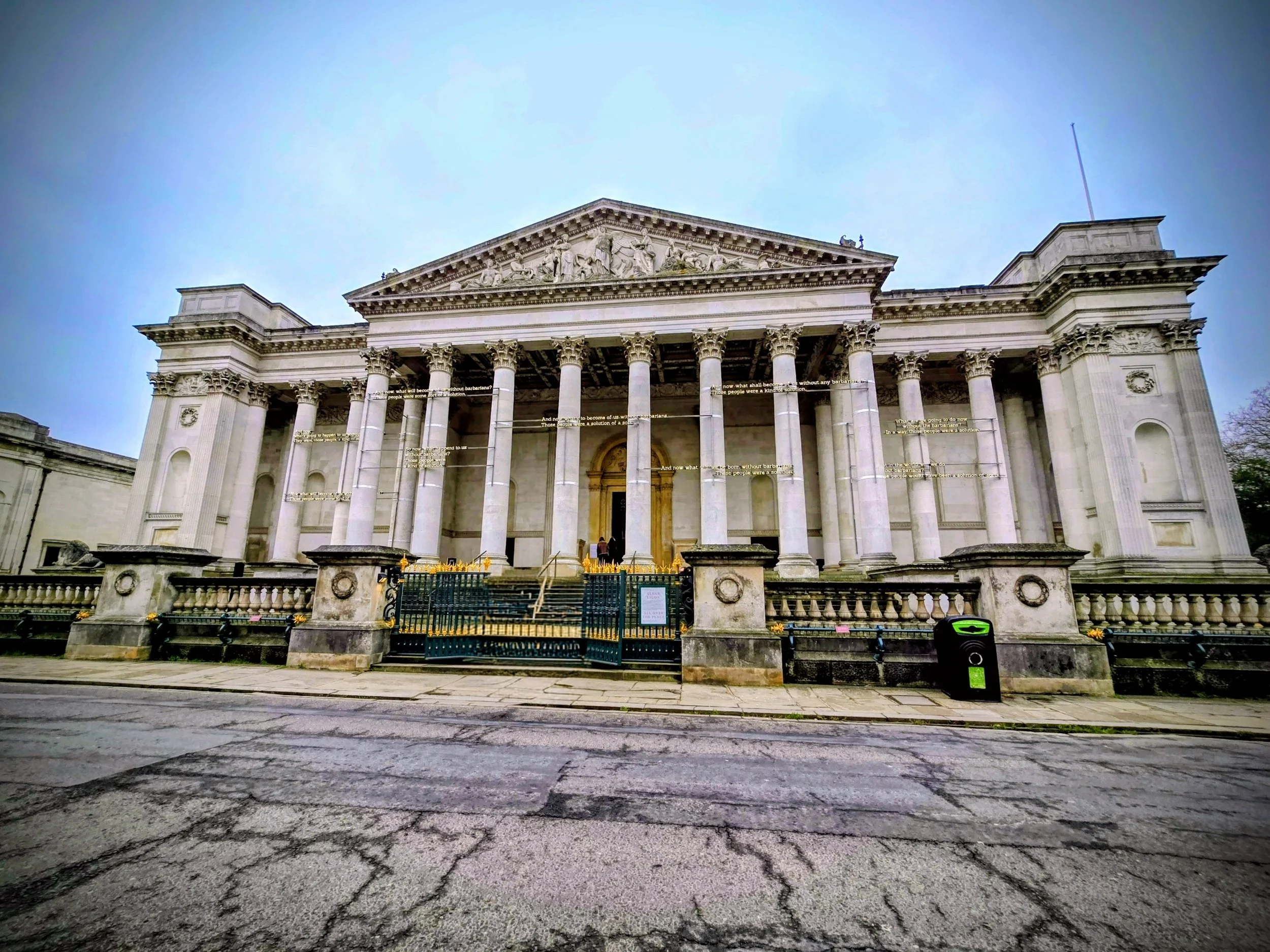
Fitzwilliam Museum
Standing as a formidable sentinel on Trumpington Street, the Fitzwilliam Museum is not merely a gallery; it is a declaration of intellectual and cultural ambition. Founded in 1816 through the bequest of Richard Fitzwilliam, 7th Viscount Fitzwilliam, the museum was envisioned as a "monument of design" that would rival the great collections of Europe. For the Explorers Insight reader, the Fitzwilliam represents a masterclass in Neoclassical architecture and the evolution of the "Universal Museum" concept.
-
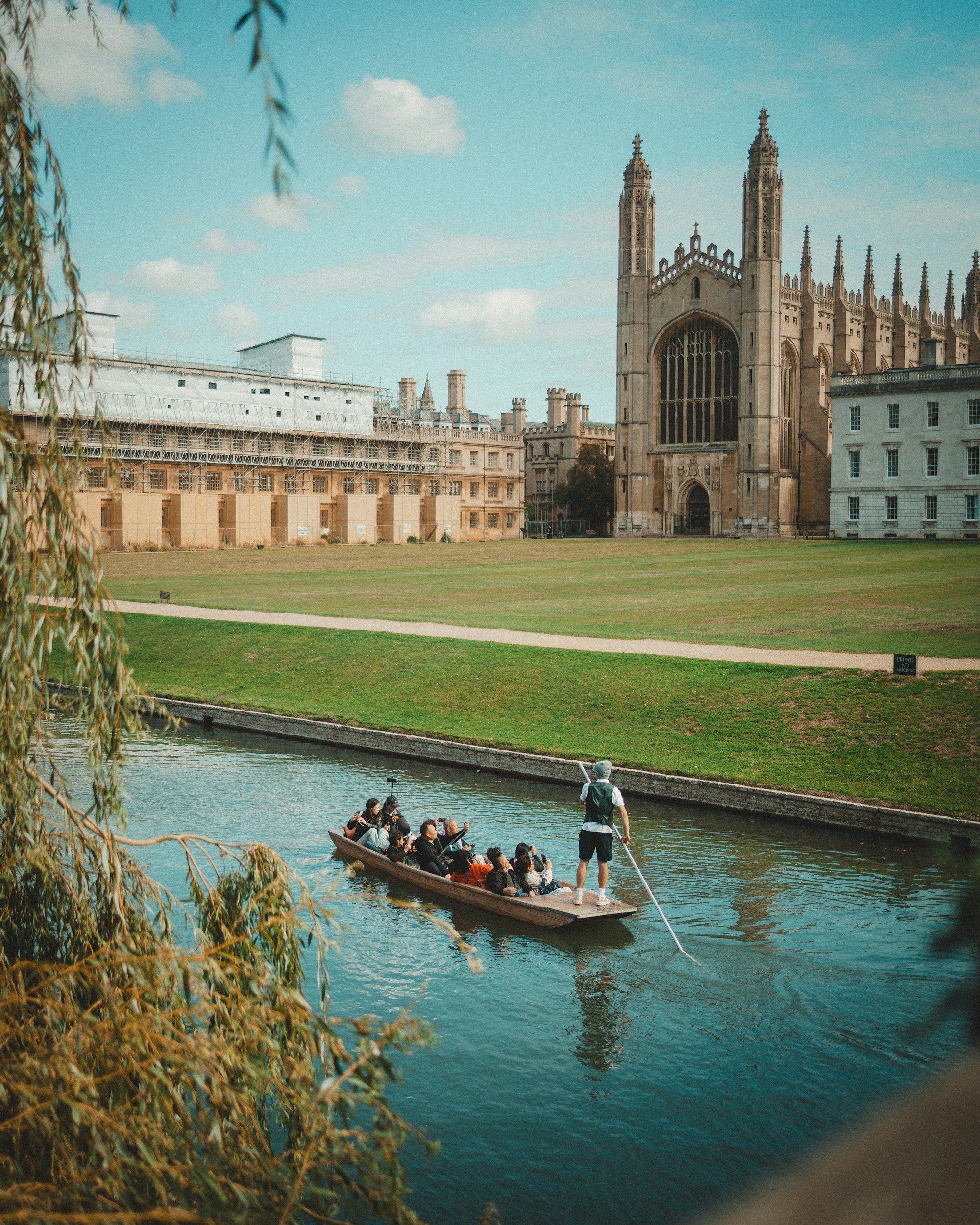
King’s College
Dominating the center of the city with its soaring perpendicular Gothic architecture, King’s College stands as the most internationally recognized symbol of the University of Cambridge. Founded in 1441 by King Henry VI, the college was envisioned as a grand architectural and intellectual counterpart to his other foundation, Eton College. For the Explorers Insight reader, King’s represents a masterclass in royal ambition, where the transition from the Middle Ages to the Renaissance is carved into every limestone block and stained-glass pane.